


Victorian Engraved Silver Holder
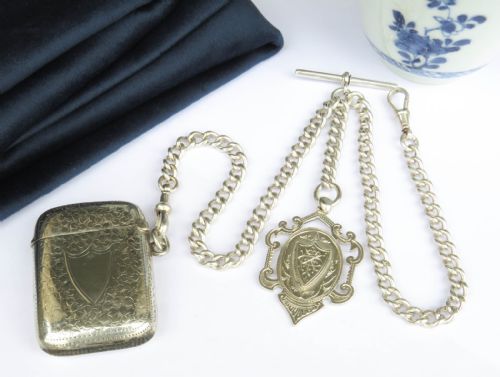
A victorian engraved silver holder is a functional pocket or tabletop accessory designed to carry cards, books, matches, or cigars.
Victorian Engraved Silver Holder
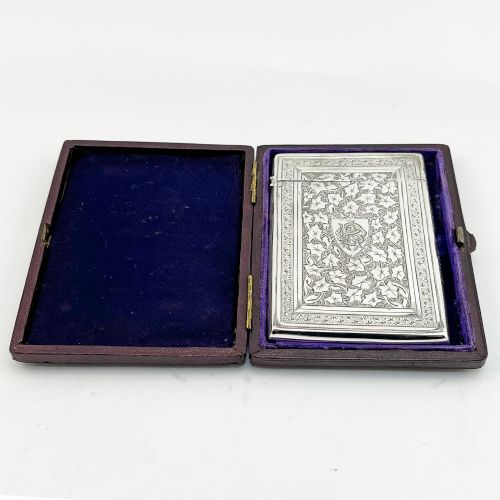
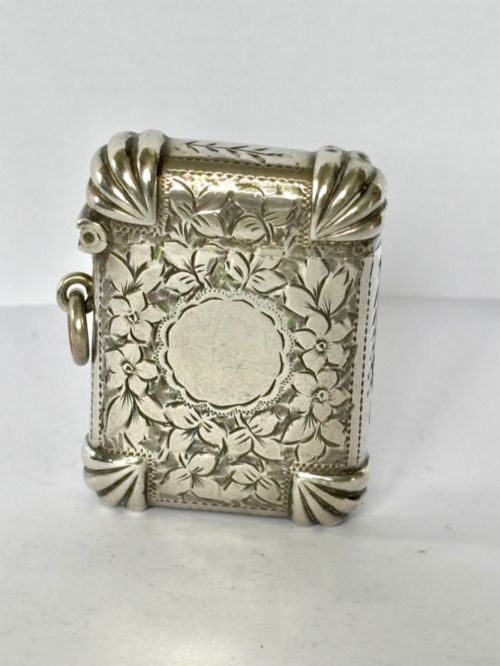
A victorian engraved silver holder encompasses a varied group of functional personal accessories designed to carry items such as visiting cards, prayer books, matches, and cigars. The pieces encountered most frequently on this page originate from the Victorian and Edwardian periods, stretching from the mid-nineteenth century into the early twentieth century.
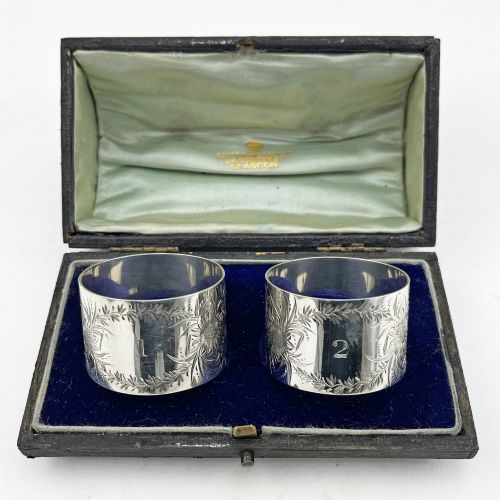
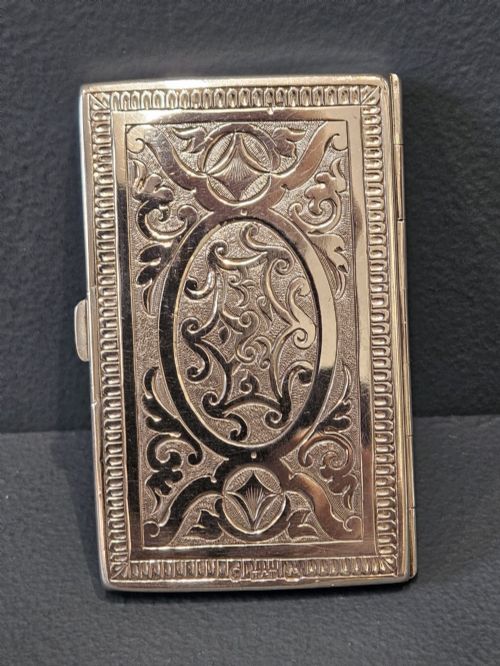
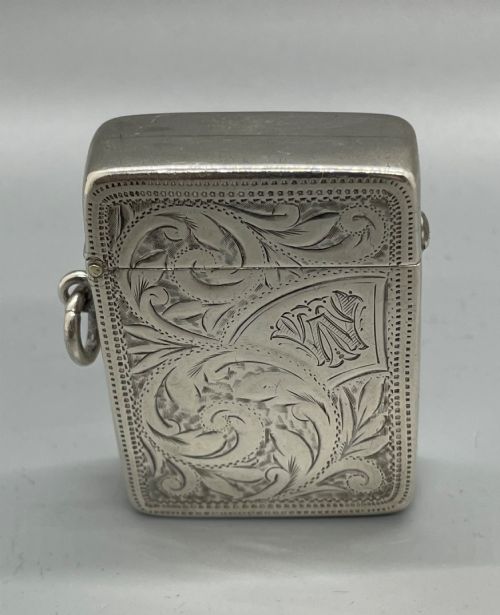
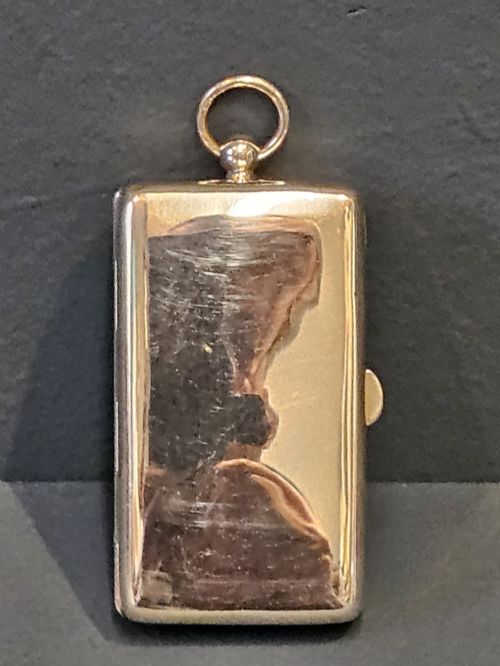
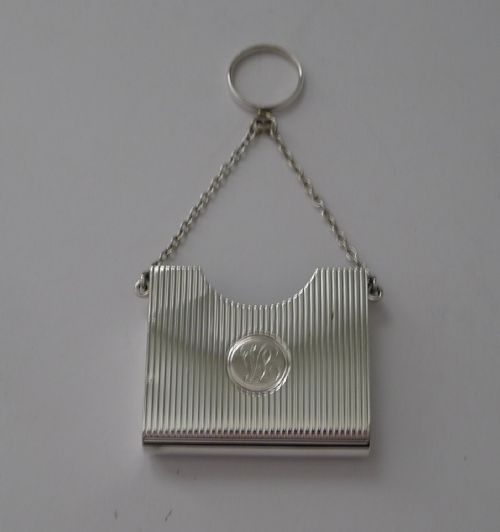
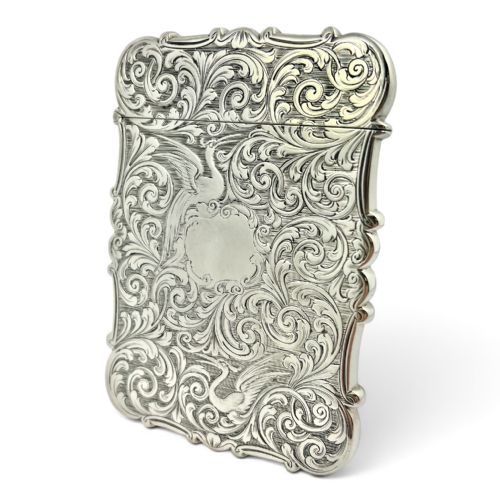
Makers produced these objects in forms ranging from flat card cases and aide-memoires to pocket match safes known as vesta cases, scent bottles, and chatelaine accessories like string holders. Many items display surface engraving executed by silversmiths working in English assay towns such as Birmingham, Chester, and London.
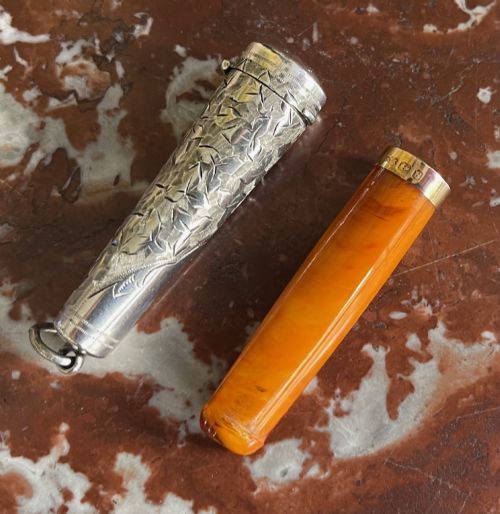
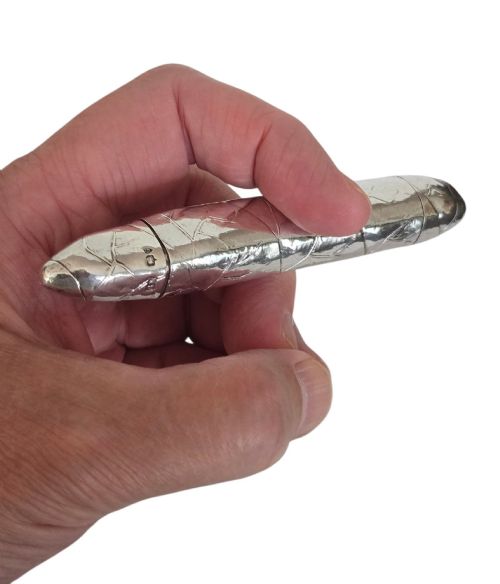
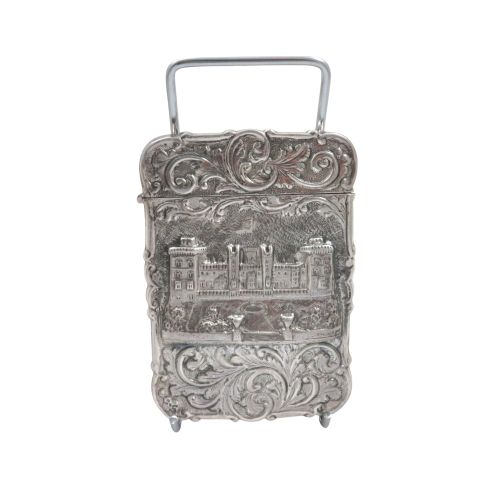
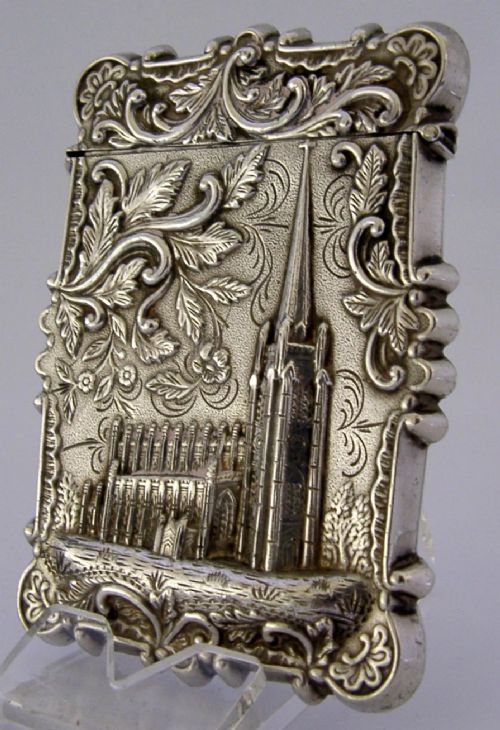
Examples span simple pocket pieces to elaborate castle top card cases depicting buildings in high relief, alongside related items constructed with internal compartments or paired with amber and gold cheroot mouthpieces. While the primary metal is sterling silver, variants in silver plate and combinations with leather or silk also appear.
Materials and Technique
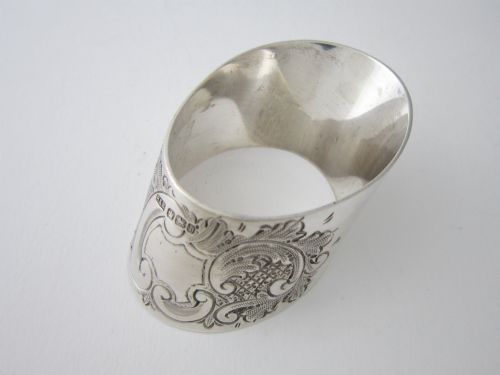
Silversmiths constructed these holders primarily from sterling silver sheet, utilising pressing, stamping, and hand-beating techniques to shape the metal into flat card cases, curved vesta boxes, and cylindrical or figural napkin rings. Artisans then decorated the exterior surfaces using hand-engraving, engine-turning, and relief-cast castle top panels.
Makers incorporated supplementary elements such as internal silk or velvet linings, leatherette outer sleeves, and amber mouthpieces mounted in gold for cheroot cases. Silver plating on base metal also occurs alongside solid sterling silver construction, demonstrating the range of workshops active during the nineteenth and early twentieth centuries.
Victorian Engraved Silver Holder Retail Price Guide 2026
Typical asking prices for victorian engraved silver holder among the pieces listed under this phrase on Sellingantiques today, from the lower quarter to the upper quarter. They describe what is for sale here now, not the wider market.
Listings feature sterling silver, silver plate, leather, amber, and silk across Victorian, Edwardian, and Georgian periods.
Craftsmanship and Detail
The distinction between standard production and exceptional work rests on the crispness of the hand-engraving, the depth of relief cast scenes such as castle top architecture, and the precision of the hinges and clasps. Superior pieces retain sharp linear patterns and tight closures without play in the lid.
Makers who signed their work, such as Sampson Mordan, Nathaniel Mills, or George Unite, often applied higher standards of chased ornamentation and structural finishing to their card cases, vesta boxes, and prayer book holders, elevating them above unmarked workshop output.
EV Pledge & Son·Horton & Allday·Martin Hall & Co·Sampson Mordan·Nathaniel Mills·George Unite·Wright & Davies
The Victorian Engraved Silver Holder Glossary
- Vesta case
- A small pocket container designed to hold matches, typically fitted with a striking stripe on the base.
- Castle top
- A decorative style featuring high-relief engravings or castings of famous buildings on the face of a card case.
- Aide-memoire
- A small notebook or memorandum tablet often combined with a card case and pencil.
- Chatelaine
- A decorative belt hook from which women suspended utilitarian accessories such as purses, scent bottles, and string holders.
- Assay mark
- An official stamp indicating the metal purity, town of testing, and date letter for the piece.
Victorian Engraved Silver Holder: Frequently Asked Questions
How do I use a vesta case?
A vesta case functions as a pocket match safe, designed to keep matches dry and prevent them from igniting accidentally in clothing.
Owners typically open the spring-hinged lid and strike the match against the serrated groove underneath the base.
What is an aide-memoire?
An aide-memoire is a compact combination piece incorporating a card case, a small writing surface, and frequently a miniature pencil.
Victorian users relied on these pocket accessories to record social engagements and visiting addresses while making calls.
How can I date my silver holder?
English silver holders carry hallmark stamps that include a town mark, a purity mark, and a date letter corresponding to the assay office records.
Comparing these stamped symbols against standard assay tables reveals the exact year the item was tested and hallmarked.