

Victorian Dress Cane
A victorian dress cane is a portable gentleman's accessory, combining functional support with decorative metal or porcelain handles for daily promenades.
Victorian Dress Cane
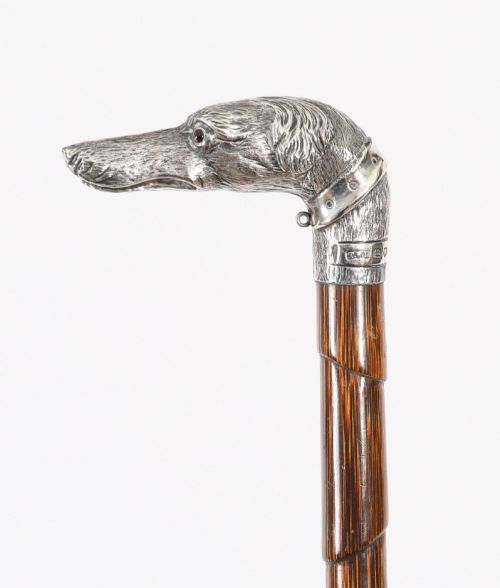
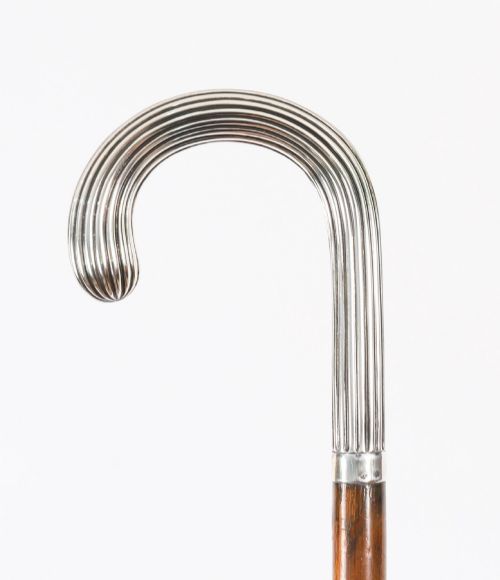
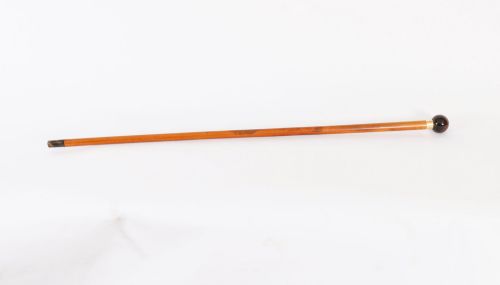
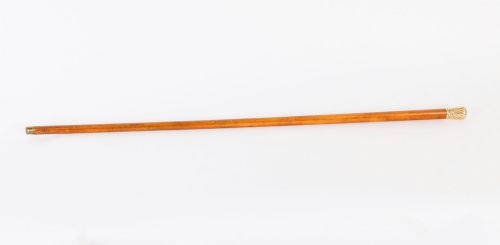
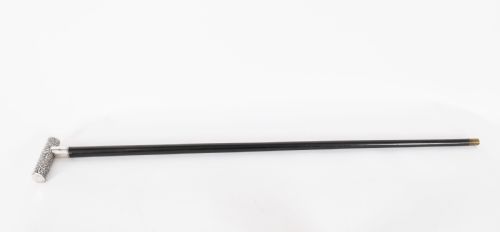
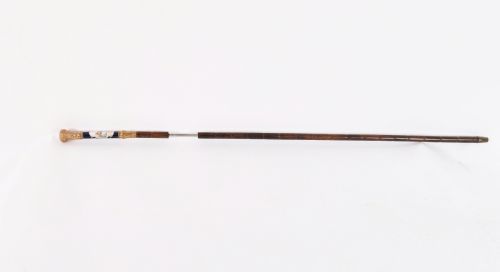
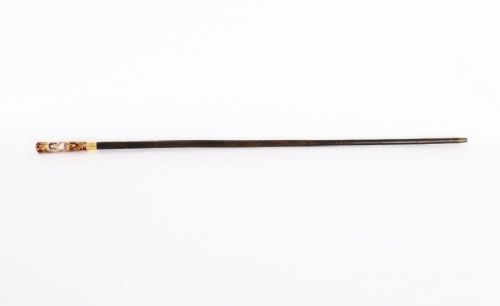
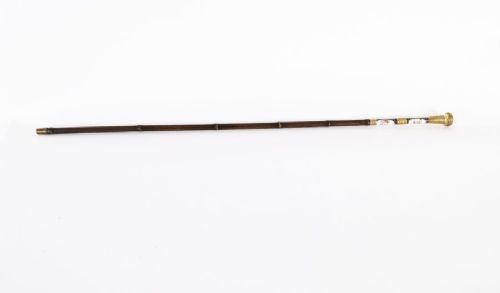
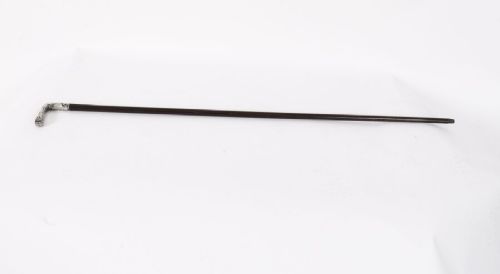
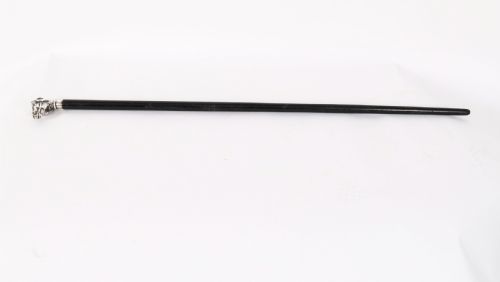
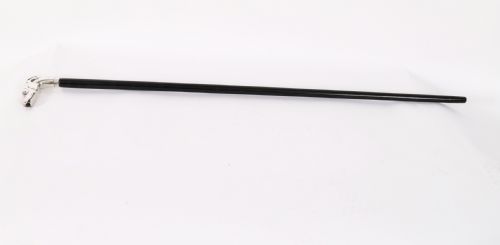
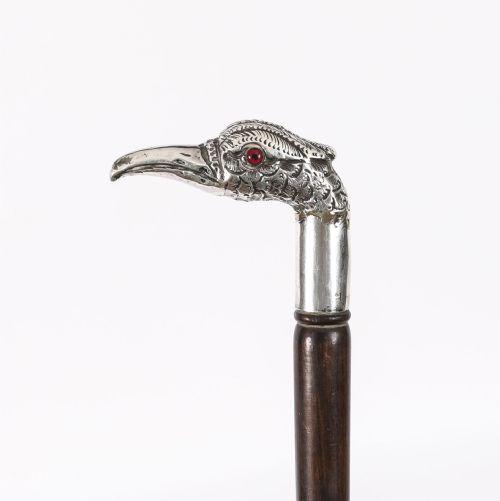
When searching for a victorian dress cane, a buyer encounters walking sticks and canes originating from the nineteenth century and the Edwardian period. The versions most commonly met on this page feature silver, gold-plated, or porcelain handles mounted upon ebonised wood, hardwood, or metal shafts.
Origins span across English, French, Chinese Export, and Anglo-Indian workshops. Alongside traditional walking canes, the selection occasionally includes related domestic furniture such as dressing table stools and bedroom chairs.
Materials and Construction
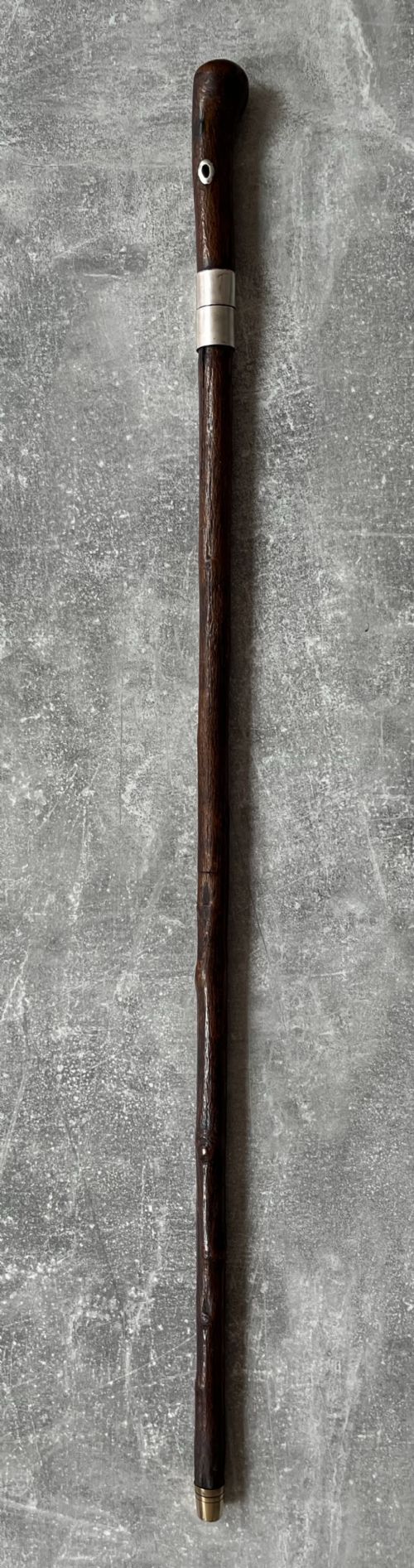
Shafts are constructed from dense timbers like ebonised wood, hazel, satinwood, snakewood, oak, palm wood, and malacca, providing structural rigidity. Metal shafts in steel and brass also appear within the selection.
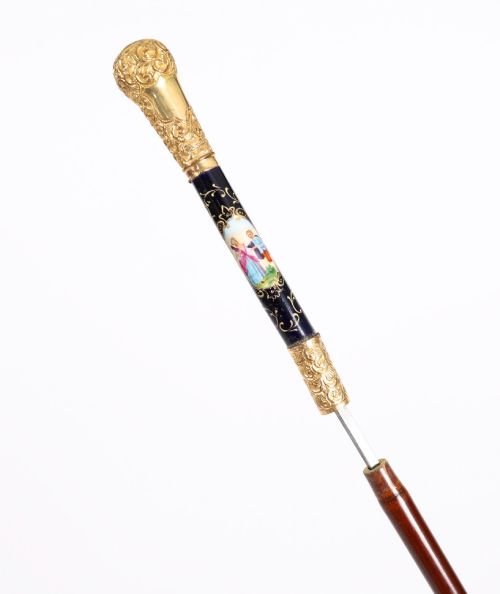
Handles and pommels utilise precious metals including silver, silver plate, gold plate, and 18-carat gold, alongside ceramic elements like Sèvres and Meissen porcelain. Metal components frequently display chased or embossed decoration, while wooden handles show detailed fruitwood carving.
Listings span the nineteenth century, 1880, 1900, 1910, and the Edwardian era, incorporating silver, porcelain, and ebonised wood.
Assessing Quality
Quality rests upon the execution of the handle and the integrity of the shaft. Finely modelled animal pommels and hand-painted porcelain segments represent superior craftsmanship compared to plain metal tops.
The choice of shaft material also dictates the grade of the piece, with exotic timbers and precious metal mountings marking the upper tier of production.
Thomas Johnson·Henry Borlase Stevens
The Victorian Dress Cane Glossary
- Pommel
- The decorative handle or knob fitted to the top of a walking stick. It provides a comfortable grip for the hand.
- Ebonised wood
- Timber treated with a dark finish to imitate expensive ebony. This material creates a stark contrast against silver or gold pommels.
- Sword stick
- A walking cane containing a concealed blade within the wooden shaft. These pieces combine defensive utility with gentlemanly attire.
- Prunus blossom
- A decorative motif depicting plum blossoms, frequently found on Chinese Export silver handles. It represents a traditional East Asian design element.
- Malacca
- A sturdy stem derived from a Southeast Asian rattan palm, prized for its mottled brown surface and resilience. It serves as a traditional shaft material for fine canes.
Victorian Dress Cane: Frequently Asked Questions
What is a dress cane?
A dress cane is a lightweight walking stick carried by gentlemen as part of formal attire during the nineteenth and early twentieth centuries.
Unlike heavy hiking poles, these accessories prioritised refined appearance through decorative silver, gold, or porcelain handles.
How do sword sticks work?
Sword sticks feature a concealed metal blade housed securely inside the hollow wooden shaft of the cane.
A discreet locking mechanism or friction fit keeps the blade in place until the handle is pulled.
What materials were used?
Shafts utilised dense natural timbers such as snakewood, hazel, oak, satinwood, and malacca, alongside ebonised wood and steel.
Handles were fashioned from precious metals, gold plate, porcelain, and carved fruitwood.
How are periods identified?
Periods are determined through hallmarks, stylistic conventions, and material usage characteristic of the nineteenth century and Edwardian eras.
Maker marks and engraved dates on the metal pommels provide precise chronological placement.