






Victorian Display Plate
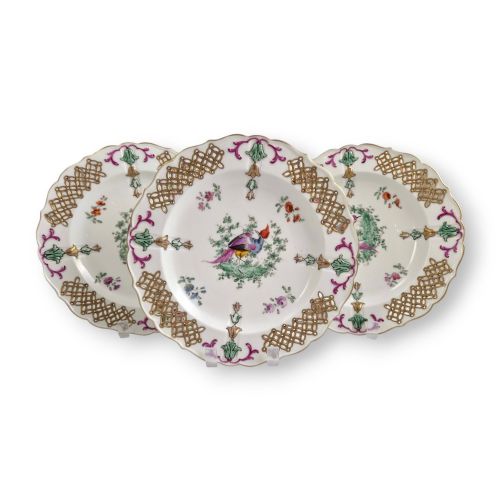
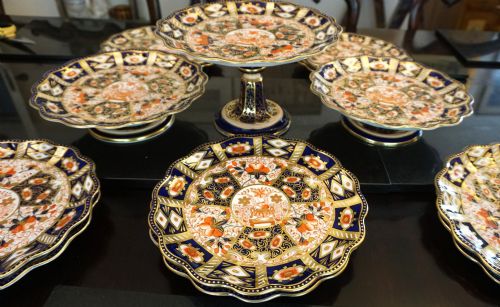
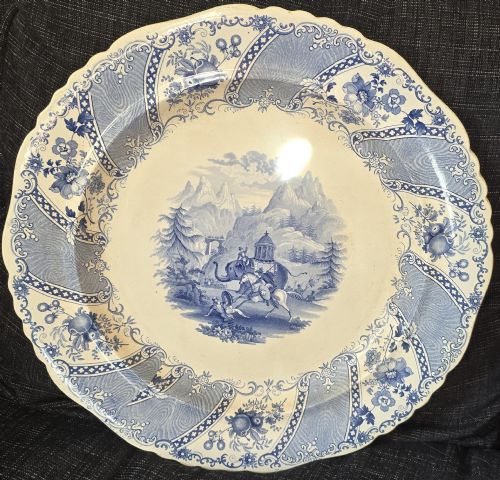
When you handle a victorian display plate, you hold a piece of nineteenth-century decorative ambition designed for the wall, cabinet, or sideboard.
Victorian Display Plate
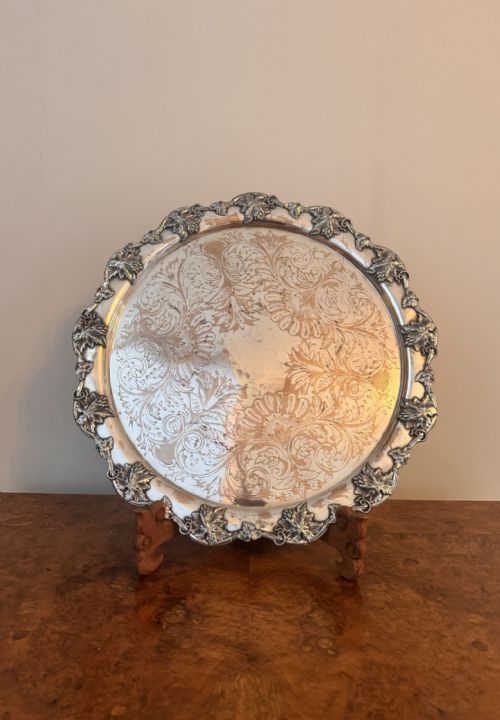
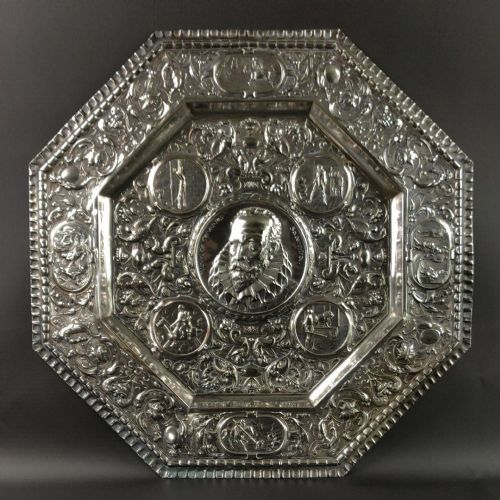
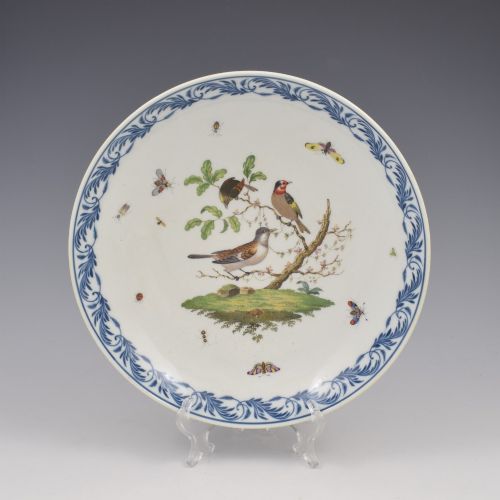
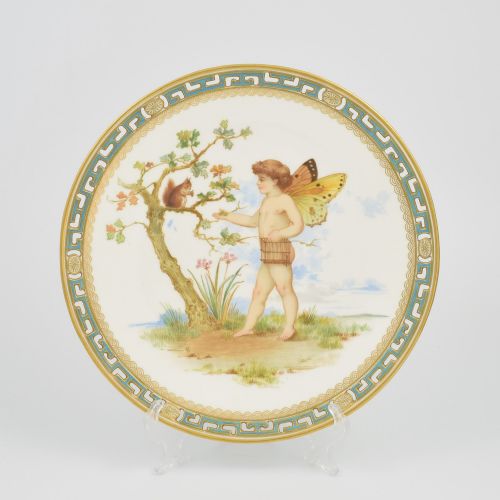
The selections range from topographical porcelain views and mythological scenes to armorial pieces bearing family crests. They appear in porcelain, earthenware, and silver plate, reflecting the period's diverse manufacturing centres across England, continental Europe, and beyond.
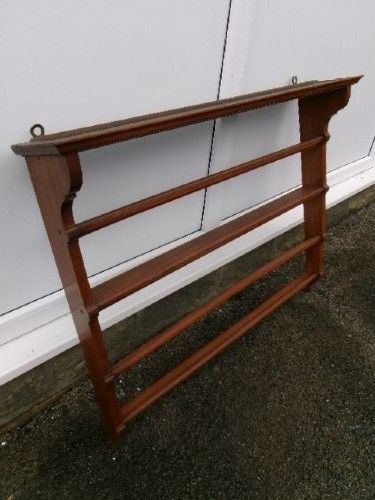
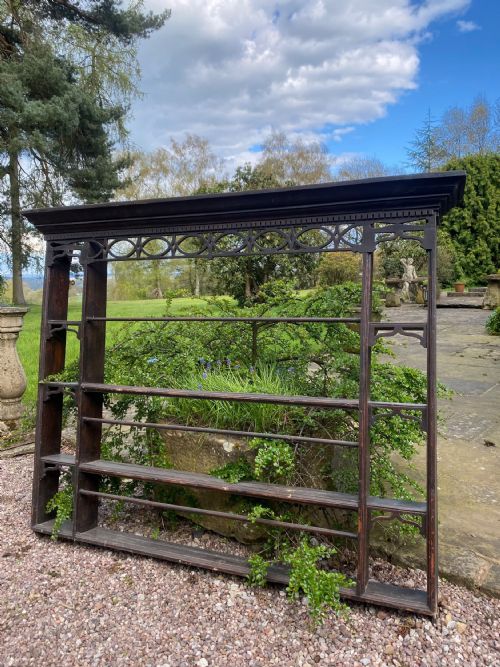
Beyond individual plates, the evidence reveals related display furniture such as oak dressers, hanging shelves, and plate racks designed specifically to exhibit these decorative wares. These vessels and their mountings formed an integral part of nineteenth-century domestic interior arrangement.
How they were made
Makers utilised fine porcelain, earthenware, and ironstone as grounds, applying hand-painted pigments, enamel work, and intricate transfer printing. Gilt highlights, gold leaf, and pierced reticulation added texture and visual depth to the rim and cavetto.
Metal alternatives relied on repoussé techniques, silver plating over bronze or base metals, and brass casting to create heavy chargers and tazze. Glazing methods varied from clear lead glazes to rich coloured grounds that unified the painted reserves.
Victorian Display Plate Retail Price Guide 2026
Typical asking prices for victorian display plate among the pieces listed under this phrase on Sellingantiques today, from the lower quarter to the upper quarter. They describe what is for sale here now, not the wider market.
One green man oak dresser watches over the room with leafy eyebrows.
What varies in quality
The standard of painting separates standard factory output from master work, particularly in the precision of portraiture, ornithological detail, and armorial heraldry. Hand-painted panels by named artists command greater interest than standard transfer-printed decoration.
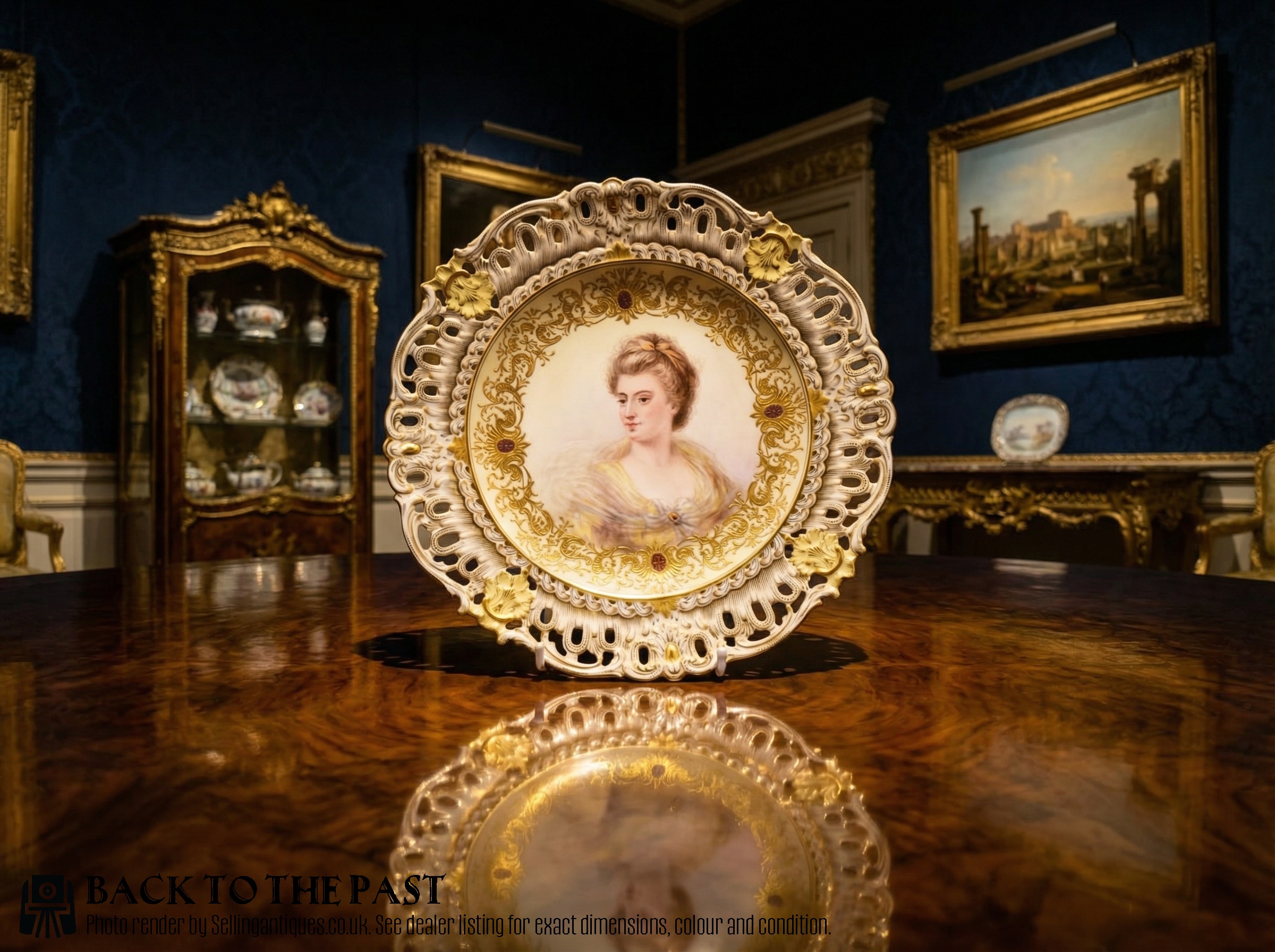
Material selection and embellishment also drive distinction, with heavy gilding, pierced porcelain reticulation, and superior potting setting finer cabinet pieces apart from everyday table wares. The depth and crispness of repoussé metalwork define the best chargers.
Royal Crown Derby·Meissen·Minton·Royal Doulton·Copeland·Aynsley·John Ridgway·Coalport·Royal Vienna·Kornilov Brothers
The Victorian Display Plate Glossary
- Cabinet plate
- A decorative ceramic plate intended for display in a cabinet or on a wall rather than for use at the table.
- Charger
- A large decorative plate or dish, often placed below other courses or hung as a focal point on a wall.
- Repoussé
- A metalworking technique where the metal is hammered from the reverse side to form a raised design in relief.
- Reticulation
- An openwork or pierced lattice design executed in the ceramic body before firing.
- Armorial
- Bearing a coat of arms or family crest, frequently commissioned by landed families during the nineteenth century.
Victorian Display Plate: Frequently Asked Questions
Were victorian display plates used for food?
Most pieces classed as cabinet plates or decorative chargers were made strictly for visual display in parlours and drawing rooms. Their delicate enamel painting and extensive gilding made them impractical for daily dining.
Some dessert services included plates intended for fruit or sweet courses, but many surviving examples show little wear, indicating they spent their lives on wall brackets or inside glass-fronted cabinets.
How do I hang a heavy charger?
Heavy ceramic and metal chargers require secure wall mounting using coated spring-loaded plate hangers that distribute weight evenly across the rim. Ensure the fixing anchor engages directly with solid wall structure rather than plaster alone.
For exceptionally heavy silver-plated or bronze pieces, consider specialised display ledges or brackets that support the base entirely.
What does an armorial crest mean on a plate?
Armorial plates feature painted or gilded coats of arms belonging to specific families, often commissioned to mark marriages, lineages, or estate inventories. These pieces represent a personalised form of nineteenth-century display.
Identifying the motto or crest allows collectors to trace the piece back to specific aristocratic or gentry households of the period.
How do I tell aesthetic movement pieces apart?
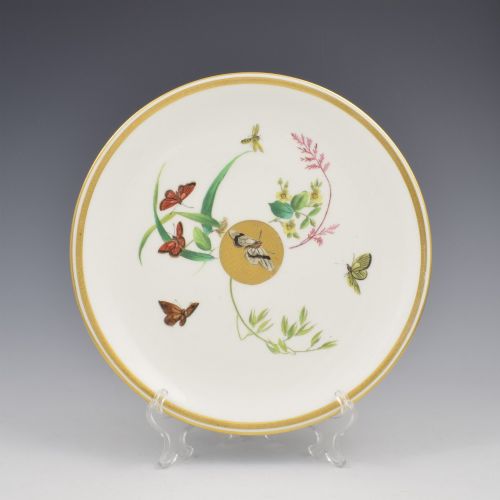
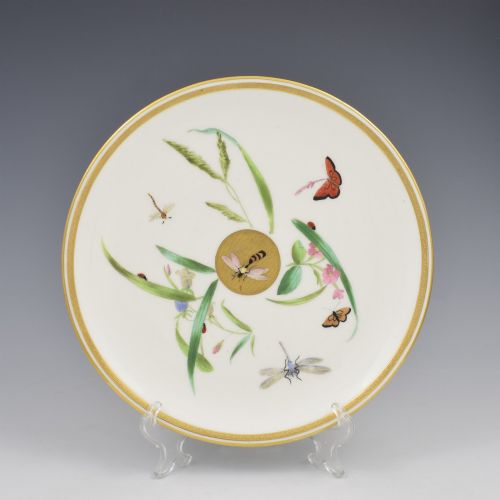
Aesthetic movement ceramics from the late nineteenth century often show Japanese influence, featuring asymmetrical compositions, sun motifs, insects, and fans. Manufacturers like Minton embraced these flattened perspectives and muted natural tones.
Traditional Victorian pieces typically retained symmetrical floral arrangements, heavy gilding, and European classical revival motifs.