


Victorian Desktop Collectors Cabinet
These Victorian desktop collectors cabinet pieces offer compact storage for small treasures, combining fine cabinetry with practical table-top utility.
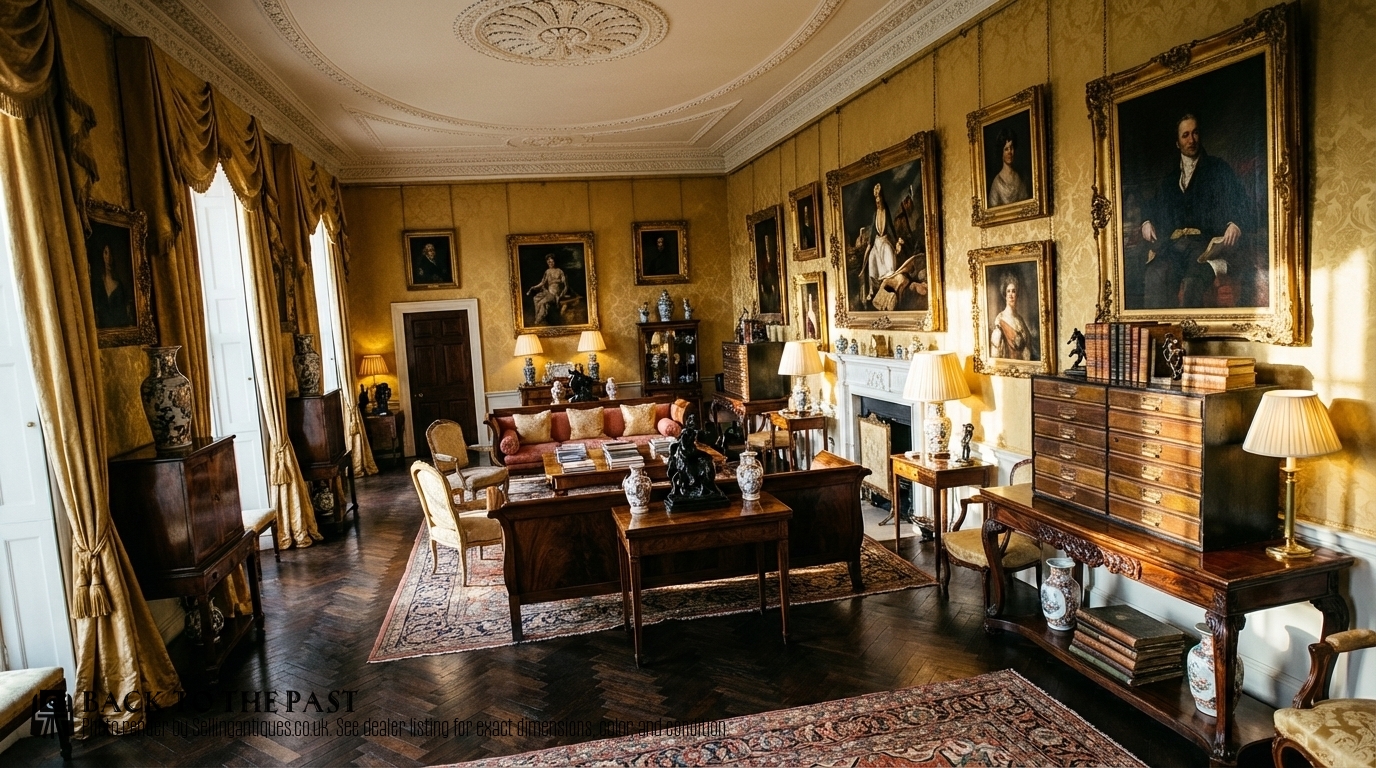
Victorian Desktop Collectors Cabinet
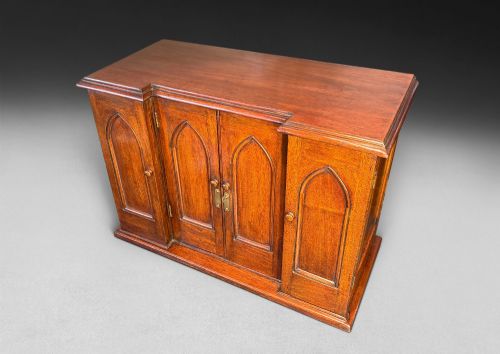
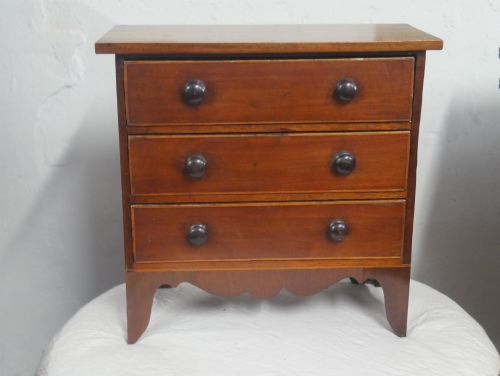
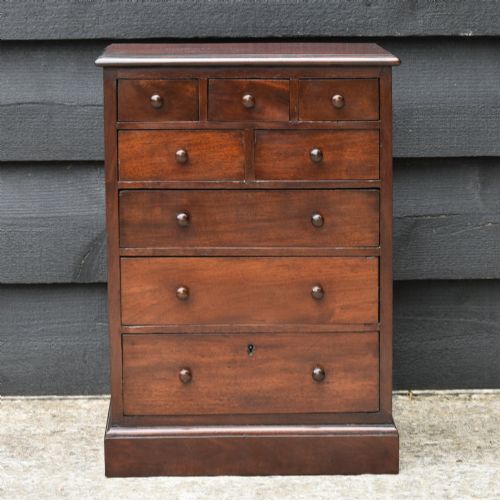
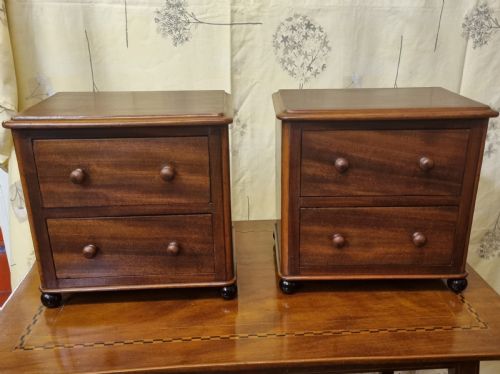
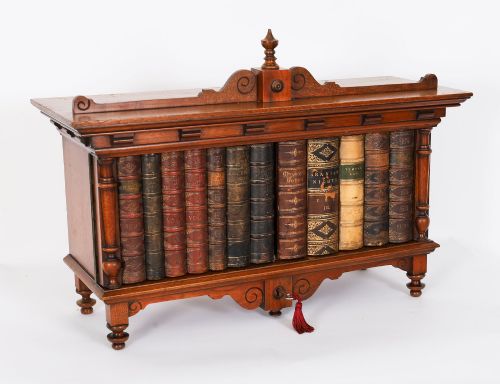
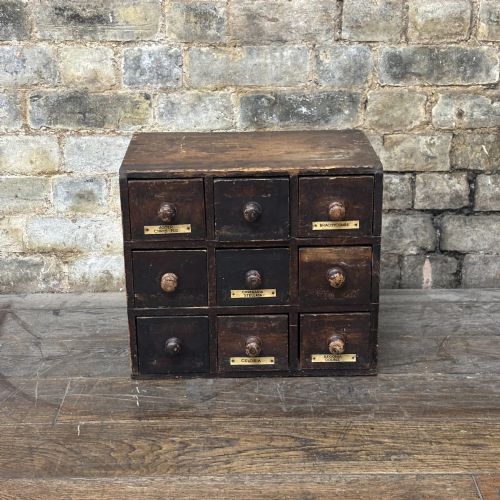
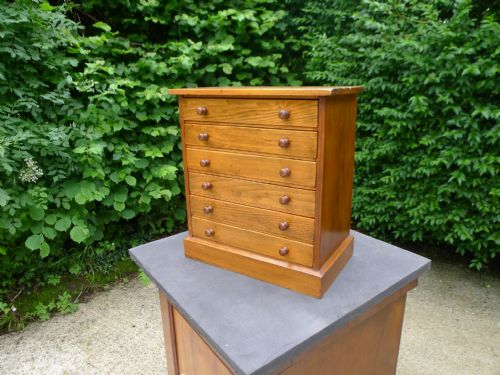
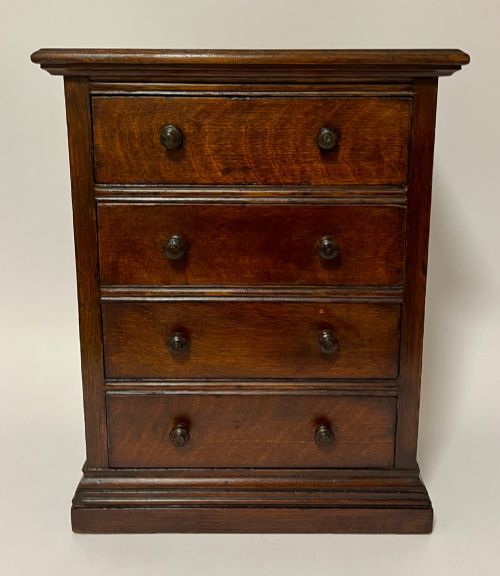
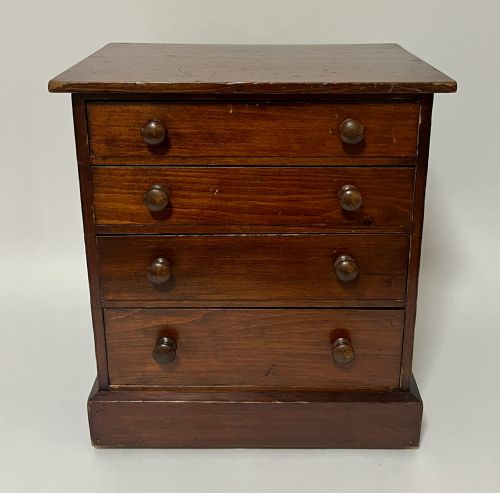
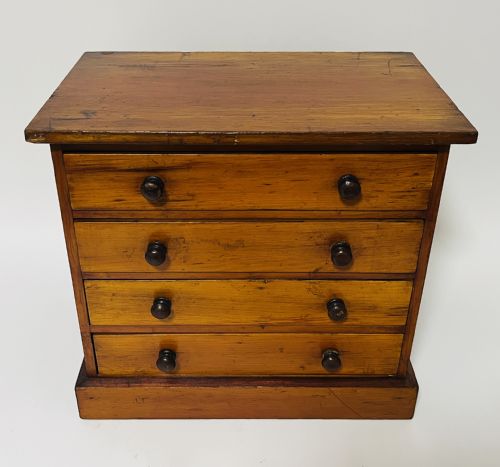
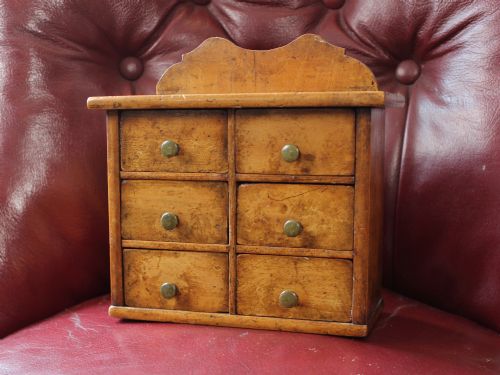
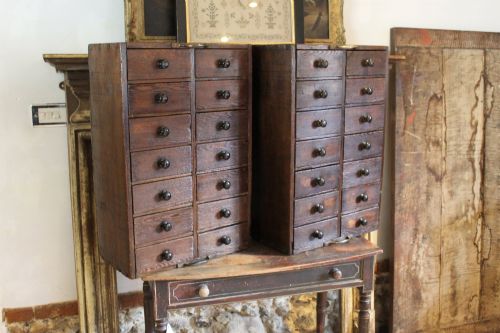
A victorian desktop collectors cabinet brings orderly storage to small spaces through multi-drawer forms designed for the tabletop. These pieces range from miniature chests of drawers to specialised specimen and watchmaker cases.
The material palette spans dense hardwoods like mahogany, walnut, and oak alongside utilitarian pine and exotic palmwood. Cabinetry styles vary from restrained Georgian and Victorian designs to decorative Gothic Revival and Arts & Crafts interpretations.
Most examples date across the nineteenth century and into the early twentieth century, serving originally to house natural history specimens, coins, or jeweler's stock.
How They Were Made
Cabinet makers utilised solid and veneered timbers such as burr walnut, mahogany, and oak, often mounting these pieces with brass handles, locks, and hinges. Internal drawer construction relied on traditional joinery to hold small compartments steady.
Surfaces received careful finishing through polishing and inlay work, setting off natural wood grains like satinwood or burr walnut against ebonised mouldings.
A pair of small oak cabinets was built directly from timber salvaged from HMS Osborne.
What Varies in Quality
The caliber of a victorian desktop collectors cabinet rests on the selection of timber veneers, such as figured burr walnut or rich mahogany, matched across the drawer fronts. Finer construction shows in the precision of the small drawer dovetails and the inclusion of original brass hardware and working locks.
Design ambition distinguishes standard workshop items from exceptional pieces, with carved details, inlaid banding, and specialised internal configurations elevating the overall presence of the cabinet.
D Napier & Sons·Manoah Rhodes & Sons Ltd
The Victorian Desktop Collectors Cabinet Glossary
- Apprentice piece
- A small-scale item demonstrating the skill required for a craftsman to join a trade guild. These display the same cabinet-making techniques seen in full-size furniture.
- Specimen cabinet
- A specialised storage unit containing shallow drawers designed for holding natural history samples, fossils, or insects. The interiors often remain unlined to protect delicate items.
- Wellington chest
- A tall, narrow chest of drawers secured by a hinged locking stile on one vertical edge. This locking bar fastens over the drawer edges to secure the entire stack.
- Burr walnut
- Timber taken from a tree growth or burl, yielding a swirling, highly figured grain pattern. Cabinet makers valued this wood for decorative drawer fronts and top panels.
- Humidor
- A lined storage box designed to maintain humidity for cigars. Examples finished in fine timbers double as decorative tabletop cabinets.
Victorian Desktop Collectors Cabinet: Frequently Asked Questions
What were collectors cabinets used for originally?
These cabinets served to organise and protect specialised items such as coins, shells, insects, and geological specimens. Naturalists and hobbyists relied on the shallow drawers to classify their personal collections.
Over time, similar tabletop formats were adopted by watchmakers, jewelers, and florists for storing components and seed packets securely.
How do I identify a Victorian desktop collectors cabinet?
Look for proportions scaled for a table or desk, featuring multiple small drawers arranged behind a locking door or standalone chest frame. Materials typically include period hardwoods like mahogany, walnut, and oak.
Interior layouts often reveal dust lips on the drawer frames and small brass pulls characteristic of nineteenth-century desk furniture.
Are apprentice chests the same as miniature furniture?
Apprentice chests represent pieces created by tradesmen to prove their proficiency in woodworking techniques. Miniature furniture covers any small-scale chest or cabinet built for display or tabletop utility.
While construction quality overlaps significantly, designated apprentice pieces carry a specific tradition of journeyman craftsmanship.
Where should I place a table cabinet at home?
These compact cabinets suit placement on sturdy sideboards, desks, or tabletops where the drawers remain easily accessible. Their finished backs and compact footprints allow for flexible placement in studies or living rooms.
Ensure the surface supports the weight of hardwood cabinetry and avoid direct sunlight to protect timber finishes.