
Victorian Desk Light
When you seek a victorian desk light, you uncover heavy brass columns, converted oil burners and adjustable reading lamps designed to illuminate historic writing spaces.
Victorian Desk Light
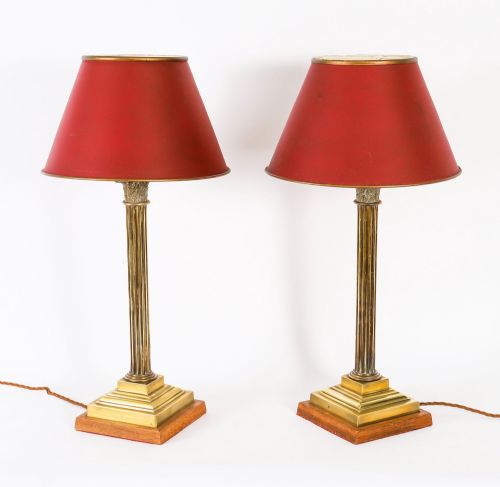
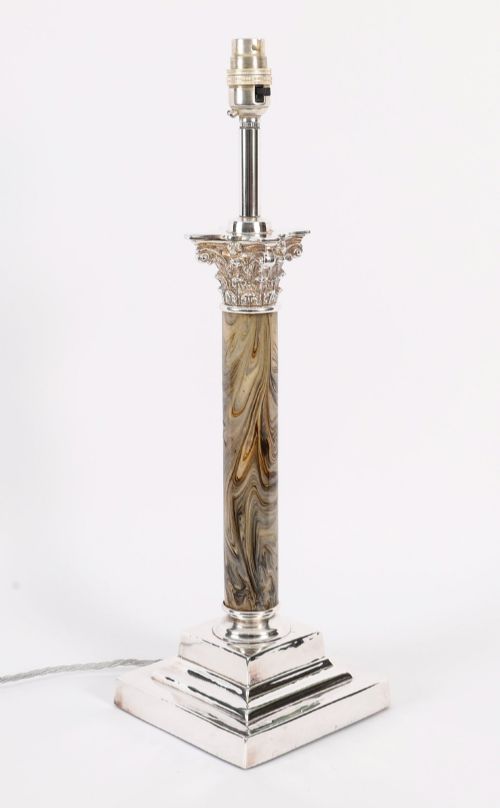
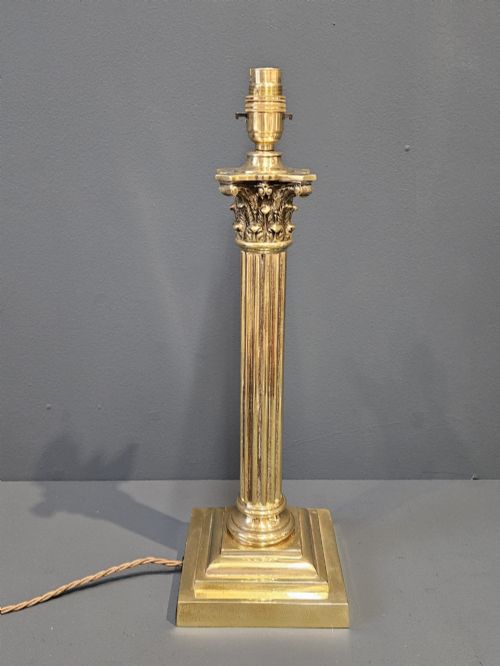
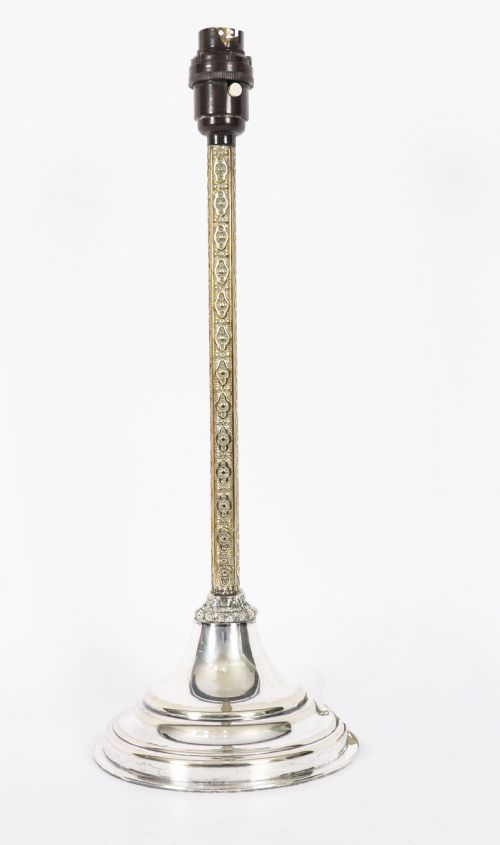
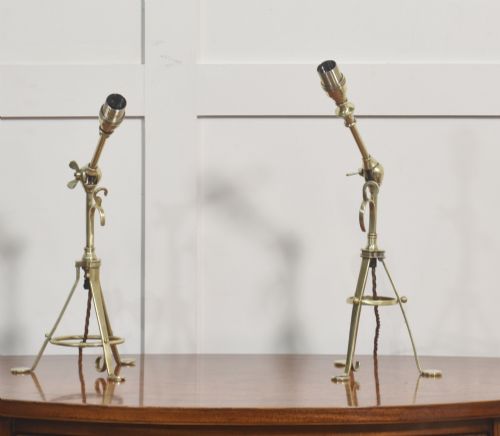
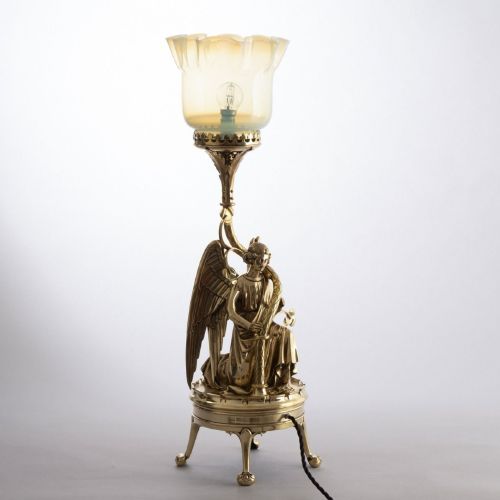
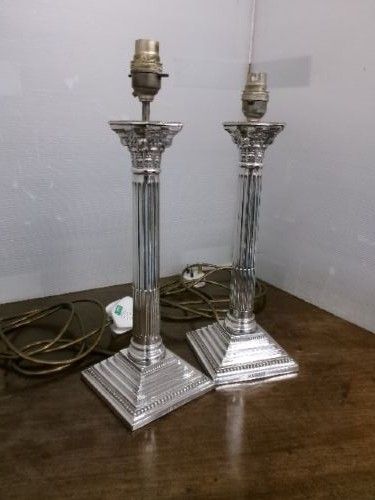
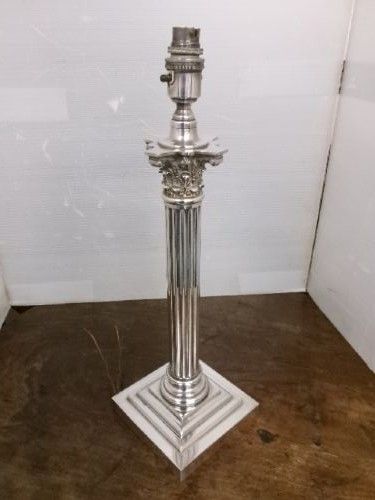
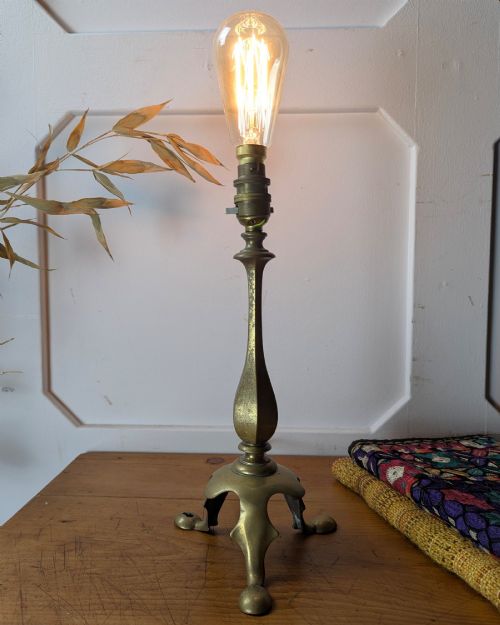
A victorian desk light encompasses sturdy metal table lamps, converted oil lamps and adjustable reading fixtures originating predominantly from the nineteenth century. Buyers encounter classic Corinthian column designs in brass and silver plate alongside occasional Gothic Revival brass pieces and utilitarian student lamps.
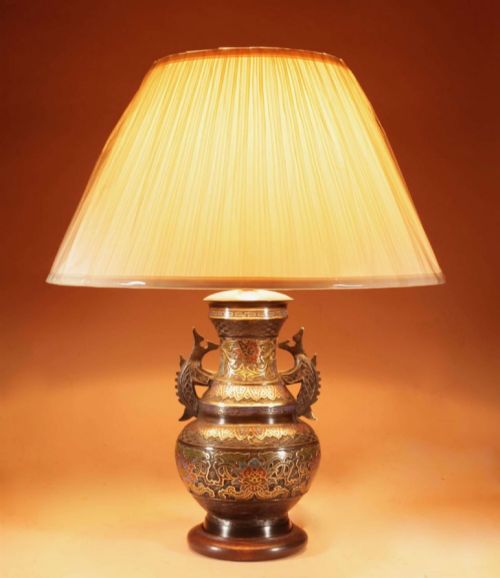
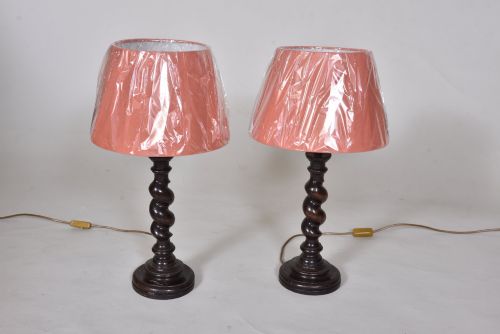
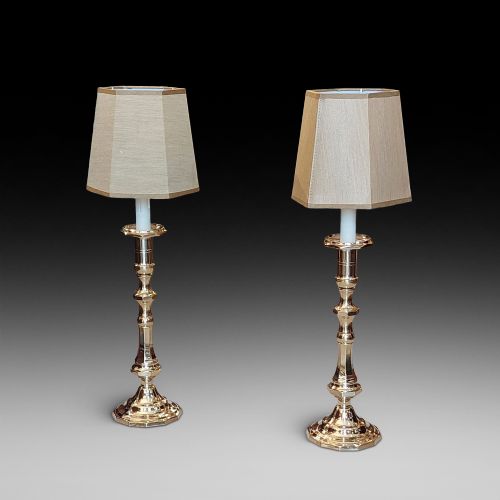
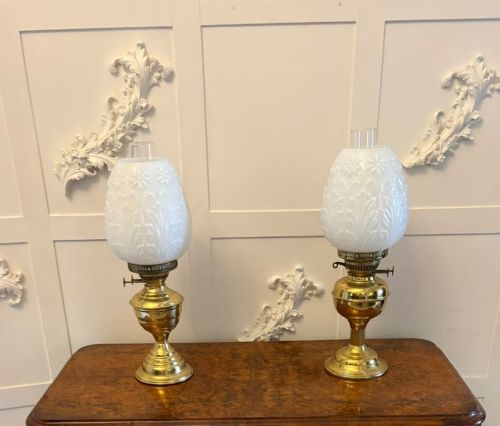
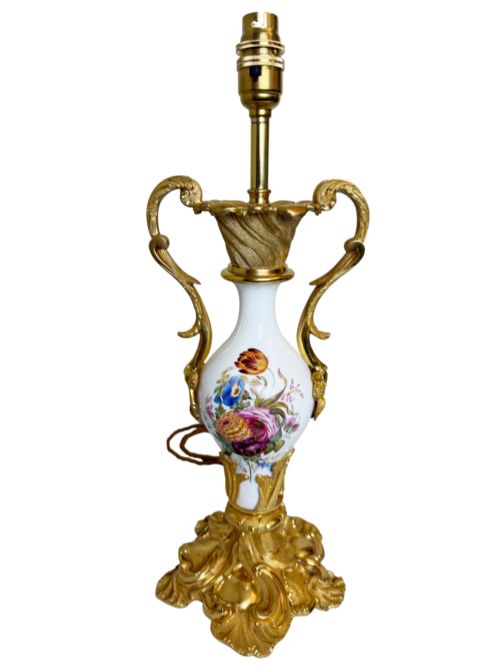
The selection ranges from simple turned timber lamp bases and heavy brass pillars to elaborate porcelain vessels mounted with gilt bronze trim. Many examples began life as oil lamps or candlesticks before undergoing later conversion to electricity.
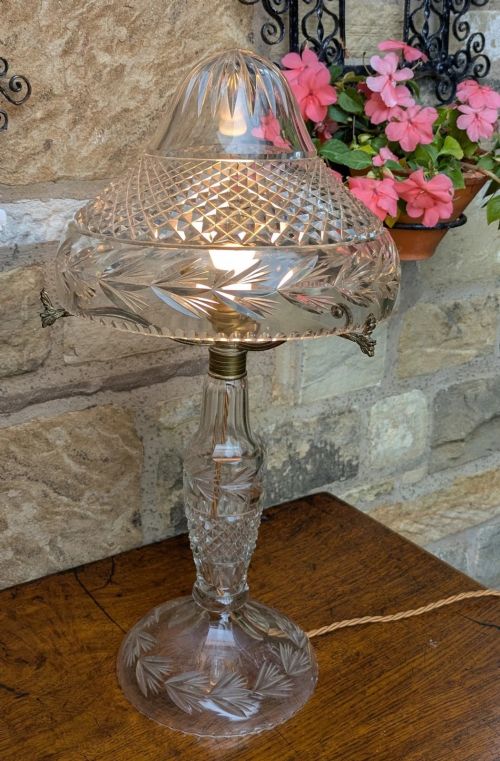
The materials span polished brass, silver plate, cast iron, and rich hardwoods like oak and walnut, often paired with glass shades in opaline or vaseline finishes. These functional objects brought focused illumination to partner desks, writing tables and study spaces.
How they were made
Maker's workshops relied heavily on cast brass, spun metal and silver plating over base metals to construct durable columns and weighted bases. Artisans turned timber components from oak, satin birch and lignum vitae on lathes, achieving dense, solid structures capable of supporting heavy glass shades.
Decorative detailing involved intricate chasing, parcel gilding and ormolu mounts, frequently drawing on classical Corinthian or Gothic Revival motifs. Glass elements, including opaline and vaseline shades, were blown and moulded by hand, resulting in subtle variations in thickness and colour.
An unusually studious nineteenth-century brass student lamp arrives complete with its original built-in writing implements for midnight letter-writing.
What varies in quality
Quality rests upon the crispness of the metal casting, the weight of the base and the integrity of the original surface plating. Superior pieces display deep, sharp fluting on column shafts, solid brass components rather than thin pressed sheet metal, and well-executed joinery on timber elements.
The presence of maker marks, patent stamps or high-grade secondary materials like tortoiseshell and fine porcelain elevates a piece. Workshop execution dictates whether a conversion reads as an integrated adaptation or a clumsy modification.
W.A.S. Benson·Mappin & Webb·Richard Hodd and Son·Mc Gary
The Victorian Desk Light Glossary
- Corinthian column
- A classical architectural column form featuring ornate acanthus leaf capitals, frequently utilised for Victorian lamp standards.
- Opaline glass
- An opaque, milky-white glass popular for Victorian lamp shades that diffuses light evenly across a writing surface.
- Vaseline glass
- A yellow-green glass containing uranium dioxide that glows under ultraviolet light, seen on decorative nineteenth-century lamps.
- Student lamp
- A utilitarian adjustable lamp design with a side-mounted oil reservoir, built to cast direct light onto paperwork or books.
- Ormolu
- Finely chased and gilt bronze mounts applied to decorative bases and ceramic bodies for ornamental enrichment.
Victorian Desk Light: Frequently Asked Questions
Are these lamps safe for modern electrical use?
Most antique lamps require rewiring by a qualified electrician to meet modern safety standards before regular daily use.
Original brass and metal bodies typically retain their structural integrity, allowing internal wiring to be updated safely.
How do I identify a converted oil lamp?
Converted pieces often retain original burner mechanisms, filler caps or threaded collars adapted to house modern lamp holders.
Inspect the upper stem where the glass font or burner once sat to see how the electrical cord passes through the body.
What is the difference between a student lamp and a column lamp?
Student lamps feature an asymmetric arm and off-centre font designed to swing light across a specific workspace.
Column lamps utilise a central vertical shaft modelled on classical architecture, providing balanced ambient or task illumination.
How should I clean historic brass lamp bases?
Dust gently with a dry microfiber cloth to preserve the accumulated patina developed over more than a century.
Avoid harsh chemical metal polishes that strip away age-related toning and damage delicate surface finishes.