

Victorian Decorative Box
A victorian decorative box gathers personal treasures and domestic paraphernalia, bringing the craftsmanship of the nineteenth century into modern rooms with functional elegance.
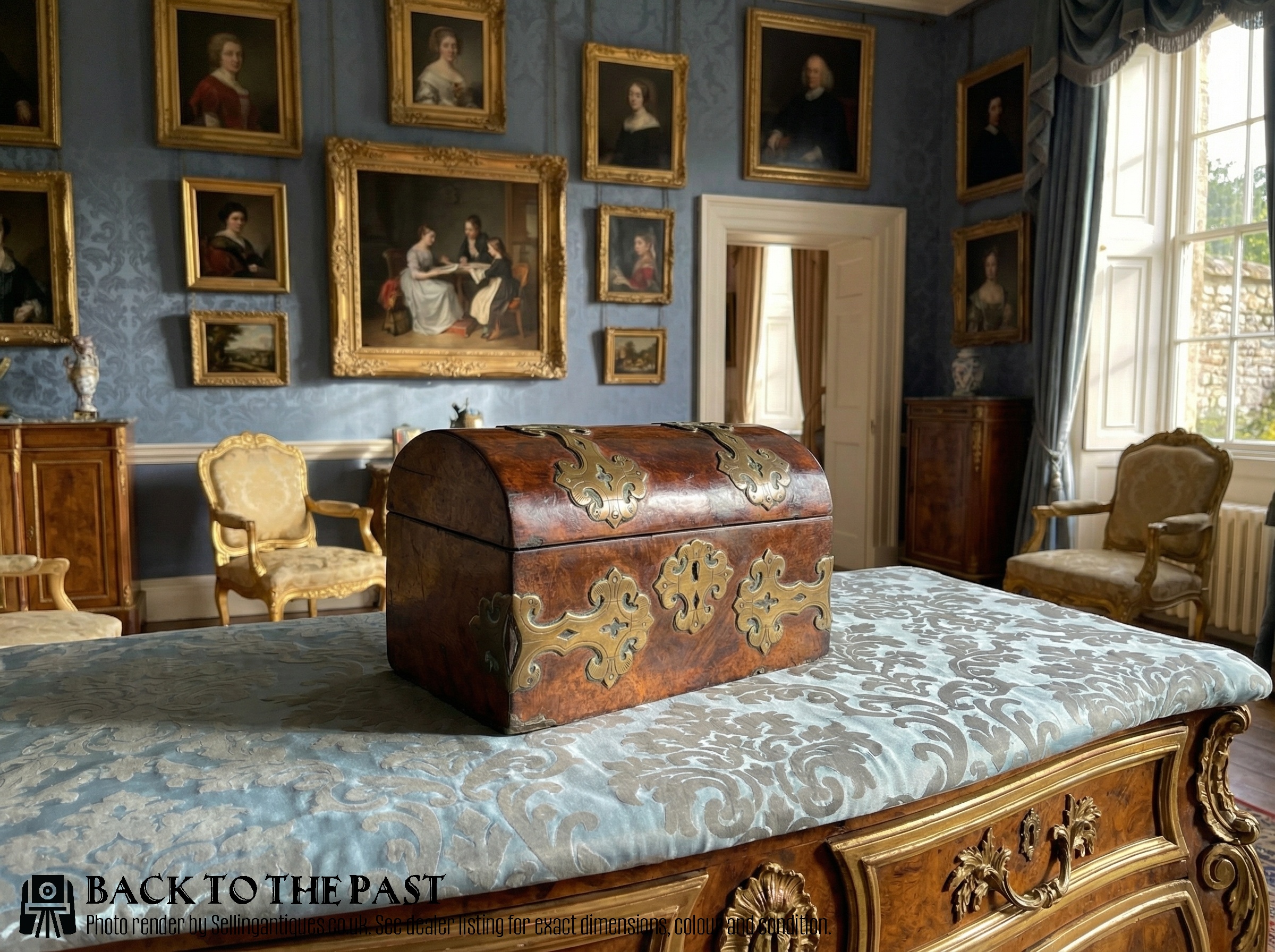
Victorian Decorative Box
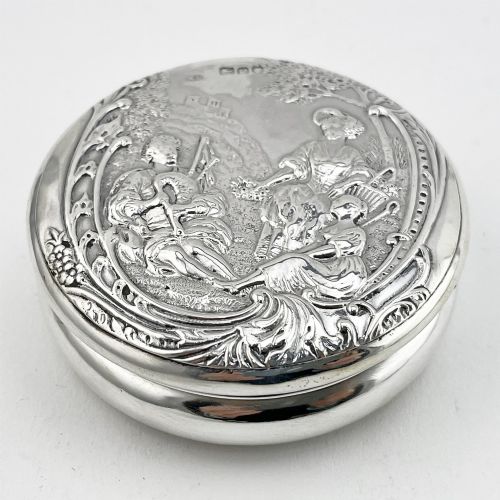
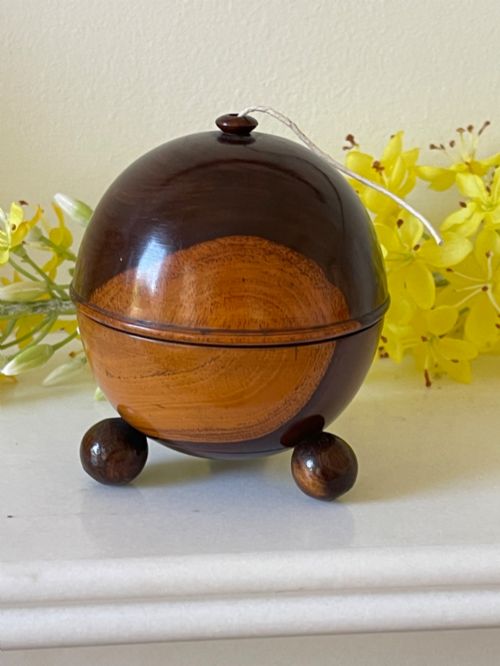
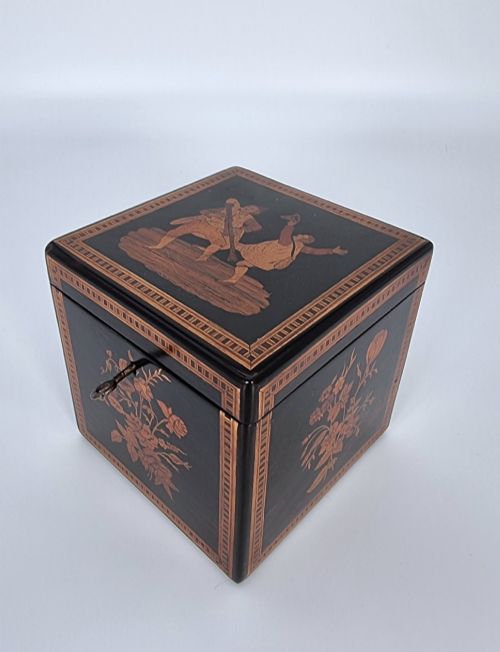
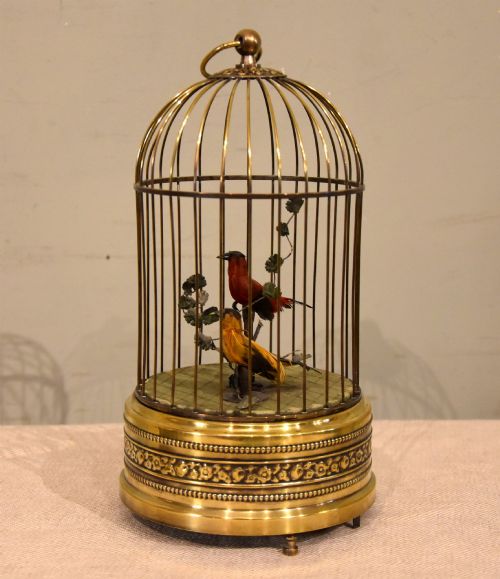
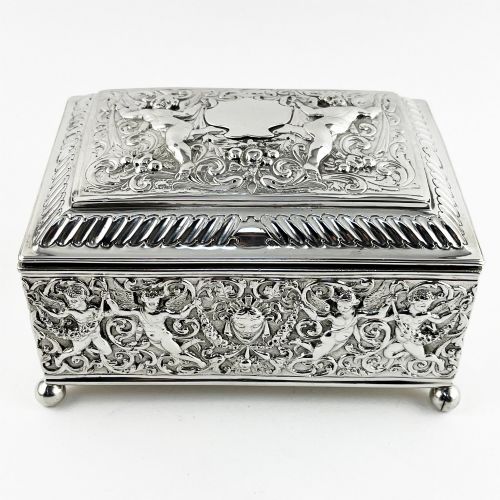
A victorian decorative box encompasses a wide variety of domestic containers, including tea caddies, jewellery caskets, stationery boxes, and small keepsake chests originating from the nineteenth century. These objects served specific everyday functions in period homes, from storing dry tea leaves to holding correspondence and personal ornaments.
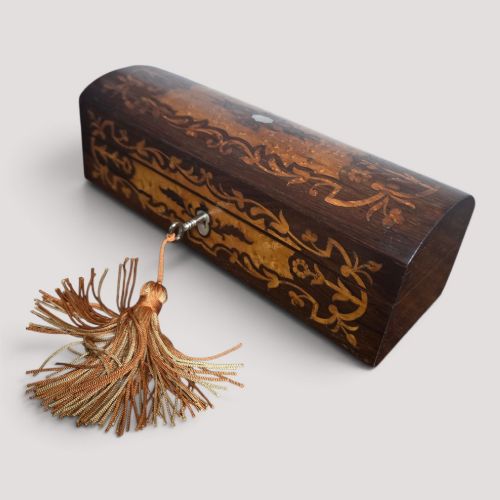
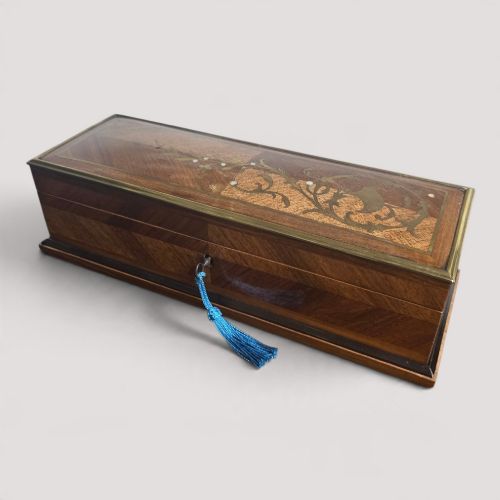
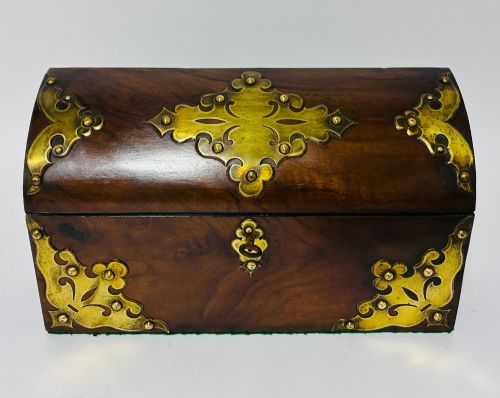
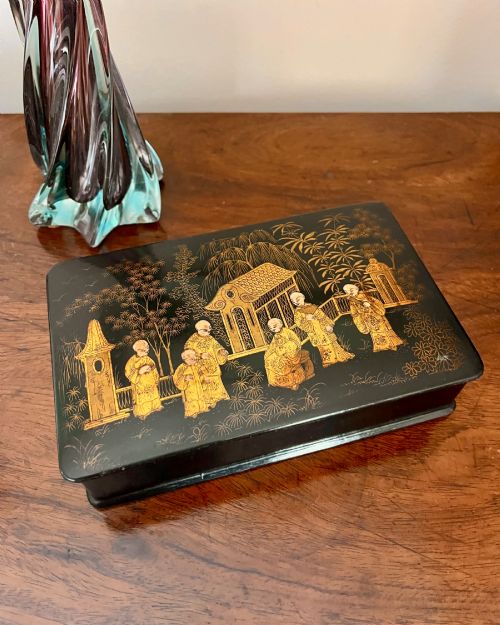
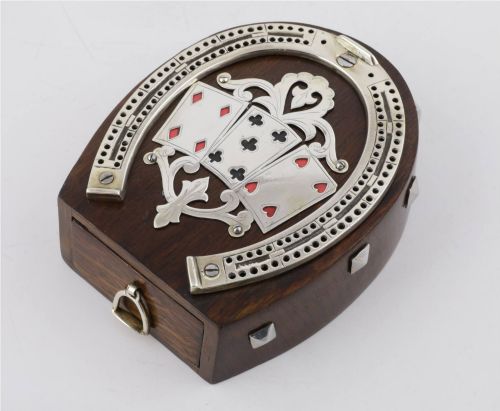
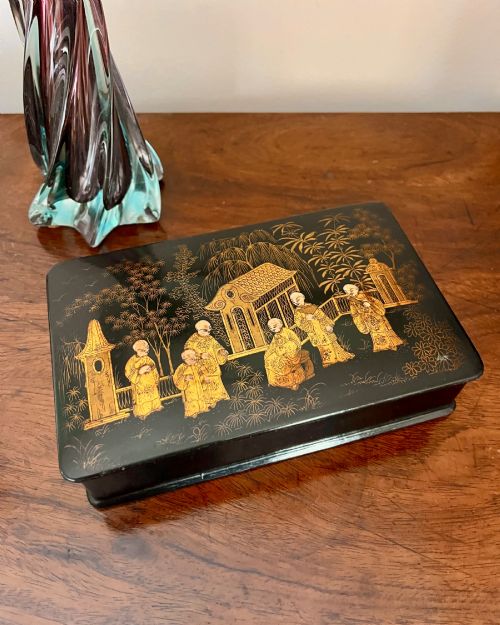
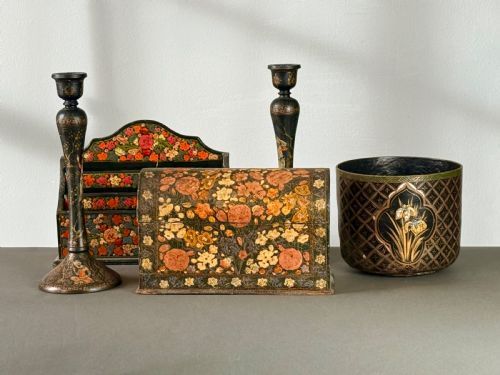
The selections available range from English papier-mâché needlework caskets and walnut writing desks to continental porcelain caskets and intricate French Boulle pieces. Buyers frequently encounter wooden variations featuring parquetry, mother-of-pearl inlay, and brass mounts alongside lacquerwork influenced by Chinoiserie and Japanese styles.
Many examples date from the mid to late nineteenth century, reflecting the expansive material culture and trade connections of the Victorian era. Whether designed as a portable vanity case, a desktop stationery tidy, or a small trinket box, each piece demonstrates the period's dedication to ornamental utility.
Materials and Technique
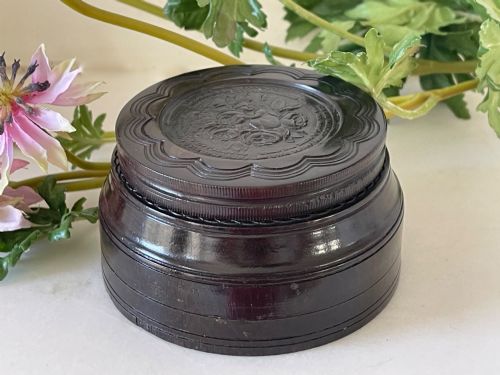
Alternative mediums such as papier-mâché, lacquer, and ceramics offered surfaces for elaborate painted scenes, gilding, and japanning. Skilled metalworkers cast bronze, silver-plate, and solid silver components to form hinges, escutcheons, and decorative mounts that secured and embellished the containers.
Victorian Decorative Box Retail Price Guide 2026
Typical asking prices for victorian decorative box among the pieces listed under this phrase on Sellingantiques today, from the lower quarter to the upper quarter. They describe what is for sale here now, not the wider market.
Markers of Distinction
The distinction between standard production items and exceptional pieces rests upon the precision of the joinery, the integration of decorative inlays, and the integrity of the materials. Superior examples display tightly fitted internal trays, unwarped lids, and harmonious material combinations that have aged gracefully together.
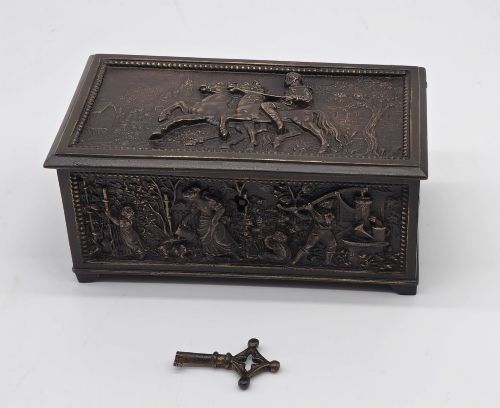
Artisanal execution in surface decoration separates mass-market items from masterworks, evident in the depth of hand-carving on wood or bone, the clarity of lacquered scenes, and the weight of cast metal mounts. Preserved interior linings, functional original locks with working keys, and minimal structural alteration further elevate a piece within its category.
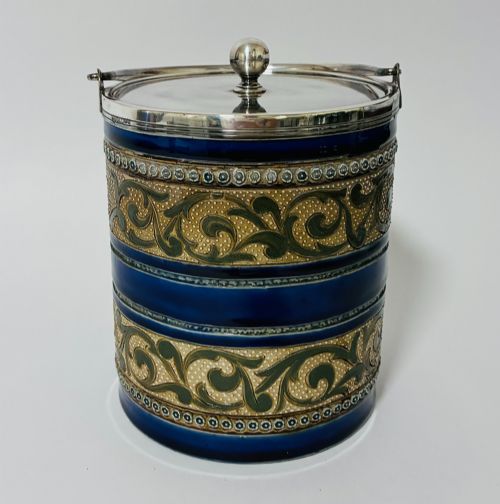
Tahan of Paris·Doulton Lambeth
The Victorian Decorative Box Glossary
- Parquetry
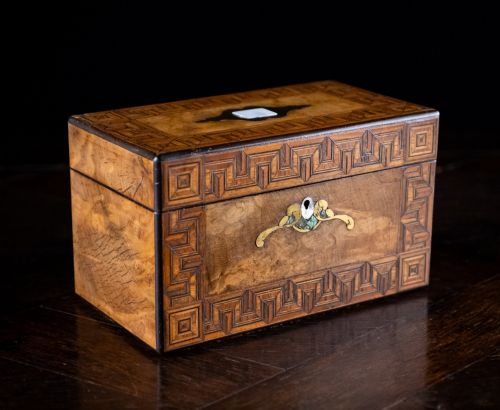
- Geometric wood mosaic work formed by small veneer tiles arranged in repeating patterns. This technique frequently covers the lids and sides of nineteenth-century tea caddies and gaming boards.
- Papier-mâché
- A composite material made from paper pulp or layers of paper mixed with glue, then moulded and lacquered. It provided a smooth surface for hand-painted Chinoiserie designs and mother-of-pearl inlay on Victorian stationery boxes.
- Tea Caddy
- A container designed specifically for storing dry tea leaves securely away from moisture and air. In the nineteenth century, these boxes often featured internal compartments and fitted glass or wooden mixing bowls.
- Boulle
- An elaborate form of marquetry developed in France, utilising tortoiseshell and brass inlaid together in contrasting patterns. Pieces employing this technique are typically associated with luxury nineteenth-century French decorative boxes.
- Tunbridge Ware
- A distinct style of woodworking originating from Kent, characterised by mosaics made from thousands of tiny tinted wood blocks. These decorative veneers create intricate pictorial or geometric motifs on small boxes and desk accessories.
Victorian Decorative Box: Frequently Asked Questions
What were tea caddies used for?
Tea caddies served as secure storage containers for precious tea leaves during a period when tea was an expensive commodity.
They frequently included internal lidded compartments to keep different varieties separated and protected.
How do I care for a wooden box?
Keep wooden boxes away from direct sunlight and fluctuating radiator heat to prevent the natural timber and veneers from drying out or splitting.
Apply a microcrystalline wax sparingly to maintain the finish without harming antique patination.
Are papier-mâché boxes fragile?
Papier-mâché possesses surprising resilience due to its layered construction, but it remains vulnerable to moisture and sharp impacts.
Handle these pieces with dry hands and store them in stable environmental conditions to preserve the delicate lacquer surface.
How are different periods identified?
Dating relies on observing material choices, hardware styles, construction methods, and prevailing decorative motifs such as Gothic Revival or Arts and Crafts.
Matching these physical traits against documented nineteenth-century manufacturing shifts helps narrow the era of production.