




Victorian Crystal Pitcher
When you search for a victorian crystal pitcher, you are looking at heavy, glittering vessels made for serving wine and water.
Victorian Crystal Pitcher
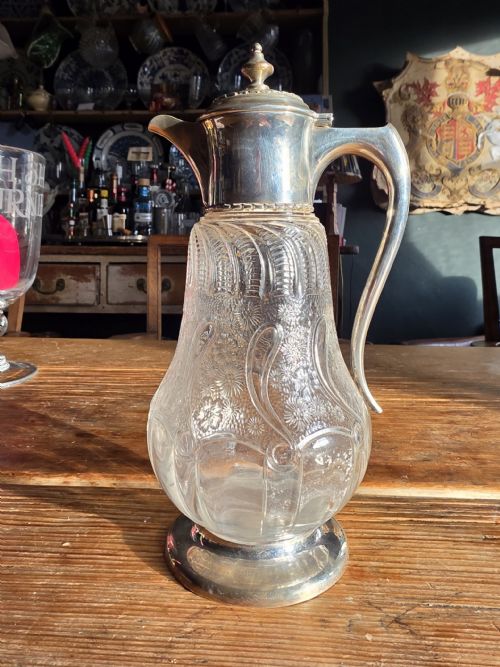
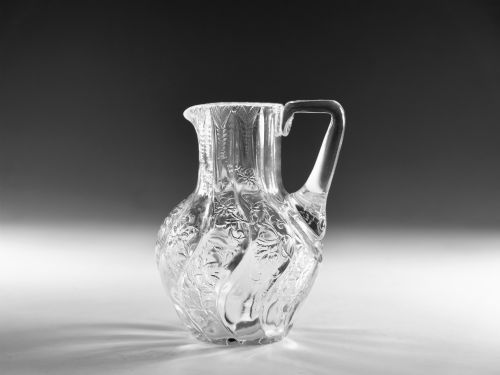
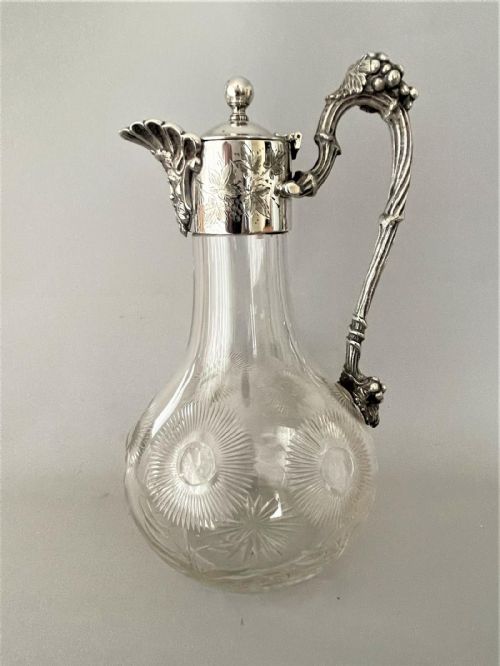
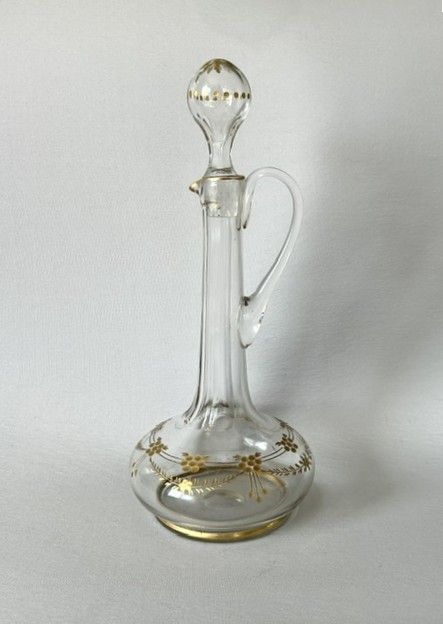
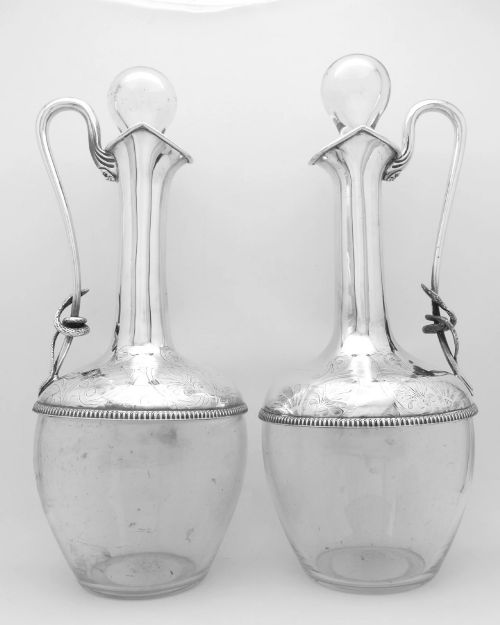
A victorian crystal pitcher often takes the form of a claret jug, wine ewer, or decanter designed for the formal dining table. These pieces span the Victorian and Edwardian periods, stretching from the mid-nineteenth century into the early twentieth century.
The selections you encounter include English and continental European pieces, featuring work from makers associated with Stourbridge, Birmingham, and London. Forms range from simple carafes to elaborate novelty designs mounted with metalwork.
Materials and construction
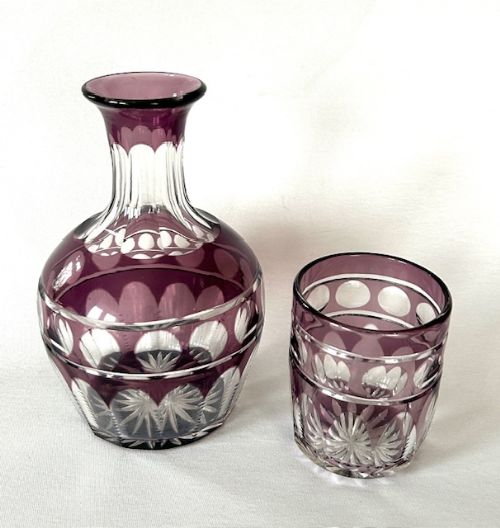
The bodies combine clear, coloured, or lead crystal glass with mounts of sterling silver or silver plate. Craftsmen shaped the glass through blowing and moulding before applying wheel-engraving or deep cutting.
Metal mounts incorporate hinged lids, spouts, and handles secured firmly to the glass necks. Techniques such as gilding, etching, and latticinio threadwork appear across the examples.
Listings feature lead crystal, sterling silver, and silver plate across periods spanning from the mid-nineteenth century to the Edwardian era.
Judging quality and craftsmanship
Quality rests on the depth and crispness of the glass cutting, the weight of the lead crystal, and the substance of the silver or silver-plated mounts. Superior pieces display precise wheel-engraving, such as naturalistic vines or heraldic motifs, rather than shallow surface etching.
The harmony between the glass body and the metalwork defines the success of the piece. Well-balanced handles, tightly sealed hinged lids, and robust mounts separate standard production items from finer workshop output.
Asprey and Co. Ltd·Stevens and Williams·Richardsons·Baccarat·Hukin and Heath
The Victorian Crystal Pitcher Glossary
- Claret jug
- A vessel specifically intended for serving red wine at the table. These typically feature a pouring spout and a hinged metal lid.
- Latticinio
- Fine opaque white or coloured glass threads embedded within clear glass during blowing. This technique creates delicate net or ribbon patterns.
- Ewer
- A large jug with a wide spout and a decorative handle, often utilised as a decorative water pitcher. The form derives from classical pottery shapes.
- Wheel engraving
- A technique where a glass vessel is held against rotating small wheels of stone or copper to grind intricate designs into the surface. It produces deep, matte incisions.
Victorian Crystal Pitcher: Frequently Asked Questions
What is the difference between a claret jug and a decanter?
A claret jug generally incorporates a handle and a hinged metal lid designed for immediate pouring at the table. A decanter typically relies on a glass stopper rather than a mounted lid.
Claret jugs were built specifically for serving wine during the meal, whereas decanters often functioned for both storage and presentation.
How can I tell a Victorian piece from an Edwardian one?
Victorian pieces frequently display heavier ornamentation, deep Rococo revival patterns, or elaborate cut glass motifs. Edwardian examples often lean toward cleaner lines or simpler Arts and Crafts styling.
Assay marks and hallmarks on the silver mounts provide the most reliable dating evidence for pieces produced in Britain.
Were these pitchers used only for wine?
While many were made for claret and dessert wines, similar vessels served water, champagne, and iced beverages. Larger examples functioned as water jugs on sideboards or dining tables.
The presence of ice chambers or specific spout designs often indicates the intended liquid.
How should I clean and care for antique crystal?
Wash these pieces gently by hand using warm water and mild detergent, avoiding sudden temperature changes that can crack old glass. A soft brush helps clean deep wheel-engraved grooves without scratching.
Keep silver mounts polished with appropriate cloth while taking care to prevent cleaning agents from contacting the glass surface.