


Nineteenth Century Ewer
A nineteenth century ewer brings dramatic sculptural form and rich material history to a room.
Nineteenth Century Ewer
A nineteenth century ewer encompasses decorative pouring vessels created in diverse global traditions throughout the 1800s. These pieces range from monumental bronze ritual objects to delicate Venetian glass table service pieces.
The versions most commonly met on this page span Victorian ceramic wares, earthenware sets, and continental bronze castings. Makers utilised varied forms, from traditional pitchers to complex ceremonial vessels.
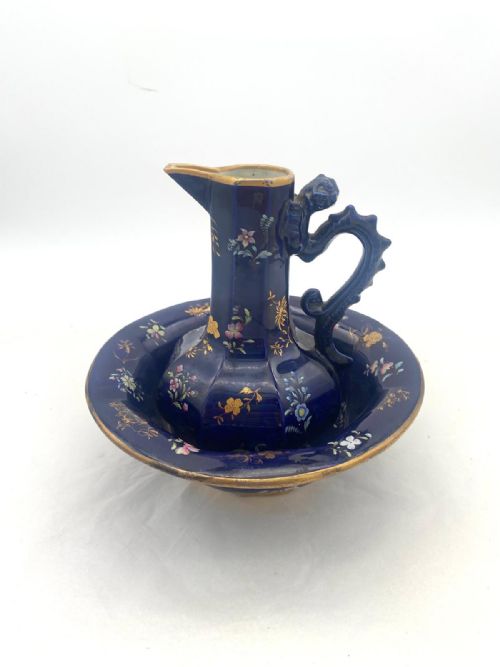
Objects carry the distinct design languages of their origins, including Victorian, Renaissance Revival, and Tibetan Traditional styles. Collectors encounter both utilitarian basin sets and purely decorative display vessels.
Materials and construction methods
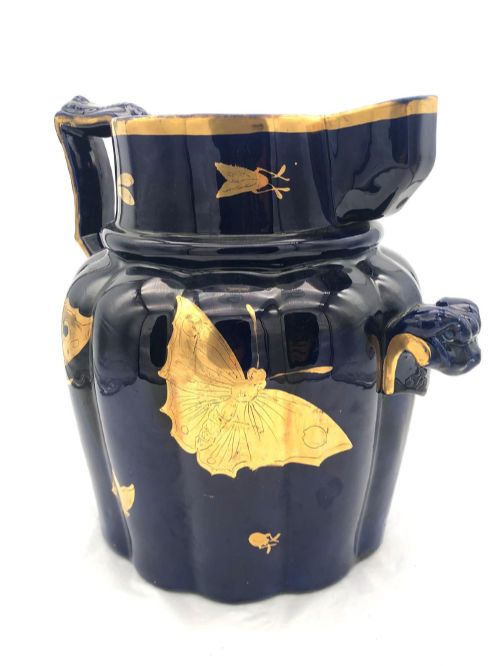
Makers constructed these pieces using ceramics, glass, and metalwork techniques characteristic of the nineteenth century. Ironstone and porcelain bodies were moulded or thrown before receiving hand-applied glazes and polychrome decoration.
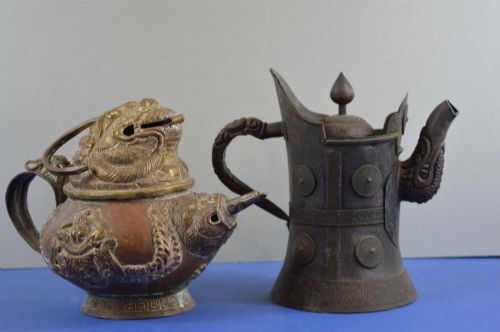
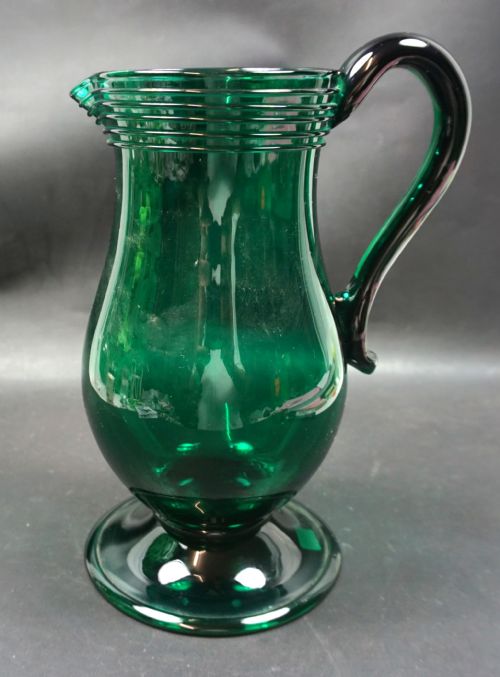
Metal vessels involved bronze casting, often utilising lost-wax techniques to achieve intricate handles and relief decoration. Glass ewers featured free-blown or mould-blown bodies with applied trails and finished rims.
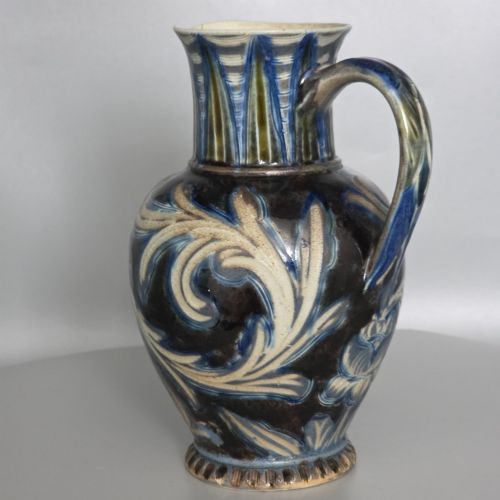
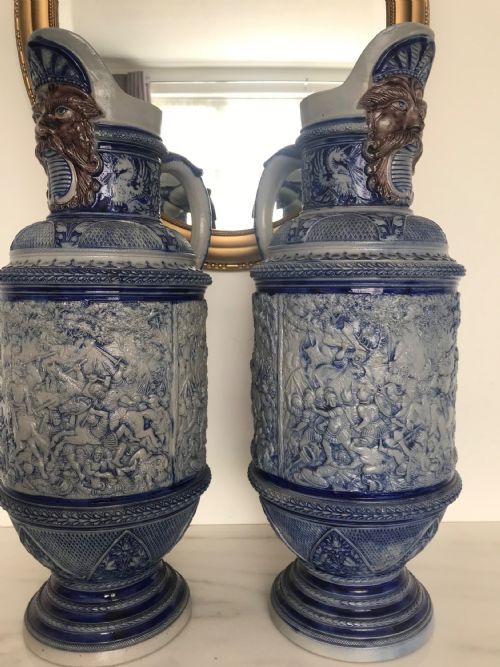
Materials recorded on this page include ironstone, salt-glazed stoneware, gilt bronze, and latticino glass.
Distinguishing quality across examples
Quality reveals itself in the crispness of surface detail and the execution of applied elements like handles and rims. Finely cast bronze examples show sharp chasing, while superior ceramics display precise pattern alignment and unblemished glaze application.
The balance of form and the integration of decorative motifs separate standard production pieces from exceptional works of art. Maker attribution and stamped factory ciphers further elevate the standing of individual examples.
Simon Peter Gerz·Doulton Lambeth·Masons Ironstone
The Nineteenth Century Ewer Glossary
- Ironstone
- A dense, durable type of earthenware patented in the nineteenth century. It provided a sturdy ceramic base for rich enamel painting and gilding.
- Historismus
- A nineteenth century German stylistic movement that revived historical forms and ornamentation. It heavily influenced decorative metalwork and stoneware production.
- Aftaba
- A traditional Indo-Persian long-necked metal ewer used for ritual ablutions. These vessels typically feature distinctive spouts and elaborate handle formations.
- Latticino
- A glassblowing technique involving interwoven threads of opaque white or coloured glass within a transparent body. It creates delicate linear patterns across Victorian table glass.
- Mazarine
- A deep blue ceramic colour or glaze often utilised on nineteenth century ironstone pieces. It provided a rich background for contrasting oriental-inspired patterns.
Nineteenth Century Ewer: Frequently Asked Questions
How were these vessels used?
Many nineteenth century ewers functioned alongside matching basins for personal washing in bedrooms before modern plumbing. Others served ceremonial purposes or remained on display as decorative works of art.
Some glass and ceramic examples operated as claret jugs or water pitchers during formal dining service.
What materials predominate?
Ceramics form a large portion of the available pieces, particularly ironstone, glazed earthenware, and salt-glazed stoneware. Bronze and glass also appear frequently across various continental and British categories.
Gold leaf and gilt enhancements frequently accent both the ceramic and metal surfaces.
How do I date a piece accurately?
Dating relies on stylistic markers, manufacturing techniques, and maker stamps recorded on the base of the object. Victorian, Regency, and Renaissance Revival motifs help narrow the period within the eighteen hundreds.
Comparative analysis of body materials like ironstone or salt-glazed stoneware provides further chronological context.
Are these pieces suitable for daily use?
While structurally sound, many nineteenth century ewers function best as decorative objects due to their age and delicate applied details. Items with gold gilding or intricate glass trails require careful handling.
Utilitarian ironstone and stoneware jugs handle gentle service, though display remains the primary mode of appreciation.