


Antique Oil Bottle
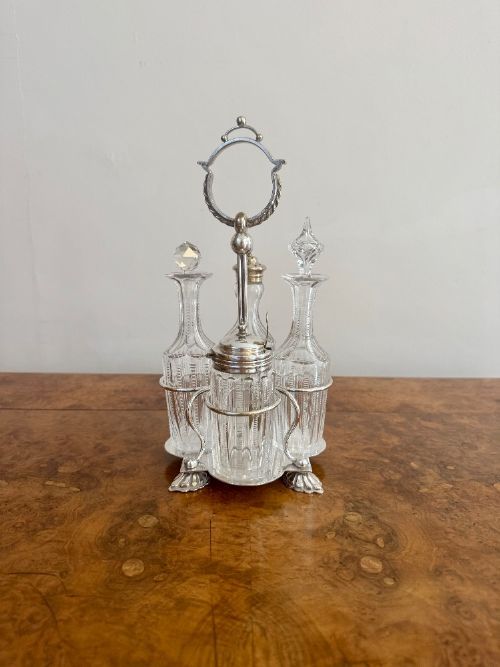
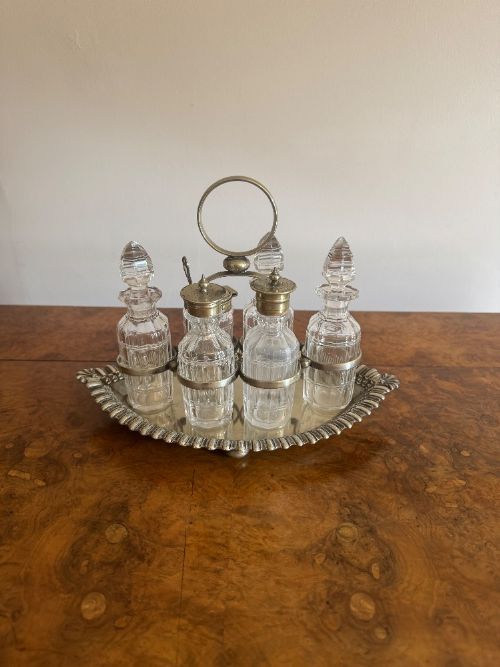
An antique oil bottle most often appears on this page as part of a fitted cruet set or silver-mounted table cruet.
Antique Oil Bottle
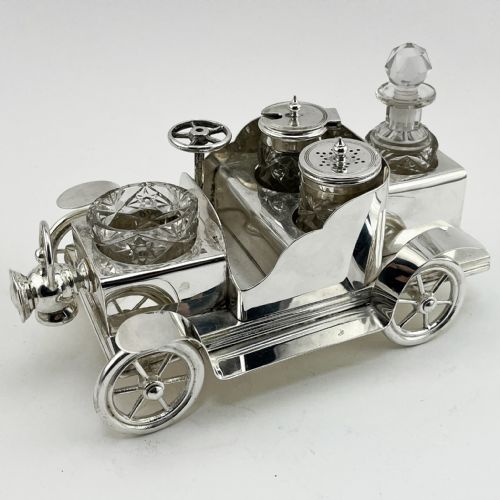
When you search for an antique oil bottle, you encounter pieces that range from individual glass vessels housed in silver mounts to components of larger Georgian, Victorian, and Edwardian cruet sets. Many examples form part of multi-bottle condiment stands designed for the dining table, often paired with vinegar bottles, castors, and mustard pots.
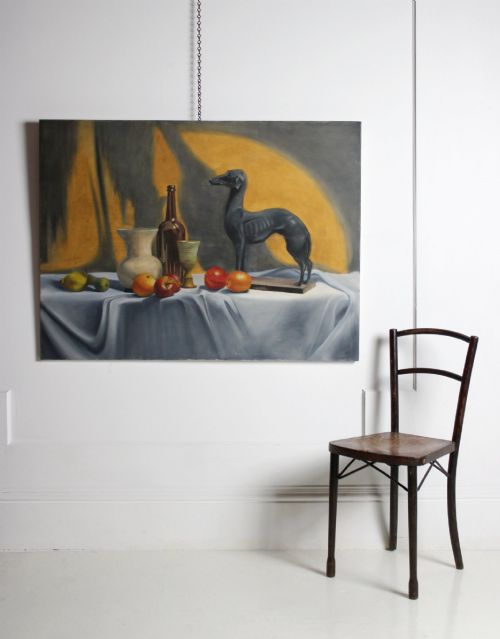
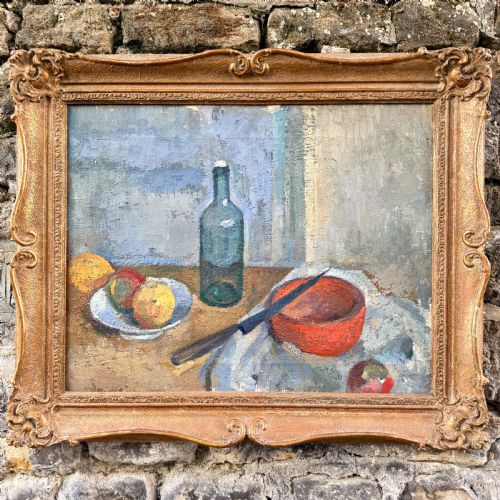
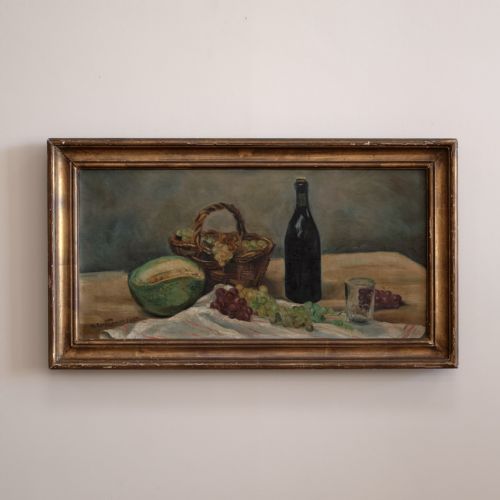
Beyond table service, the historical record for this phrase encompasses early stoneware vessels, tin-glazed jugs, and oil paintings on canvas depicting still life studies of bottles. The version you are most likely to meet on this page is the silver-plated or sterling silver mounted glass bottle belonging to a late 19th or early 20th century cruet set.
Individual bottles occasionally surface as pairs or single stoneware containers, such as German salt-glazed vessels with loop handles dating back to the early 18th century. These utility pieces contrast with the polished framework of Victorian and Edwardian table silver, showing how oil and vinegar were stored and poured in past centuries.
How they were made
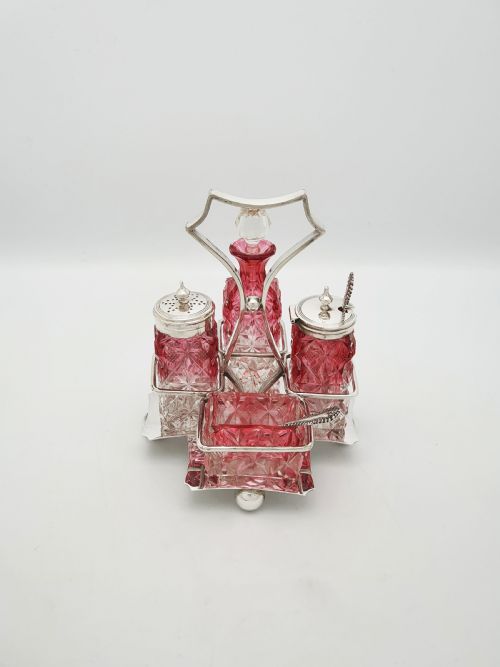
Cruet bottles and decanters rely on heavy cut glass, cranberry glass, or lead crystal, shaped by blowing and hand-cutting to create faceted patterns that catch the light. Stoneware items utilise traditional salt-glazing techniques, fired at high temperatures to achieve a textured, impermeable finish with earthy tones.
Listings span from the 18th century to the 1920s, uniting cut glass, sterling silver, silver plate, and oil on canvas.
What varies in quality
The standard of an antique oil bottle or cruet set depends heavily on the crispness of the glass cutting and the weight of the metal mount. Heavier lead crystal and thick sterling silver mounts signify superior production, whereas lighter silver plate shows wear and thinning over decades of use and cleaning.
Completeness dictates much of the standing within the market, as many sets lose individual bottles or matched stoppers over time. Original matching stoppers, fully intact bottle sets, and legible silversmith hallmarks elevate the standing of a piece compared to marriages of mismatched replacement bottles.
Charles Thomas Fox·Elkington & Co·Hester Bateman·Walker & Hall
The Antique Oil Bottle Glossary
- Cruet set
- A fitted stand holding multiple bottles, cruets, or casters for condiments such as oil, vinegar, salt, and pepper. These sets sat at the centre of the dining table for self-service during meals.
- Cranberry glass
- A rich red or pink transparent glass coloured by the addition of gold chloride during melting. It appears frequently in Edwardian tablewares and decorative cruet pieces.
- Salt glazed
- A pottery technique where common salt is thrown into the kiln during firing, reacting with the silica in the clay to produce a glossy, pitted texture resembling orange peel.
- Silver plate
- A layer of silver fused or electroplated onto a base metal such as copper, nickel, or Britannia metal. This process allowed makers to offer ornate tableware at a fraction of the cost of solid silver.
- Still life
- A painting or artistic study focusing on inanimate objects, such as bottles, jugs, fruit, and vessels. In this context, artists captured glass and ceramic bottles alongside everyday items.
Antique Oil Bottle: Frequently Asked Questions
What was an antique oil bottle used for?
These bottles served to hold and pour culinary oils, most commonly at the dining table as part of a matching condiment service.
Paired alongside vinegar bottles and mustard pots, they allowed diners to dress salads and dishes to their personal taste.
How do I identify a Georgian cruet set?
Georgian sets, dating roughly from the 18th century to the early 19th century, often feature heavier neoclassical silver frames, delicate wirework stands, and hand-blown glass bottles.
Look for crisp silversmith hallmarks stamped directly onto the silver elements to confirm the exact period of manufacture.
Are replacement bottles common in old cruet sets?
Yes, because individual glass bottles were fragile and frequently broke or suffered damage during daily use over the centuries.
Finding a complete set with every original matching glass bottle and stopper is much less common than finding sets with married or replacement components.
How should I clean silver-plated bottle mounts?
Silver plate requires gentle cleaning with a specialised silver polishing cloth to remove tarnish without wearing away the thin silver layer.
Avoid harsh abrasive dips, particularly near the glass or fitted mounts, to protect the integrity of the antique finish.