
Victorian Cream Jug
A victorian cream jug brings domestic metalwork and ceramic design from the nineteenth century directly to the tea table.
Victorian Cream Jug
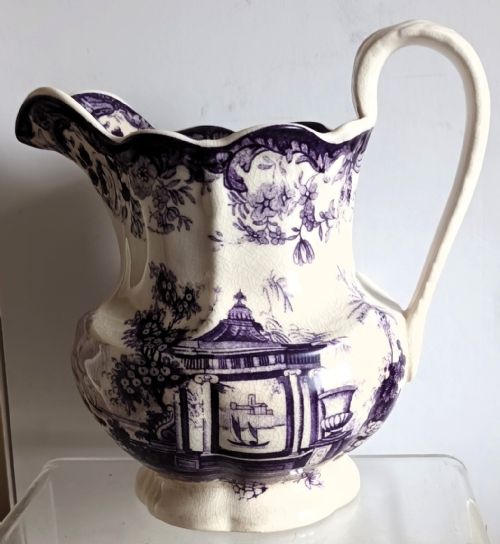
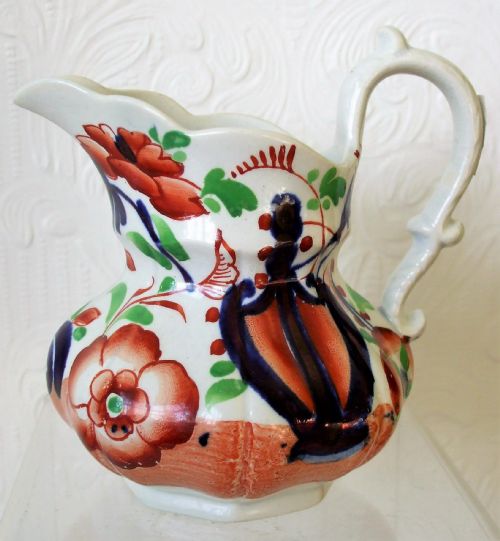
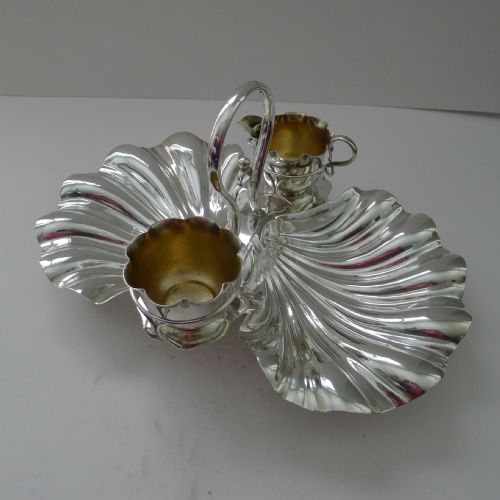
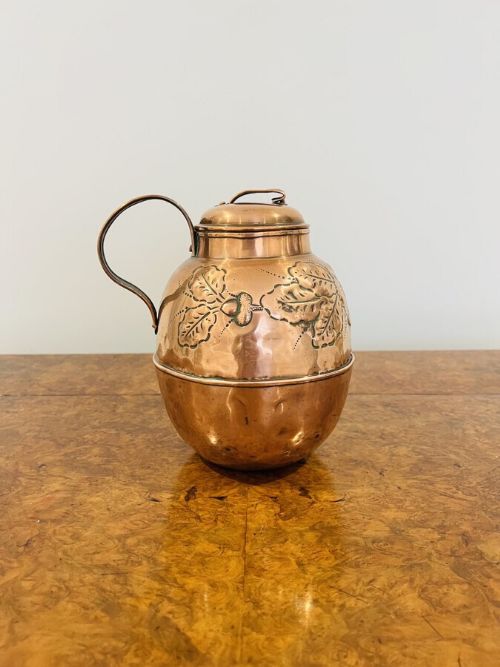
A victorian cream jug serves as a small pouring vessel designed for milk or cream during tea service, appearing across various forms in the nineteenth century. Buyers encounter sterling silver examples alongside earthenware, stoneware, and glass pieces.
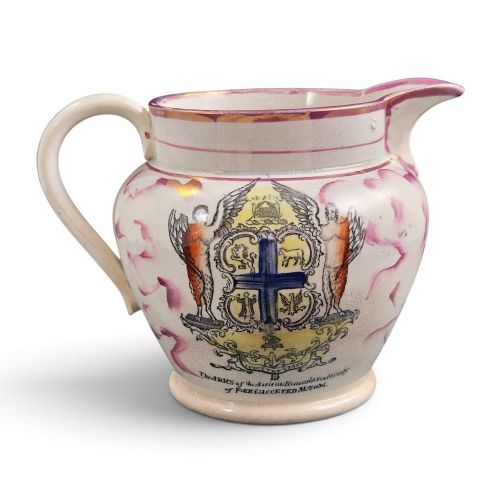
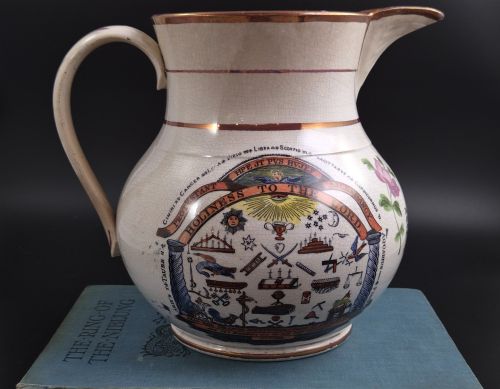
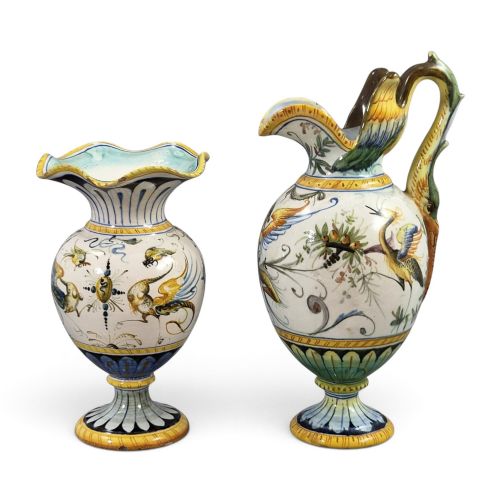
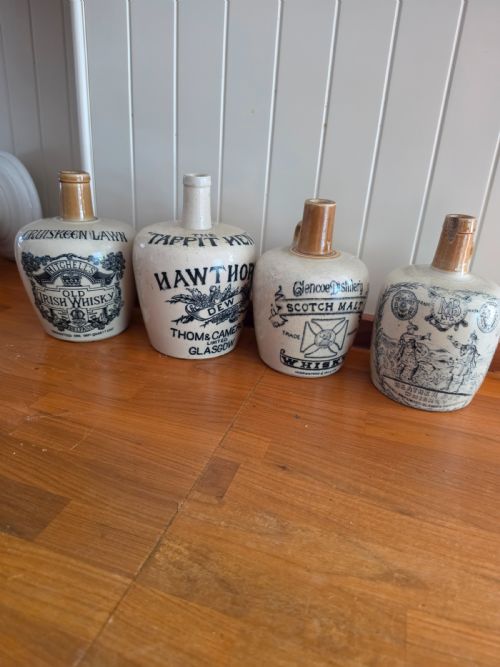
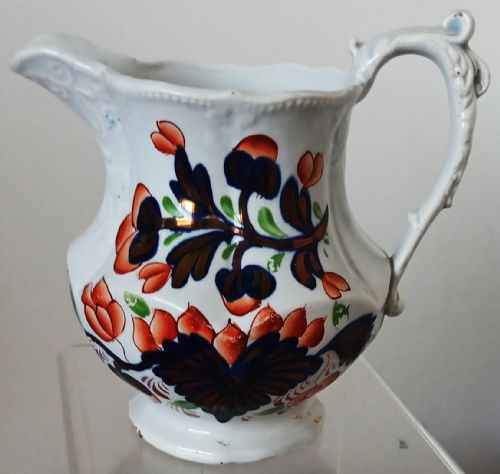
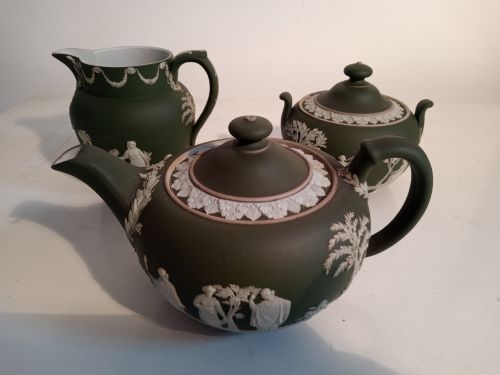
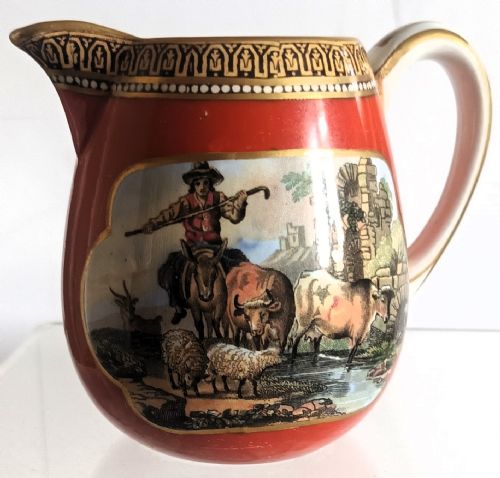
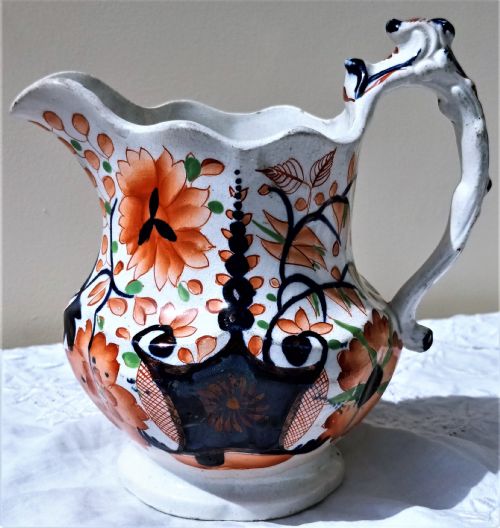
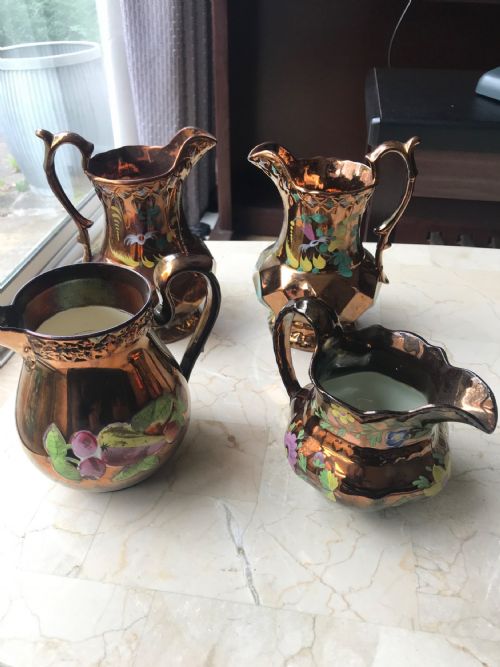
Makers produced these vessels in distinct regional styles, incorporating patterns such as Gaudy Welsh, transfer printing, and lustring. The selection spans delicate silver pedestal forms to robust earthenware and stoneware jugs.
Silver models often mirror historical revivals like Georgian or Rococo styles, while ceramic versions display local pottery traditions from Staffordshire and beyond.
How They Were Made
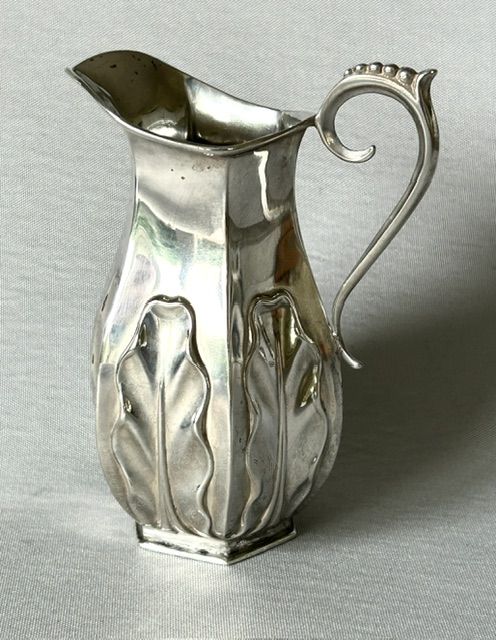
Silversmiths shaped sterling silver through hammering, casting, and repoussé work, often adding engraved or fluted surface details. Makers marked these pieces with standard hallmarking to indicate assay office, date, and maker identity.
Potters utilised earthenware, porcelain, and stoneware, applying glazes, polychrome transfer prints, and copper lustre. Kiln firing fixed these decorative elements onto the ceramic body.
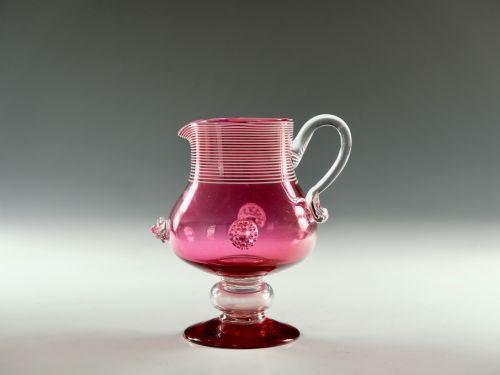
Glass pieces relied on blowing and cutting techniques, yielding Bristol blue or clear cut glass vessels.
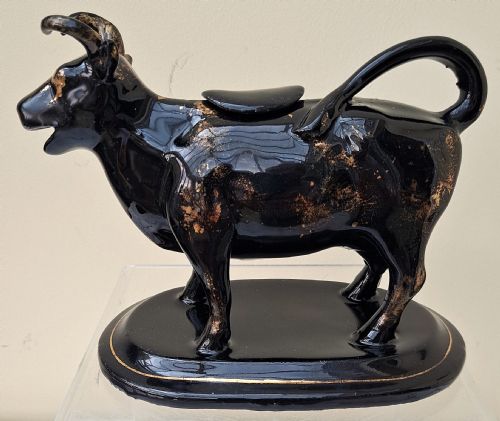
Several ceramic cows double as pouring jugs, bringing farmyard charm directly to the Victorian tea table.
What Varies In Quality
Material thickness and weight distinguish sturdier silver vessels from lighter alternatives, while crispness in relief moulding defines ceramic pieces. Hand-painted ceramic details and well-defined silver chasing indicate superior workshop execution.
The clarity of hallmarks on silver items and the precision of transfer-printed or hand-decorated motifs on pottery separate standard production items from finer studio or factory work.
Henry Holland·Edward Barnard·Daniel And Charles Houle·Pairpoint Brothers·John Samuel Hunt
The Victorian Cream Jug Glossary
- Sterling silver
- A silver alloy containing 92.5 percent pure silver by mass, widely utilised for nineteenth-century tableware.
- Earthenware
- A porous pottery body fired at lower temperatures, typically covered in a glaze to ensure water tightness.
- Lustre
- A metallic pottery finish created by applying a thin metal film onto the glazed ceramic surface before a secondary firing.
- Hallmark
- An official stamp applied to precious metals indicating purity, origin, and the year of assay.
Victorian Cream Jug: Frequently Asked Questions
How do I date a silver cream jug?
Examine the stamped hallmarks on the exterior or base of the vessel. These official marks record the assay office, standard of metal, and a specific date letter corresponding to the year of manufacture.
Stylistic cues also help narrow the period, as mid-century designs often favour different handle shapes and body proportions compared to late nineteenth-century productions.
Were these jugs used exclusively for cream?
Domestic table settings utilised these small pitchers for milk as well as cream during tea and breakfast service. Their capacity suited individual or small group portions.
Certain ceramic and glass variants also served water or fruit syrups depending on the accompanying table set.
What is the difference between earthenware and stoneware jugs?
Earthenware is fired at lower temperatures and requires a protective glaze to hold liquids. It forms the body for many decorated transfer-printed and lustre wares.
Stoneware is denser, vitrified during firing, and naturally impervious to liquids even without glaze. This material suited heavier utilitarian and decorative vessels alike.
How should I clean antique silver jugs?
Wash silver pieces gently in warm water using a mild soap and a soft cloth to remove surface dust. Avoid abrasive materials that might wear away fine engraving or thin plating.
Regular careful handling preserves the natural patina developed over the nineteenth century without harming the metal.