
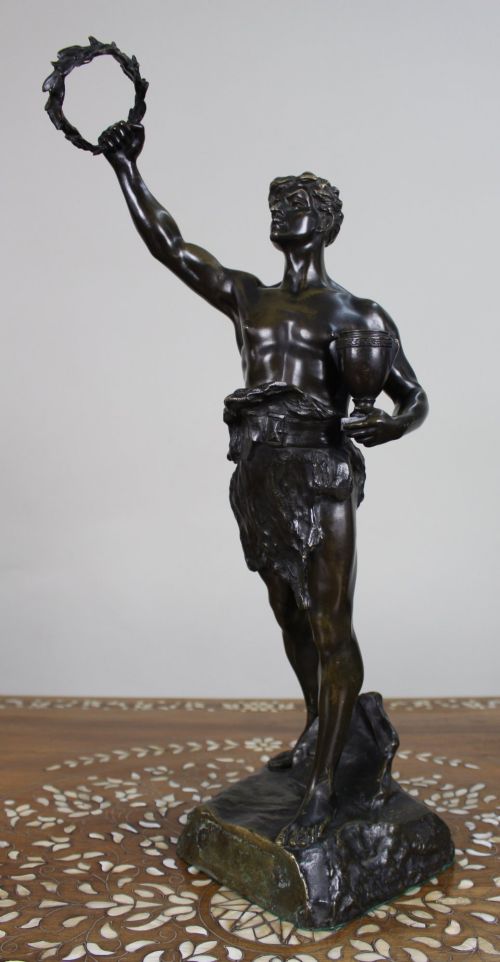
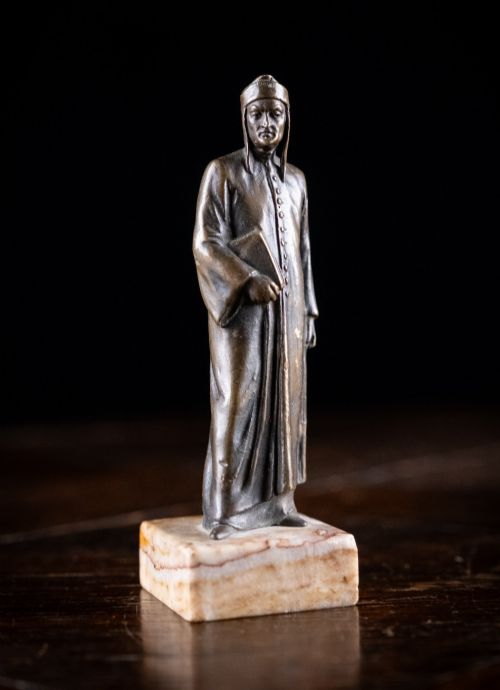
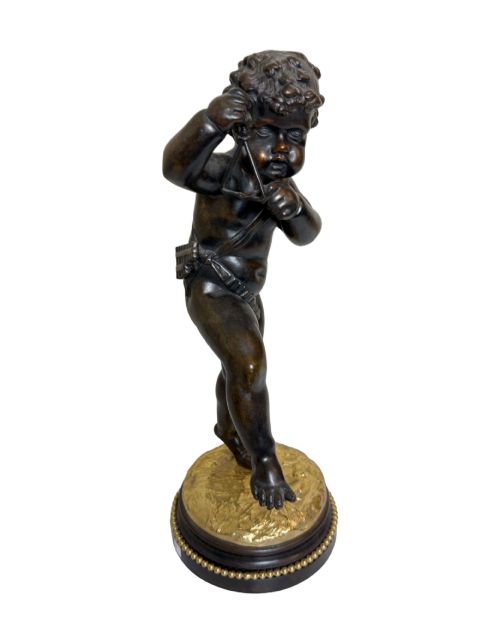
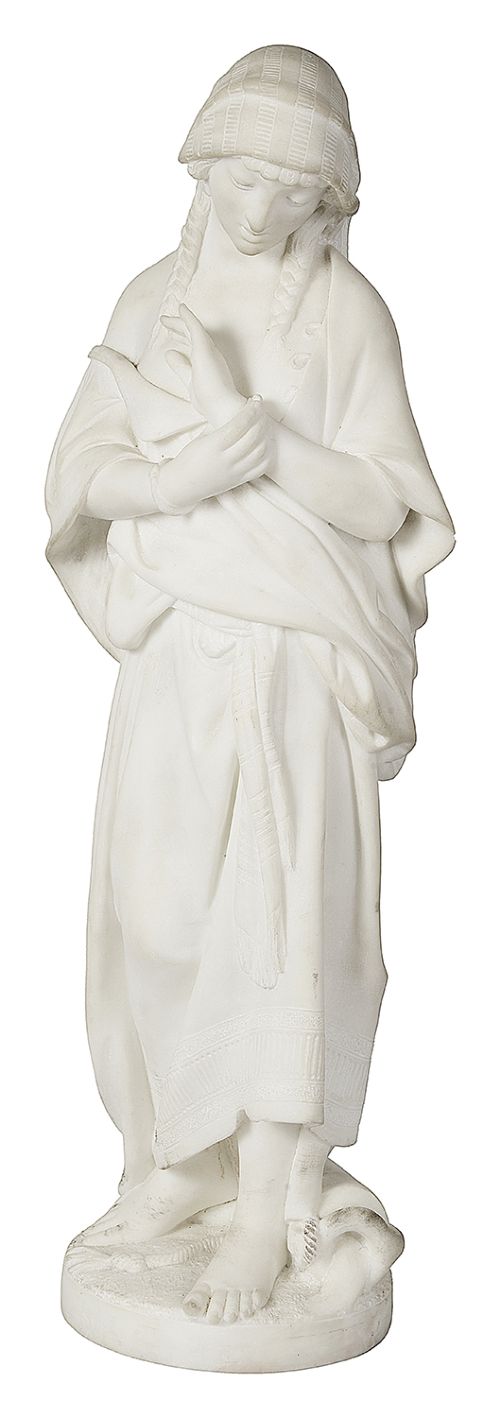
Victorian Classical Statue
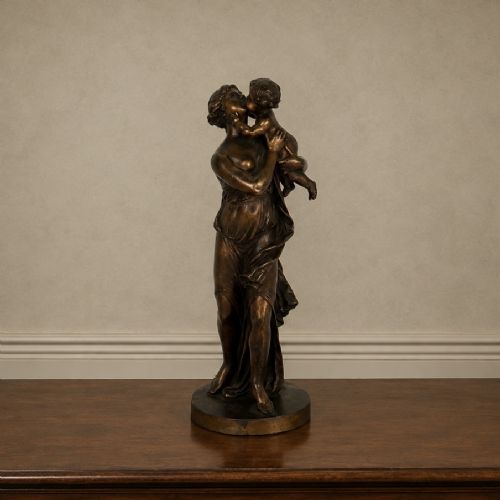
A victorian classical statue brings mythology, history and literature into interior spaces through enduring sculptural forms.
Victorian Classical Statue
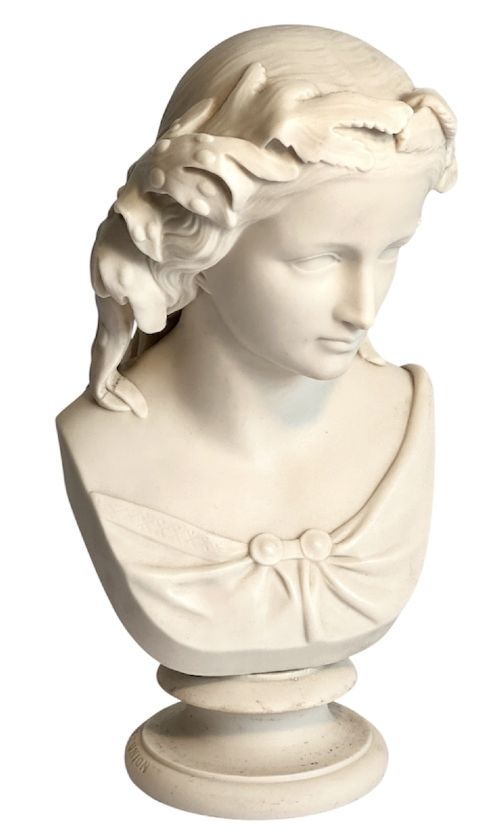
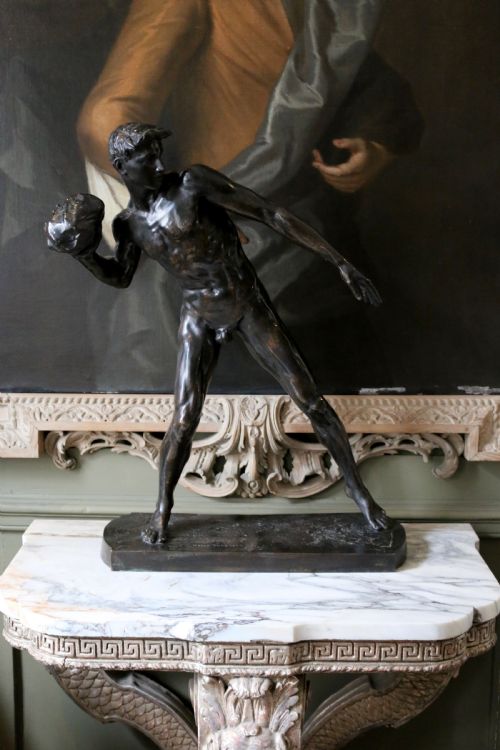
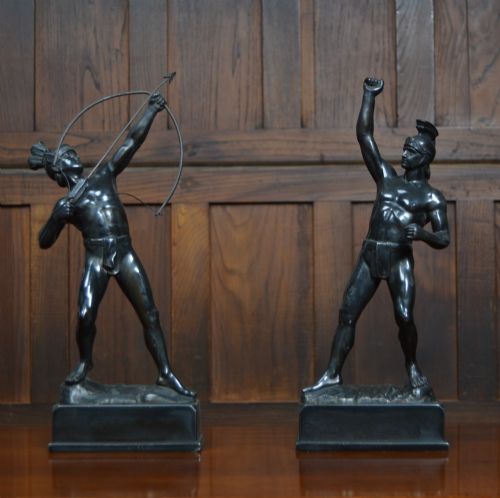
A victorian classical statue encompasses figures, busts and groups drawn from mythology, classical antiquity and historical subjects. The offerings span the nineteenth century, including pieces linked to the Grand Tour and Neoclassical revivals.
Buyers encounter subjects ranging from mythological figures and muses to Roman emperors and literary characters. These works take the form of freestanding sculptures, portrait busts and figural lamps.
Materials vary widely across the selection, shifting from cast metals to carved stone and moulded ceramic bodies. Many examples reflect nineteenth-century French and Italian workshops alongside British production.
Materials and methods
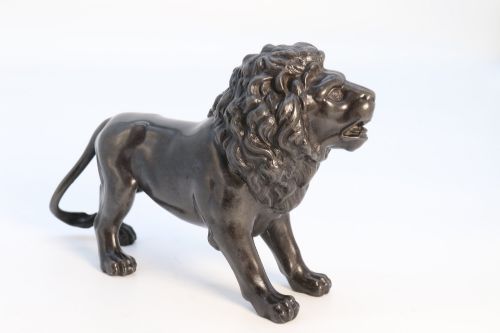
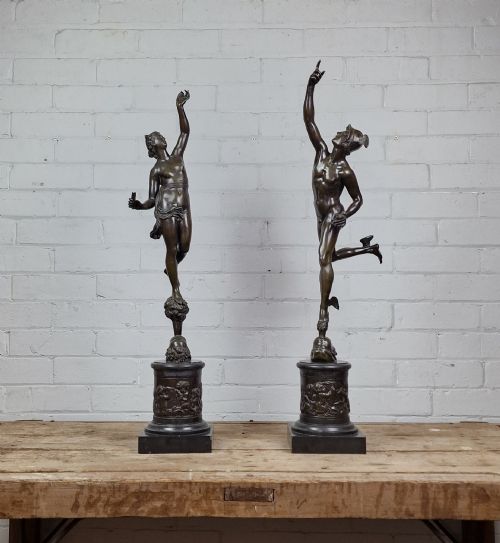
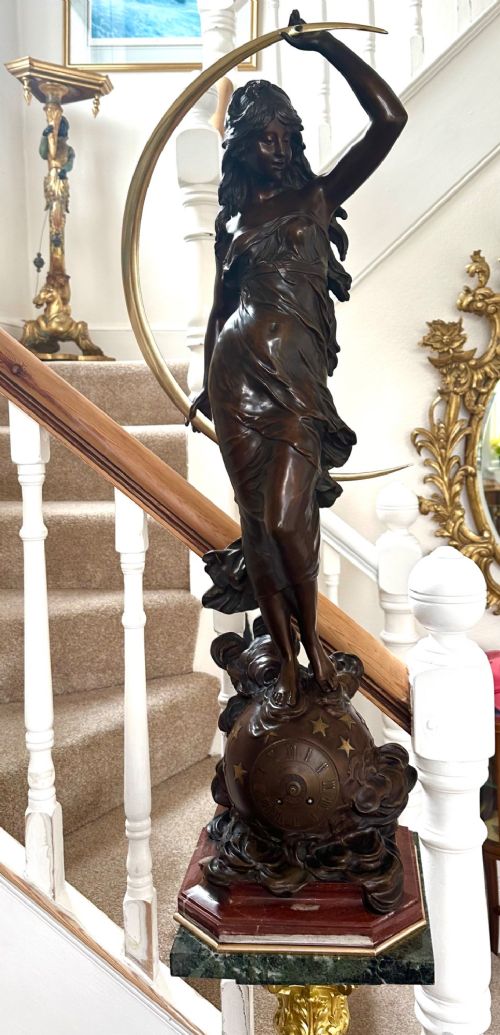
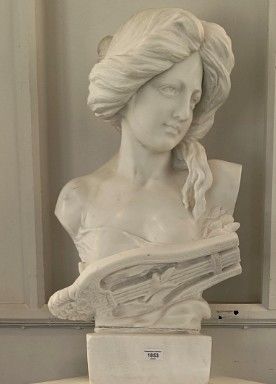
Foundries produced metal sculptures in bronze, gilt bronze, patinated bronze, spelter and pewter, often applying dark green or brown patination to simulate antiquity. Marble, alabaster, onyx and chalk provided carved or moulded alternatives for figures and portrait busts.
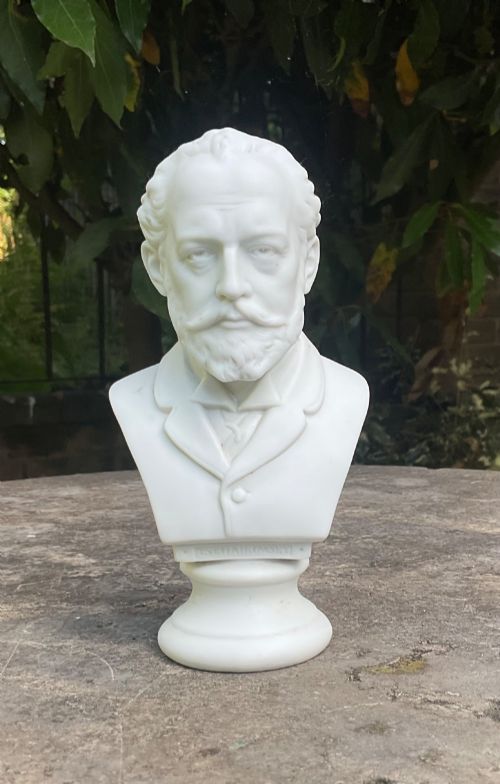
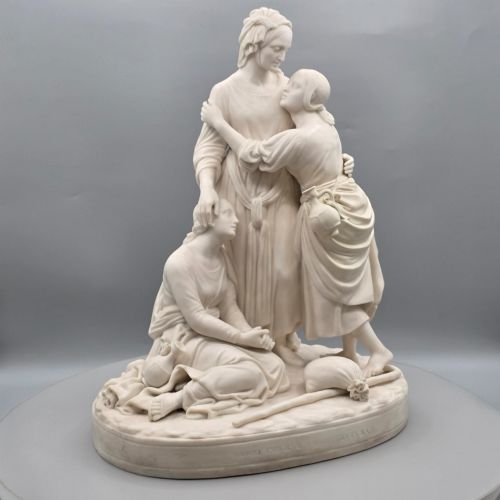
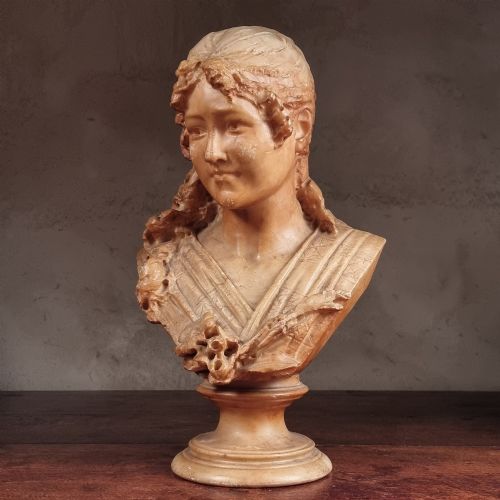
Ceramic works utilised parian porcelain, terracotta, pottery and traditional porcelain bodies to render fine detail in figures and groups. Stonework and metal castings frequently incorporated integrated marble stands, pedestals or slate bases.
Listings feature works from the nineteenth century, including specific dates such as eighteen eighty and eighteen ninety alongside the Victorian period.
Distinctions in craftsmanship
Quality rests upon the crispness of the casting or the depth of the carving, where facial expressions, drapery folds and anatomical proportions remain articulate. Finer bronzes and marbles show meticulous chasing and smoothing, while lesser pieces lose definition in secondary details.
The selection of materials and the integrity of patination or surface finish dictate the standing of a piece. Signed works or those attributed to recorded sculptors and ceramic factories carry distinct documentary weight.
Lemoyne·Barranti·August Moreau·Hamo Thornycroft·J Francis·Raffaelo Monti·James Hadley·Dopmeier
The Victorian Classical Statue Glossary
- Grand Tour
- A traditional trip through Europe undertaken by upper-class young men in the eighteenth and nineteenth centuries to study classical art. Pieces acquired on these journeys often included small bronze sculptures of ancient figures.
- Neoclassical
- A style originating in the mid-eighteenth century inspired by the art and culture of classical Greece and Rome. This aesthetic prioritised proportion, restraint and mythological subjects.
- Parian Porcelain
- A fine-grained type of biscuit porcelain developed in Britain during the nineteenth century to imitate carved marble. Factories utilised this material extensively for portrait busts and literary figures.
- Patination
- The surface colour or sheen developed on metals through age or chemical treatment. Artisans applied patination deliberately to bronze sculptures to enhance visual depth.
- Spelter
- An alloy of zinc and lead used as a less expensive alternative to bronze in nineteenth-century figure casting. Manufacturers often painted or bronzed the surface to resemble true bronze.
Victorian Classical Statue: Frequently Asked Questions
What materials were used?
Makers employed bronze, patinated bronze, marble, alabaster, parian porcelain and terracotta for these sculptures. Metal alloys such as spelter also appeared in figures and lamps.
Surface treatments included dark patination and gilding to accentuate sculptural details.
How do I identify a Grand Tour piece?
Grand Tour sculptures typically date from the nineteenth century and represent famous classical antiquities seen during European travels. They often feature dark patination on bronze figures.
These works were produced in Italy and France for collectors visiting historical sites.
Where should I place a heavy marble bust?
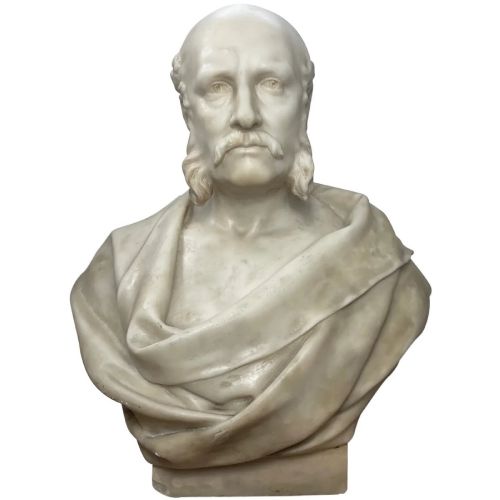
Large marble and alabaster pieces require sturdy furniture or dedicated stone pedestals to support their substantial weight safely. Positioning them away from direct heat sources protects the stone.
Stable placement ensures these heavy sculptures remain secure in domestic interiors.
What is parian porcelain?
Parian porcelain is an unglazed ceramic material developed in the nineteenth century to replicate the appearance of carved white marble. British factories utilised it for portrait busts and classical groups.
The fine texture allowed manufacturers to capture intricate details in drapery and hair.