
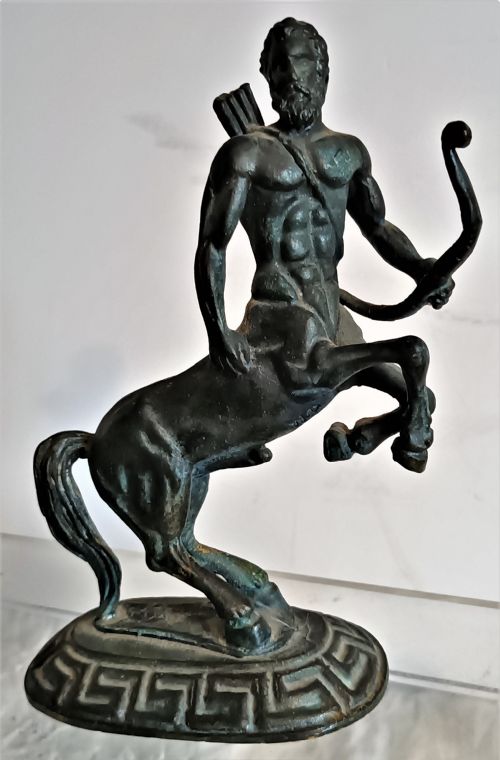
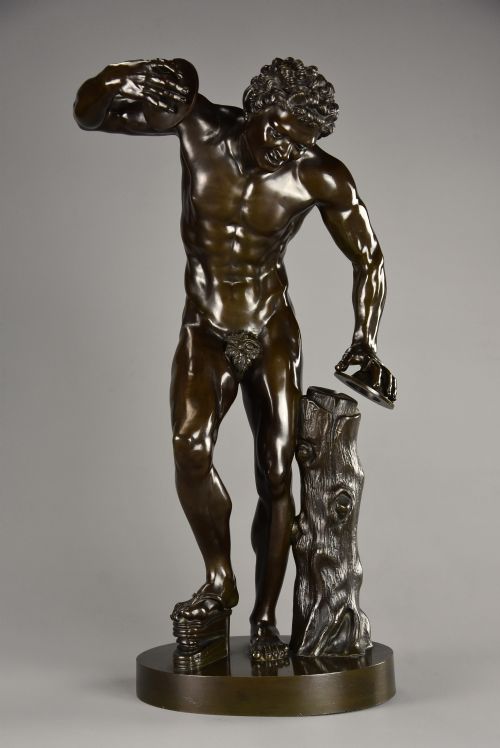
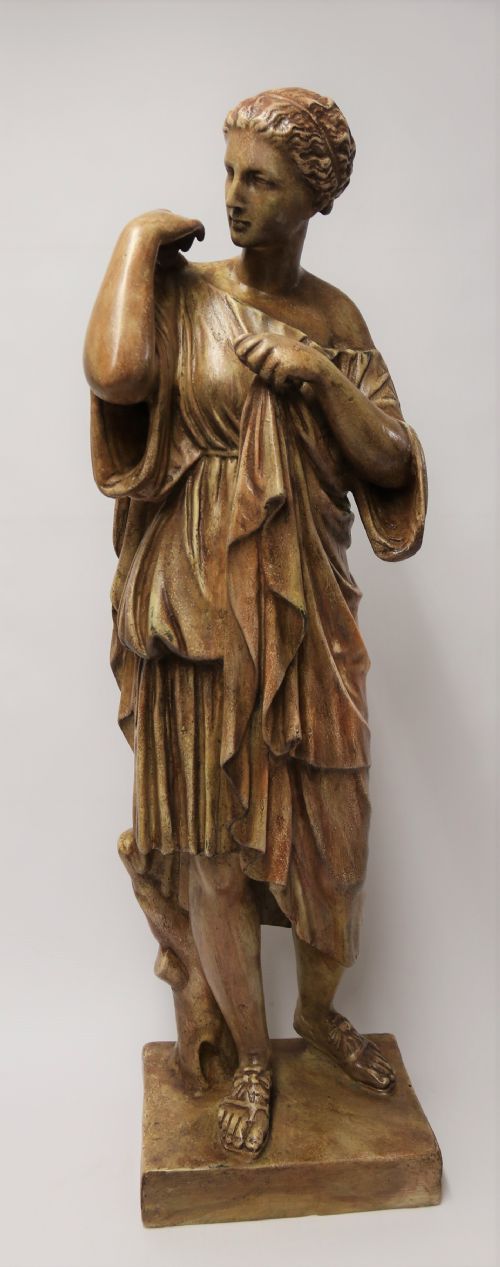


Classical Revival Statue
A classical revival statue brings the sculptural weight of antiquity and the Renaissance into nineteenth-century interiors.
Classical Revival Statue
A classical revival statue takes its inspiration from ancient Greek and Roman models, often filtered through Renaissance interpretations. When exploring this selection, buyers encounter nineteenth-century pieces that range from grand tour souvenirs to detailed library bronzes and marble figures.
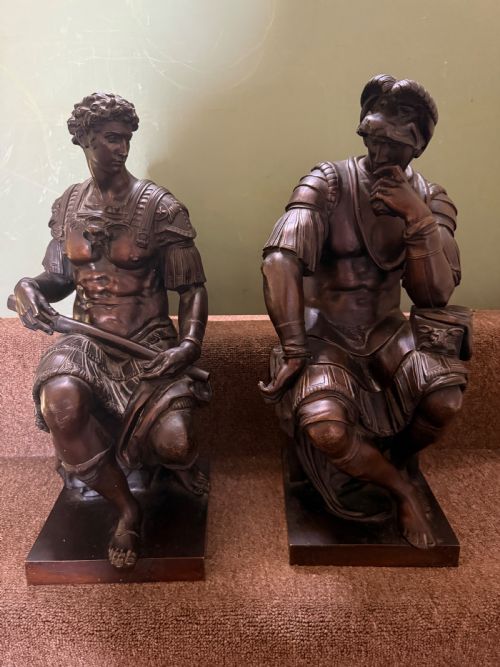
The objects span from cabinet-scale reductions of famous antiquities to larger figures of mythological characters, noblewomen, and historical rulers. Most date from the Victorian era and the later nineteenth century, capturing the period passion for classical antiquity and grand tour travel.
Materials and casting methods
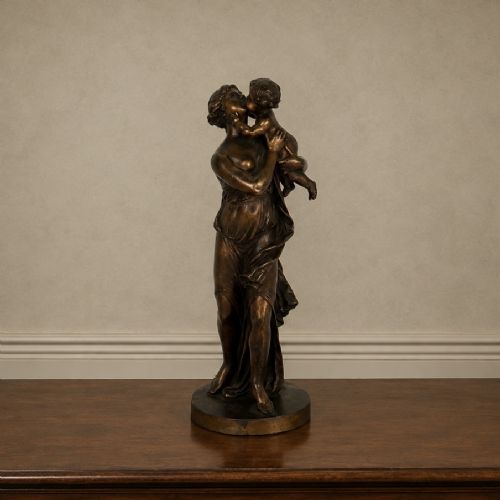
Foundries utilised traditional casting methods to produce these figures, most notably lost-wax bronze casting which allowed for fine detail in hair, drapery, and musculature. Many pieces combine patinated bronze with marble or alabaster bases, while others incorporate gilt finishes and polychrome details.
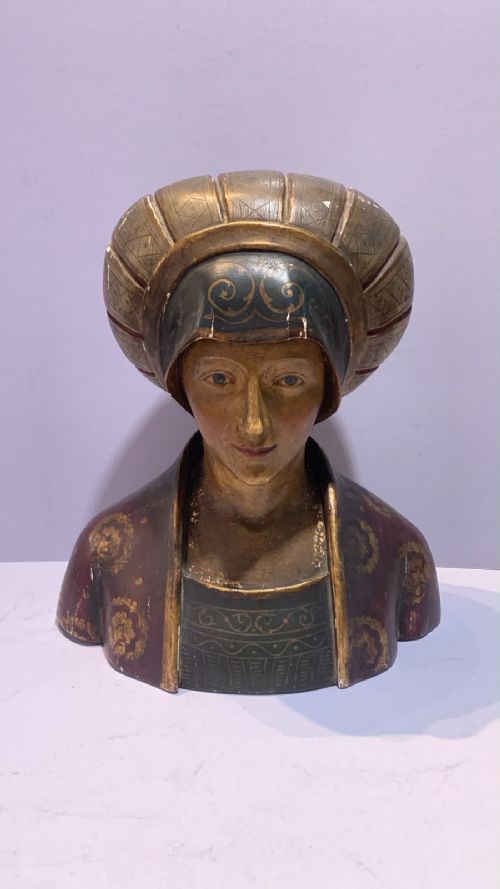
Makers also worked in alternative mediums including terracotta, spelter, plaster, and porcelain, adapting the classical idiom to different scales and budgets. The surface treatments range from deep brown patinas to bright gilding, often designed to mimic excavated ancient bronzes.
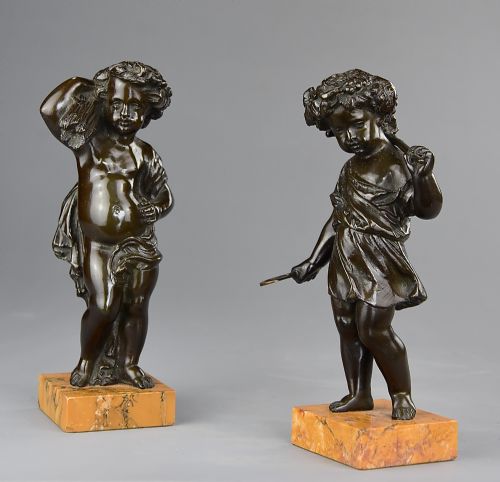
Subject matter spans mythological figures, Roman gladiators, historical rulers, and allegorical putti.
Distinctions in execution and finish
The choice and preparation of the mount also signal quality, with finer pieces anchored to heavy, polished marble bases such as Rosso Levanto. Signed foundry marks or maker attributions further distinguish workshop production from anonymous commercial casts.
Barbedienne·Duchemin·Volkstedt·Eugene Barillot·Eden Antony Paul Noel
The Classical Revival Statue Glossary
- Grand Tour
- A traditional trip through Europe undertaken by upper-class young men to study art and antiquity. Pieces purchased as souvenirs formed the core of many nineteenth-century collections.
- Reduction
- A scaled-down copy of a larger, well-known monument or sculpture. Foundries produced these smaller versions for domestic display on desks and mantelpieces.
- Patinated bronze
- Metal treated with chemical solutions to produce a controlled surface colour and aged appearance. This finish protects the bronze while emulating ancient burial patinas.
- Spelter
- An alloy of zinc and lead used as a cheaper alternative to bronze. It offers similar weight and appearance when painted or finished with a bronze-like patina.
- After the antique
- A descriptor for a copy or adaptation of a celebrated ancient Greek or Roman sculpture. These studies allowed collectors to own familiar masterpieces in miniature.
Classical Revival Statue: Frequently Asked Questions
What is a grand tour statue?
A grand tour statue is a miniature or reduction of a famous classical sculpture purchased by travellers touring Italy during the nineteenth century. These souvenirs brought classical art and history directly into Victorian homes.
They were typically displayed in studies, libraries, and drawing rooms as markers of education and refined taste. Foundries in Paris, Rome, and Florence specialised in producing these high-quality bronze and marble replicas.
How do I identify a nineteenth-century cast?
Nineteenth-century casts often display specific foundry stamps, signatures, or workshop marks on the base or integral plinth. The weight of the metal and the richness of the chemical patina also point to the period.
Closer inspection of the chasing reveals hand-tooling work that distinguishes nineteenth-century production from later modern reproductions. The materials used for the base, such as specific Italian marbles, offer further chronological clues.
Are these pieces solid bronze?
Many nineteenth-century classical sculptures are cast in bronze using the lost-wax method, though larger or hollow figures may have been cast in sections and assembled. Some more affordable period alternatives were made from spelter or plaster.
Checking the underside or unexposed areas often reveals the composition of the metal and the method of construction. Patination can also cover the underlying alloy, requiring careful observation of wear points.
How should I display a marble or bronze statue?
These statues require a stable surface away from direct sunlight and sudden temperature fluctuations that could affect marble bases or patinated surfaces. Heavy marble-mounted pieces need sturdy furniture capable of supporting concentrated weight.
Dusting with a soft, dry brush keeps the patinated bronze and carved stone clean without introducing moisture or abrasive cleaners. Avoid using chemical polishes on antique bronze patinas.