



Beige Terracotta Figure
These beige terracotta figure sculptures combine classical dignity with nineteenth and twentieth-century modelling skill, offering collectors sculptural presence and historical charm.
Beige Terracotta Figure
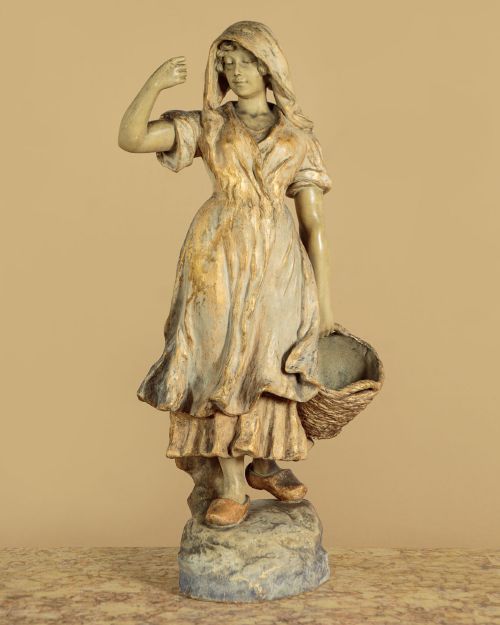
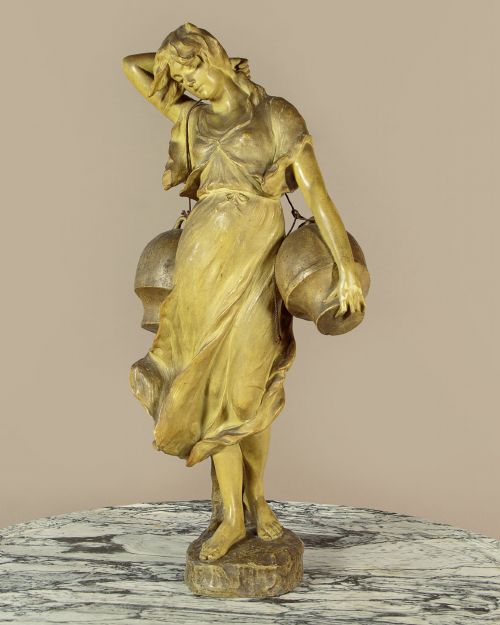
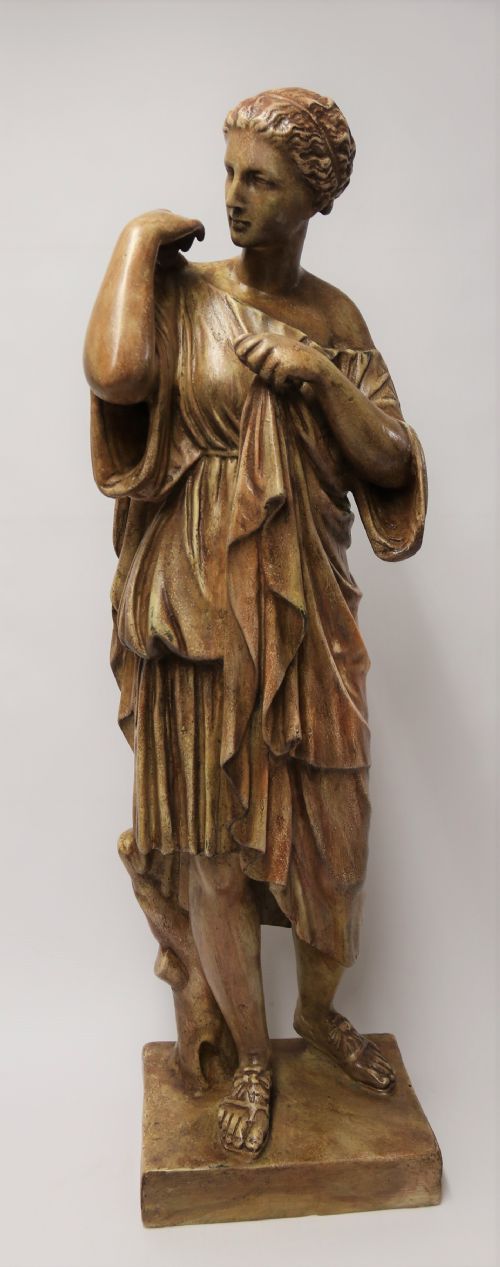
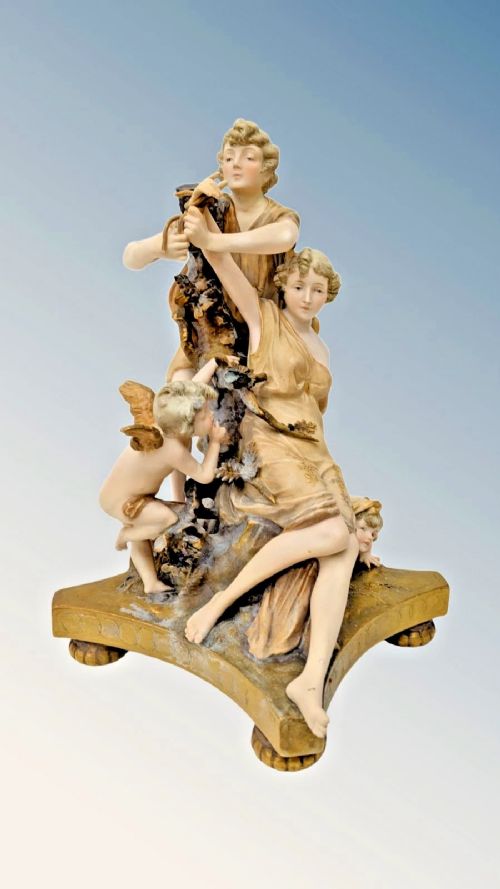
A beige terracotta figure represents sculptural subjects ranging from mythological deities and classical Roman figures to allegorical studies and animalier art. When searching for a beige terracotta figure, a buyer encounters works spanning the eighteenth century through the mid twentieth century, with nineteenth-century productions forming a substantial group. These objects appear as standalone busts, full-length statues, and figural groups produced across various European centres.
The aesthetic vocabulary encompasses neoclassical restraint, Art Nouveau fluidity, Renaissance revivalism, and Art Deco styling. Sculptures such as Diana the Huntress, classical water carriers, and depictions of mythological figures like Amynthas and Sylvia demonstrate the breadth of academic and decorative ambition. Certain pieces emulate earlier masterworks, including reliefs and figures after Thorvaldsen and Rossellino, translating high art into accessible domestic sculpture.
How they were made
Makers shaped these works primarily through modelling and moulding in terracotta, earthenware, and bisque porcelain, frequently finishing surfaces with paint, parcel-gilding, or glazes. Terracotta pieces rely on fired clay that displays warm natural hues, sometimes enhanced by surface pigments to accentuate drapery and anatomical detail. Plaster and porcelain also appear alongside clay, reflecting the diverse manufacturing techniques utilised by large potteries and individual sculptors.
Production methods combined industrial casting with skilled hand-modelling, particularly in animalier sculptures and detailed figural groups. Factories such as Goldscheider and Royal Dux utilised specialised ceramic pastes and precise moulds, followed by careful hand-finishing by studio painters. This combination ensured both structural consistency and individual artistic expression in the final surface texture.
Listings feature terracotta, bisque porcelain, and earthenware pieces spanning neoclassical, Art Nouveau, and Art Deco styles.
What varies in quality
Quality in these sculptures rests upon the crispness of the modelling and the sensitivity of the hand-finishing, distinguishing mass-market output from superior studio work. Finer examples retain sharp facial expressions, clean drapery folds, and subtle surface coloration that respects the underlying clay body. Inferior pieces often exhibit softened contours and heavy, opaque paint layers that obscure the modelled details.
The reputation of the maker and the ambition of the composition further separate ordinary items from exceptional pieces. Works bearing documented factory marks from established potteries or attributed to named sculptors carry greater artistic weight and historical interest. The sophistication of the pose and the anatomical accuracy of the subject matter complete the measure of quality.
Goldscheider·P. Ipsens Enke·Joseph Constant·Royal Dux·B. Rezl
The Beige Terracotta Figure Glossary
- Terracotta
- Fired unglazed clay of a brownish-red or buff colour, utilised extensively for sculptural figures and architectural ornaments. This material allows for direct modelling and retains fine surface detail after firing.
- Bisque Porcelain
- Unglazed white porcelain fired at a high temperature, possessing a matte texture resembling marble. It became popular in the nineteenth century for classical figures and vases.
- Animalier
- A nineteenth-century artistic genre dedicated to the realistic portrayal of animals. Sculptors in this tradition focused on capturing the natural anatomy and movement of beasts.
- Neoclassical
- A style inspired by the art and culture of ancient Greece and Rome, emphasising proportion, restraint, and classical mythology. It frequently informed the subject matter of nineteenth-century European sculpture.
- Parcel-Gilt
- Portions of an object highlighted with applied gold leaf or metallic paint, contrasting against the primary ceramic or terracotta body. This technique draws attention to specific decorative elements or drapery.
Beige Terracotta Figure: Frequently Asked Questions
How do I clean a terracotta figure?
Dust these sculptures gently using a soft, dry brush to prevent dirt accumulation within the porous surface. Avoid liquid cleaners or excessive moisture, which can damage unglazed clay, painted finishes, and parcel-gilding.
Keep the pieces away from areas prone to high humidity or direct water contact to preserve the structural integrity of the ceramic body.
Are these figures solid or hollow?
Most large terracotta and ceramic sculptures are hollow-cast or constructed with interior support structures to reduce weight and ensure even firing in the kiln. Solid modelling is typically reserved for smaller statuettes, plaques, and specific animalier works.
Examining the underside or base often reveals the hollow interior or manufacturing aperture characteristic of ceramic production.
How can I identify the period?
Dating relies on stylistic markers such as Art Nouveau curves, Neoclassical drapery, or Art Deco geometric simplification, alongside manufacturer stamps and registration numbers. Examining the base and surface finish provides further clues regarding the manufacturing era and pottery origin.
Comparison with documented examples from known makers helps narrow down the production decade within the nineteenth and twentieth centuries.
Where should I display these sculptures?
Place them on stable surfaces away from high-traffic pathways where accidental knocks might occur, as ceramic and terracotta materials are susceptible to impact damage. Ensure the display area receives balanced ambient light rather than harsh direct sunlight, which can fade painted surfaces over time.
Pairing them with wooden furniture or neutral backdrops enhances the warm earth tones of the terracotta material.