

Victorian Chimney Glass
Victorian chimney glass typically refers to large overmantel mirrors and oil lamps placed upon mantelpieces to reflect hearth light and warm a room.
Victorian Chimney Glass
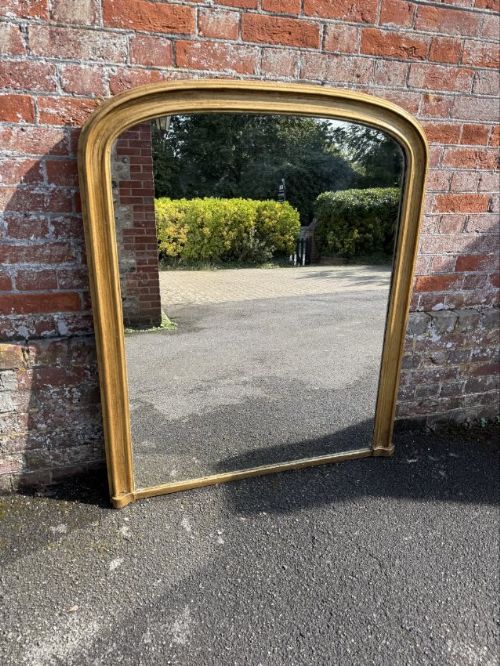
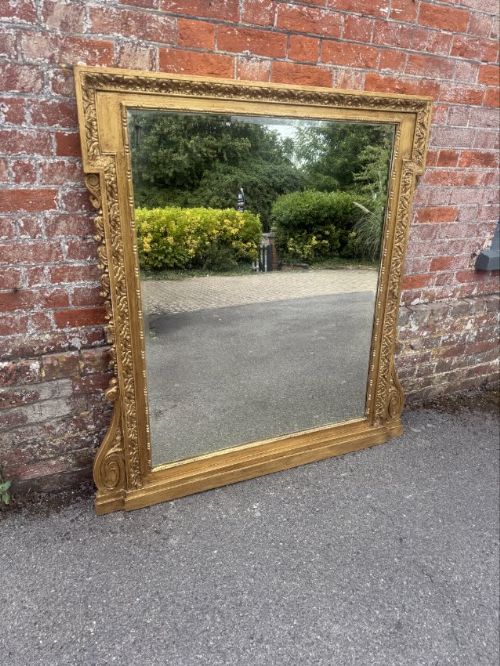
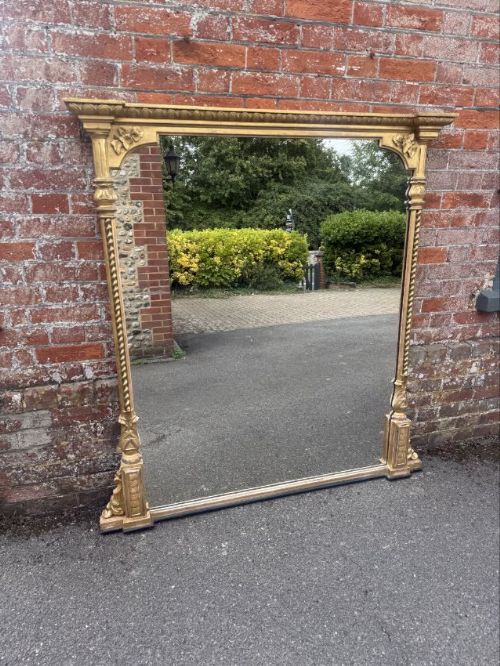
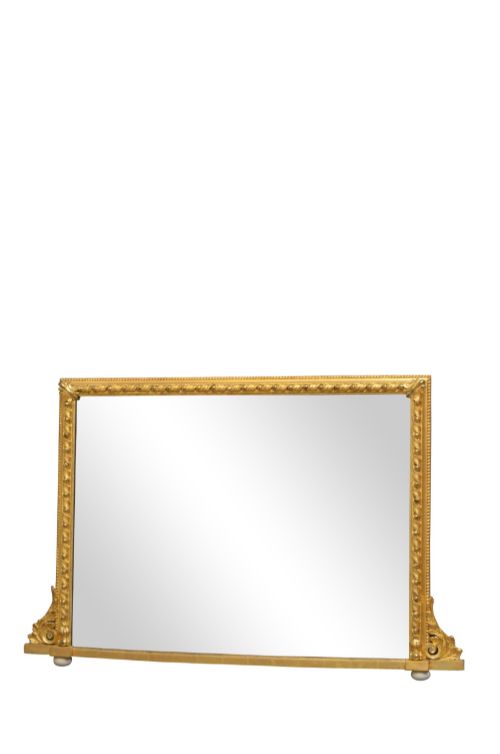
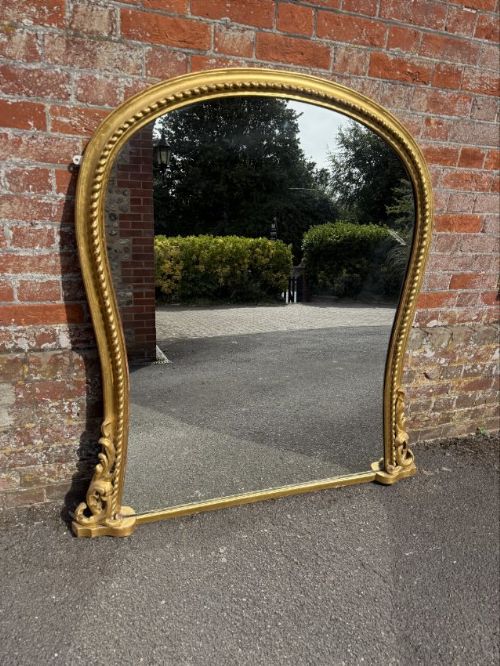
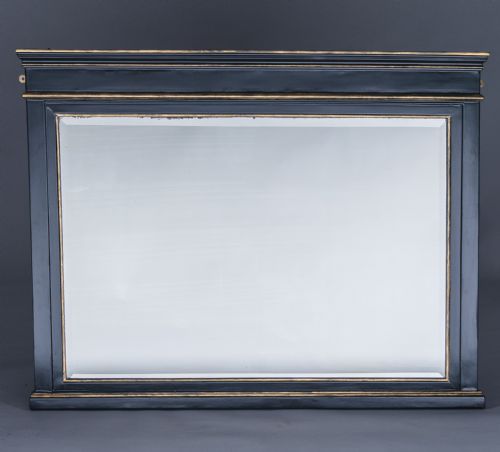
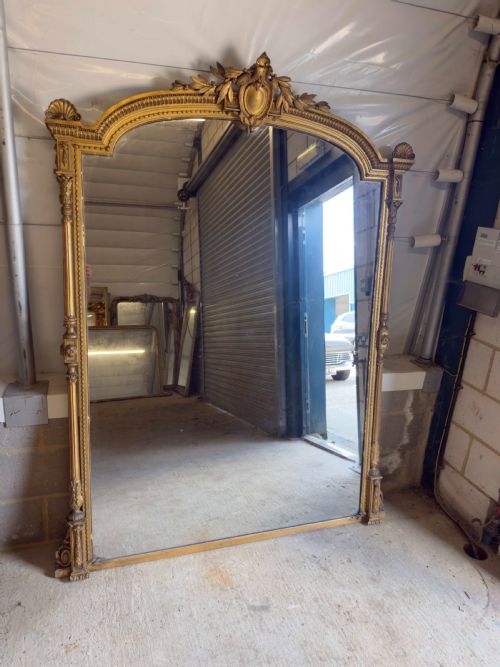
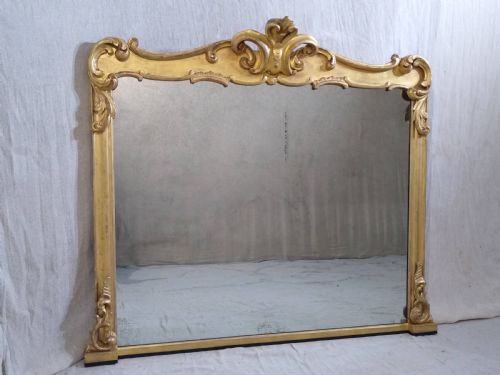
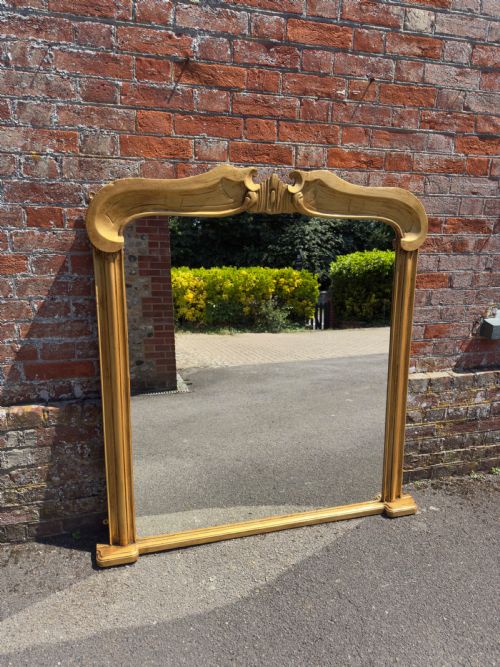
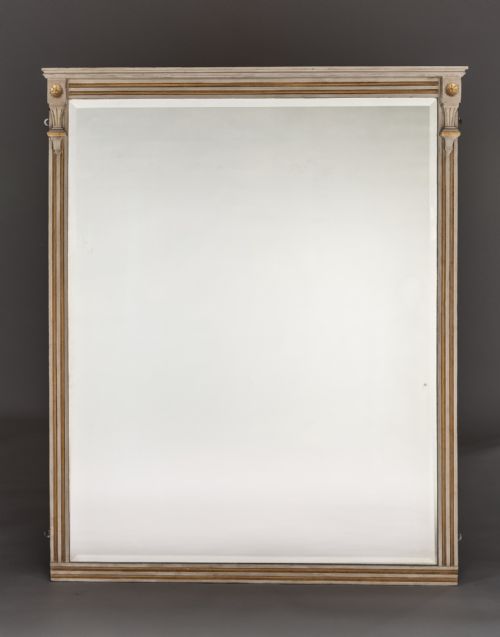
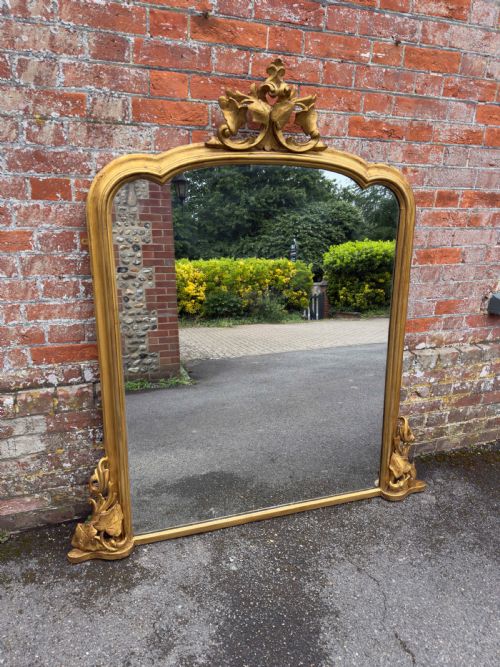
Victorian chimney glass most commonly takes the form of large overmantel mirrors designed to sit directly above a fireplace, alongside table and oil lamps. The mirrors appear frequently in arched top, shaped top, and rectangular formats reflecting nineteenth-century domestic interiors.
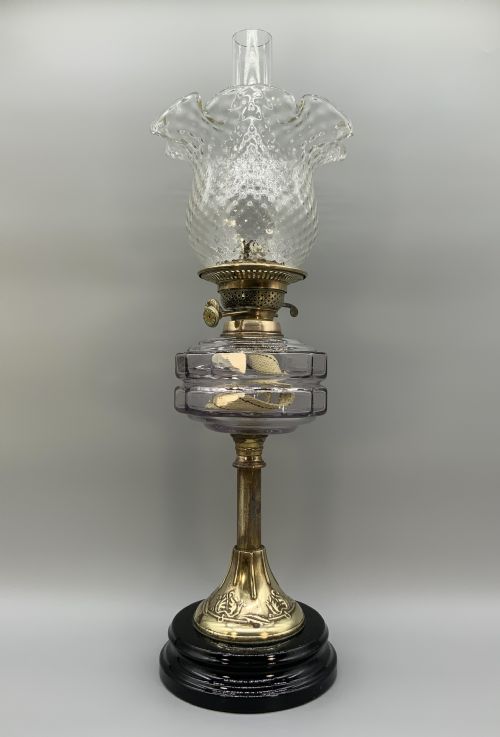
The selections span English, Irish country house, and continental workshops, crossing periods from mid-nineteenth-century decades through to the Edwardian era. Alongside giltwood and gesso mirror plates, the category encompasses brass oil lamps fitted with opaline or hand-blown glass shades.
Materials and Technique
Carved wood frames receive layers of gesso before gilding with gold leaf or painting, often finished with rope twist, ribbed, or column details. Mirror glass retains original foxed qualities resulting from historical silvering processes.
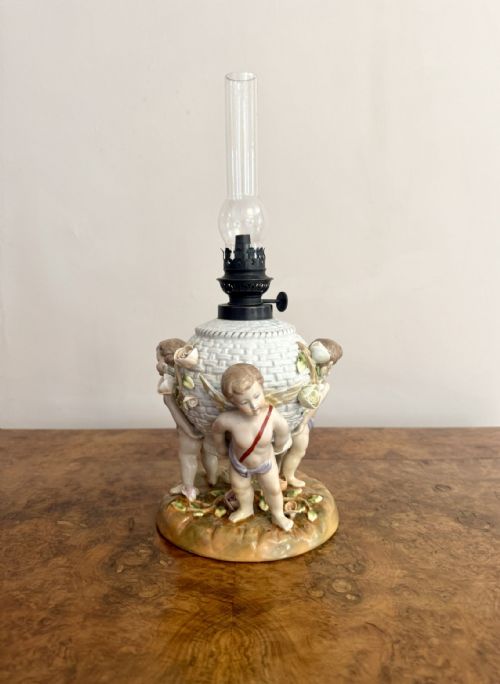
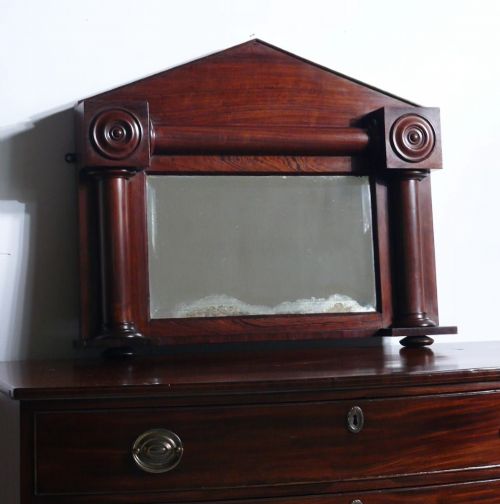
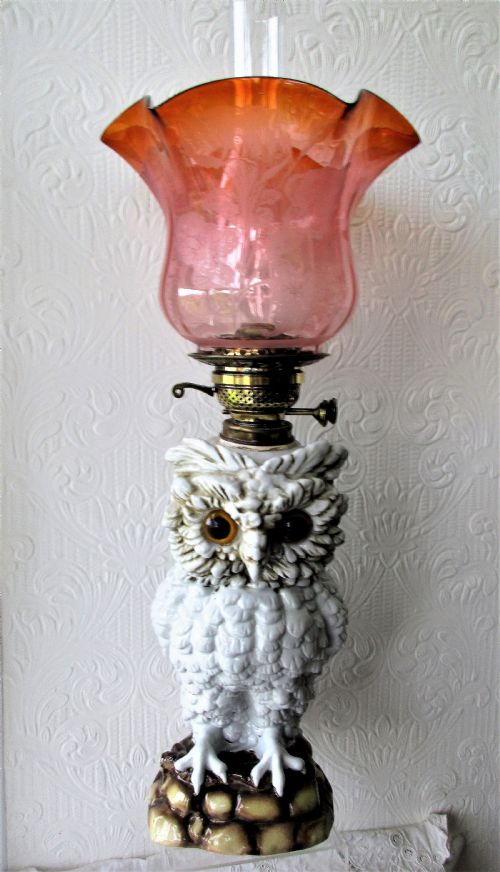
Oil lamps combine heavy brass castings, ceramic bodies, and porcelain figures from factories such as Sitzendorf with delicate hand-blown glass shades. Secondary woods including mahogany, walnut, and rosewood provide sturdy structural support for timber-framed mantle mirrors.
Victorian Chimney Glass Retail Price Guide 2026
Typical asking prices for victorian chimney glass among the pieces listed under this phrase on Sellingantiques today, from the lower quarter to the upper quarter. They describe what is for sale here now, not the wider market.
Several porcelain oil lamps feature sculpted owls peering out from the base, keeping a watchful eye over the Victorian parlour.
Distinctions in Execution
Quality rests in the crispness of the carved wood and gesso ornamentation, where deep relief moulding and well-defined rope twists or neoclassical motifs separate standard output from finer commissions. Heavy cast brass components and intricate porcelain modelling distinguish superior table oil lamps.
The integrity of the original mirror glass and the preservation of the gold leaf or ebonised surfaces dictate the visual impact of overmantel pieces. Uniformity in the timber grain and secure joinery determine the longevity of rosewood, walnut, and mahogany frames.
Sitzendorf
The Victorian Chimney Glass Glossary
- Overmantel mirror
- A large mirror specifically proportioned to hang on the wall or rest upon the shelf directly above a fireplace mantel.
- Gesso
- A plaster-like mixture applied to wood frames to create a smooth surface for subsequent gilding or painting.
- Foxed glass
- Mirror plates showing age-related spots and discoloration where the reflective backing has degraded over time.
- Rococo Revival
- A nineteenth-century design style drawing on asymmetrical scrollwork, naturalistic shell motifs, and exuberant curves.
- Opaline shade
- A translucent, milky-white glass shade used on oil and table lamps to diffuse light evenly across a room.
Victorian Chimney Glass: Frequently Asked Questions
What is a Victorian chimney glass?
A Victorian chimney glass describes large mirrors and oil lamps positioned on fireplace mantels during the nineteenth century. They served both a practical purpose for lighting and an aesthetic role in brightening dark parlours.
Overmantel mirrors caught and doubled the flickering light of candles and oil lamps. Meanwhile, ceramic and brass oil lamps provided functional illumination before the widespread adoption of electricity.
How do I style an overmantel mirror?
Overmantel mirrors sit horizontally above a fireplace mantelpiece, anchored securely to the wall to bear their substantial weight. Their grand scale makes them the natural focal point of a reception room.
Pair these large mirrors with complementary brass candlesticks, mantel clocks, or table oil lamps placed on the shelf below. Keeping the surrounding decor balanced allows the carved gesso or giltwood frame to command attention.
Are oil lamps safe to use?
Antique oil lamps were designed to burn lamp oil using a wick housed within a brass burner and protected by a glass shade. Collectors generally treat them as decorative objects rather than operational lighting.
If restoration is undertaken, professional rewiring for electricity or careful testing of antique brass burners is essential. Many retain delicate hand-blown or opaline shades that require gentle handling during cleaning.
How do I date a chimney glass?
Dating relies on examining the frame style, construction materials, and the characteristics of the mirror glass or lamp ceramics. Mid-nineteenth-century pieces often feature heavy neoclassical decorations and giltwood, while later items may show Ebonised finishes or Art Nouveau influences.
Original foxed mirror plates and backboards secured with old-style fixings offer reliable clues to an object's age. Factory marks on porcelain lamp bases further narrow down the production period.