


Victorian Chiffonier Cabinet
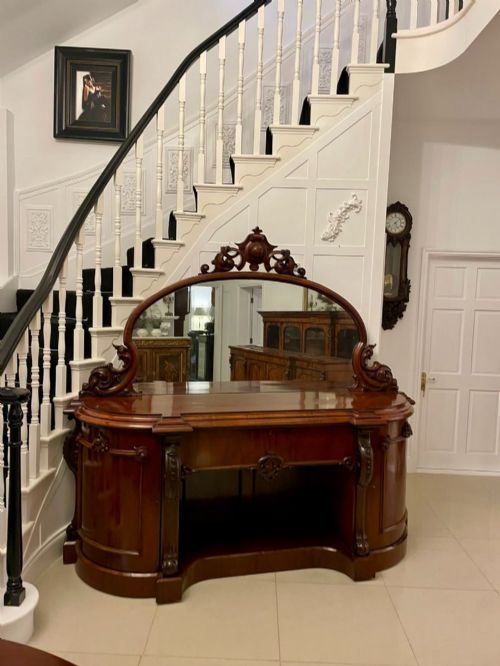
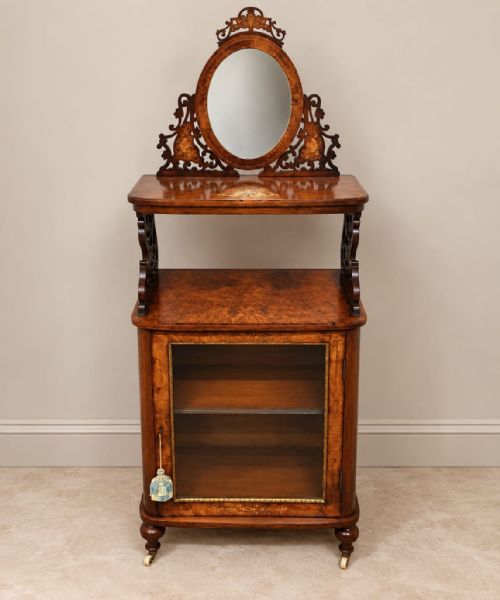
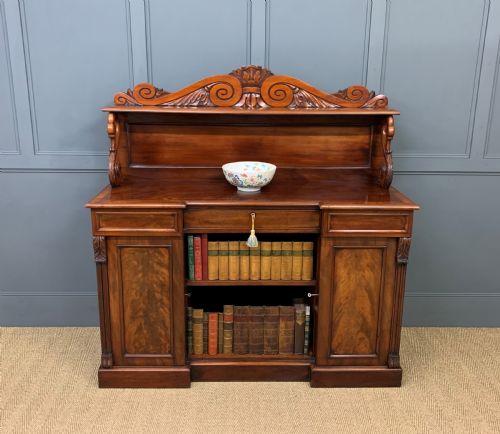
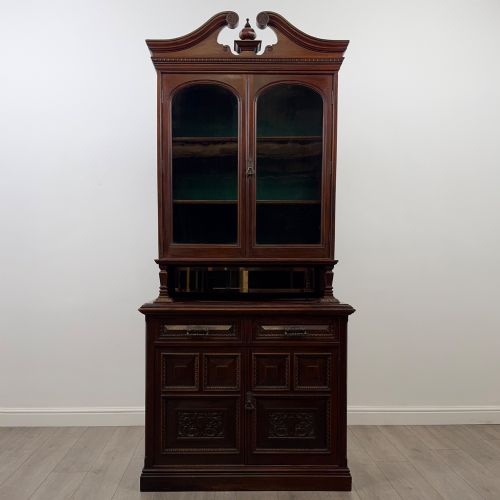
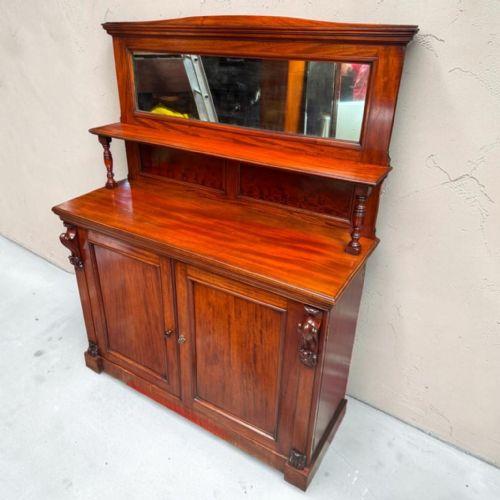
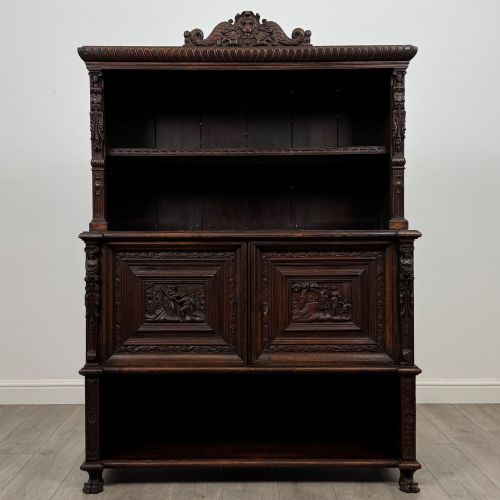
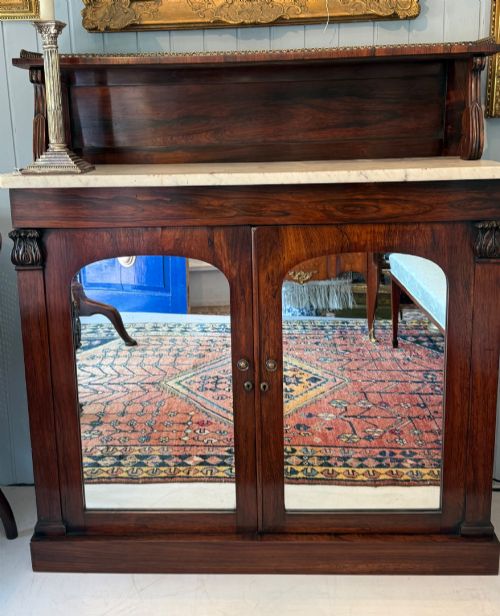
Solid timber and mirrored glass unite in a victorian chiffonier cabinet, offering enclosed storage and display space that anchors a dining room or parlour.
Victorian Chiffonier Cabinet
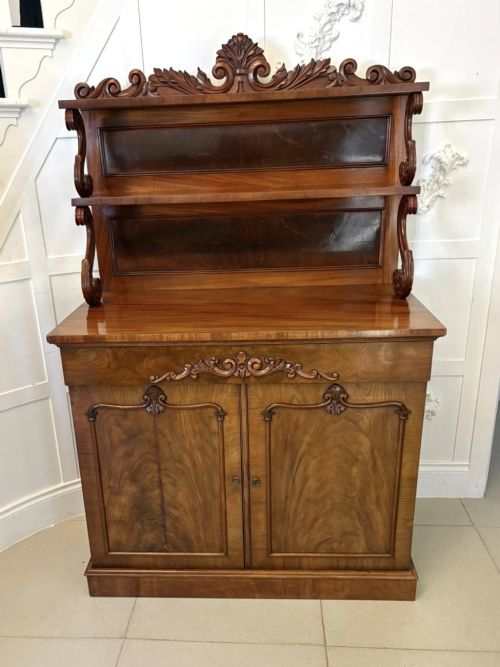
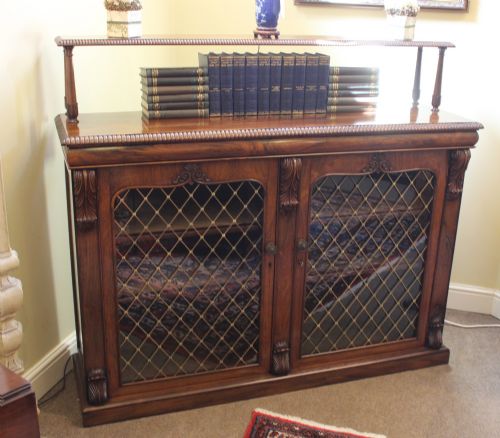
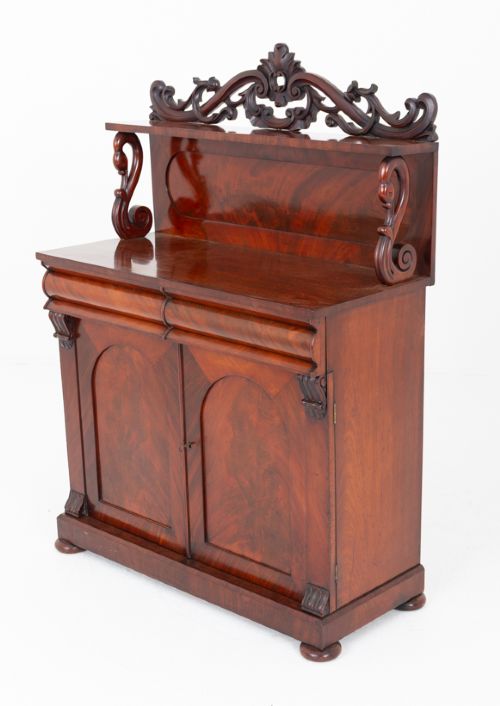
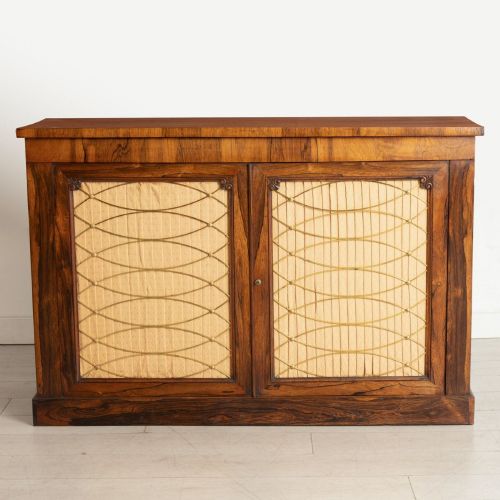
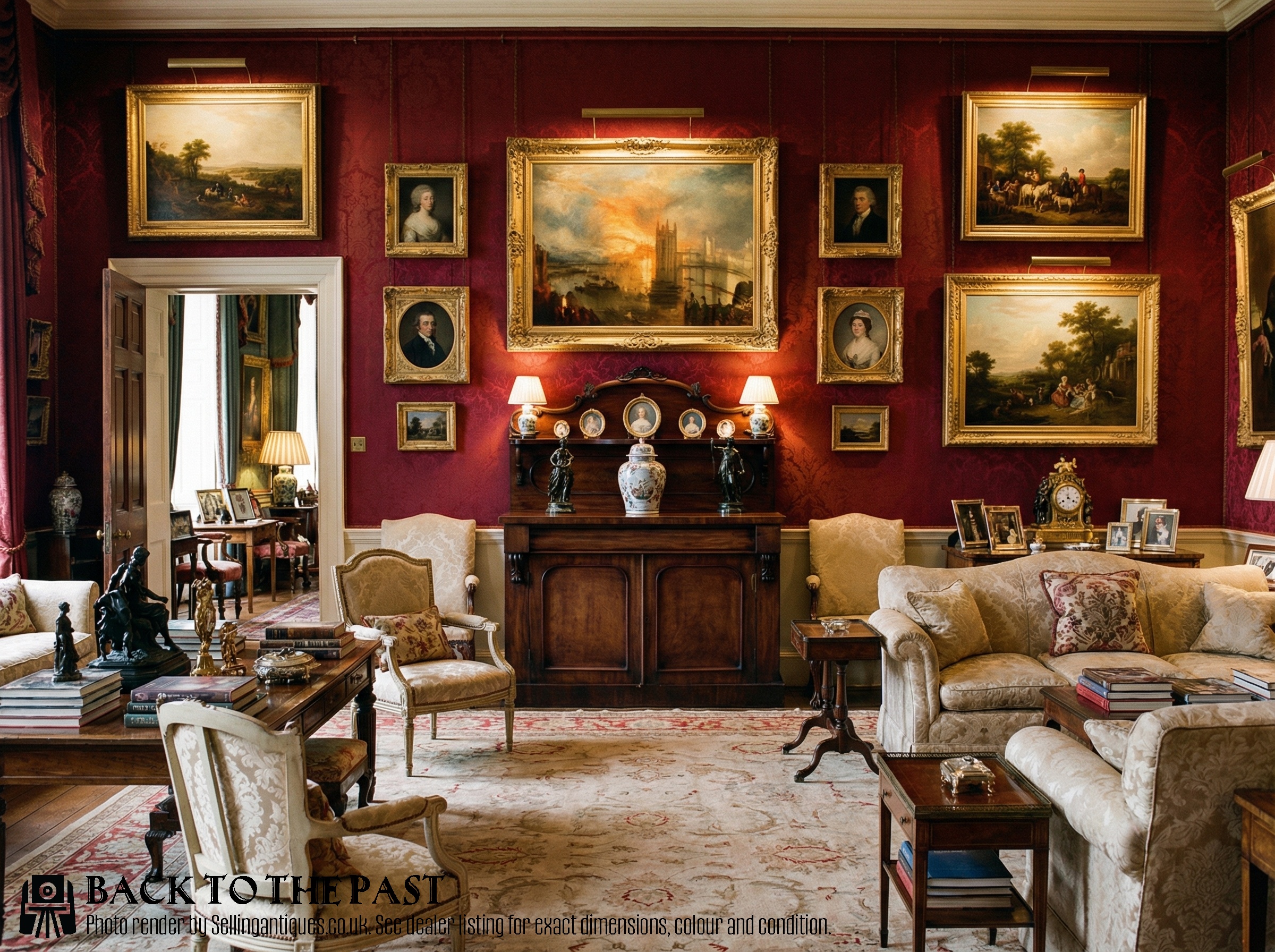
A victorian chiffonier cabinet combines a low sideboard base with an enclosed cupboard section, frequently topped by a raised shelf or a mirror-backed superstructure. These pieces evolved during the nineteenth century to serve dining rooms and living spaces as versatile storage units for porcelain, linen, and glassware.
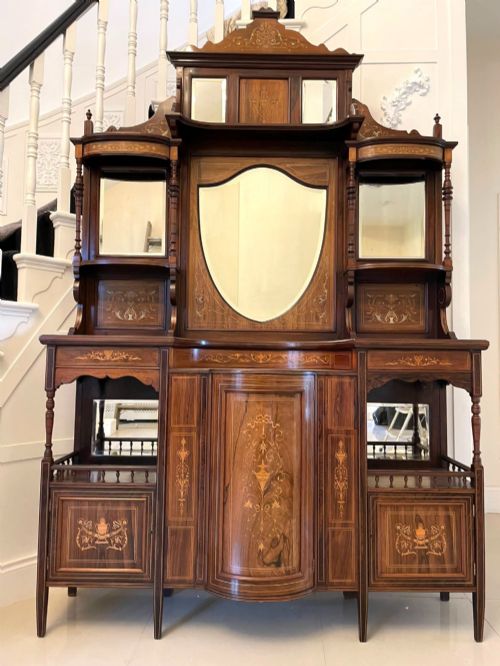
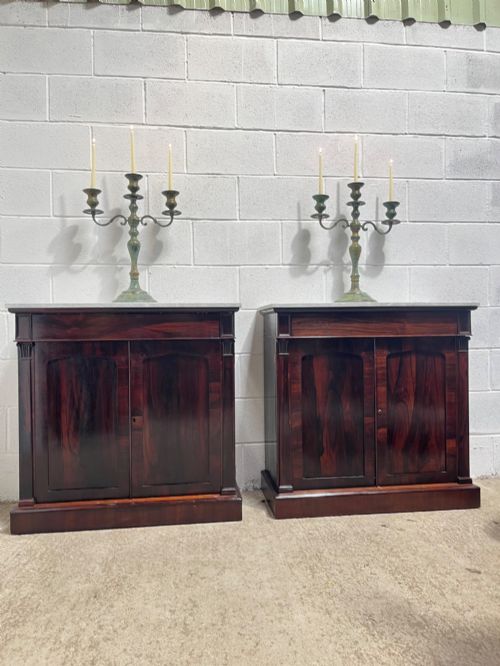
The version most commonly encountered on this page is constructed from rich mahogany or rosewood, often featuring a single drawer above a pair of panelled doors. Many examples incorporate glazed sections or upper tiers supported by scrolling consoles, reflecting the varied design impulses of the period from early utility to late revival styles.
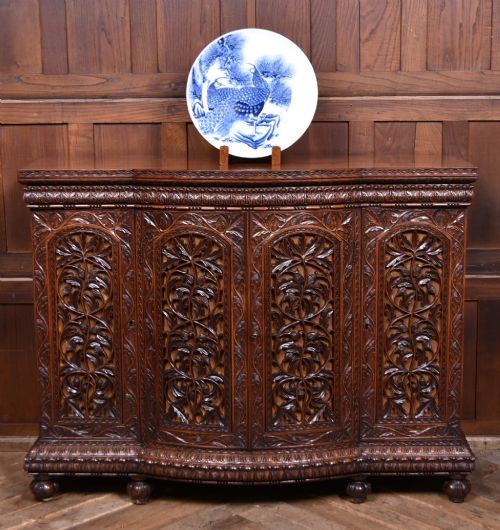
Makers utilised dense native and exotic hardwoods to build these items, occasionally pairing them with marble tops or intricate marquetry panels. The resulting furniture balances heavy structural utility with refined decorative carving, brass mounts, and polished wood grains.
Materials and Construction Techniques
Cabinetmakers relied heavily on solid mahogany, rosewood, and burr walnut, often applying finely figured veneers over stable secondary timbers to create rich exterior surfaces. These woods were hand-polished to a deep sheen that accentuated the natural grain patterns and knots.
Structural integrity was achieved through traditional joinery, with doors fitted into rebated frames and drawers constructed using hand-cut dovetail joints. Brass castors, ormolu mounts, and mirrored glass were frequently integrated to enhance mobility, light reflection, and visual weight.
Victorian Chiffonier Cabinet Retail Price Guide 2026
Typical asking prices for victorian chiffonier cabinet among the pieces listed under this phrase on Sellingantiques today, from the lower quarter to the upper quarter. They describe what is for sale here now, not the wider market.
Object forms span side cabinets, credenzas, bookcases, and traditional mirrored-back chiffonier sideboards.
Distinctions in Quality and Craftsmanship
Superior examples are distinguished by the selection of timbers, such as highly figured flame mahogany or richly patterned burr walnut matched symmetrically across door panels. Secondary woods and internal drawer linings also reveal the level of care invested by the cabinetmaker.
The refinement of carved ornament, the precision of inlaid marquetry, and the integration of original mirrored glass or marble slabs separate standard utility pieces from high-grade commissions. Subtle details like thumb-moulded drawer edges and substantial brass hardware indicate superior workshop standards.
Gillows·Liberty & Co.
The Victorian Chiffonier Cabinet Glossary
- Chiffonier
- A low sideboard or cabinet featuring a combination of drawers, cupboards, and frequently an upper shelf or mirror. This form gained popularity in the nineteenth century as a versatile dining room companion.
- Marquetry
- The art of applying pieces of veneer to a structure to form decorative patterns and pictorial designs. Cabinetmakers used contrasting timbers like satinwood and rosewood to achieve tonal depth.
- Ormolu
- Gilded bronze or brass mounts applied to furniture for decorative accent. These metal fittings added contrast and formal elegance to nineteenth-century case pieces.
- Burr Walnut
- Timber taken from the warted growths on walnut trees, yielding highly swirling, complex grain patterns. It was sliced into thin veneers for high-status cabinet doors and tops.
- Credenza
- A low dining room cabinet or sideboard, sometimes mirrored or glazed, originating from continental designs and adapted during the Victorian era.
Victorian Chiffonier Cabinet: Frequently Asked Questions
What rooms suit a chiffonier?
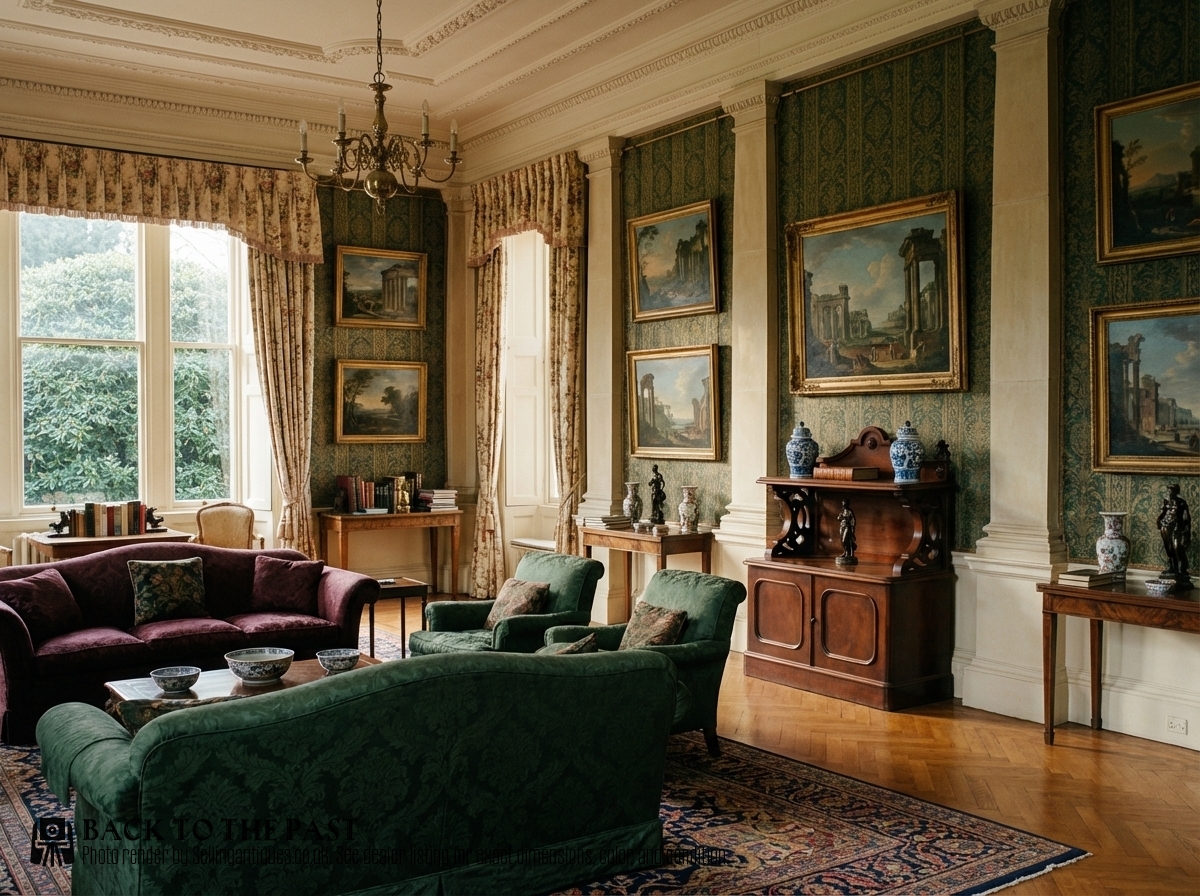
These cabinets work well in dining rooms or living spaces where low storage and surface display are required. Their compact height leaves wall space clear for art or mirrors above.
In hallways or studies, they provide practical enclosed space for books and papers while introducing rich nineteenth-century timber tones to the interior.
How do I care for the timber?
Maintain the finish by dusting regularly with a soft, dry cloth and avoiding placement near direct heat sources or strong sunlight. These precautions prevent the polished wood and antique veneers from drying out or splitting.
Applying a traditional wax polish occasionally helps nourish the grain and protect the surface from minor scuffs without building up heavy residues.
Were mirrors original to these pieces?
Many nineteenth-century chiffoniers incorporated mirror-backed superstructures designed to reflect light and brighten Victorian parlours. These mirrors were held in place by carved wooden frames and scrolling supports.
While some glass panels show mild age-related foxing, original mercury-backed or early silvered mirrors remain a characteristic feature of the more decorative examples.
How do early and late styles differ?
Earlier nineteenth-century pieces tend to feature cleaner architectural lines, flame mahogany veneers, and restrained carved scrolls. They emphasise simple utility combined with high-quality timber selection.
Later Victorian examples often incorporate heavier carved decoration, aesthetic movement influences, marquetry inlays, and more elaborate superstructure designs with glazed display compartments.