


Victorian Chemist Jar
These heavy glass and ceramic victorian chemist jar pieces brought order to nineteenth century shop shelves, and today they anchor a room with substance and history.
Victorian Chemist Jar
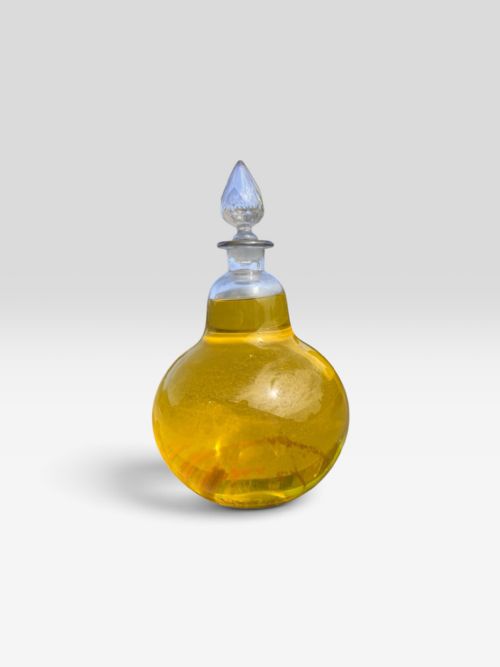
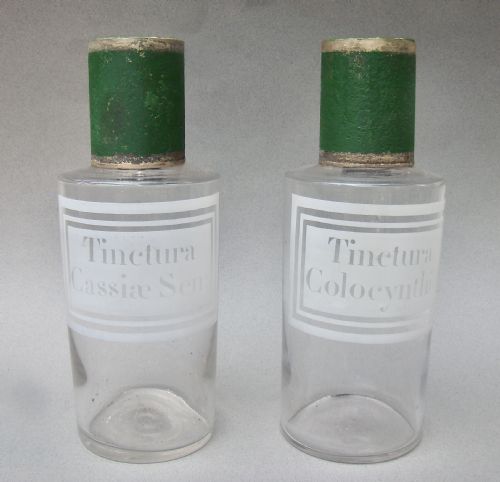
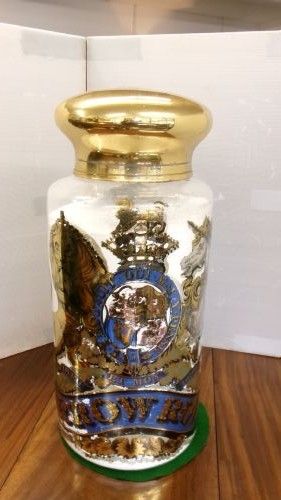
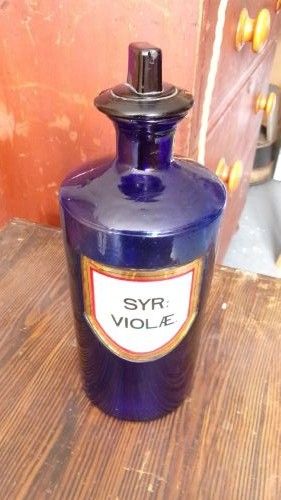
A victorian chemist jar is a heavy glass vessel, ceramic container or carboy designed to hold dry drugs, liquids and preparations in nineteenth century apothecaries. These containers range from small shelf bottles with ground stoppers to large window display carboys and covered jars labelled for specific contents like arrowroot or gelatine.
The pieces appearing on this page date principally from the nineteenth century, including Victorian periods and the year 1900, alongside French nineteenth century examples and Edwardian pieces. Forms include apothecary jars, pharmacy bottles, vessels, carboys and table lamps fashioned from former display pieces.
Buyers encounter single vessels, pairs and assembled sets of varying scales, from cabinet-sized bottles to substantial counter displays. Most items feature clear, blue, green or coloured glass, whilst ceramic and box wood variants appear less frequently.
Materials and construction methods
Makers fashioned these vessels primarily from hand blown glass, shaped into robust bottles, jars and bulbous carboys with thick walls designed to withstand daily apothecary use. Artisans applied gold leaf, paint and paper labels directly to the surfaces or etched the glass to identify contents.
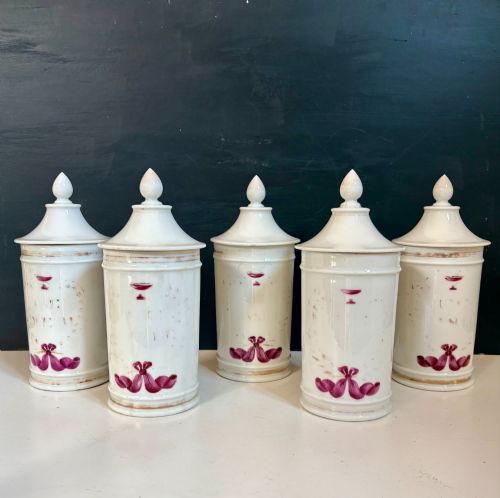
Ceramic and box wood alternatives utilise traditional potters' glazes and turned wood techniques for dry goods storage. Brass fittings occasionally appear on adapted pieces such as table lamps.
Victorian Chemist Jar Retail Price Guide 2026
Typical asking prices for victorian chemist jar among the pieces listed under this phrase on Sellingantiques today, from the lower quarter to the upper quarter. They describe what is for sale here now, not the wider market.
Materials recorded across the archive and current listings include glass, gold leaf, paper, ceramic, glaze, brass, paint and metal.
Judging quality in nineteenth century apothecary glass
Quality rests upon the clarity and weight of the glass, the presence of original hand blown characteristics such as pontil marks, and the survival of matching stoppers. Etched decoration and genuine hand-painted or gold leaf labels elevate a piece far above plain commercial storage.
Completeness dictates value, particularly in matched sets or pairs where uniform height and original lids remain intact. The depth of colour in Bristol blue and green glass vessels also signals superior manufacture.
Samuel Alcock and Co
The Victorian Chemist Jar Glossary
- Carboy
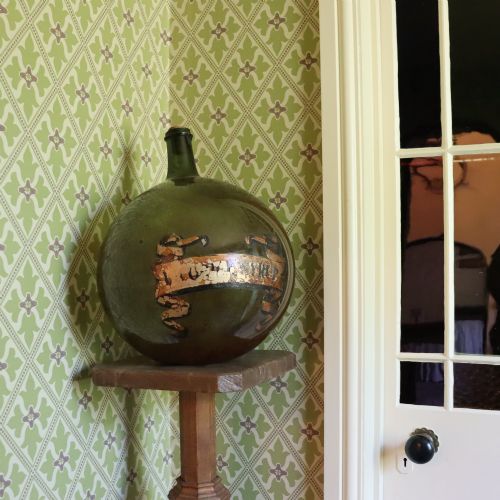
- A large globular glass bottle or vessel, often used in chemist shop windows to catch the light and attract customers. These substantial pieces sat on counters or in front windows.
- Pontil mark
- A scar left on the base of hand blown glassware where the punty rod was snapped off after shaping. Its presence confirms traditional nineteenth century manufacturing methods.
- Stopper
- The glass or wooden plug that seals the neck of a jar or bottle, ground to fit an individual vessel. Matched original stoppers greatly enhance a piece.
- Bristol blue
- A deep cobalt blue glass traditionally produced in the Bristol area during the eighteenth and nineteenth centuries. Apothecaries favoured this colour to protect light-sensitive contents.
Victorian Chemist Jar: Frequently Asked Questions
What did they hold?
These vessels stored dried herbs, powders, chemical compounds and liquid medicines in nineteenth century pharmacies and dispensaries. Specific items were labelled for contents such as arrowroot or gelatine.
Larger carboys held coloured water in shop windows to advertise the chemist's trade to passers-by on the street.
Are the stoppers original?
Many surviving bottles retain their ground glass or fitted stoppers, which were individually ground to fit each specific neck during production.
Because stoppers easily became swapped or lost over decades of use, finding a piece with its matching original closure is a notable advantage.
Where were they used?
Chemists arranged these jars on wooden shelving behind the dispensing counter or lined them up on high window sills to catch the daylight.
Large carboys and display jars stood prominently in shop windows as symbols of the apothecary profession.