
Victorian Carved Footstool
These robust and finely detailed pieces bring period charm and practical comfort to any room, anchoring a seating arrangement with solid historic character.

Victorian Carved Footstool
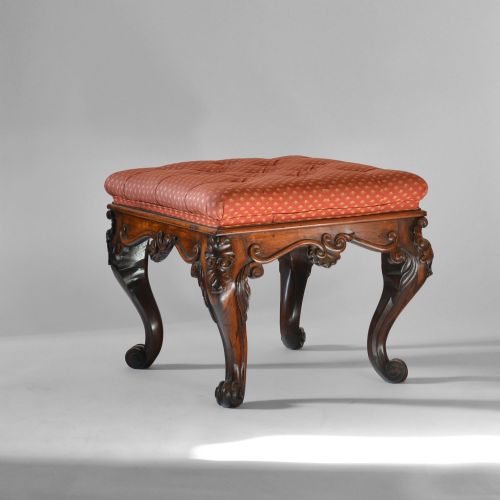
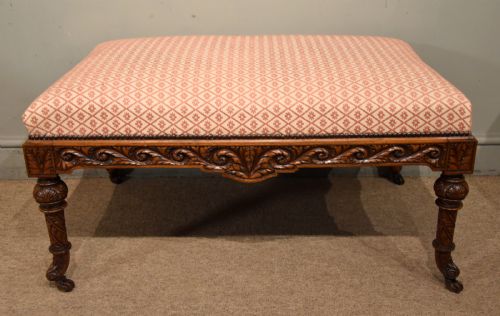
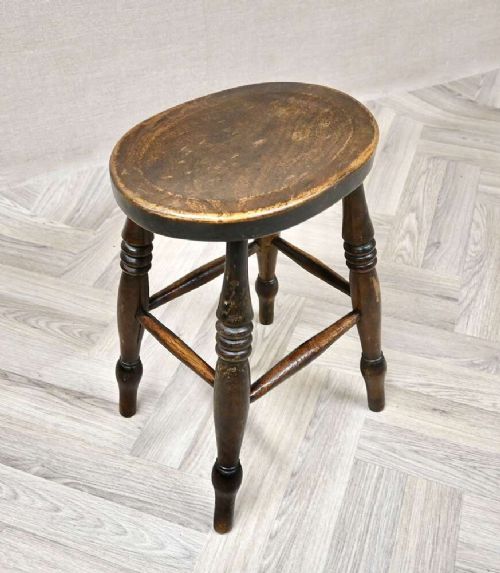
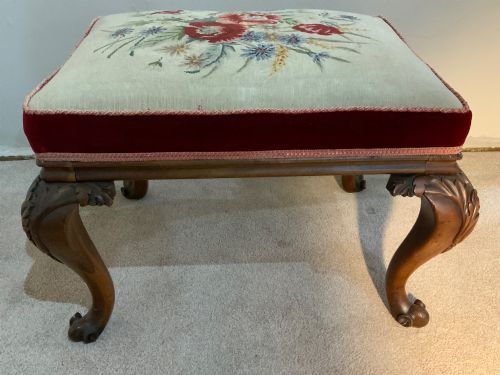
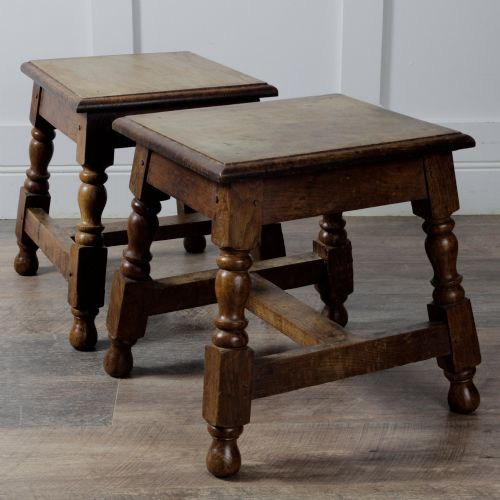
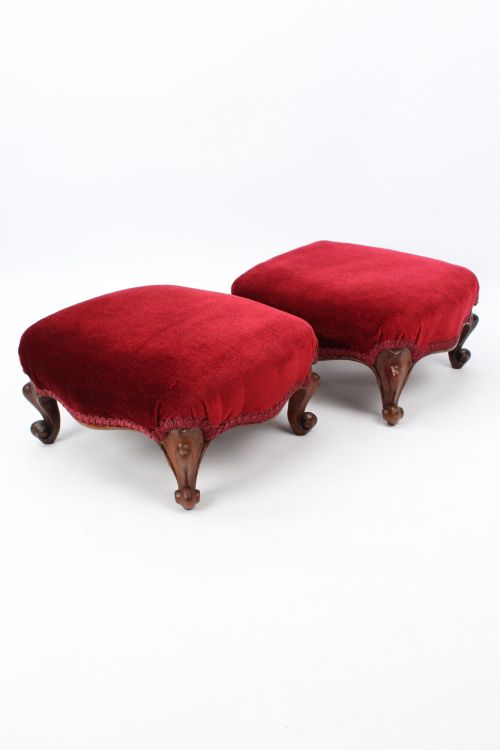
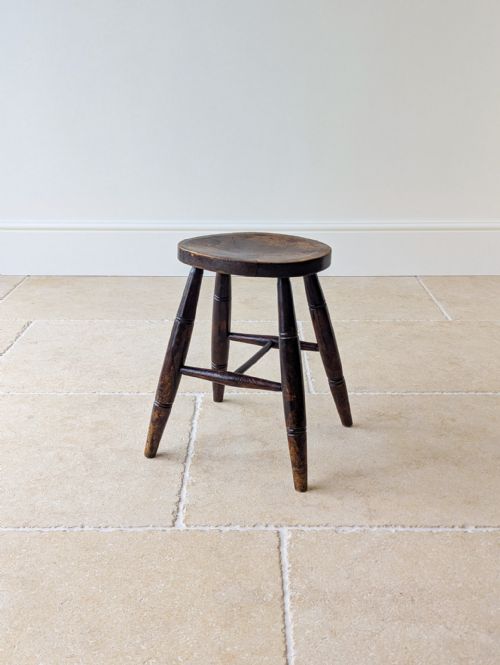
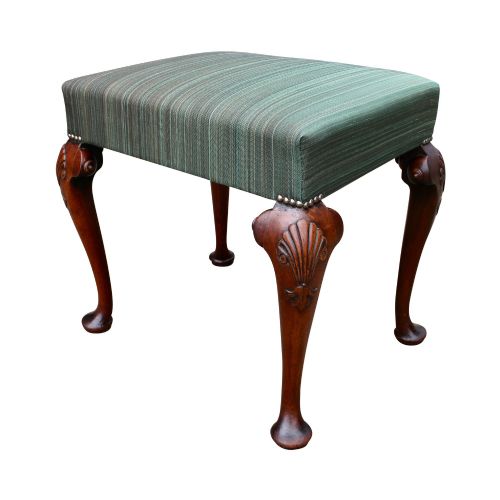
When searching for a victorian carved footstool, a buyer encounters a diverse range of 19th-century seating designed for fireside, parlour, or dressing room use. The pieces span straightforward vernacular timber benches to ornate revival designs featuring elaborate scrollwork and padded upholstery.
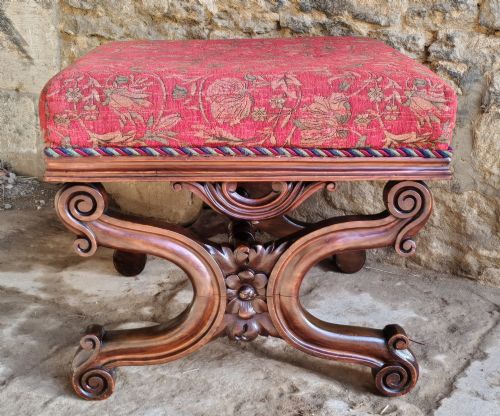
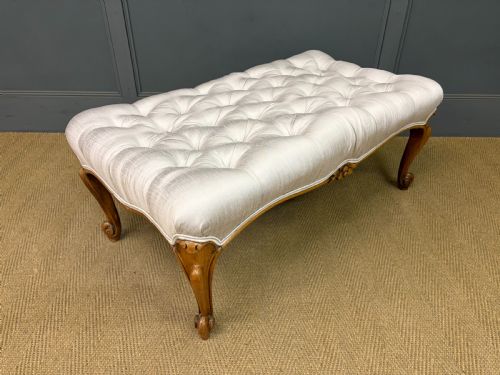
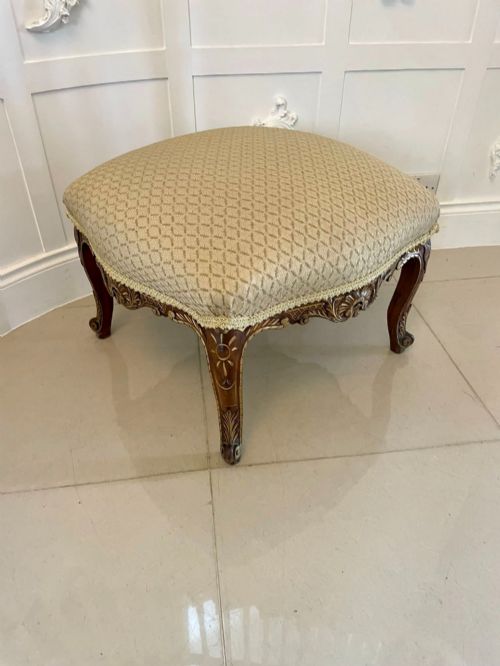
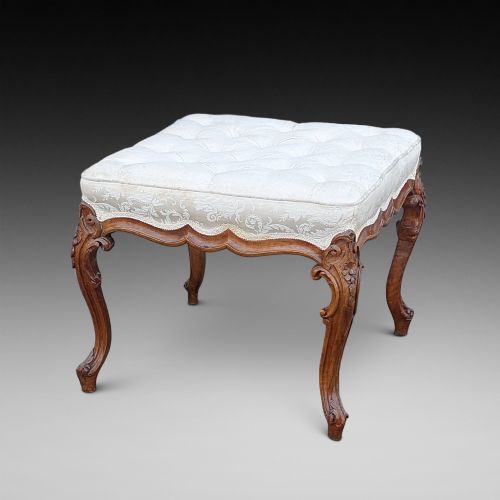
Most examples originate from the broader Victorian era, with specific pieces dating from the 1850s to the 1880s alongside related William IV and Regency variants. Common structural forms include cabriole-legged walnut frames, X-frame stools, and low oak or mahogany platforms intended for hearth or dressing table placement.
Woods and upholstery techniques
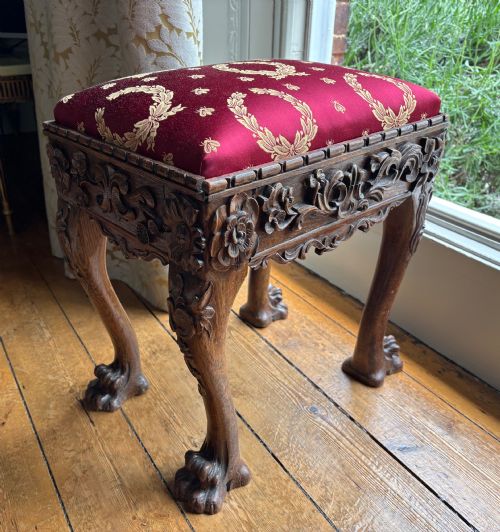
Cabinet makers built these frames primarily using dense hardwoods such as walnut, mahogany, and rosewood, occasionally employing oak or exotic timbers like goncalo alves and burr maple. Frames frequently display deeply carved ornamentation, spiral turnings, or gilt accents that reflect prevailing revival styles.
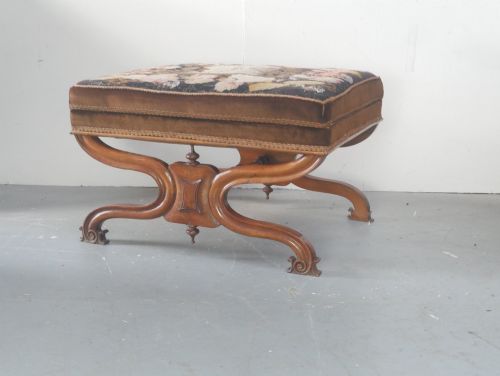
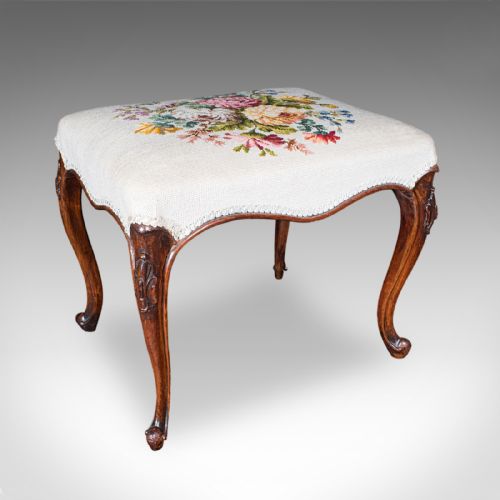
Upholstered elements rely on traditional textiles including velvet, needlepoint, tapestry, beadwork, and hand-dyed leather secured over padded foundations. Joinery methods involve sturdy mortise and tenon construction designed to withstand regular domestic weight.
Distinctions in craftsmanship and design
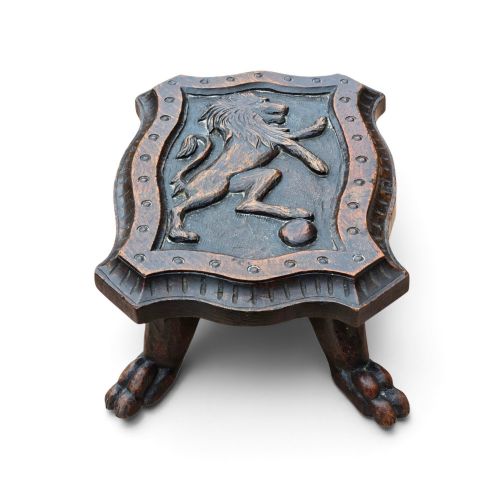
Superior items separate themselves through the crispness and depth of hand-carved details on the wooden frame, such as heraldic motifs, claw-and-ball feet, or complex foliate scrolls. The choice of timber also dictates quality, with figured rosewood, burr maple, and solid walnut commanding higher regard than standard pine or plain oak.
The integrity of the structural joinery and the authenticity of the period textile or leather upholstery further define the better examples. Pieces retaining their original configuration without heavy timber replacement or unsympathetic modern re-gluing represent the more desirable end of the spectrum.
The Victorian Carved Footstool Glossary
- Cabriole leg
- A furniture leg that curves outward at the knee and tapers inward to an ankle, finishing in a foot such as a scroll or claw-and-ball. This profile dominates mid-19th-century revival seating.
- Needlepoint
- A form of canvas work embroidery executed with wool yarn, frequently seen on Victorian stool tops in floral or geometric patterns. It provides a durable and textured seating surface.
- X-frame
- A seating structure formed by intersecting diagonal stretchers that create an X-shaped profile from the side. This classical frame design offers robust support for upholstered cushions.
- Rococo Revival
- A 19th-century design movement characterised by asymmetrical scrollwork, flowing organic curves, and naturalistic floral carvings. It appears frequently on walnut and rosewood frames from the 1860s and 1870s.
- Goncalo Alves
- A dense exotic hardwood with striking contrasting dark brown and golden-brown figuring. Makers occasionally utilised this durable material for high-end dressing table stools.
Victorian Carved Footstool: Frequently Asked Questions
How were these stools used?
Victorian footstools served multiple domestic functions, primarily providing comfort by keeping feet elevated away from cold draughty floors near the hearth. They also doubled as piano benches, dressing table seats, or small occasional stands depending on their height and surface area.
Larger variants often functioned as hearth stools or low coffee tables in contemporary settings. Smaller padded versions accommodated needlework tasks and fireside relaxation in the principal rooms of the house.
How do I identify a Victorian piece?
Look for characteristic timber choices like dark walnut, rosewood, and mahogany combined with period construction methods such as hand-cut joinery and traditional upholstery webbing. Stylistic cues like heavy cabriole legs, deep relief carving, and beadwork or needlepoint tops point directly to the 19th century.
Revival influences such as Queen Anne, Rococo, or Scottish Baronial motifs further anchor the piece within the Victorian era. Examining the underside often reveals the aged patina of old hardwood and hand-wrought fixings.
Can these stools hold daily weight?
Solid hardwood frames built with traditional joinery remain remarkably sturdy and support regular sitting when the structural joints are sound. Checking that the frame wobbles neither at the legs nor the corners ensures safe everyday use.
Periodic checks of the glue blocks and stretcher joints help maintain their structural integrity over time. Professional conservation can easily secure any loose joints without compromising the historic fabric.
How do I care for the wood and fabric?
Protect wooden frames from direct sunlight and rapid humidity changes to prevent timber splitting or veneer lifting. Regular dusting with a soft, dry cloth preserves the natural patina of walnut and mahogany.
Original textiles and leather require gentle handling and should be kept away from excessive moisture. Professional textile conservationists can clean antique needlepoint or velvet without damaging the underlying fibres.