



Blue Upholstered Stool
A blue upholstered stool brings practical seating and period charm to a room, offering rich wood frames and tactile textile tops.

Blue Upholstered Stool
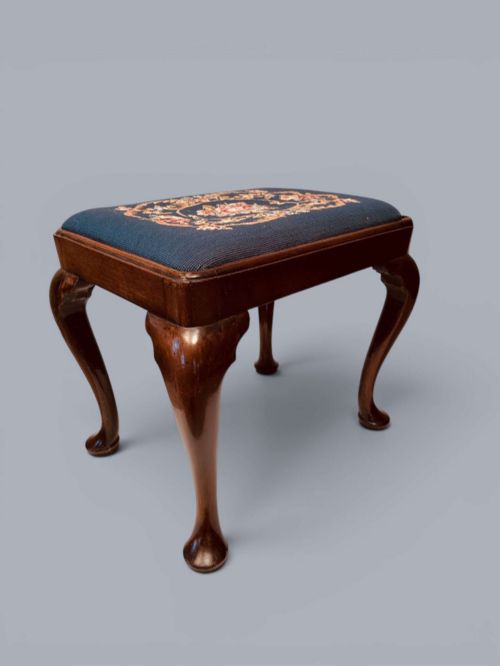
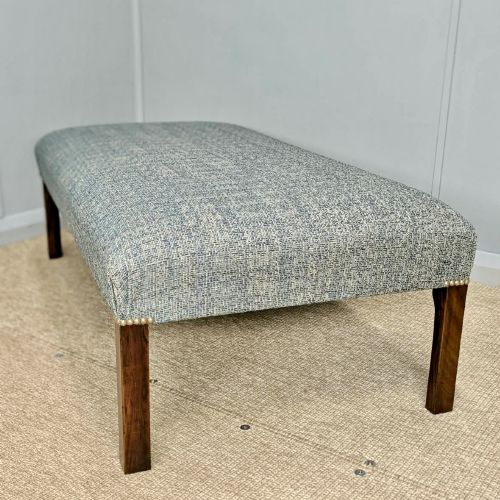
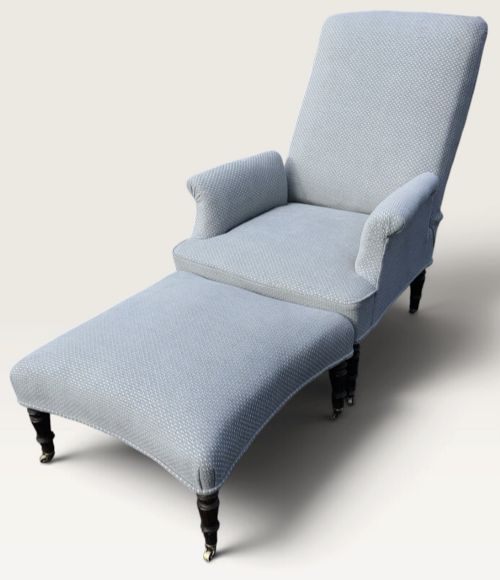
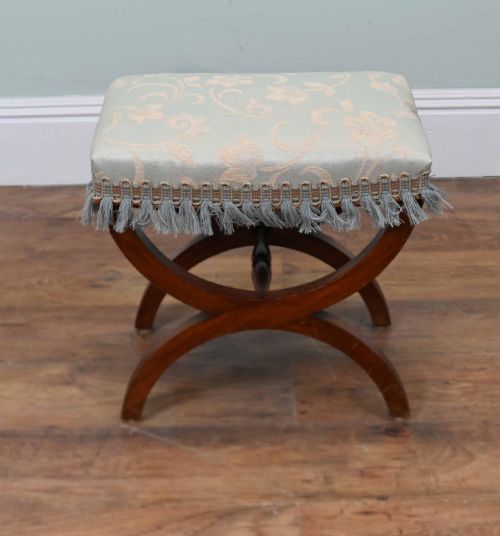
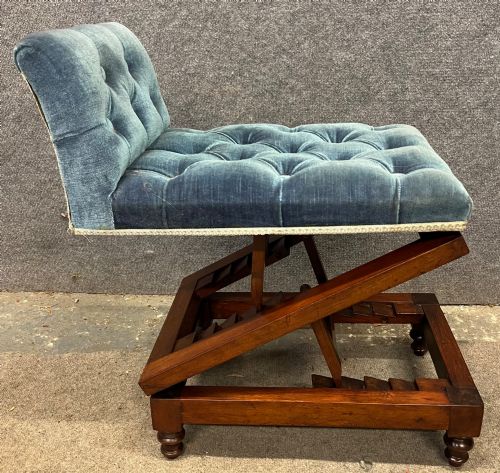
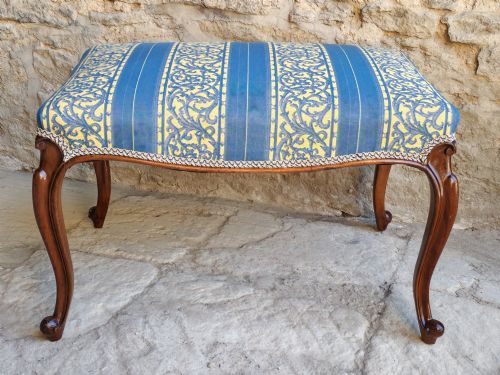
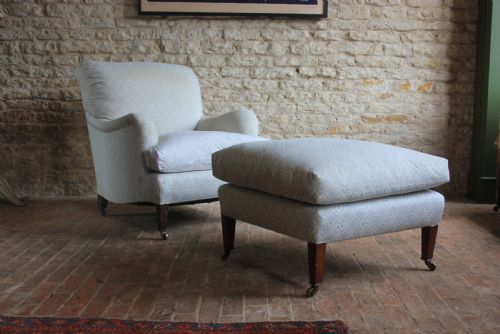
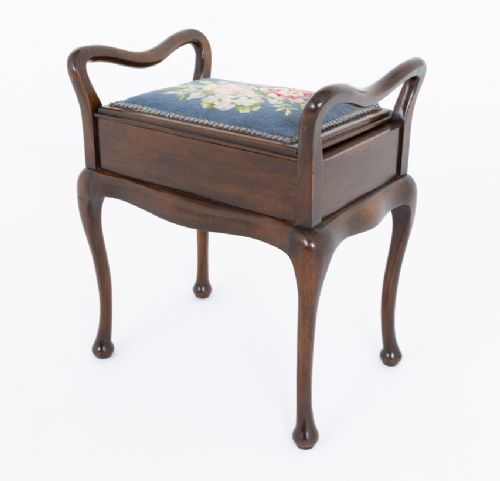
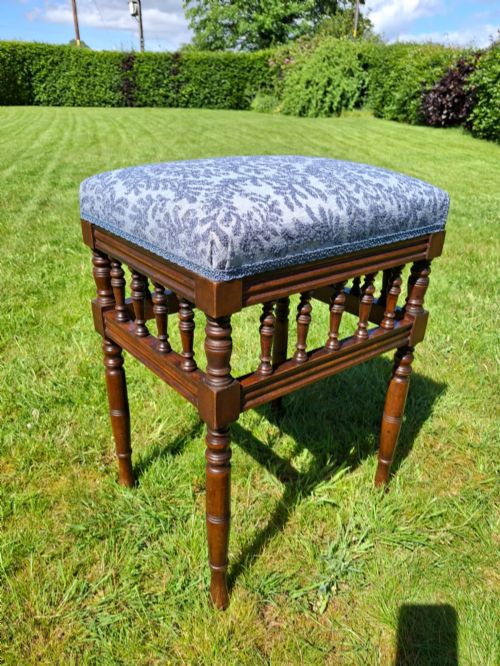
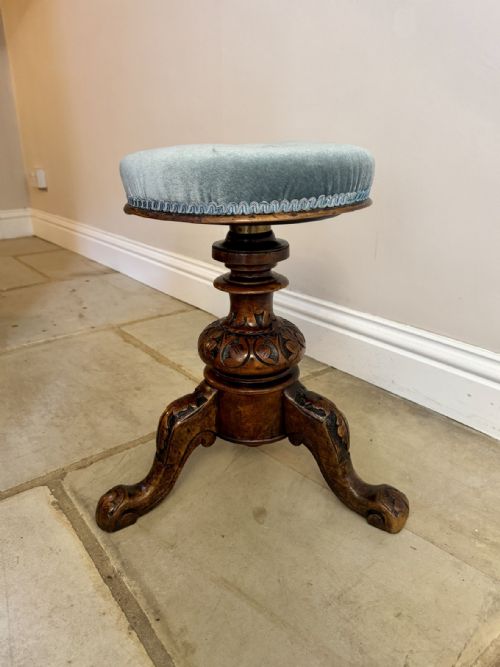
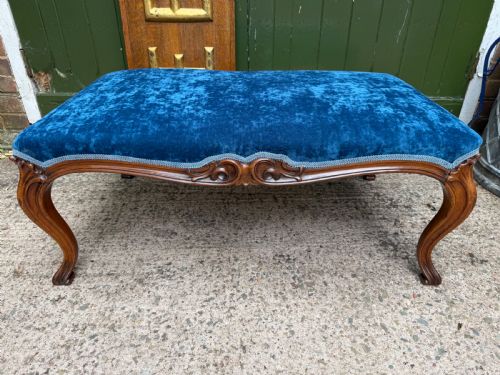
When you search for a blue upholstered stool, you encounter a selection of seating forms spanning the Victorian and Edwardian eras. These pieces primarily encompass piano stools, footstools, and larger benches created for domestic utility and comfort.
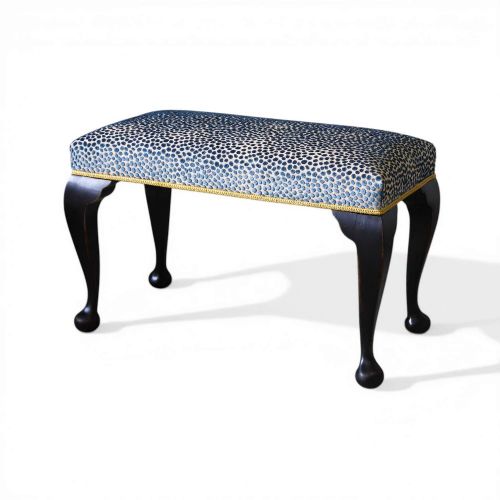
The inventory ranges from compact footstools to expansive duet piano stools and larger mid-nineteenth-century framed seating. Walnut, mahogany, and ebonised wood form the structural basis of these items, paired with diverse fabric coverings.
Period examples showcase specific stylistic revivals including Queen Anne and William IV influences. The blue upholstery appears across various textiles, from ticking stripe and toile de jouy to contemporary fabric renewals.

Materials and construction methods
Makers utilised solid hardwoods such as mahogany and walnut for the primary frames, alongside ebonised wood finishes. Turned legs, carved details, and integrated metal components provide structural support and decorative articulation.
Upholstery techniques involve traditional textile applications secured with braid trim. The combination of dense wood frames and layered fabric creates durable domestic seating designed for regular use.
Blue Upholstered Stool Retail Price Guide 2026
Typical asking prices for blue upholstered stool among the pieces listed under this phrase on Sellingantiques today, from the lower quarter to the upper quarter. They describe what is for sale here now, not the wider market.
Some Victorian piano stools were built wide enough for two musicians, proving that musical duets required serious seating arrangements.
Markers of superior craftsmanship
Superior examples display crisp carving on walnut or mahogany frames and robust joinery that ensures long-term stability. The integration of turned legs and balanced proportions distinguishes finer cabinet work from utilitarian pieces.
The execution of the upholstery, including the neatness of braid work and the selection of quality textile coverings, elevates the overall finish. Heavier scale and sophisticated revival styling indicate higher workshop ambition.
The Blue Upholstered Stool Glossary
- Duet piano stool
- An extended seating form designed to accommodate two people simultaneously during musical practice. These pieces often feature hinged lids or wider proportions.
- Ebonised wood
- Timber treated with a chemical stain or finish to imitate expensive ebony. This dark, polished surface enjoyed popularity during the Victorian and Edwardian periods.
- Turned legs
- Support members shaped on a lathe to create cylindrical, spiral, or tapered profiles. This method adds decorative flair to the corners of stools and small tables.
- Toile de jouy
- A traditional cotton or linen textile featuring printed pastoral scenes, typically in a single colour on a light background. It appears on revival ottomans and decorative stools.
Blue Upholstered Stool: Frequently Asked Questions
How do I identify an Edwardian stool?
Edwardian pieces often feature ebonised wood or light mahogany frames paired with turned legs and functional upholstery. The style emphasises versatility and domestic convenience.
These items generally display lighter proportions compared to their heavier Victorian predecessors.
What woods were used for these stools?
Makers predominantly utilised mahogany and walnut for structural stability and rich grain appearance. Ebonised wood also appears as a popular dark finish.
Metal components are sometimes integrated into the mechanical or structural elements of piano stools.
How should I live with a period stool?
Period stools suit placement at the foot of a bed, beside a fireplace, or positioned at a dressing table. Their compact nature allows for easy movement around living spaces.
Regular care of the wooden frame and gentle cleaning of the textile top preserve their condition.