





Antique Rectangular Stool
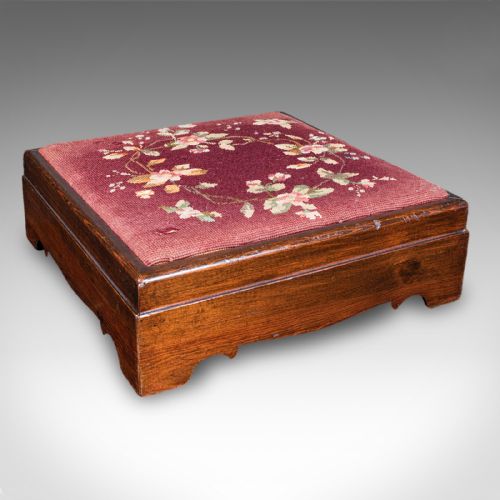
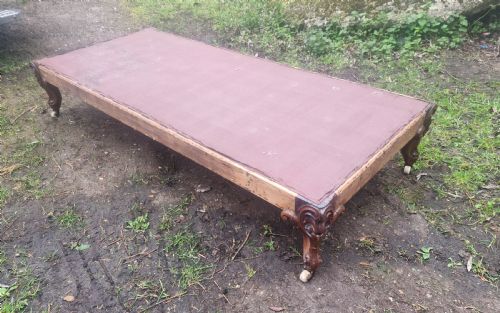
An antique rectangular stool brings low-slung seating and historic proportion to a room, ranging from compact fireside footstools to large upholstered salon pieces.

Antique Rectangular Stool
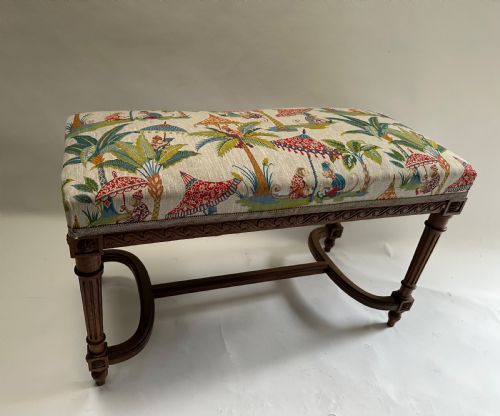
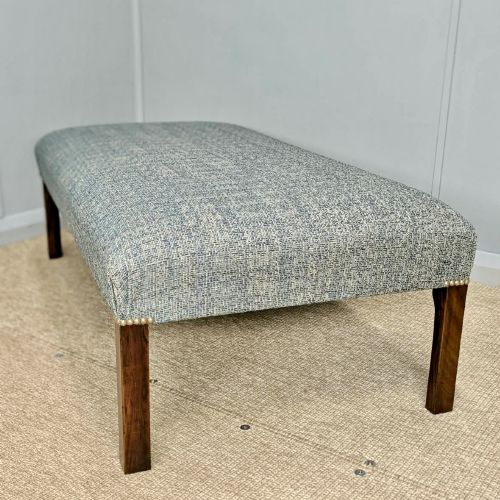
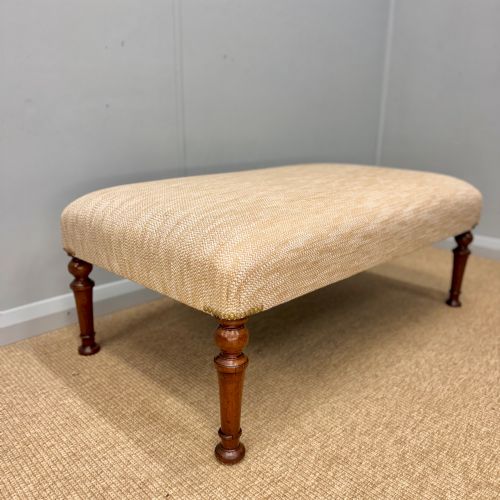
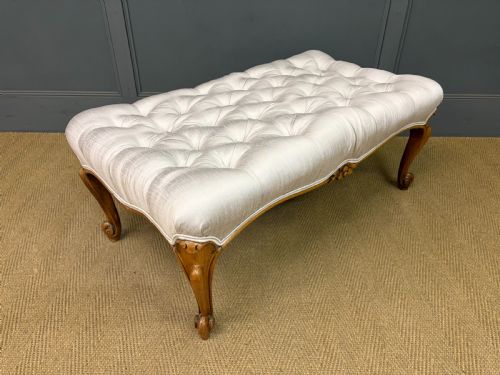
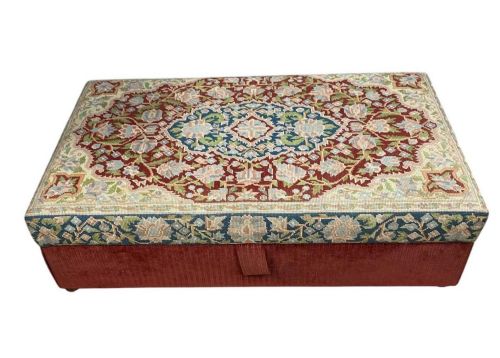
An antique rectangular stool serves various domestic purposes across centuries of design, functioning as a footstool, dressing table seat, or fireside bench. These pieces appear in numerous forms, from modest oak joint stools to heavily carved Victorian rosewood salon seating.
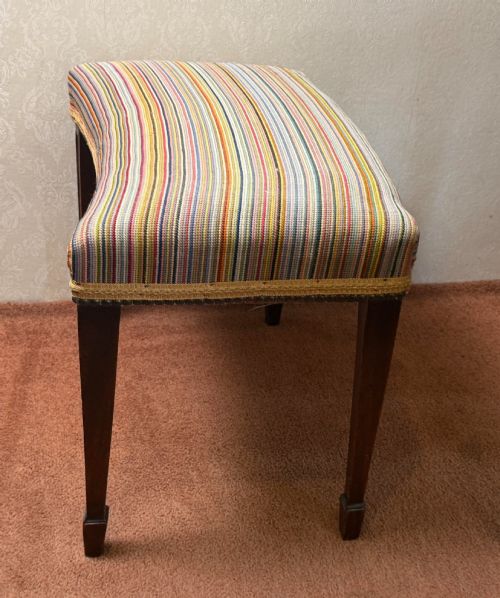
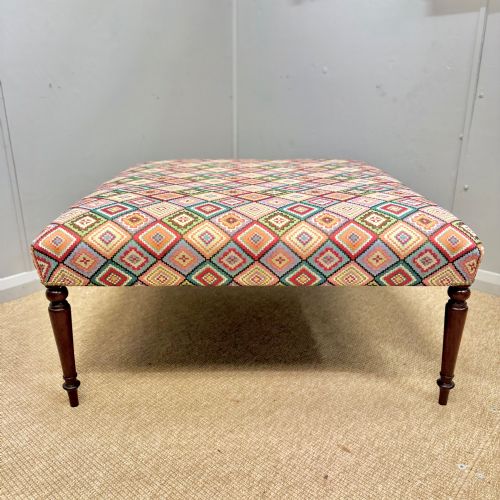
The domestic role of each piece dictates its proportion and height, with low footstools designed for hearthside comfort and taller framed examples built for dressing tables or piano benches. Many items feature upholstered tops covered in fabric, leather, or tapestry, while others display exposed timber frames with cane or woven rattan.
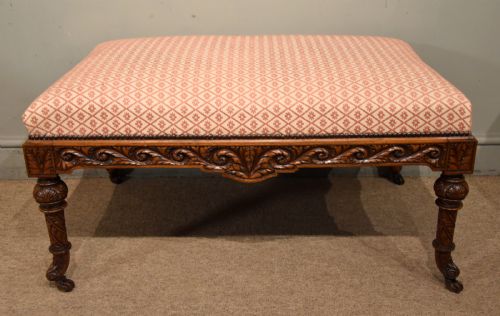
Victorian and nineteenth-century examples dominate the available selection, often exhibiting rich rosewood or walnut frames alongside decorative carving and brass castors. Earlier eighteenth-century variants showcase mahogany and walnut construction with simpler tapered or cabriole legs.
How they were made
Cabinetmakers constructed the frames of these stools using durable hardwoods such as mahogany, oak, walnut, and rosewood, frequently employing traditional joinery like mortise and tenon. Secondary timbers such as pitch pine appear in concealed structural areas.
Upholstered variants rely on internal webbing, stuffing, and outer textile coverings including damask, leather, and tapestry, secured with traditional tacks. Wooden frames display hand-carved details, turned legs, or applied cross stretchers for added stability.
Antique Rectangular Stool Retail Price Guide 2026
Typical asking prices for rectangular stool among the pieces listed under this phrase on Sellingantiques today, from the lower quarter to the upper quarter. They describe what is for sale here now, not the wider market.
Listings feature woods such as mahogany, oak, walnut, rosewood, and burr yew across various centuries.
What varies in quality
The refinement of the timber carving and the architectural balance of the frame distinguish superior pieces from utilitarian ones. Crisp mouldings, well-proportioned legs, and substantial timber thickness indicate careful workshop execution.
The integrity of the original frame construction and the quality of the secondary woods affect the overall merit of the piece. Subtle details such as neat joinery and harmonious proportions elevate a standard stool into a notable example of period craftsmanship.
Howard and Sons
The Antique Rectangular Stool Glossary
- Joint stool
- A solid timber framed seat constructed with pegged mortise and tenon joints rather than turned or glued assembly. These sturdy forms date back to the seventeenth century and earlier.
- Cabriole leg
- A furniture leg that curves outward at the knee and tapers inward toward the ankle, often ending in a pad or claw foot. This design became prominent during the eighteenth century.
- Cross stretcher
- An intersecting wooden brace connecting the lower legs of a stool to provide structural rigidity. They frequently feature central finials or turned junctions.
- Giltwood
- Timber coated with a thin layer of gold leaf or metallic powder for decorative effect. This finish appears predominantly on ornate revival styles.
- Damask
- A reversible, figured fabric with patterns woven into the cloth, frequently utilised for historic upholstery. It provides a formal texture well suited to salon seating.
Antique Rectangular Stool: Frequently Asked Questions
How do I date an antique stool?
Dating relies on examining the timber species, joinery techniques, and leg styles visible in the frame. Eighteenth-century pieces typically feature mahogany or walnut with simple tapered or cabriole supports, whereas nineteenth-century variants often employ rosewood, elaborate carving, and brass castors.
Secondary woods and upholstery methods also offer clues to the period of manufacture. Comparing the construction details against documented regional workshop practices helps confirm the age.
Were these stools used as footstools?
Many rectangular stools served as footrests by the fireside or in front of larger armchairs and ottomans. Their low profile and padded tops provided comfort for resting feet during colder months.
Other taller variants functioned as dressing table seats, piano stools, or independent salon seating. The height and presence of castors usually indicate whether a piece was meant for stationary seating or mobility across carpets.
What is a joint stool?
A joint stool is an early form of wooden seating constructed with pegged mortise and tenon joints rather than turned components. They are characteristically sturdy and date back to seventeenth-century domestic interiors.
These pieces typically feature rectangular oak tops supported by straight, turned legs and low stretchers. Their simple construction made them durable items for everyday household tasks.