



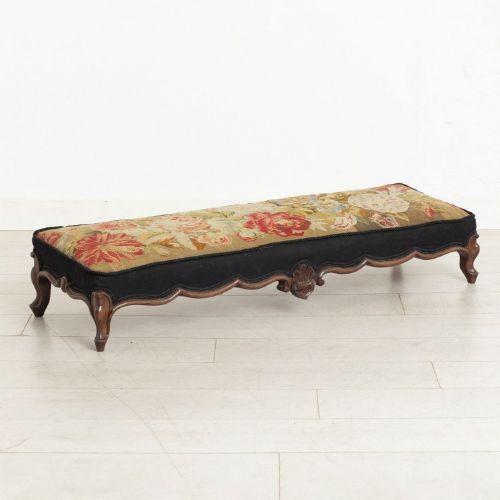
Victorian Low Bench
These Victorian low bench pieces are solid wooden and upholstered seats designed for resting feet or low sitting, bringing period utility to modern rooms.

Victorian Low Bench
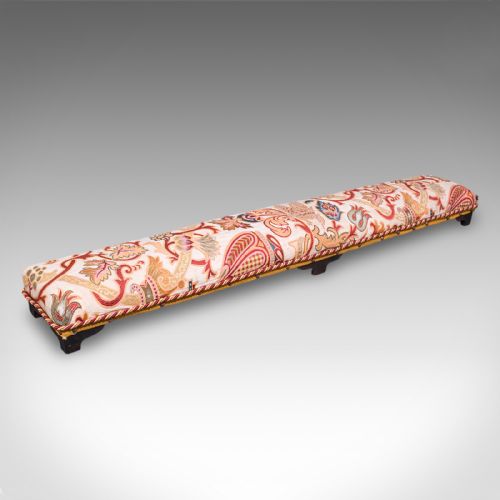
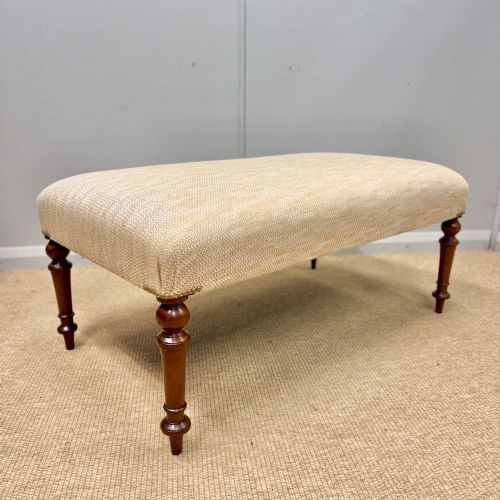
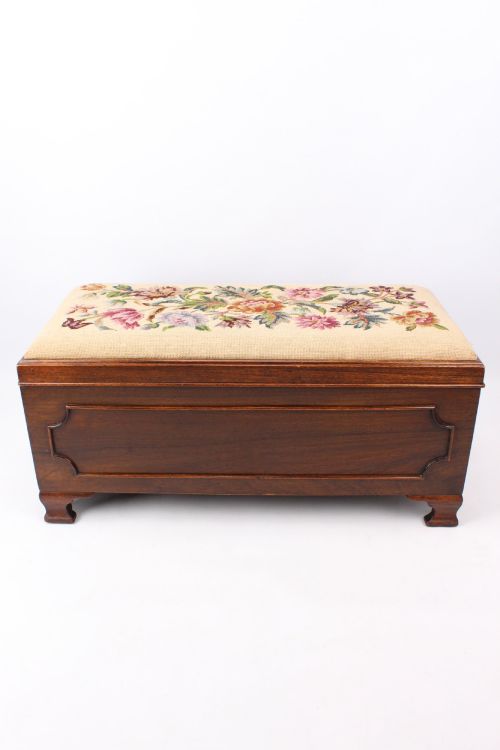
A Victorian low bench typically manifests as a footstool, fender stool, long ottoman, or low seating platform derived from nineteenth-century forms. Buyers seeking a victorian low bench encounter heavy timber frames paired with textile, leather, or cane surfaces designed for domestic comfort.
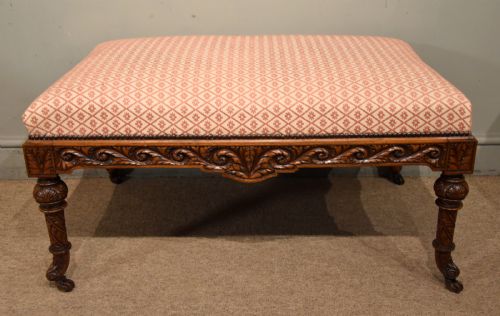
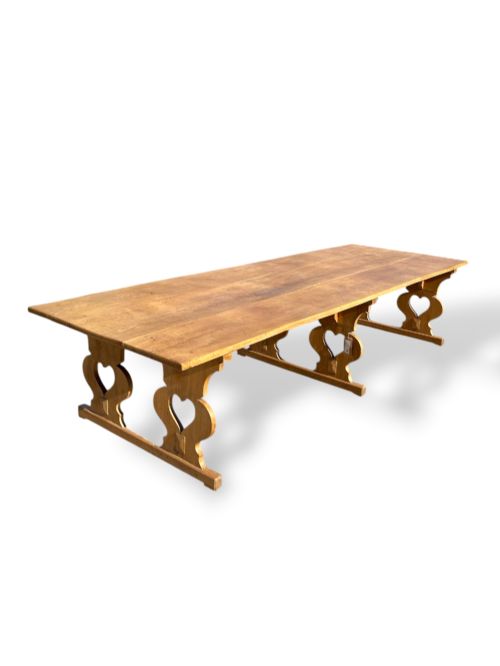
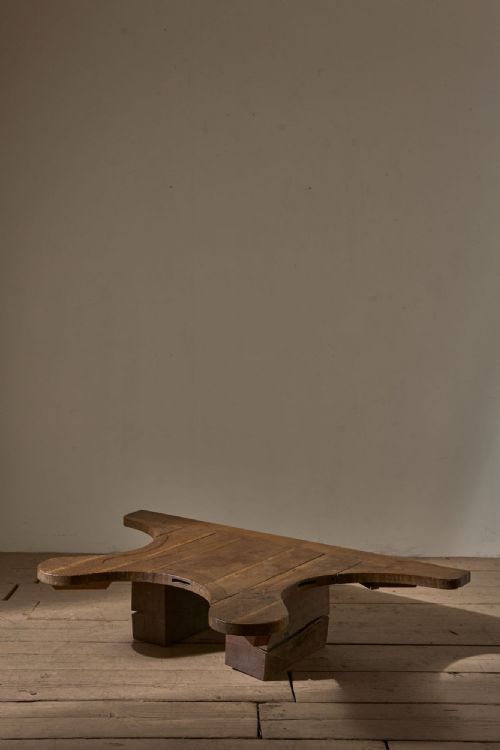
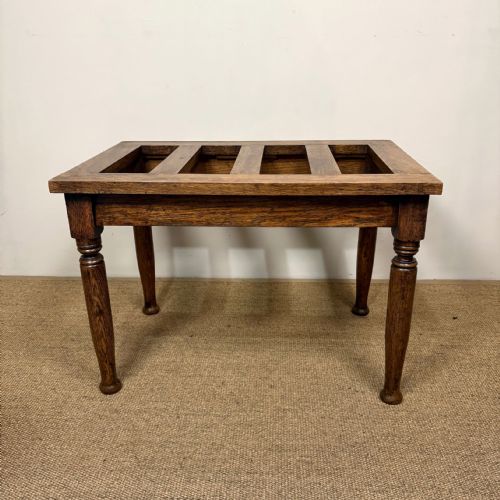
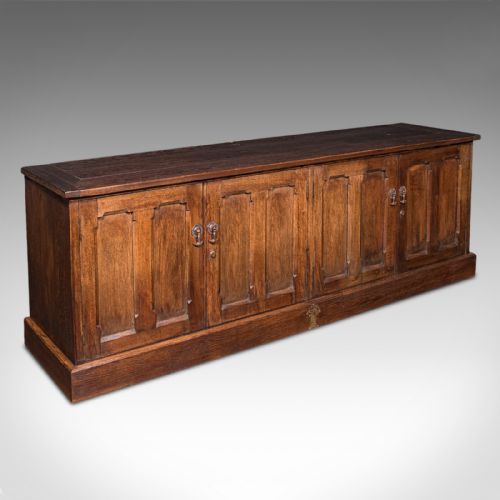
The selection ranges from carved rosewood and walnut salon stools to oak luggage stands and rustic elm benches. Most examples date from the nineteenth century, featuring low profiles that suit placement beside fireplaces or at the foot of beds.
How they were made
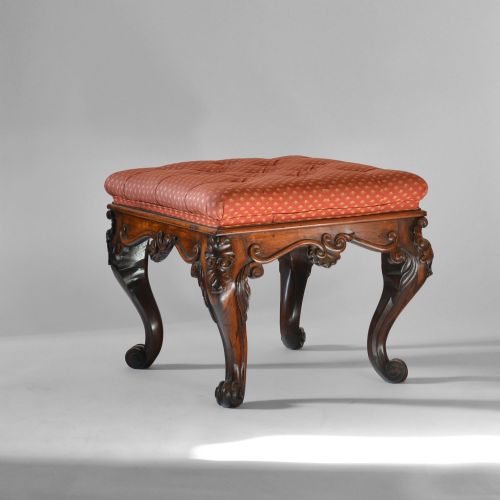
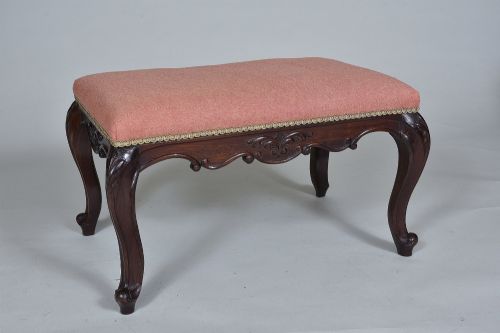
Cabinetmakers constructed the foundational frames using hardwoods such as mahogany, walnut, oak, and rosewood, often shaping supports into cabriole or turned legs. Joinery relied on traditional methods to ensure stability under heavy daily use.
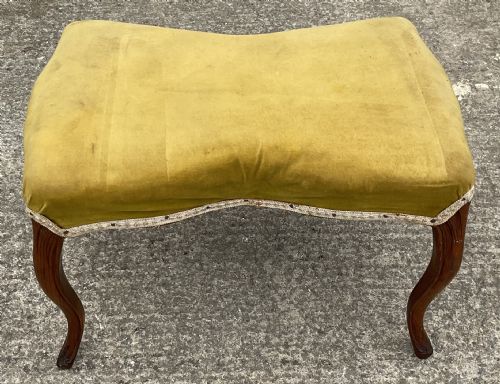
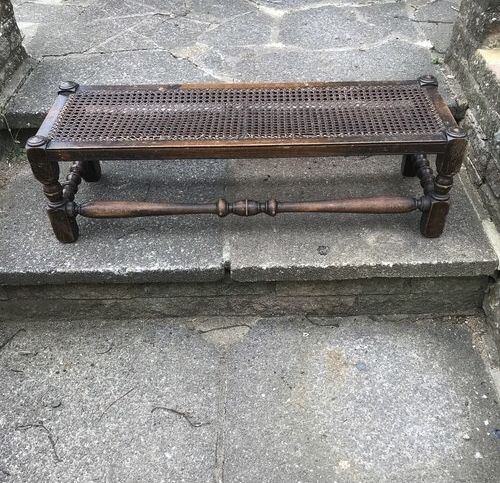
Upholstered variants integrated textiles, velvet, fabric, leather, needlework, or woven rattan secured over padding. Details like brass castors, intricate carving, and buttoned upholstery completed the construction of finer pieces.
Object forms span footstools, ottomans, luggage stands, coffee tables, fender stools, and prayer benches.
What varies in quality
Quality rests upon the crispness of the timber carving and the selection of cabinet woods, where dense walnut and figured mahogany outrank basic pine or beech. The integrity of the original frame construction dictates the structural longevity of the piece.
Finer items display sophisticated upholstery techniques, retention of original fabrics, and superior hardware like authentic brass castors. Secondary elements, such as hand-woven cane or detailed needlework, elevate the standing of the work.
Waring and Gillows·Brown and Lamont
The Victorian Low Bench Glossary
- Cabriole leg
- A furniture leg that curves outward and then tapers inward, mimicking an animal's curving leg. This form appears frequently on finer walnut and rosewood pieces from the period.
- Fender stool
- A long, narrow stool specifically designed to fit along the hearth beside a fireplace fender. These pieces kept feet warm away from cold stone floors.
- Luggage stand
- A low folding or rigid bench utilised for holding travel trunks in guest bedrooms. They typically feature sturdy wooden frames with supportive webbing or straps.
- Ottoman
- A low, fully upholstered seat or footstool without arms or a back. Larger versions often feature internal storage or elaborate buttoned covers.
Victorian Low Bench: Frequently Asked Questions
What is a Victorian low bench used for?
These pieces function primarily as footstools, hearth seats, or low coffee tables in contemporary reception rooms. Their compact height makes them adaptable for extra seating without obstructing sightlines.
Historically, they provided comfort near fireplaces or served practical functions in bedrooms as luggage stands and dressing stools.
How do I identify a Victorian piece?
Examination of the timber, joinery methods, and secondary materials helps determine the nineteenth-century origin. Look for dense hardwoods like mahogany and walnut alongside period upholstery styles.
Details such as turned legs, hand-carved ornamentation, and period brass castors further confirm the Victorian manufacture date.
Are these benches suitable for daily use?
Solid timber frames and sturdy joinery ensure these nineteenth-century seats remain durable for everyday domestic application. Many examples tolerate regular sitting or use as improvised coffee tables.
Upholstered surfaces may require occasional professional reinforcement depending on the condition of the internal webbing and padding.
Can I reupholster a vintage stool?
Reupholstering is a common practice that breathes new life into frames that have lost their original textile covering. Many pieces survive specifically to be adapted with new fabric to match modern interiors.
Retaining original needlework or leather is sometimes preferred by collectors who value untouched period surfaces over renewed upholstery.