


Victorian Carved Clock
When you search for a Victorian carved clock, you are looking at substantial domestic timepieces shaped by the distinct joinery and timber choices of the nineteenth century.
Victorian Carved Clock
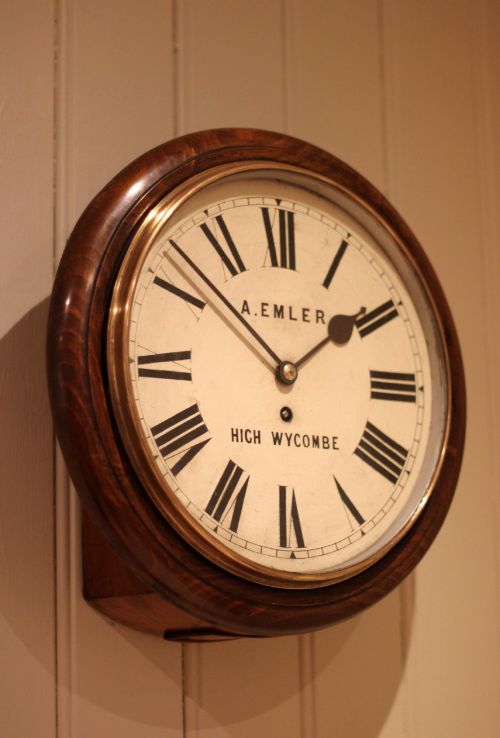
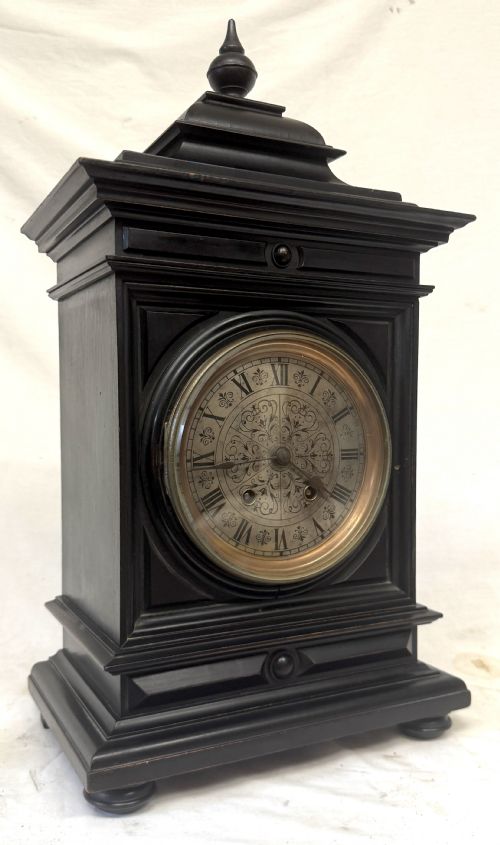
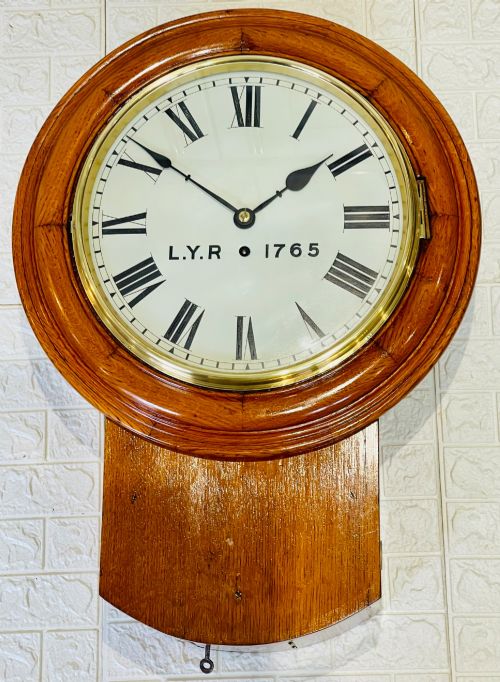
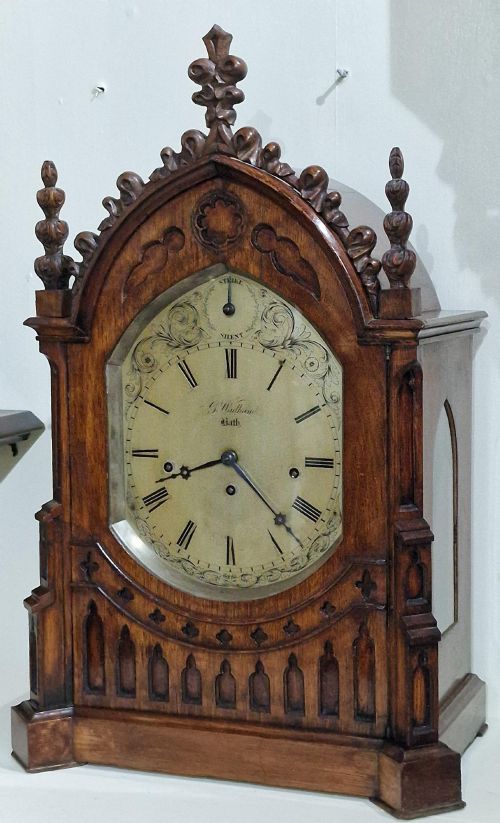
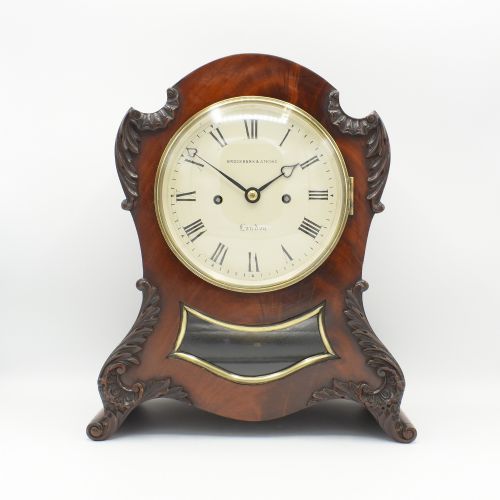
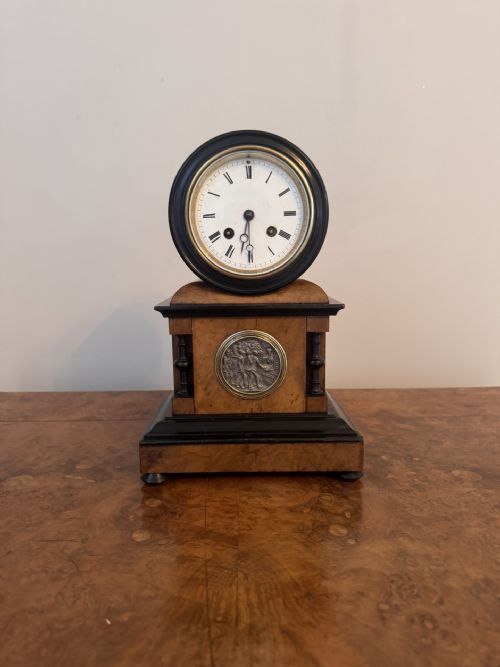
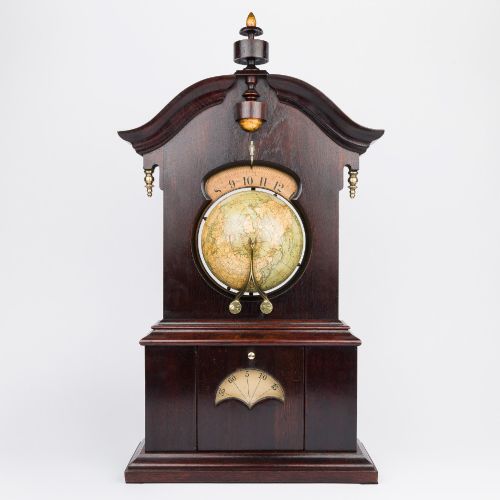
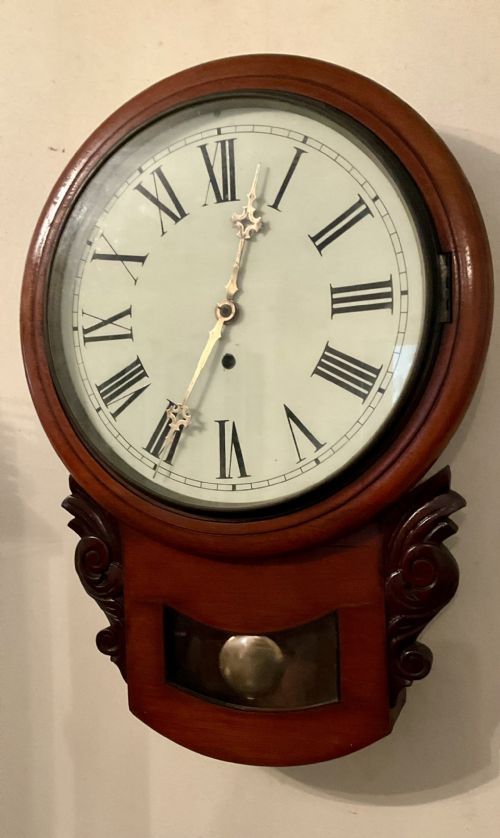
A Victorian carved clock brings together functional timekeeping and ornate nineteenth-century woodwork, spanning domestic spaces from grand hallways to intimate libraries. You encounter everything from architectural wall regulators and striking mantel clocks to substantial longcase and bracket pieces.
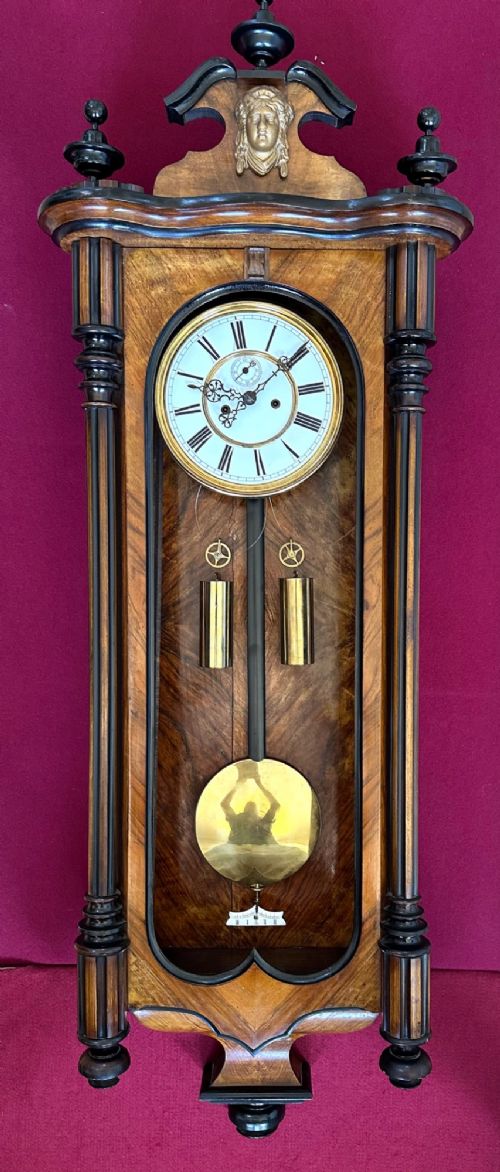
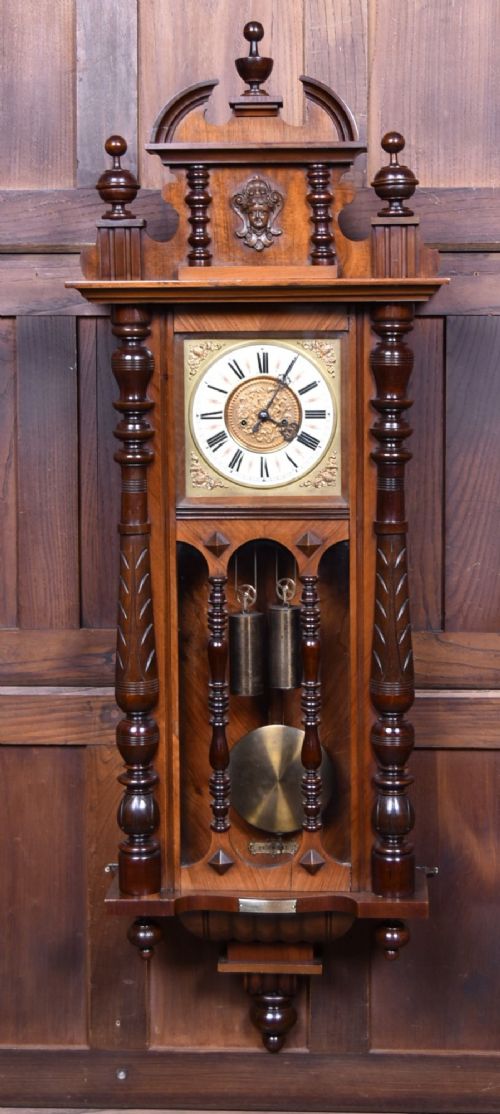
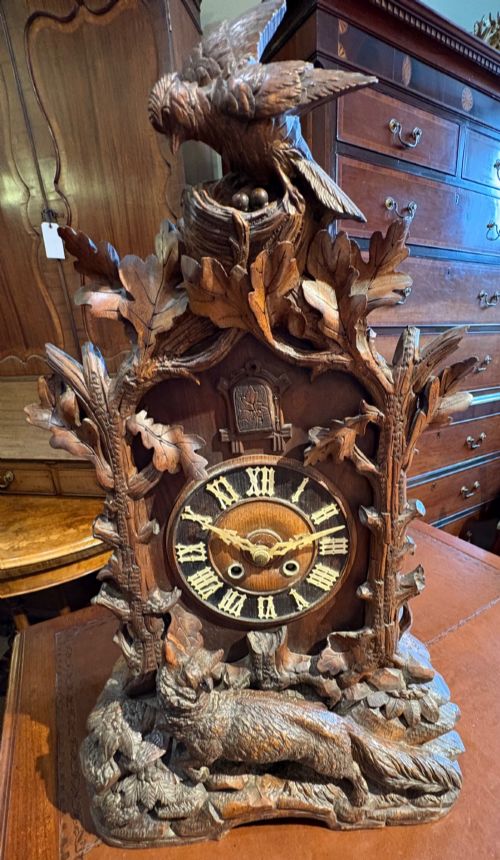
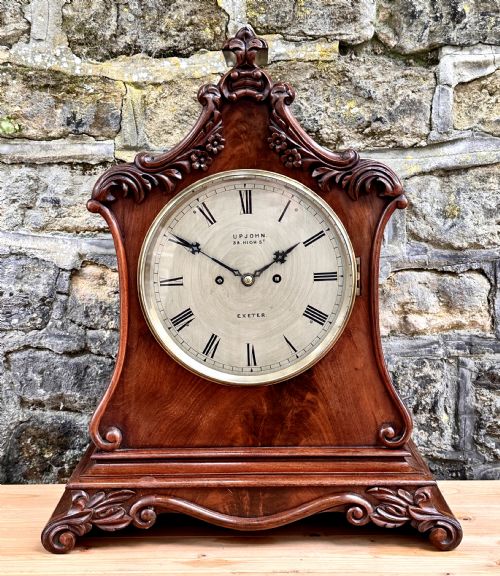
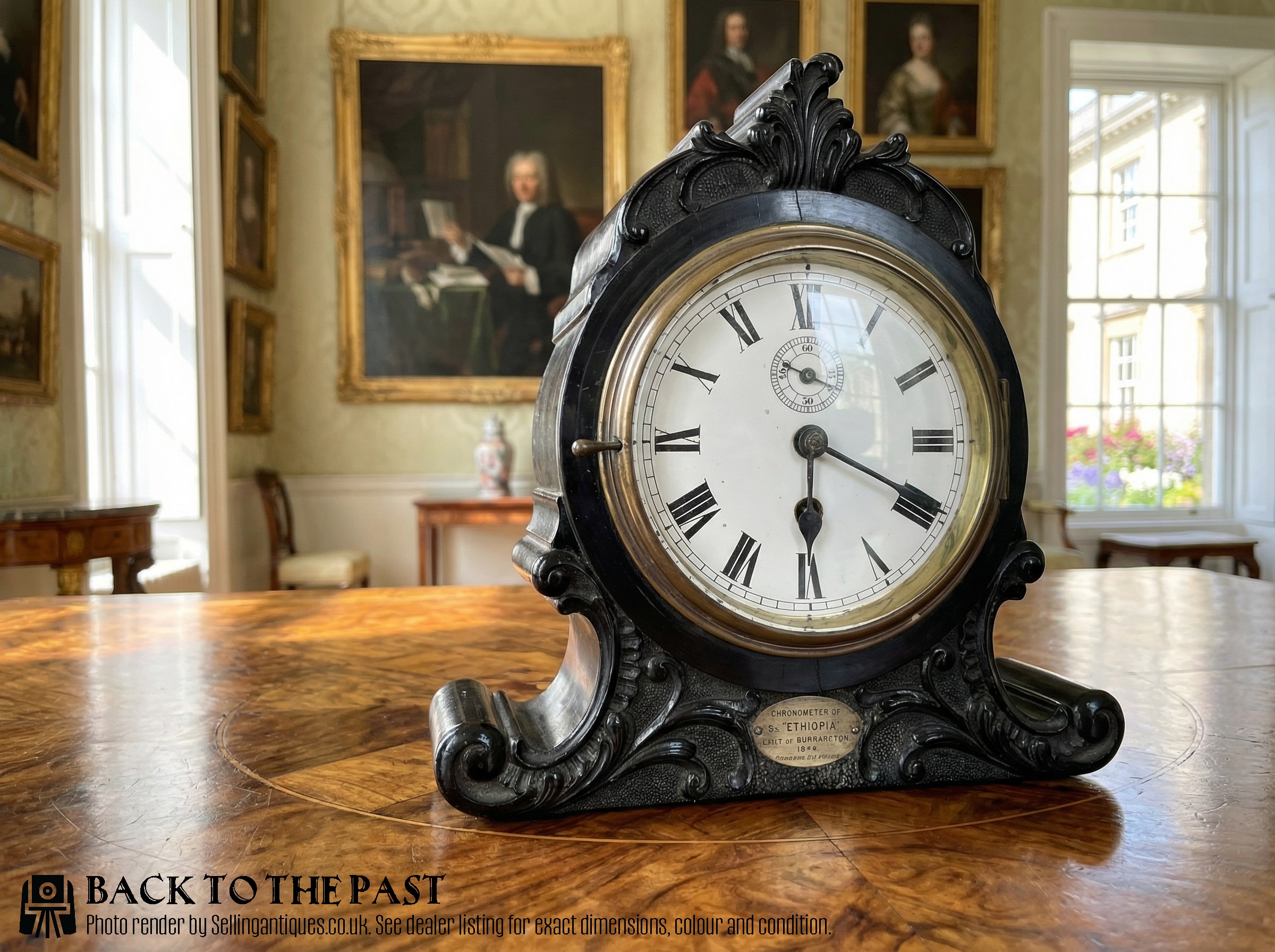
The versions most common on this page are carved walnut and oak wall regulators, alongside mantel clocks housed in richly figured mahogany or ebonised timber. These pieces reflect the varied regional workshops of Britain and continental Europe during the period.
How they were made
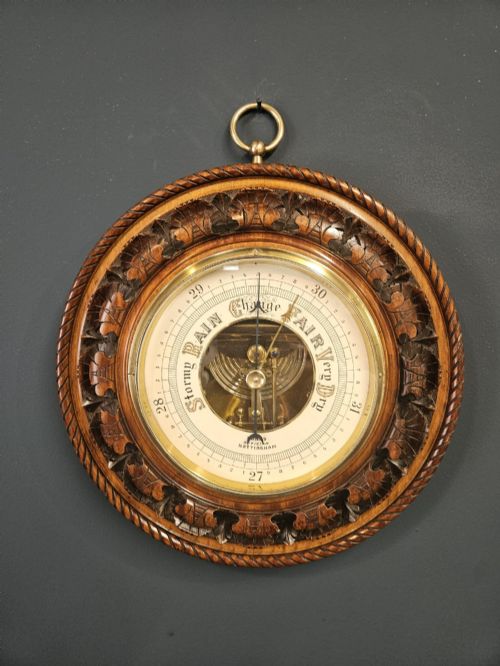
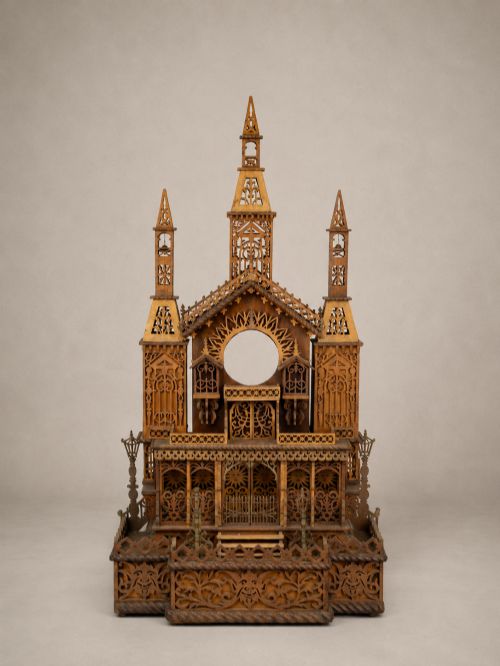
Cabinetmakers shaped these clock cases from dense hardwoods like walnut, oak, and mahogany, frequently employing ebonised finishes or delicate beech and satinwood accents. Artisans carved deep foliate motifs, architectural scrolls, and crests directly into the timber surrounds.
Movements ranged from simple eight-day spring-driven mechanisms and fusee systems to complex triple-fusee bells and tubular chiming setups. Dials featured enamel numerals, silvered brass chapters, or cast brass bezels protected beneath heavy glass faces.
Several cuckoo clocks appear here, ready to punctuate your afternoons with mechanical birds emerging from hand-carved Swiss chalet facades.
What varies in quality
The standard of a Victorian carved clock rests heavily on the crispness of the timber carving and the architectural proportion of the case. Deep, undercut relief work carved from solid walnut or oak denotes superior workshop production compared to shallow moulding or applied plaster ornaments.
Internal mechanical complexity also dictates the tier of the piece, moving from standard time-and-strike movements to intricate fusee mechanisms or multi-bell quarter-chiming systems signed by established makers.
George Wadham Bath·Brockbanks Atkins·Winterhalder Hofmeier·Sir John Bennett·Gustav Becker
The Victorian Carved Clock Glossary
- Fusee
- A conical pulley used in clock movements to maintain an even pull on the gear train as the mainspring unwinds. This mechanism ensures more accurate timekeeping throughout the duration of the wind.
- Vienna regulator
- A precision wall clock originating from Austrian workshops, characterised by a long glass door, a visible pendulum, and a weight-driven movement. These pieces gained immense popularity in Victorian parlours.
- Bracket clock
- A portable domestic clock originally designed to sit on a wall bracket or table surface. Many Victorian examples feature intricate architectural wooden cases and handle-topped designs.
- Ancillary barometer
- A combined weather-measuring instrument integrated into the clock case or carved wooden surround. These combination pieces often pair thermometer scales with standard clock dials.
- Silvered dial
- A brass clock face treated with a silver solution to create a matte white-silver finish. The numerals and markings are typically engraved and darkened for high legibility.
Victorian Carved Clock: Frequently Asked Questions
How do I wind a fusee movement?
Wind the clock slowly using the correct key, turning in the direction specified by the movement layout until resistance increases. Avoid over-winding to protect the historical mainspring.
Ensure the key remains secure on the arbor during the entire action to prevent slipping. Regular, gentle winding preserves the delicate brass teeth inside older movements.
Where should I place a wall clock?
Hang your wall clock on a sturdy interior wall away from direct sunlight, central heating vents, and damp environments. Stable temperatures prevent timber expansion and protect the glued joints of the carved case.
Mount the clock securely to wall studs or use appropriate heavy-duty fixings matched to the weight of the timber case. A level mounting surface ensures the pendulum swings evenly.
How do I identify a Vienna regulator?
Look for a long, glazed door on the front of the wooden case that reveals a suspended pendulum and driven weights. These wall regulators prioritise precise timekeeping and balanced vertical proportions.
Examine the movement backplate for maker stamps or serial numbers typical of nineteenth-century German and Austrian production. The dial is usually clean and white with contrasting Roman numerals.
How do I care for carved wooden cases?
Dust the intricate carved details regularly using a soft, dry brush to prevent dirt accumulation in the recessed grain. Avoid using modern aerosol polishes that leave silicone buildups on antique timber surfaces.
Apply a microcrystalline wax sparingly once or twice a year if the wood appears dry. This protects the original patina without harming the antique polish.