
Victorian Carved Carver Chair
A victorian carved carver chair brings nineteenth-century presence to a room, offering sturdy timber frames and scrolled armrests designed for head-of-the-table seating.
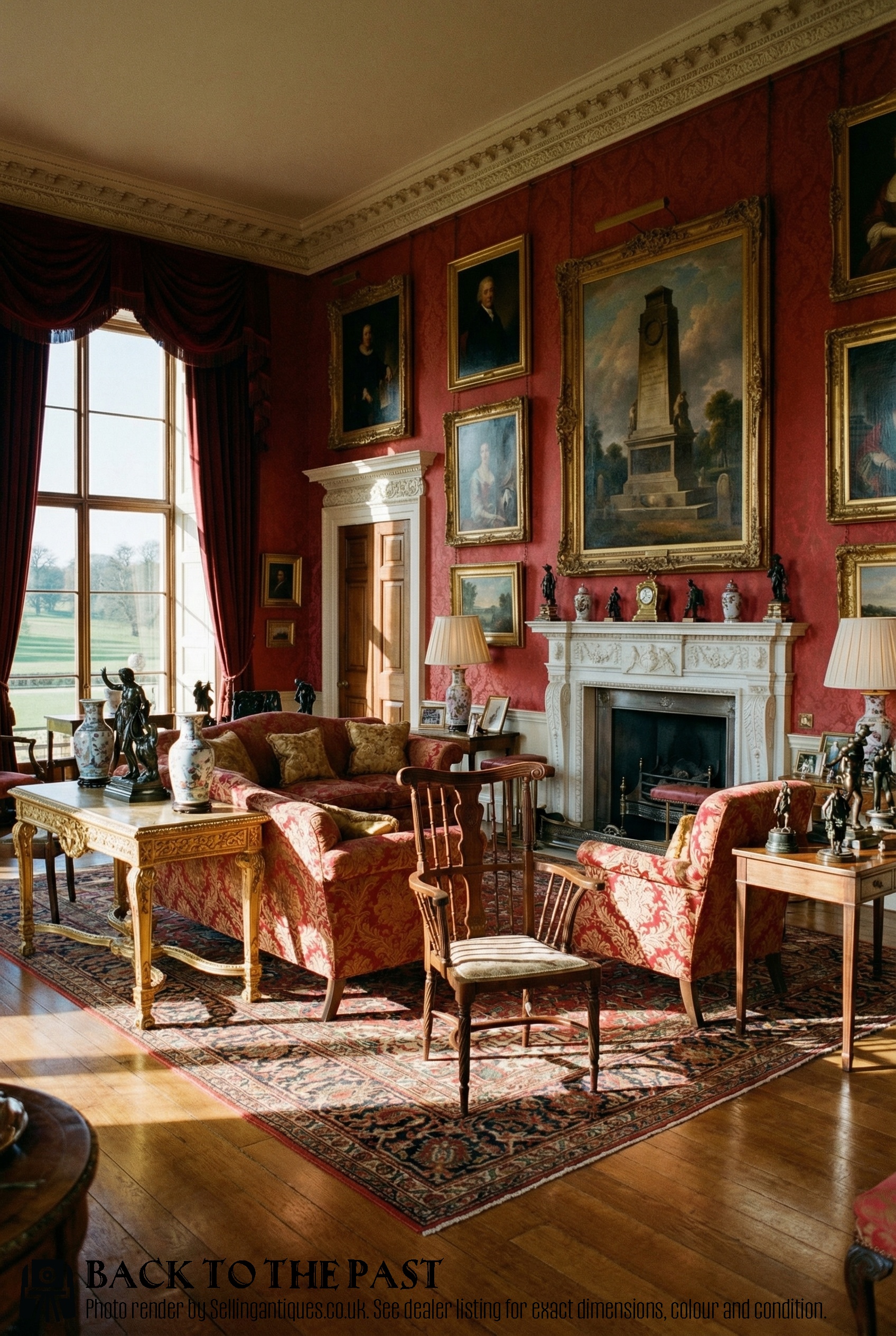
Victorian Carved Carver Chair
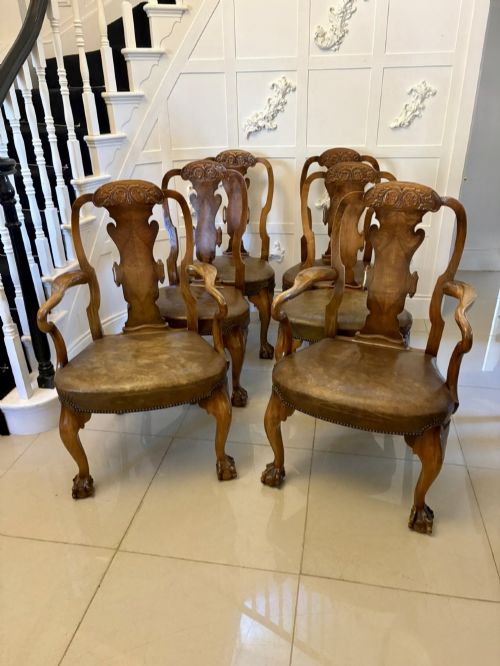
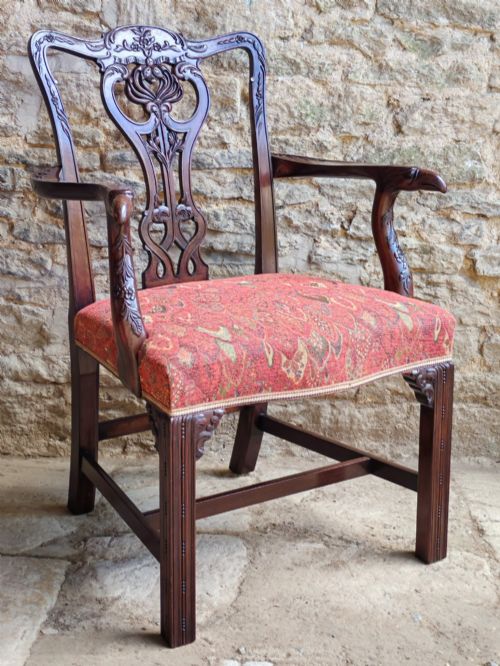
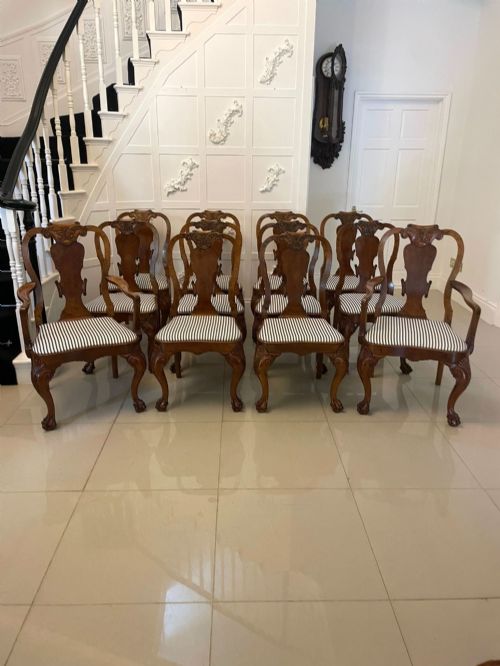
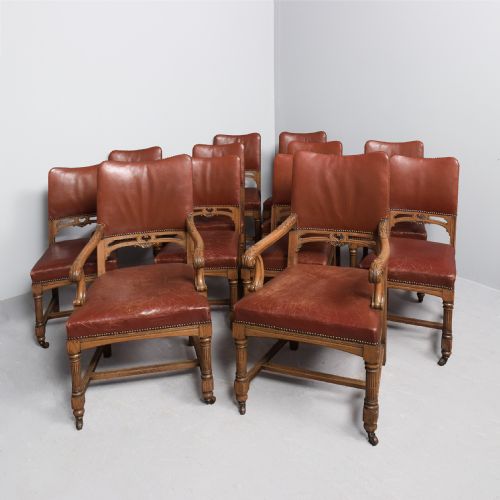
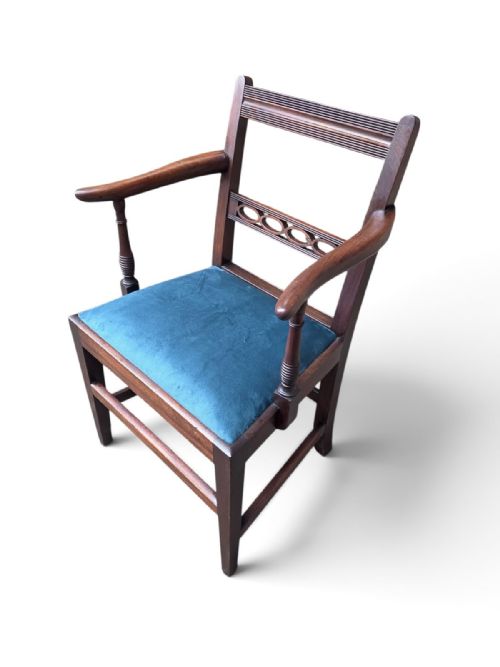
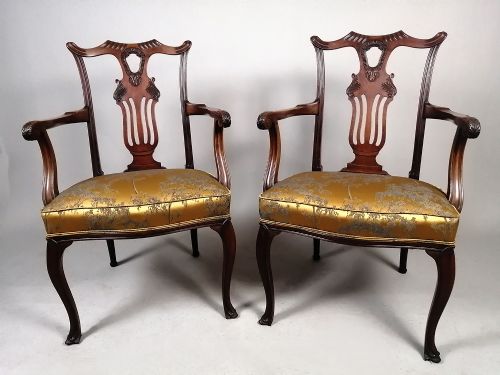
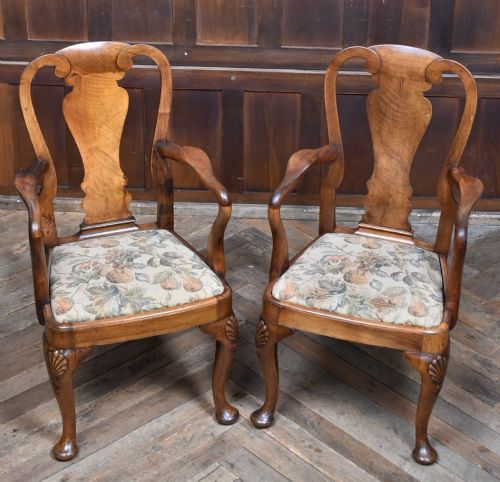
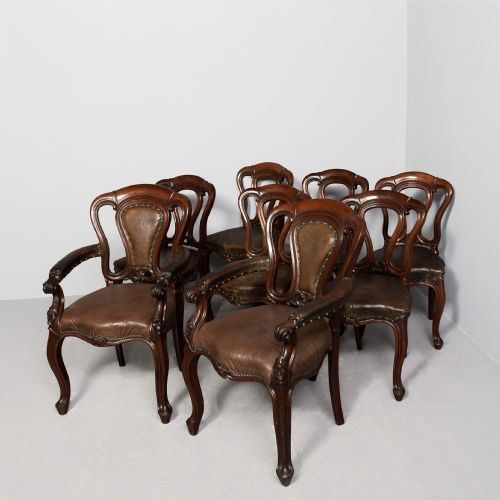
A victorian carved carver chair stands as the principal seat at a dining table, distinguished by solid timber armrests and elaborate relief work along the top rail or splat. These seating options emerge primarily in mahogany, walnut, and oak, reflecting the dominant timber choices of the nineteenth century.
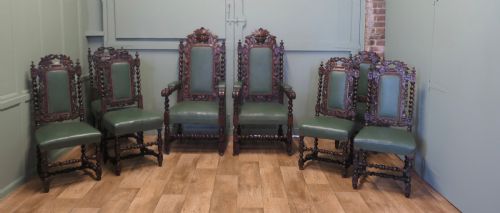
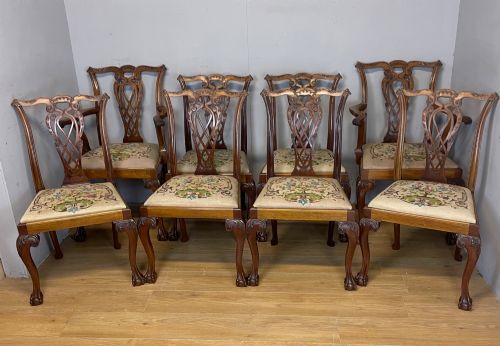
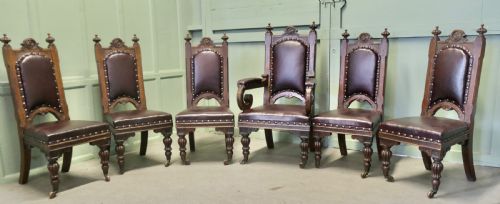
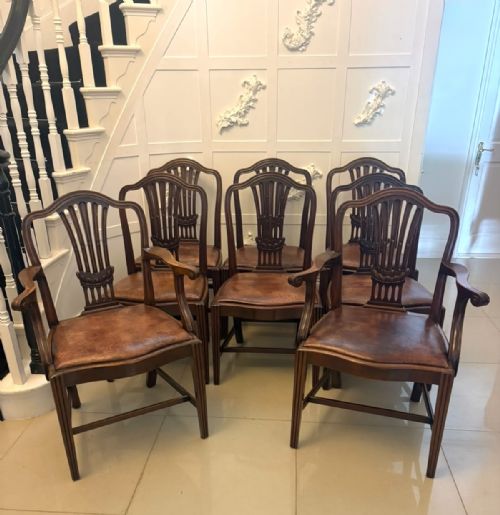
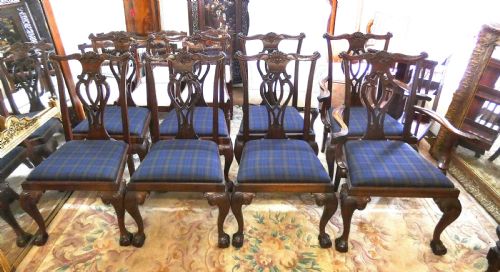
The pieces on this page span single armchairs, matched pairs, and larger suites where a pair of carvers accompanies a set of side chairs. Forms range from heavy Gothic revival seating with high backs to lighter Chippendale and Hepplewhite revival models carrying ball and claw feet or shield backs.
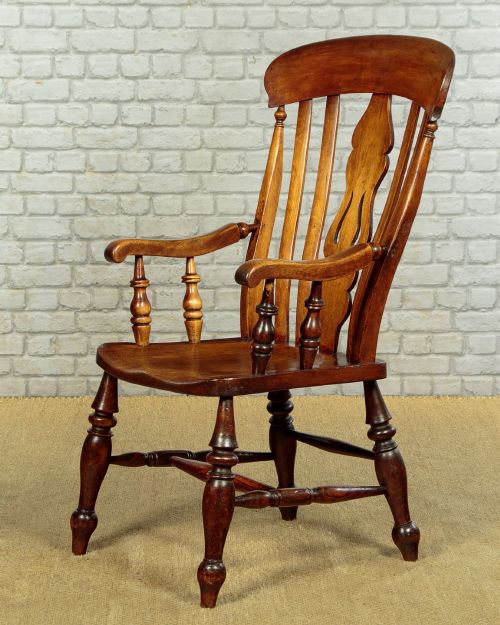
Makers and workshops of the period drew heavily on earlier Georgian and medieval vocabulary, applying deep chisel work, pierced splats, and turned supports. Buyers encounter country kitchen Windsor designs alongside heavily carved walnut and mahogany armchairs meant for formal dining rooms and studies.
How They Were Made
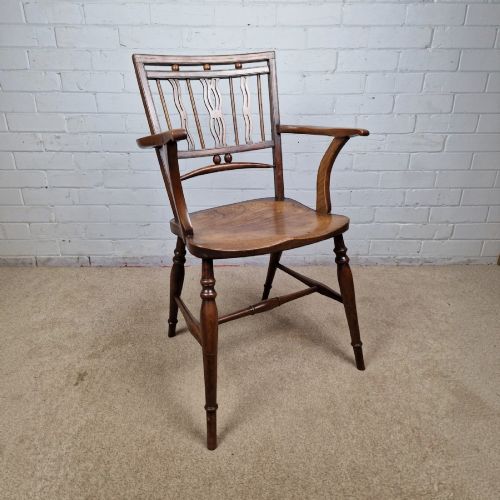
Cabinetmakers constructed these frames using dense hardwoods such as mahogany, walnut, and oak, joined with traditional mortise and tenon joints to withstand daily use. Elm and ash appear in country Windsor variants, bent and shaped while green or steamed to form the characteristic arched backs and armbows.
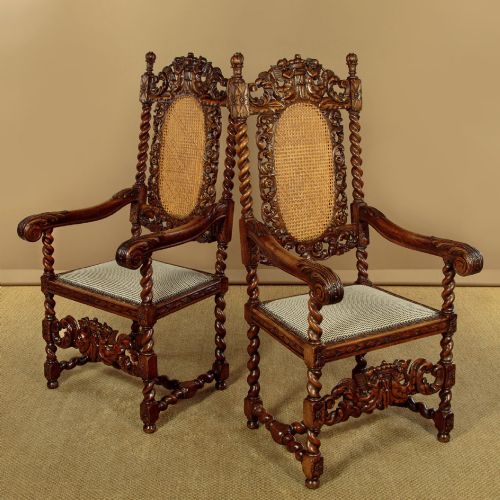
Carving was executed entirely by hand using gouges and chisels to produce acanthus leaves, scrollwork, and Gothic tracery directly into the solid timber frame. Upholstered variants utilised horsehair stuffing held by brass tacks or webbing beneath leather, velvet, fabric, or tapestry coverings.
Some nineteenth-century makers hid their workshop signatures beneath the drop-in seat frames, leaving secret clues for future collectors to uncover.
What Varies in Quality
The depth and crispness of the hand-carving dictate the artistic merit of the piece, separating shallow mechanical work from deeply undercut foliage and heraldic motifs. Timber selection also defines the tier, with figured burr walnut and dense dense mahogany commanding greater presence than standard utility woods.
Structural integrity rests on the tightness of the joints where the arm supports meet the seat rail and legs. Original timber patination, intact stretchers, and untouched leather or tapestry upholstery elevate the standing of a carver among collectors.
Howard and Sons·Warings·Lamb of Manchester·Gillows
The Victorian Carved Carver Chair Glossary
- Carver chair
- An armchair designed to match a set of dining chairs, traditionally placed at the head of the table. These seats feature structural armrests for added comfort.
- Splatt
- The upright central strip of wood in the back of a chair, often pierced, carved, or shaped in revival styles. It provides crucial lumbar support.
- Gothic Revival
- An architectural and decorative style drawing on medieval forms, featuring pointed arches, tracery, and heavy oak construction. This aesthetic dominated many nineteenth-century dining suites.
- Ball and claw
- A furniture foot carved to resemble a bird's talon gripping a ball. This classical motif appears frequently on Chippendale revival mahogany legs.
- Shield back
- A chair back shaped in the outline of a shield, popularised in the eighteenth century and revived during the Victorian era. It often encloses a carved central splat.
Victorian Carved Carver Chair: Frequently Asked Questions
What is a carver chair?
A carver chair is an armchair built with wooden armrests, historically positioned at the head or foot of a dining table.
These chairs match the style of the smaller side chairs in a set while offering a wider, more commanding seat.
How do I date a Victorian carver?
Dating relies on identifying the revival style, timber choice, and construction methods used in the frame.
Mid-century pieces often lean towards heavy mahogany with classical motifs, while later nineteenth-century examples show aesthetic movement influences or lighter walnut frames.
Where should I place a carver chair?
These armchairs work naturally at the opposing ends of a dining table to anchor the room's layout.
They also function effectively as standalone desk chairs or reading seats in a study or hallway.
Are carver chairs comfortable for daily use?
The solid wooden armrests and upright posture provide sturdy support suited for long meals or desk work.
Many examples feature padded leather, horsehair, or fabric upholstery across the seat to add cushioning.