

Victorian Burr Walnut Centre Table
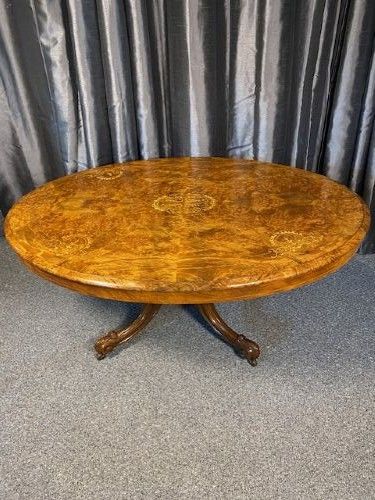
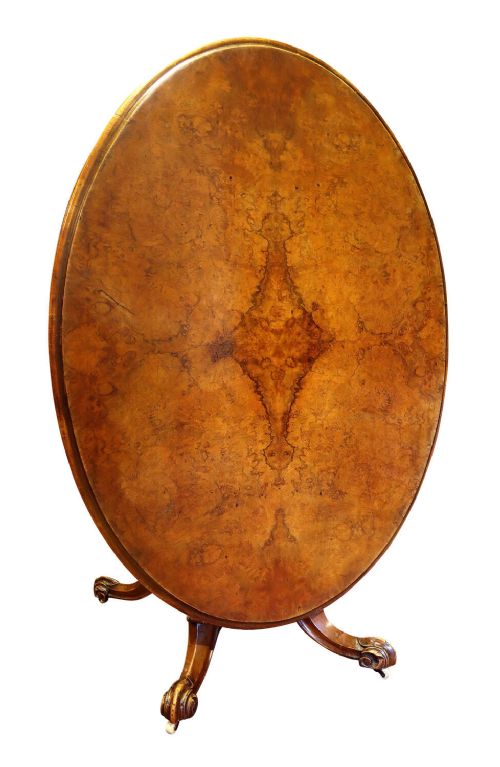
When you search for a victorian burr walnut centre table, you seek a remarkably figured centrepiece designed to command a nineteenth-century interior.
Victorian Burr Walnut Centre Table
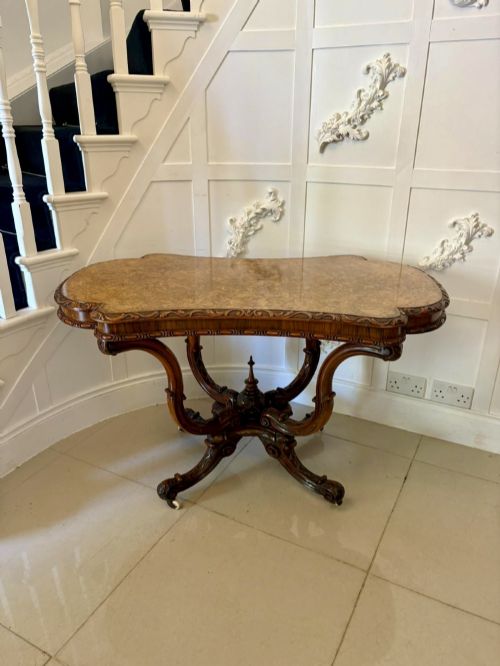
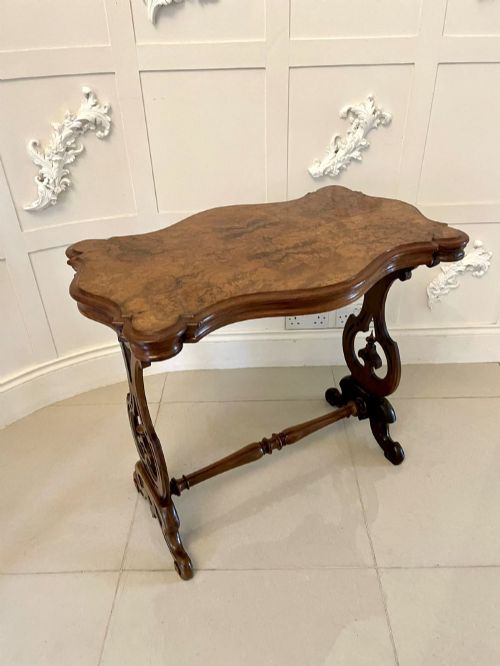
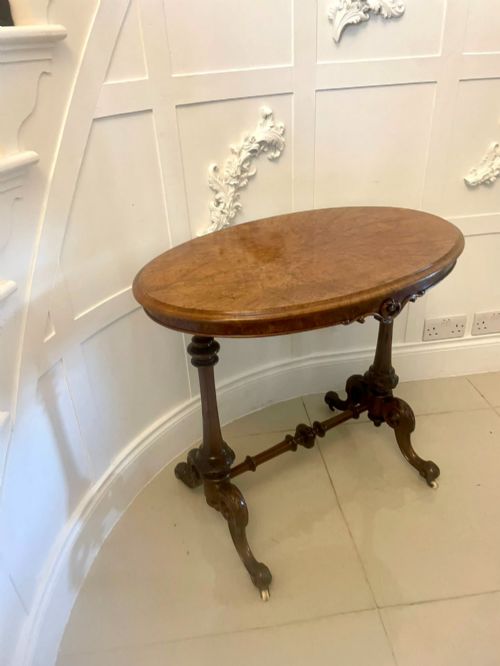
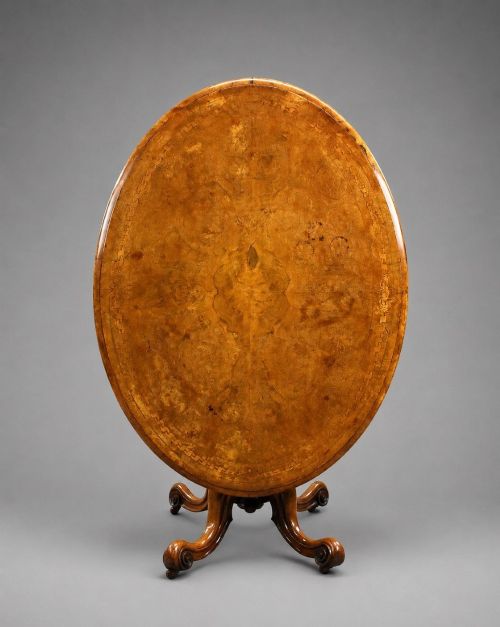
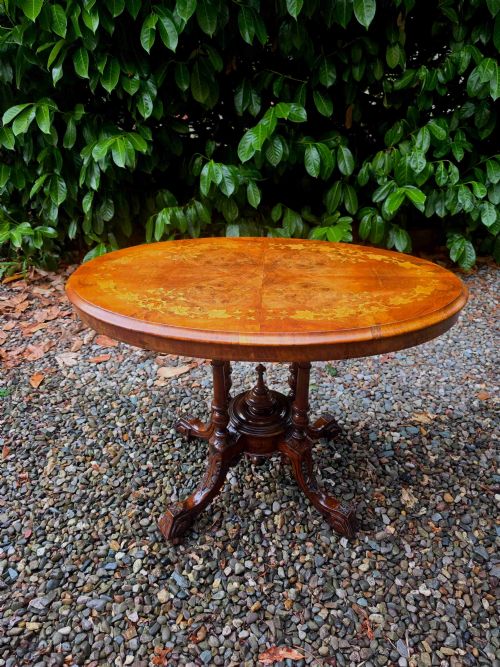
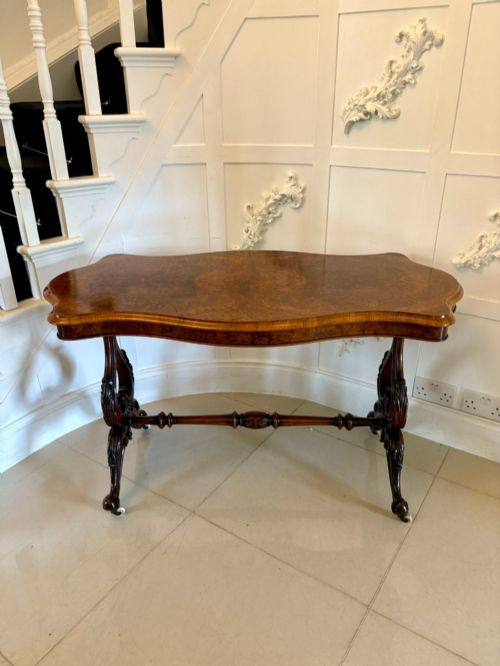
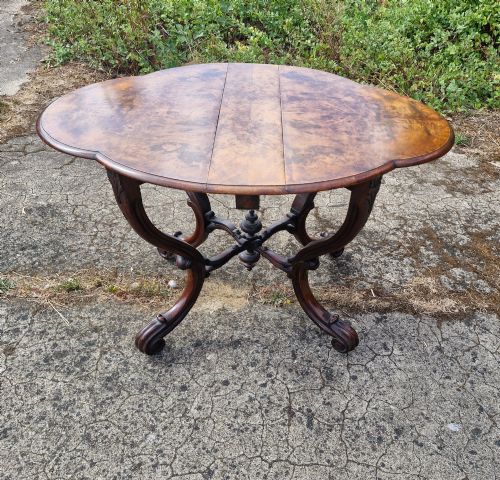
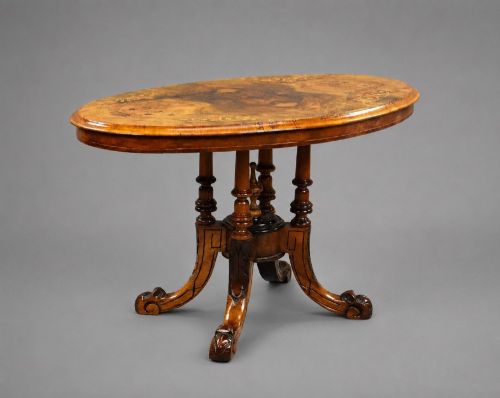
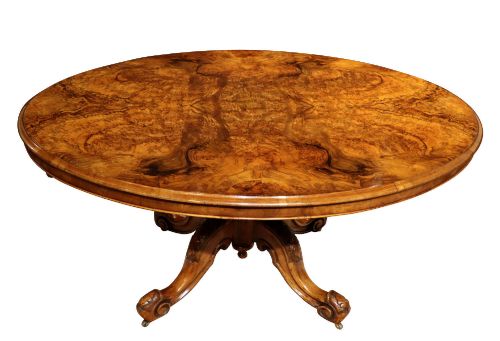
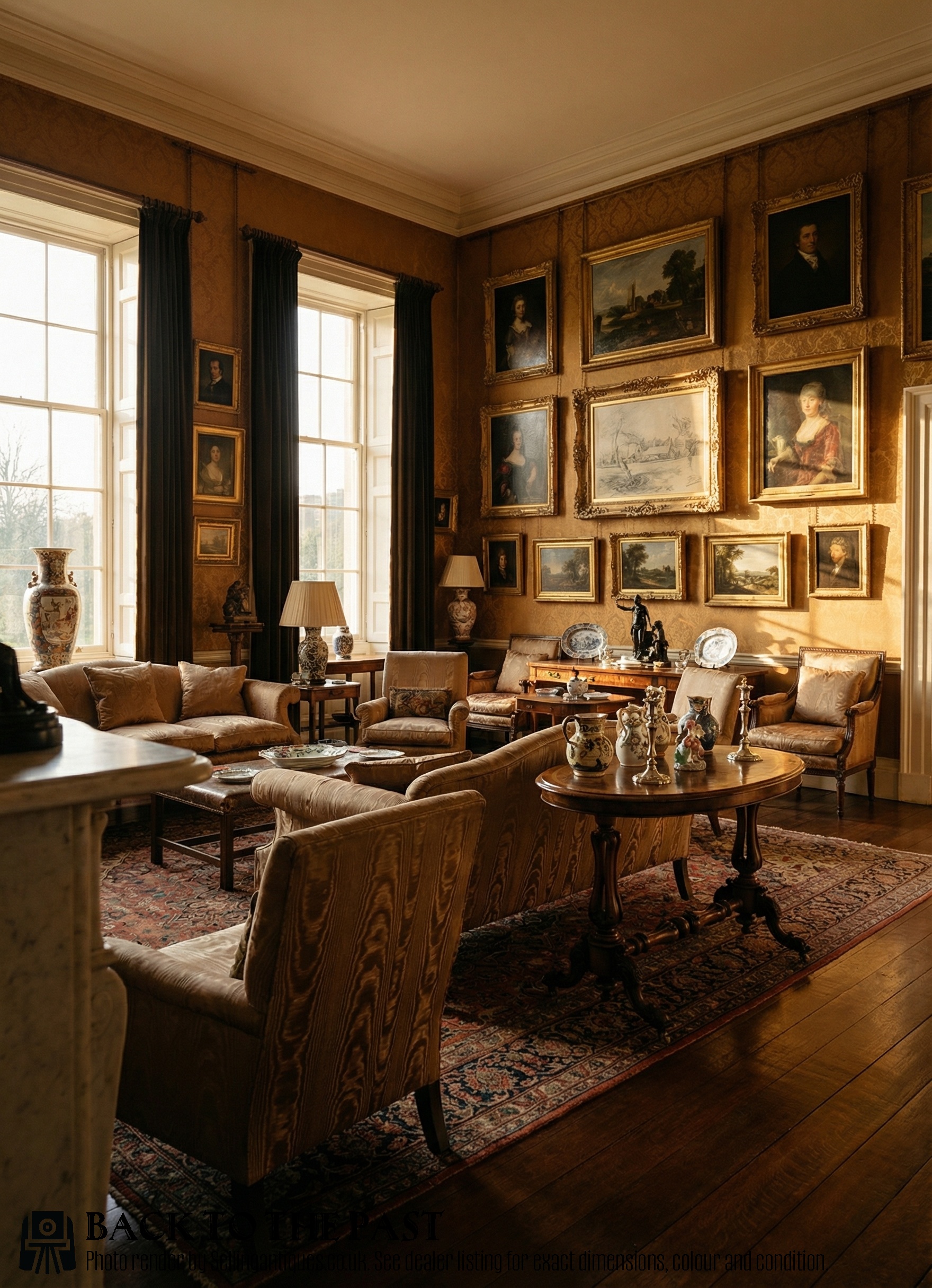
A victorian burr walnut centre table stands as a commanding piece of nineteenth-century furniture, designed specifically to occupy the middle of a principal room rather than sit against a wall. The pieces listed across this page encompass versatile formats, ranging from generous oval breakfast and loo tables to smaller lamp, occasional and coffee tables.
The historical record shows origins rooted firmly in the Victorian period, spanning decades from the eighteen-fifties through to the eighteen-eighties. Makers produced these items to serve active social roles, accommodating gatherings, dining, writing and display within domestic and library settings.
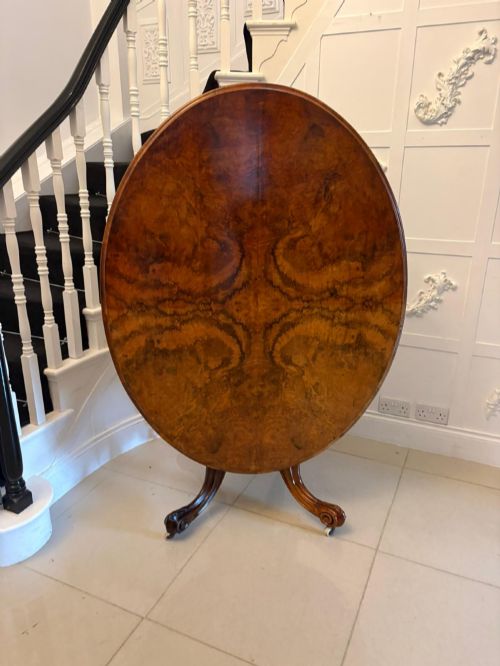
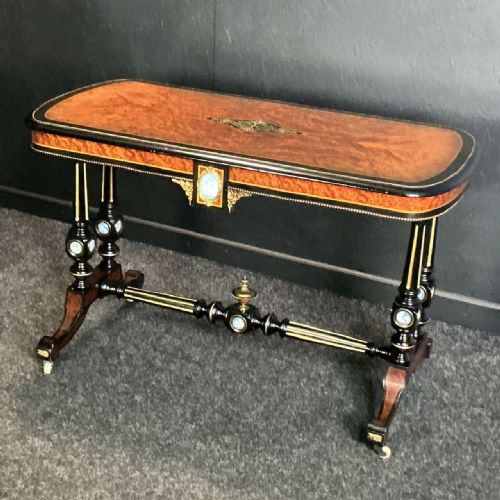
Oval and round shapes dominate the selection, frequently featuring tilt mechanisms or carved quadrapod bases that offer both mobility and stability. Buyers encounter variations including chess tops, library tables with leather inserts, and ebonised pedestals reflecting aesthetic movement influences.
Materials and construction
Craftsmen utilised highly figured burr walnut veneers applied over solid timber carcasses to achieve the characteristic swirling grain patterns prized by nineteenth-century patrons. This demanding veneering technique required exceptional skill to match grain lines symmetrically across expansive table tops.
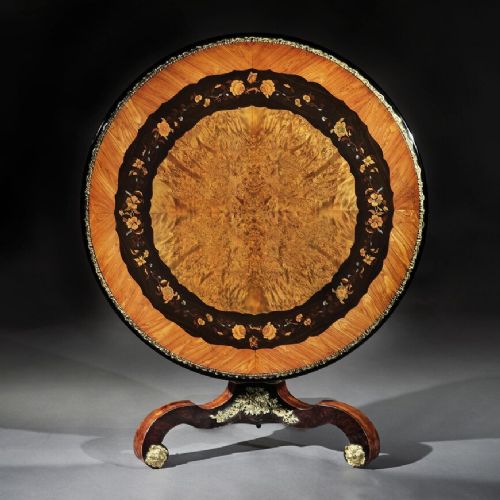
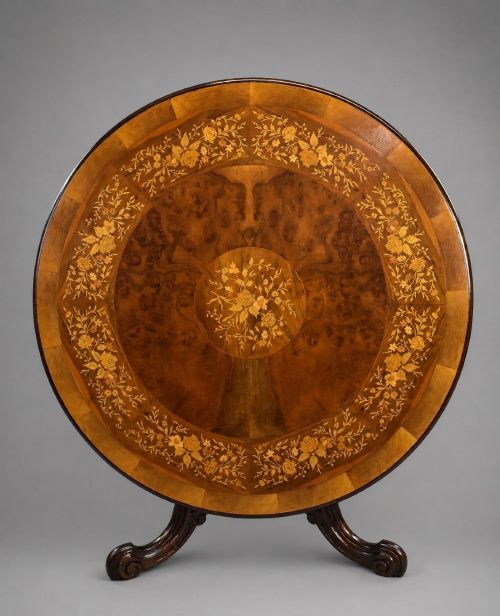
Makers embellished these surfaces using boxwood inlay, intricate marquetry, ormolu mounts and brass details, introducing linear contrast and metallic sheen. Carved solid walnut supplied the structural support for pedestal bases, cabriole legs and stretcher supports.
The archive reveals consistent demand for oval tilt-top formats dating from eighteen-fifty to eighteen-eighty.
Variations in quality
The visual impact of the burr walnut veneer dictates much of the distinction between standard and exceptional pieces, with tightly swirled, symmetrical grain arrangements commanding higher regard. Master workshops invested greater labour into complex marquetry inlay, boxwood detailing and finely cast ormolu mounts.
Structural execution also separates the range, visible in the depth and sharpness of hand-carved details on pedestal bases and stretcher legs. Pieces marked by named makers such as Edward Holmes Baldock demonstrate superior cabinet-making standards maintained throughout the nineteenth century.
Edward Holmes Baldock·Edward and Roberts
The Victorian Burr Walnut Centre Table Glossary
- Burr walnut
- A specialised timber veneer harvested from the growth warts or burls of walnut trees, yielding complex, swirling grain patterns. Cabinet-makers reserved this decorative wood for the most prominent display surfaces.
- Loo table
- A large nineteenth-century round or oval table designed for the popular card game loo. These pieces typically feature a tilt-top mechanism allowing the surface to stand vertically against a wall when not in use.
- Marquetry inlay
- Decorative patterns formed by fitting contrasting pieces of wood veneer into a prepared ground. This technique creates pictorial or geometric designs across the table top.
- Ormolu
- Gilded bronze mounts applied to furniture for decorative accent. Workshops utilised these cast metal elements to complement walnut and marquetry surfaces.
- Tilt-top mechanism
- A hinged block and catch arrangement beneath the table top allowing the surface to pivot ninety degrees. This practical feature enabled easy storage and movement of large tables.
Victorian Burr Walnut Centre Table: Frequently Asked Questions
What is a centre table?
A centre table is a freestanding piece designed to be viewed from all sides rather than placed against a wall. Nineteenth-century households positioned them in the middle of drawing rooms and libraries for display and daily use.
These tables frequently doubled as dining or breakfast surfaces when entertaining guests. Their finished backs and symmetrical pedestal designs distinguish them from standard side tables.
How do I use a tilt-top table?
The tilt-top mechanism uses a brass or wooden catch beneath the surface to release the table top from its horizontal position. This allows the heavy walnut top to pivot upright.
In the nineteenth century, this feature saved valuable floor space when the room was empty or used for other activities. Today, a tilted top also permits closer appreciation of the veneered grain patterns.
Where does burr walnut come from?
Burr walnut is harvested from abnormal growths or burls on walnut trees where the grain grows in a chaotic, swirling pattern. Cabinet-makers sliced these burls into thin veneers to cover structural carcase woods.
The resulting patterns created rich, mottled textures that defined high-status Victorian furniture. Each sheet of burr veneer remains entirely unique due to the organic nature of tree burls.
How can I date a Victorian table?
Dating relies on stylistic shifts recorded across the period, moving from mid-nineteenth-century Rococo revival curves to later aesthetic movement and French revival forms. Construction methods and secondary timbers also offer clues to the decade of manufacture.
Makers' stamps, paper labels, or specific documented commissions help narrow the timeline further. The presence of marquetry or ormolu often points toward specific decades within the Victorian era.