
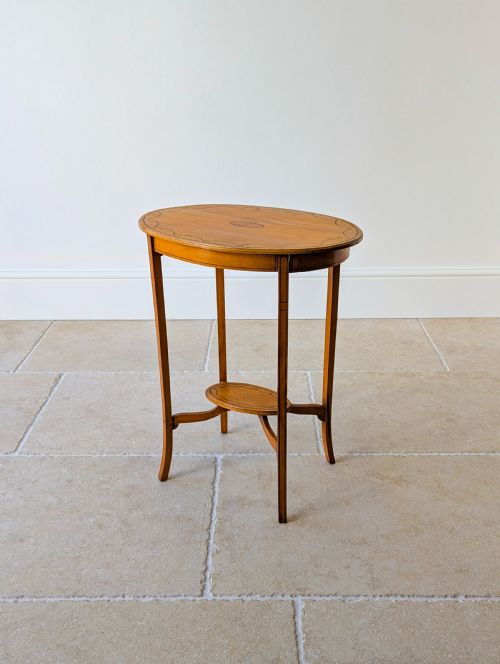


Antique Oval Parlour Table
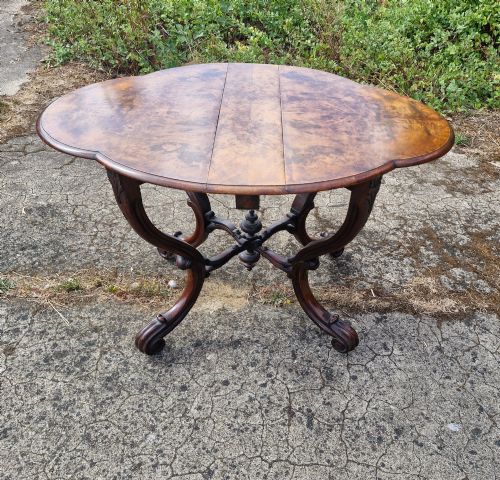
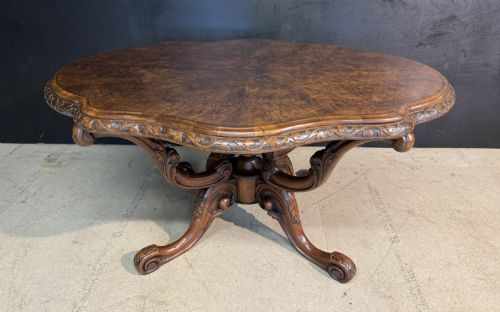
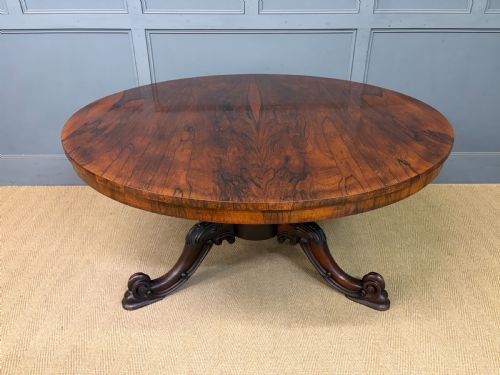
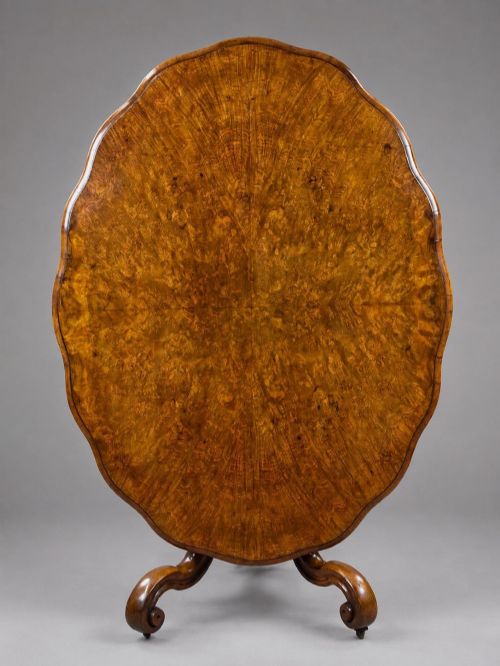
An antique oval parlour table brings nineteenth-century warmth to a room, offering a generous surface framed by rich timbers.
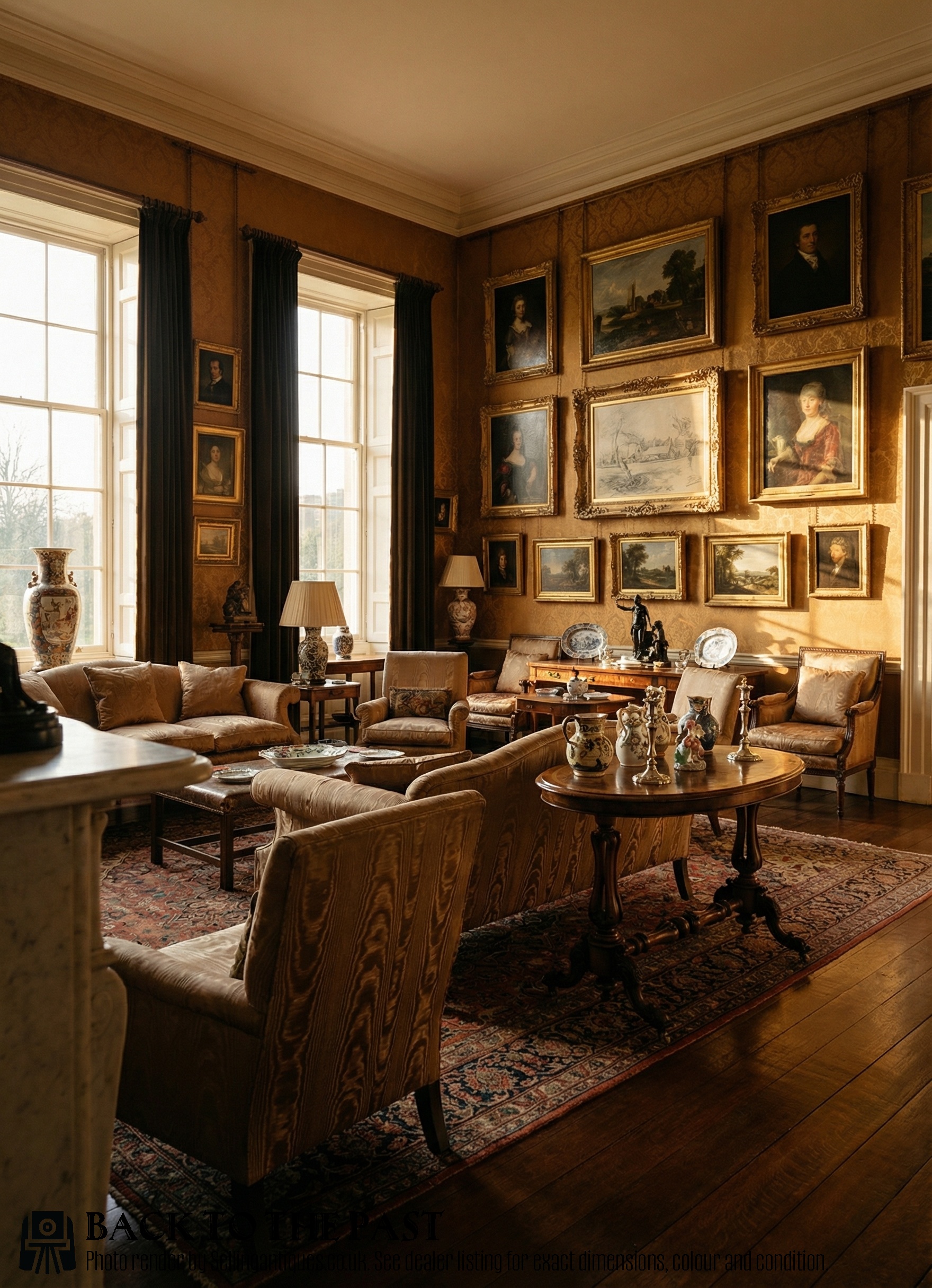
Antique Oval Parlour Table
An antique oval parlour table serves as a versatile centrepiece or occasional surface, appearing frequently in Victorian and Edwardian iterations. These pieces function primarily as freestanding centre tables, loo tables, or occasional tables designed for drawing rooms and reception spaces.
The selection here spans the nineteenth and early twentieth centuries, capturing the shift from substantial Victorian walnut designs to lighter Edwardian satinwood and mahogany pieces. Buyers encounter various formats, including scissor action tables, basket base pedestals, and two-tier occasional tables.
Makers of the period favoured shapes that softened the geometry of a room, employing shaped tops and curved borders. The oval silhouette provides practical reach while maintaining a gracious proportion suited to sitting areas.
Materials and construction
Cabinet makers relied heavily on walnut, burr walnut, mahogany, and rosewood for the primary structures and veneered surfaces of these tables. Figured grains and exotic timbers such as satinwood were chosen to catch the light in formal reception rooms.
Decorative detailing often incorporates boxwood inlay and marquetry, framing the central panels with contrasting geometric or foliate motifs. Hand-carved foliate elements appear on trims and pedestal mounts, alongside brass fittings on specific moving parts like scissor actions.
Some Victorian tables feature scissor actions, proving that nineteenth-century engineers enjoyed a clever folding trick as much as anyone.
Assessing quality and craftsmanship
The selection of timber veneers dictates the initial visual impact, with deeply figured burr walnut and rich rosewood marking out superior examples. Fine execution shows in the precision of boxwood inlay and the crispness of hand-carved foliate details on the top.
Structural integrity reveals itself in the stability of pedestal bases, whether a freestanding basket base, a pillar support, or a scissor action mechanism. Superior pieces maintain alignment and balance across the oval span without relying on modern reinforcement.
The Antique Oval Parlour Table Glossary
- Centre table
- A freestanding table designed to be viewed from all sides rather than pushed against a wall. These anchor the middle of a parlour or drawing room.
- Loo table
- A large tilt-top table originating in the Georgian period and remaining popular through the Victorian era for card games and general parlour use. The mechanism allows the top to store vertically.
- Occasional table
- A smaller, portable table brought out for specific uses such as holding tea or lamps. Edwardian examples often feature lower shelves or two tiers.
- Marquetry
- Decorative veneer work forming pictures or patterns by assembling small pieces of various woods. It appears frequently on the tops of Victorian centre tables.
Antique Oval Parlour Table: Frequently Asked Questions
Where should I place an oval parlour table?
These pieces sit comfortably in the middle of a room as a centre table or beside seating as an occasional surface. Their curves soften linear room layouts.
Because they are finished on all sides, they do not need to rest against a wall to look correct.
How do I tell Victorian from Edwardian tables?
Victorian tables typically use darker, heavier timbers like walnut, rosewood, and mahogany with rich figuring. Marquetry and heavy carving are common.
Edwardian pieces often utilise lighter satinwood and mahogany with restrained inlay, reflecting a shift towards brighter, airier drawing rooms.
What is a loo table used for?
A loo table was originally built for the nineteenth-century card game of Loo, as well as general conversation and tea. The tilting top allowed the table to be stored flat against a wall when not in use.
Today, they serve as striking centre tables in larger reception spaces.
Are these tables suitable for daily use?
Solid wood and robust veneer construction make these tables durable for everyday living. Simple care keeps the polished timber surfaces protected from daily wear.
Using coasters and avoiding direct heat sources preserves the antique finish.