


Victorian Burr Walnut Box
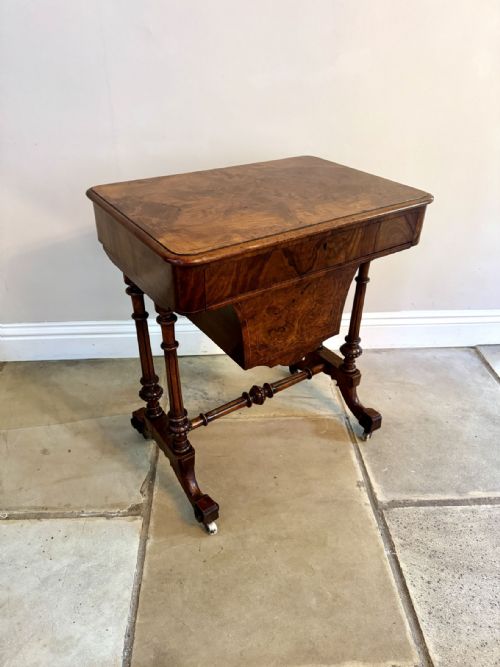
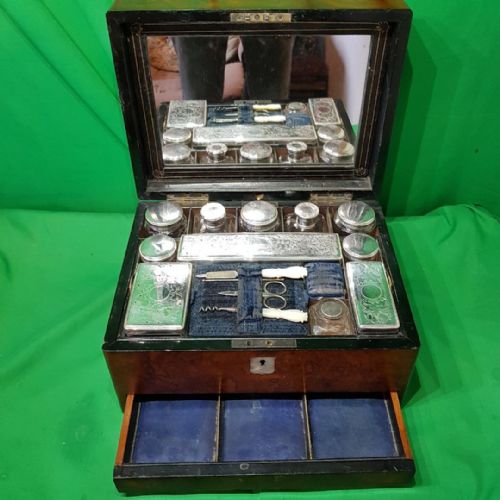
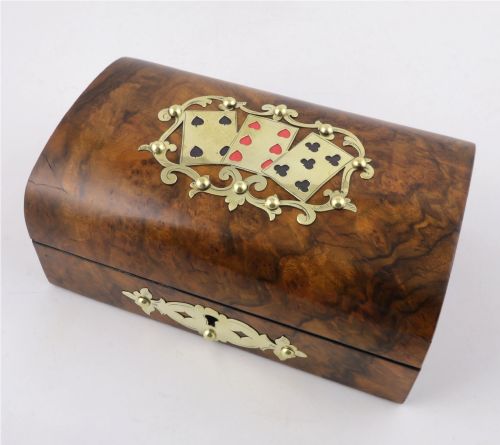
A victorian burr walnut box offers a tactile glimpse into nineteenth-century domestic life through richly grained veneer and sturdy craftsmanship.
Victorian Burr Walnut Box
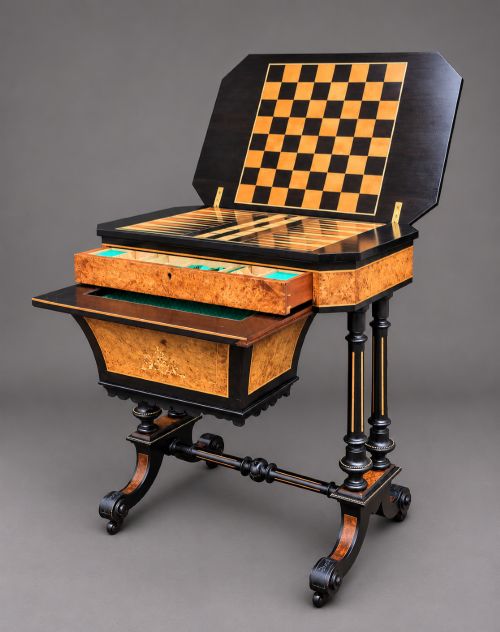
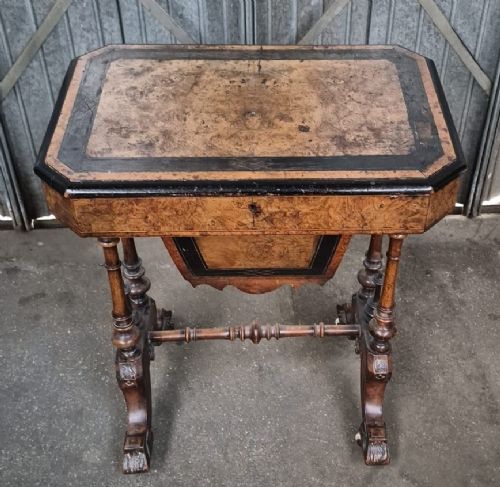
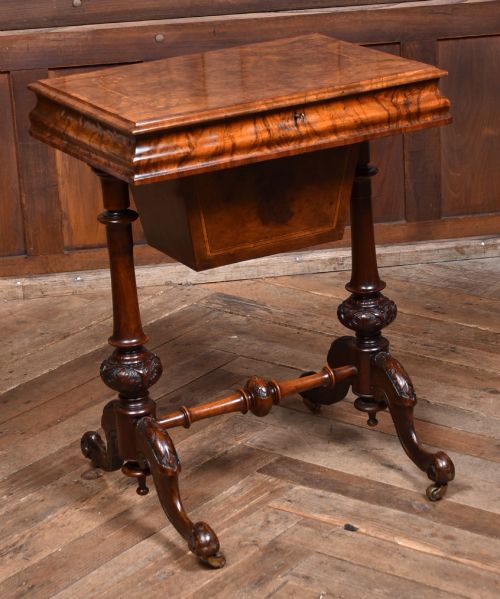
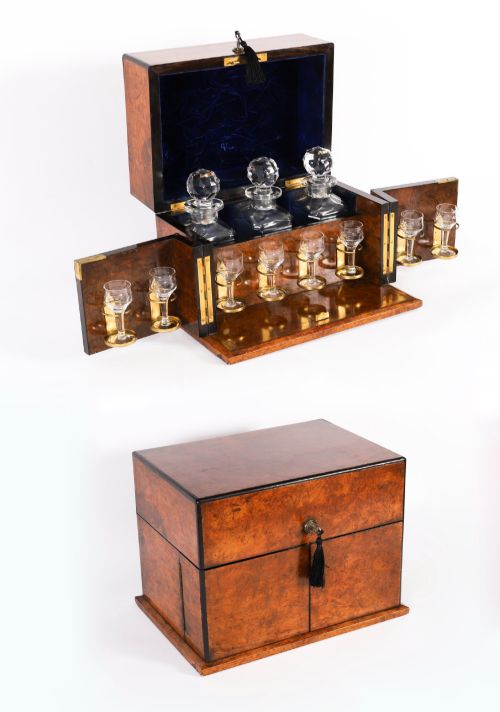
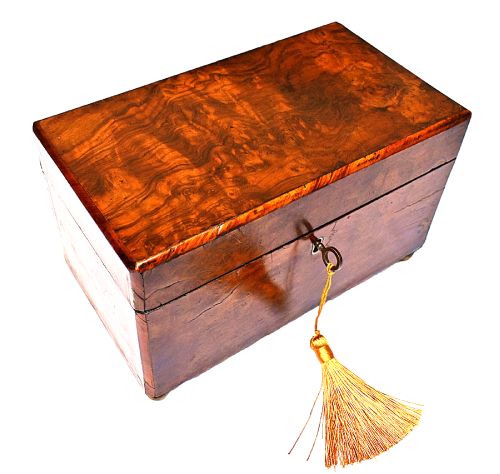
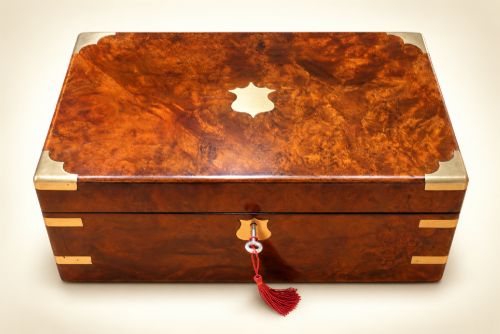
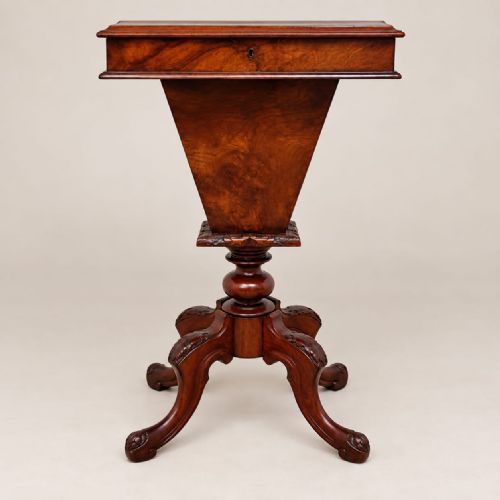
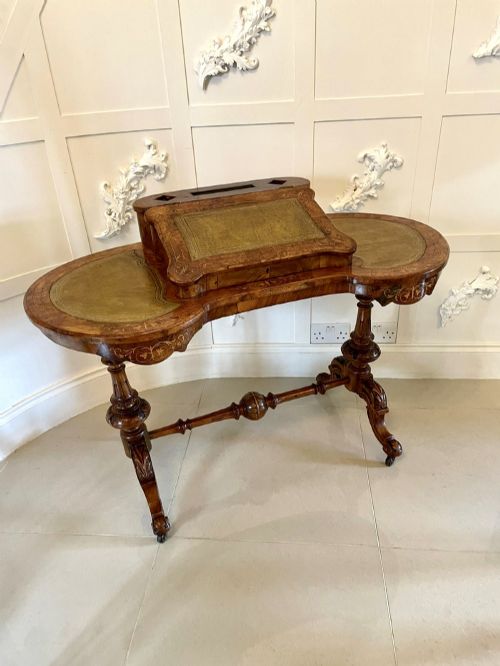
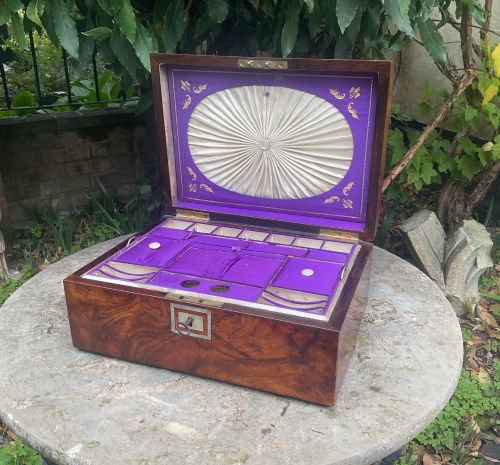
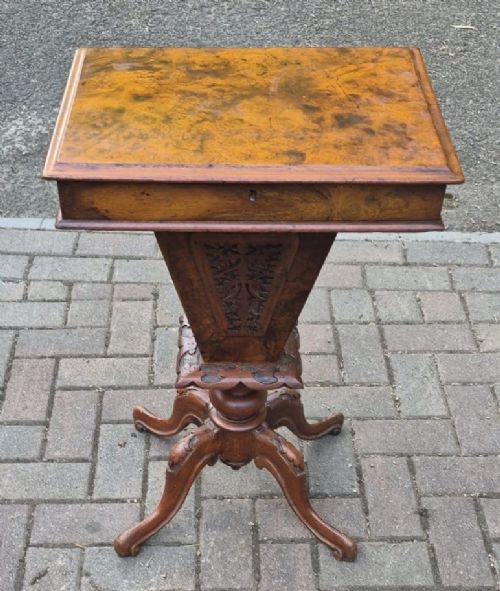
A victorian burr walnut box encompasses a wide range of functional containers produced throughout the nineteenth century, reflecting the era's taste for orderly and decorative storage. Buyers searching for a victorian burr walnut box typically encounter smaller tabletop accessories such as writing slopes, jewellery caskets, stationery cabinets, and sewing boxes.
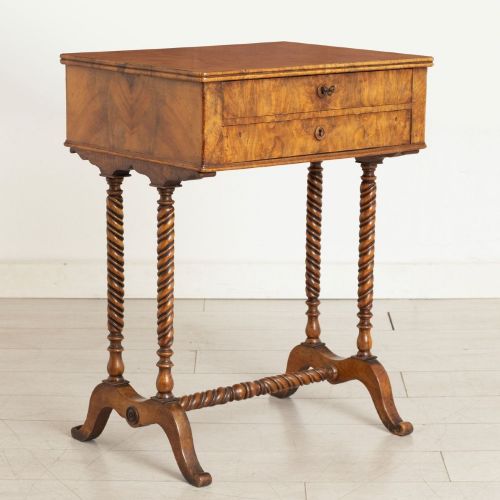
Many of these pieces utilise figured timber veneers on structural pine or mahogany, often enhanced with brass mounts, inlay, or fitted internal compartments. The selection frequently includes larger freestanding work tables and occasional furniture featuring lift-off or hinged lids alongside portable desk boxes.
Origins span standard English workshops alongside French and continental cabinet makers working in periods from the mid nineteenth century up to the 1890s. These items served specific domestic functions for correspondence, personal adornment, and leisure, surviving today as practical display objects.
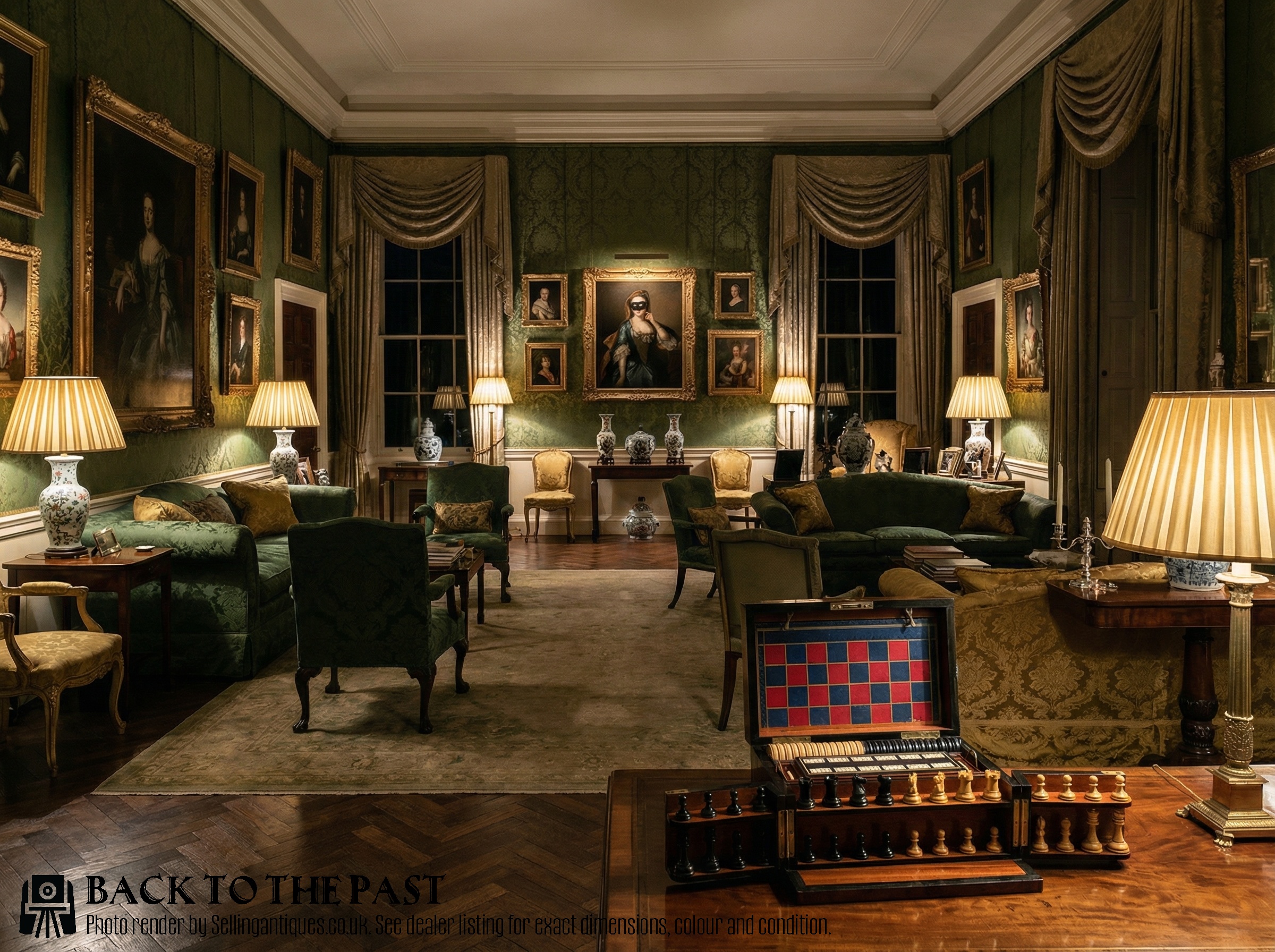
How They Were Made
Cabinet makers constructed these pieces by applying thin slices of highly figured burr walnut veneer over a stable secondary wood carcass, securing complex grain patterns to visible surfaces. Workshops incorporated solid walnut for structural frames, mouldings, and carved details.
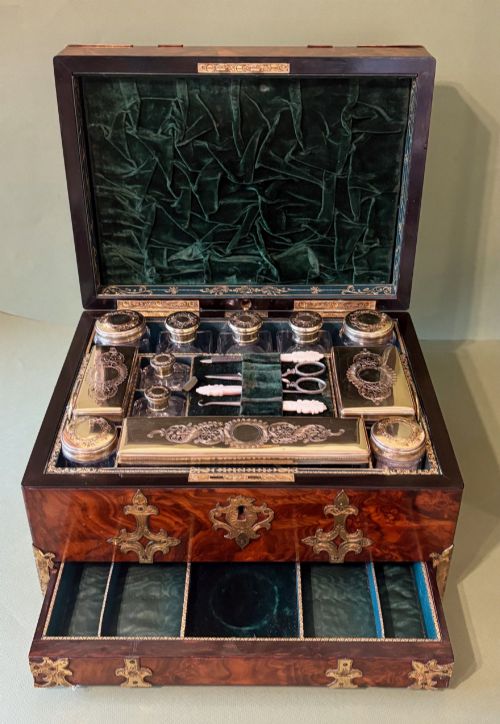
Metalwork played a key structural and decorative role, with heavy brass edging, corner brackets, and escutcheons secured by small brass screws. Interiors frequently integrated secondary materials like velvet, fabric, ebonised wood, and mirrored glass to line fitted compartments and trays.
Victorian Burr Walnut Box Retail Price Guide 2026
Typical asking prices for victorian burr walnut box among the pieces listed under this phrase on Sellingantiques today, from the lower quarter to the upper quarter. They describe what is for sale here now, not the wider market.
Current listings feature items from the 1850s to the 1890s, utilising brass, glass, and velvet alongside burr walnut.
What Varies In Quality
The distinction between standard examples and superior pieces rests on the choice and matching of the veneer. Top-tier items display unbroken, highly active burr patterns carefully aligned across all sides, whereas lower-grade variants show plain grain or patched repairs.
Internal complexity and hardware finish further differentiate quality. Superior boxes feature fully intact fitted compartments, working locks with original keys, crisp brass binding, and precise marquetry inlay rather than simpler unadorned surfaces.
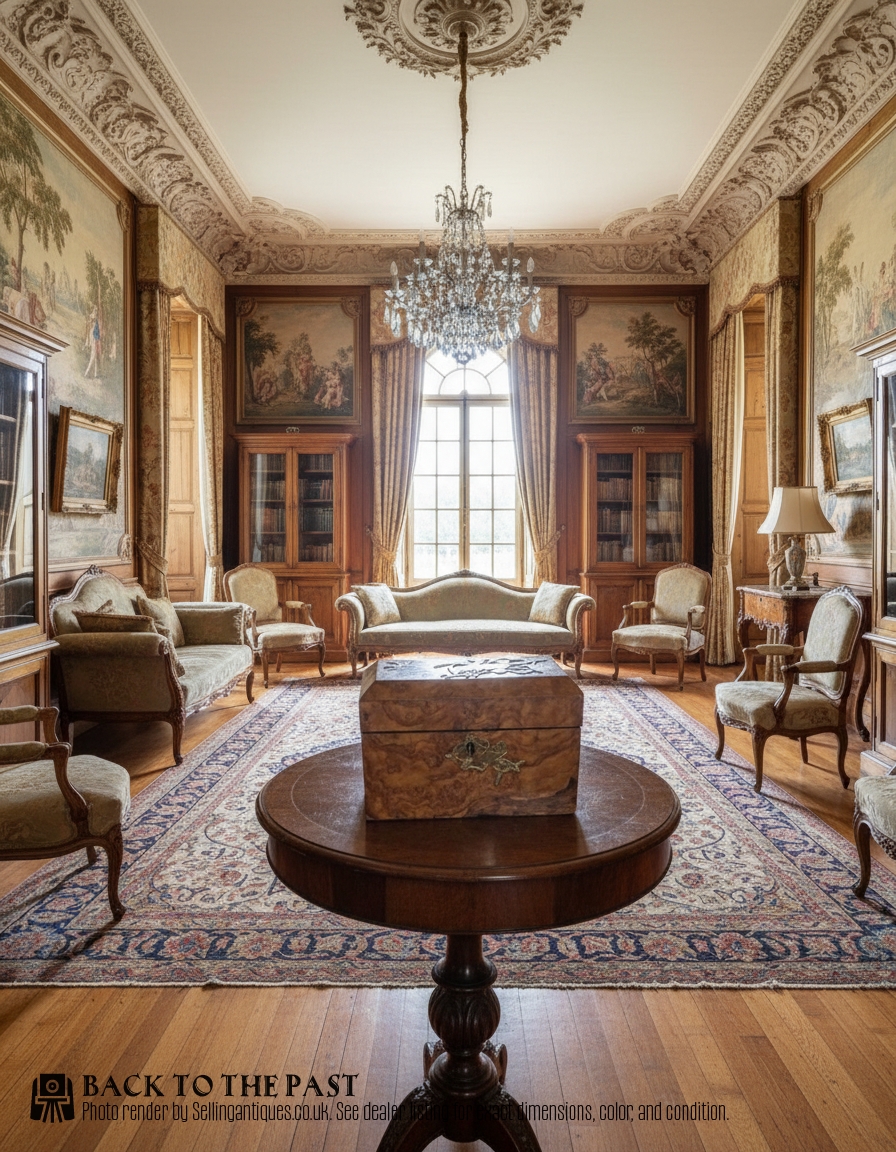
B A Bremond·Leuchars of London
The Victorian Burr Walnut Box Glossary
- Burr walnut
- A wood veneer derived from the gnarled growth or root of a walnut tree, prized for its swirling, highly patterned grain. It creates a decorative surface texture highly sought after by nineteenth-century cabinet makers.
- Writing slope
- A portable box that opens to form an angled, leather-lined writing surface with internal storage for stationery and inkwells. These pieces fold shut into compact wooden cases secured with locks.
- Marquetry
- The art of applying decorative pieces of veneer to a structure to form intricate pictorial or geometric designs. Artisans cut various woods and shell materials to fit flush within the primary surface.
- Stationery box
- A tabletop cabinet designed to hold writing paper, envelopes, and correspondence accessories in an upright tiered arrangement. They often feature sloping fronts or folding doors.
- Ormolu
- Gilded bronze ornamentation applied to furniture, boxes, and decorative objects to provide metallic contrast against dark woods. This technique was popular in revival styles throughout the nineteenth century.
Victorian Burr Walnut Box: Frequently Asked Questions
What were writing slopes used for?
Writing slopes provided a portable desk space for correspondence before the widespread use of fitted household furniture. They kept paper, pens, and ink securely contained in one locking case.
Travellers and homeowners alike used these boxes on ordinary tables to maintain privacy while writing letters. The slanted lid offered a comfortable angle for handwriting.
How do I identify a jewellery box?
Jewellery boxes usually feature internal velvet or satin-lined trays, small compartments for rings, and occasionally a fitted mirror inside the lid. They were built to store personal trinkets and precious accessories safely.
Externally, they often display brass handles and robust locking mechanisms. The presence of multi-tiered removable trays indicates a design intended for small valuables.
Are these boxes made of solid walnut?
Most of these pieces consist of secondary woods like pine or mahogany covered in thin burr walnut veneer. Solid walnut was reserved for mouldings, carved feet, and structural frames.
Veneering allowed makers to display complex, swirling grain patterns across flat surfaces that solid timber could not match economically.
How should I clean the wood surface?
Maintenance requires gentle dusting with a dry, soft cloth to prevent grit from scratching the aged finish. Avoid using modern aerosol polishes or water on antique timber.
Applying microcrystalline wax periodically helps nourish the vintage polish without building up heavy residue. Keeping the box away from direct sunlight protects the walnut from fading.