




Victorian Bronze Side Table
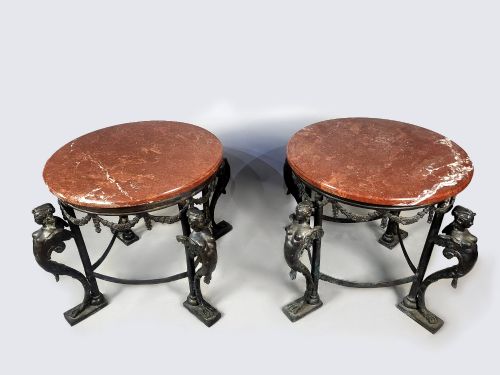
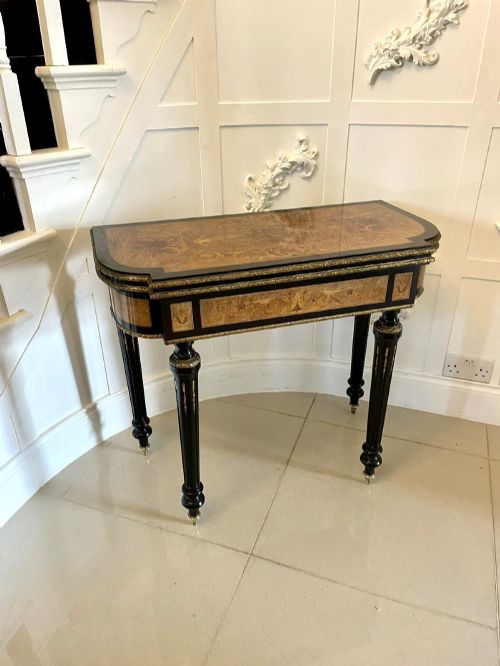
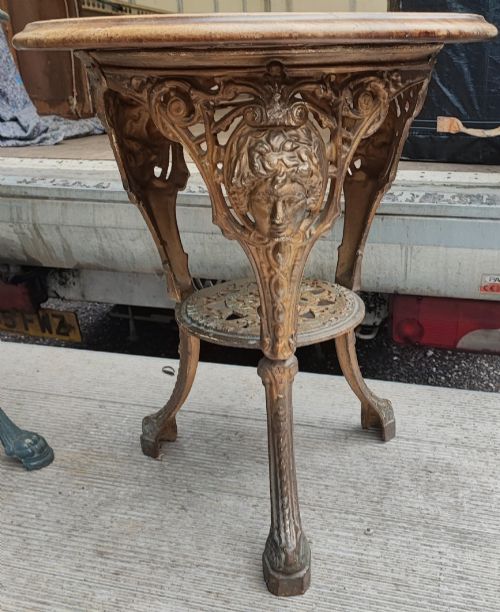
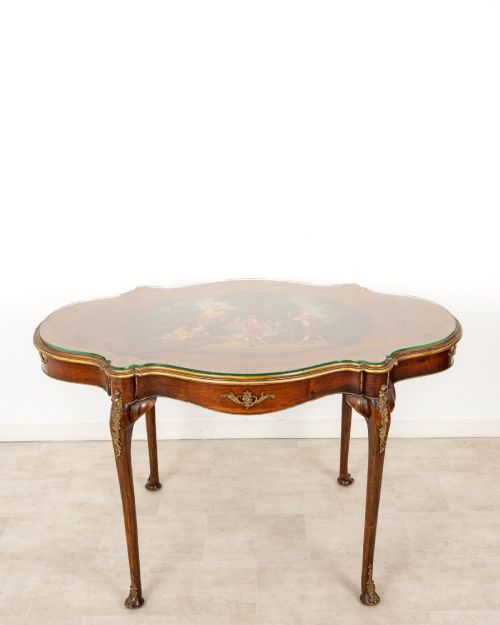
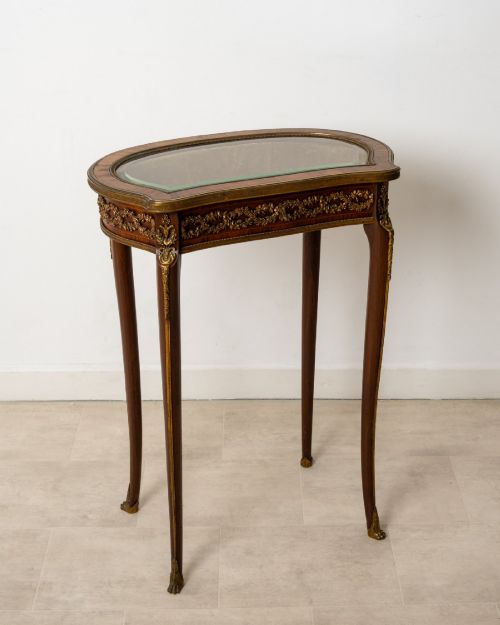
A victorian bronze side table brings heavy metal mounts, marble tops and dark timbers together in a small footprint designed for nineteenth century drawing rooms.
Victorian Bronze Side Table
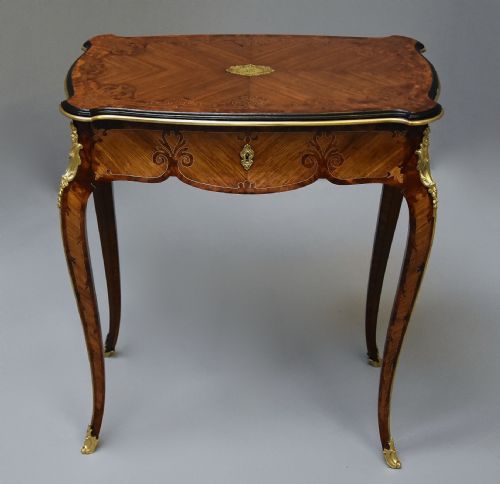
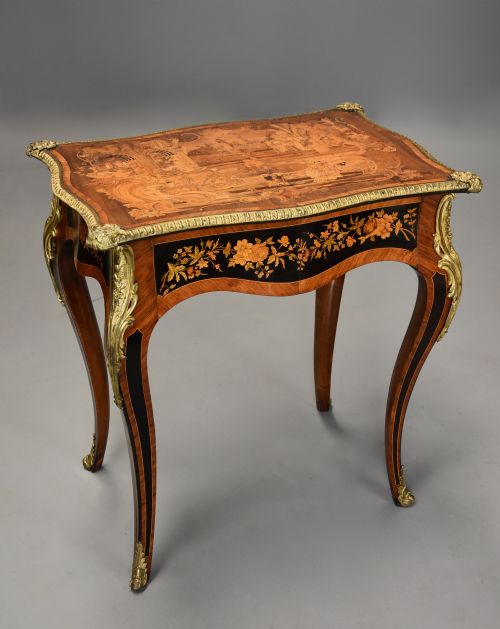
A victorian bronze side table is a compact surface intended for display or occasional use, heavily influenced by French taste and revival styles. These pieces combine timber frames with metallic mounts, frequently drawing on Neoclassical or Rococo design motifs.
The selections encountered here span the nineteenth century, including specific dates from the eighteen-fifties through the Edwardian transition. Alongside traditional side tables, the category encompasses centre tables, occasional tables and vitrine display pieces.
Makers and workshops of the period utilised various imported woods and gilt metals to create formal furnishings for the home. The resulting objects function both as functional furniture and decorative statements.
Materials and construction
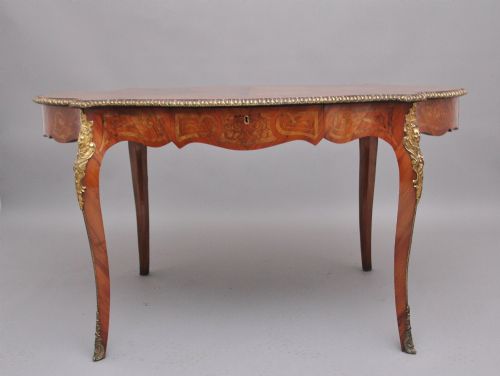
Makers built the foundational structures from walnut, mahogany, rosewood and kingwood, often applying marquetry or boulle work to the primary surfaces. Ormolu and gilt bronze mounts were cast and chased then fixed to corners, legs and aprons.
Many examples incorporate white marble tops inset into wooden frames, whilst others rely on glass panels or intricate wood inlays. Mechanisms for drawers, drop leaves or writing surfaces demonstrate advanced nineteenth century cabinet making.
Victorian Bronze Side Table Retail Price Guide 2026
Typical asking prices for victorian bronze side table among the pieces listed under this phrase on Sellingantiques today, from the lower quarter to the upper quarter. They describe what is for sale here now, not the wider market.
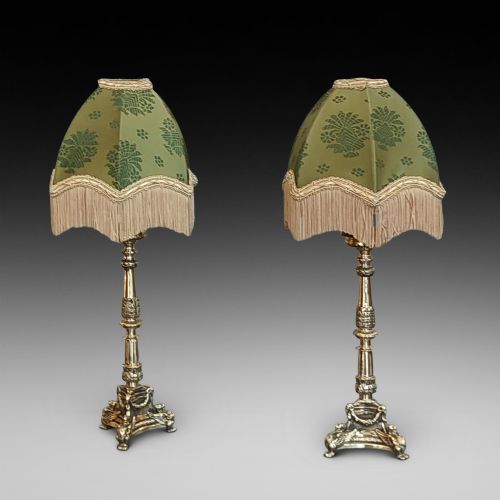
Bronze putti and cherubs frequently peer out from table lamps and clock mounts, keeping watch over the parlour.
Distinctions in craftsmanship
The definition of the chasing on the bronze and ormolu mounts separates standard production from superior work. Crisp detail in cast figures and foliage indicates skilled artisan output.
The precision of the marquetry and the choice of timber figure determine the refinement of the table body. Dense graining in the walnut or kingwood alongside tight joinery points to higher workshop standards.
Gabriel Viardot·Gillows·Aug. Moreau
The Victorian Bronze Side Table Glossary
- Ormolu
- Gilt bronze produced by applying a mercury and gold amalgam to cast bronze. This technique creates a durable golden finish common on nineteenth century mounts.
- Boulle
- A method of marquetry using brass and tortoiseshell inlaid in counterpoint patterns. It is named after the French cabinet maker André Charles Boulle.
- Marquetry
- The art of applying thin veneers of different woods and materials to form decorative patterns. Craftsmen cut these elements to fit flush within the timber ground.
- Champlevé
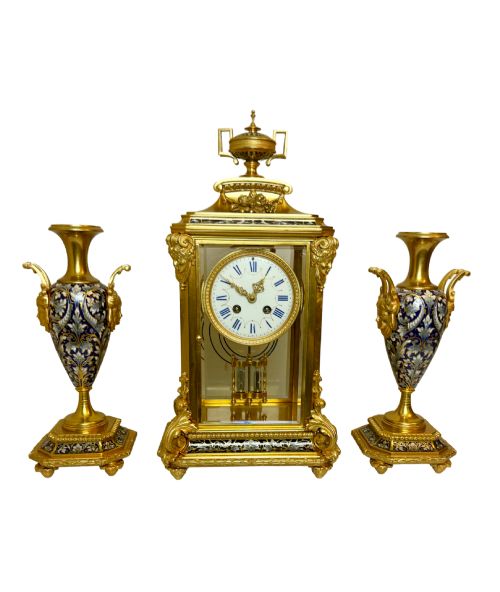
- An enamelling technique where troughs are dug into a metal surface and filled with vitreous paste before firing. This adorns clock garnitures and decorative metalwork.
- Vernis Martin
- A simulated Japanese lacquer technique developed in France during the eighteenth century. It uses multiple resin coats to achieve a glossy finish.
Victorian Bronze Side Table: Frequently Asked Questions
What is a bronze side table?
A bronze side table is a small nineteenth century furniture form incorporating cast metal mounts, gilt bronze or ormolu onto wooden frames.
These pieces were placed in reception rooms to hold lamps, clocks or decorative objects.
How do I identify French revival styles?
French revival pieces utilise curved cabriole legs, heavy gilt mounts and elaborate floral marquetry reflecting Louis XV and Louis XVI aesthetics.
Cabinet makers adopted these continental designs widely across Victorian Britain.
Where should I place an occasional table?
Occasional tables fit beside seating areas or against panelled walls where their decorative timber and bronze work can be seen.
Their compact proportions allow them to function without dominating a room.
How do I care for gilt bronze?
Dust gilt bronze and ormolu gently with a soft dry brush to prevent dirt accumulation in the recessed chasings.
Avoid chemical polishes which can strip the original gilding from the metal surface.