
Victorian Brass Table Clock
When you handle a victorian brass table clock, you meet a piece of mechanical engineering housed in polished metal that tells time with steady precision.

Victorian Brass Table Clock
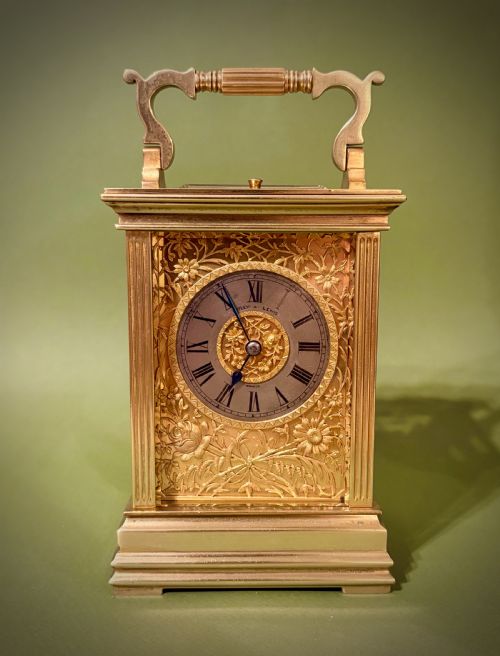
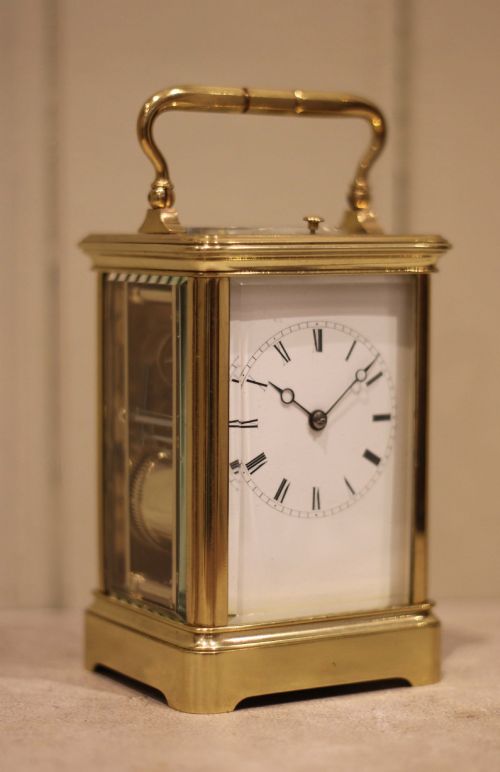
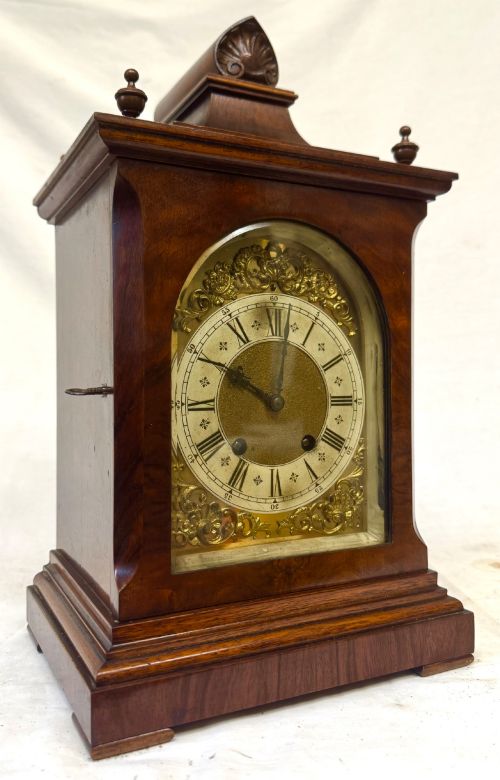
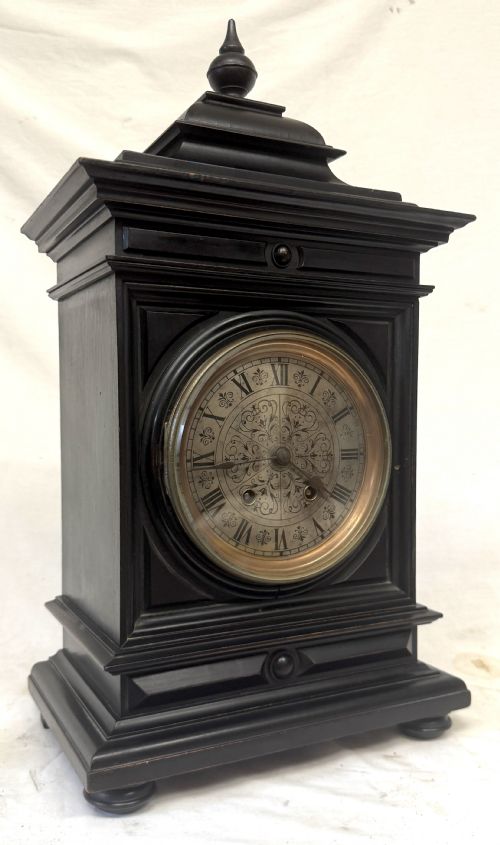
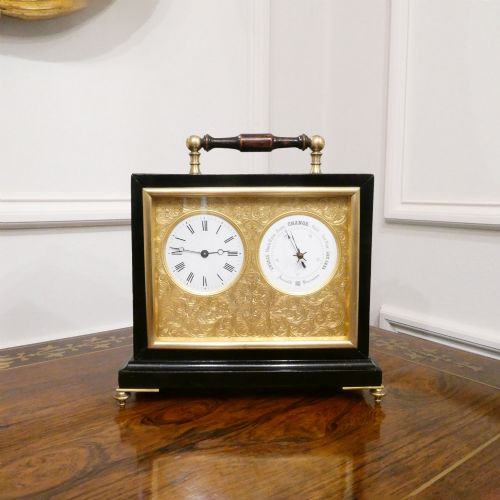
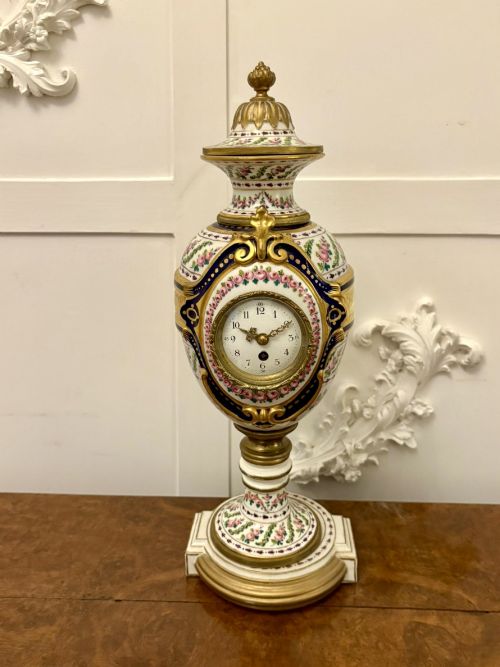
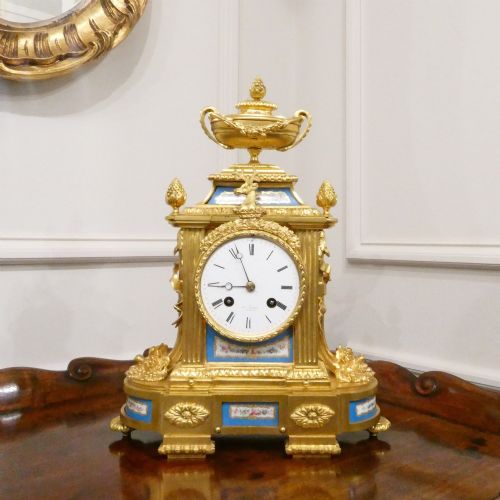
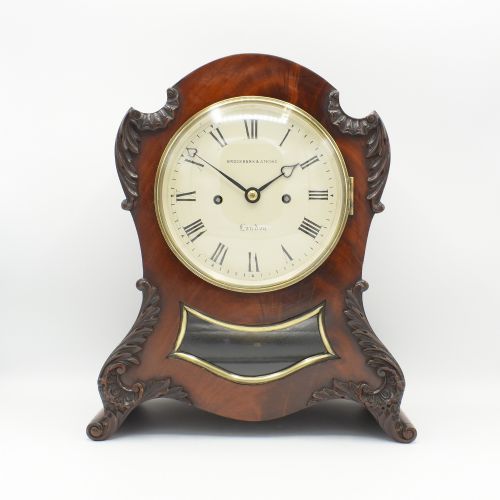
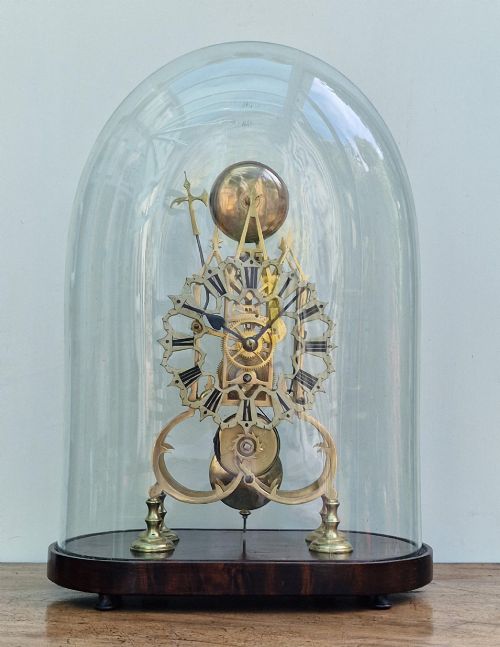
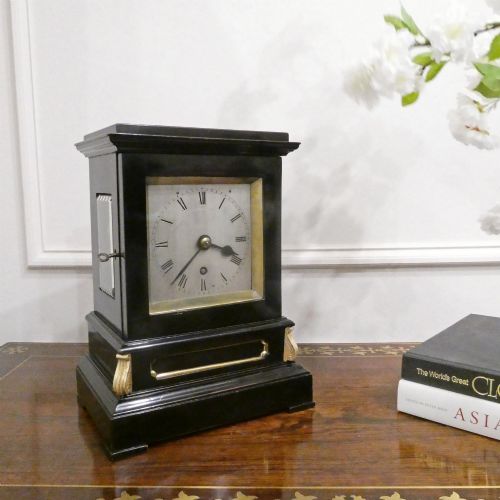
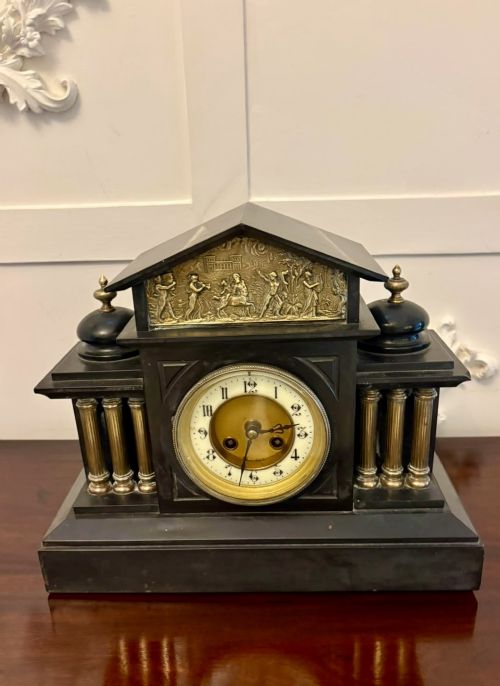
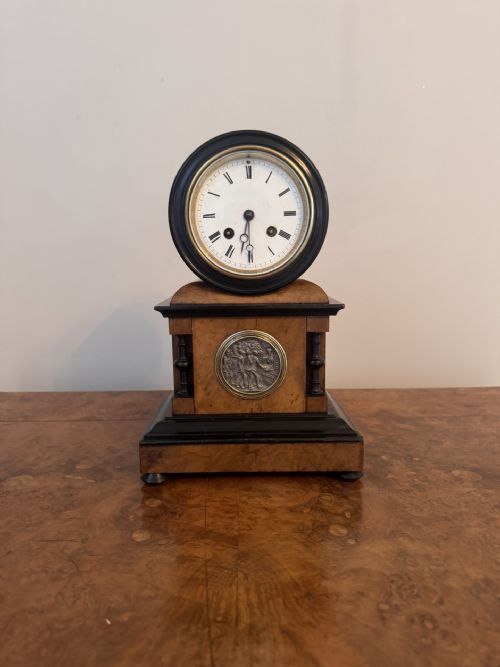
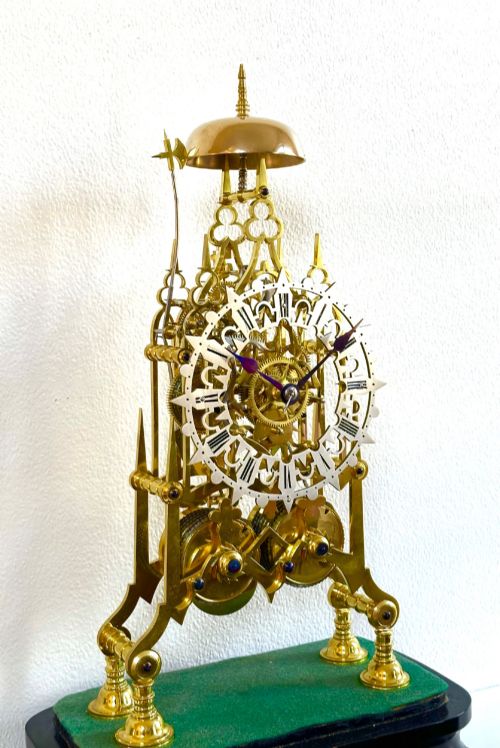
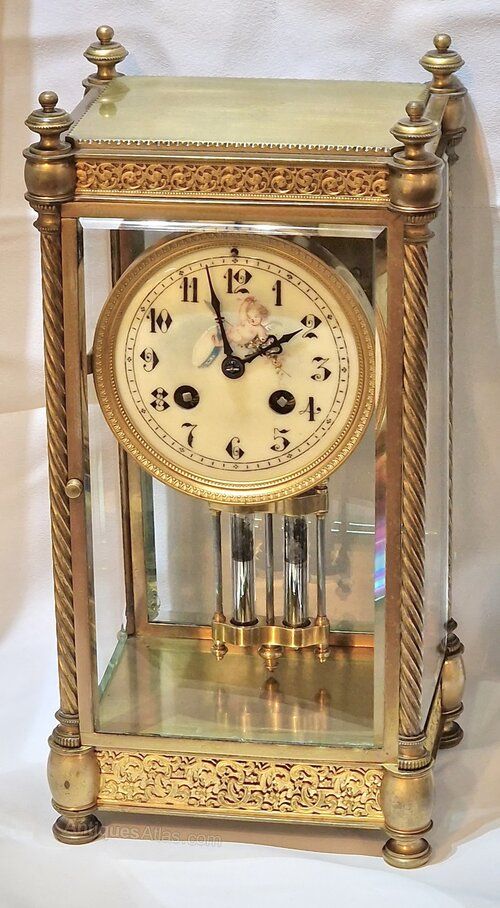
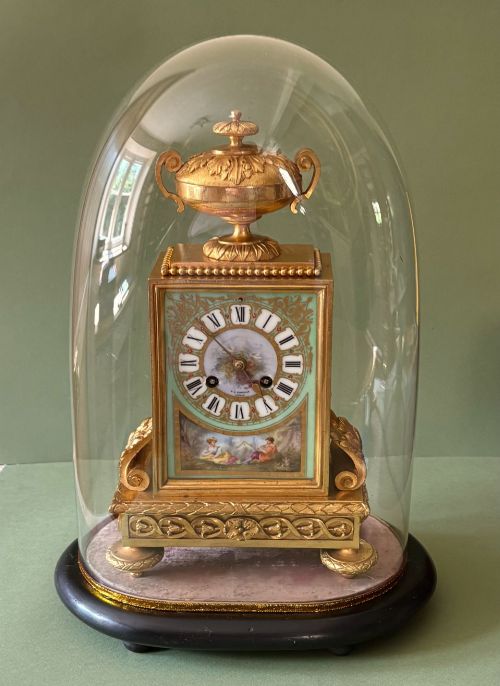
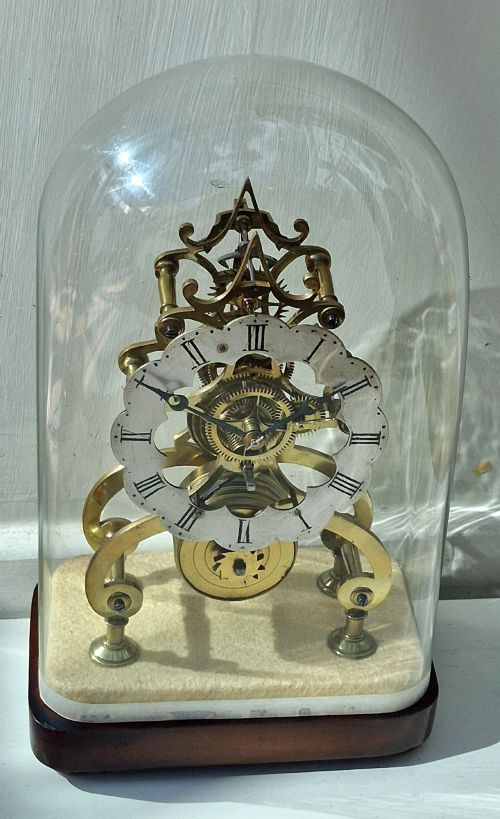
A victorian brass table clock brings together domestic timekeeping and period design, appearing across various forms on this page from mantel clocks and carriage clocks to skeleton clocks and desk clocks. These objects emerge primarily from the nineteenth century, spanning decades from eighteen-forty to nineteen-hundred with styles that draw on French Rococo Revival, Louis XVI, Neoclassical, and Victorian Gothic traditions.
Carriage clocks and bracket clocks represent a significant portion of the selection, sitting alongside architectural mantel clocks and drumhead models. Makers and manufacturers from England, France, Germany, and America produced these timepieces, utilising single and double fusee movements or eight-day escapements.
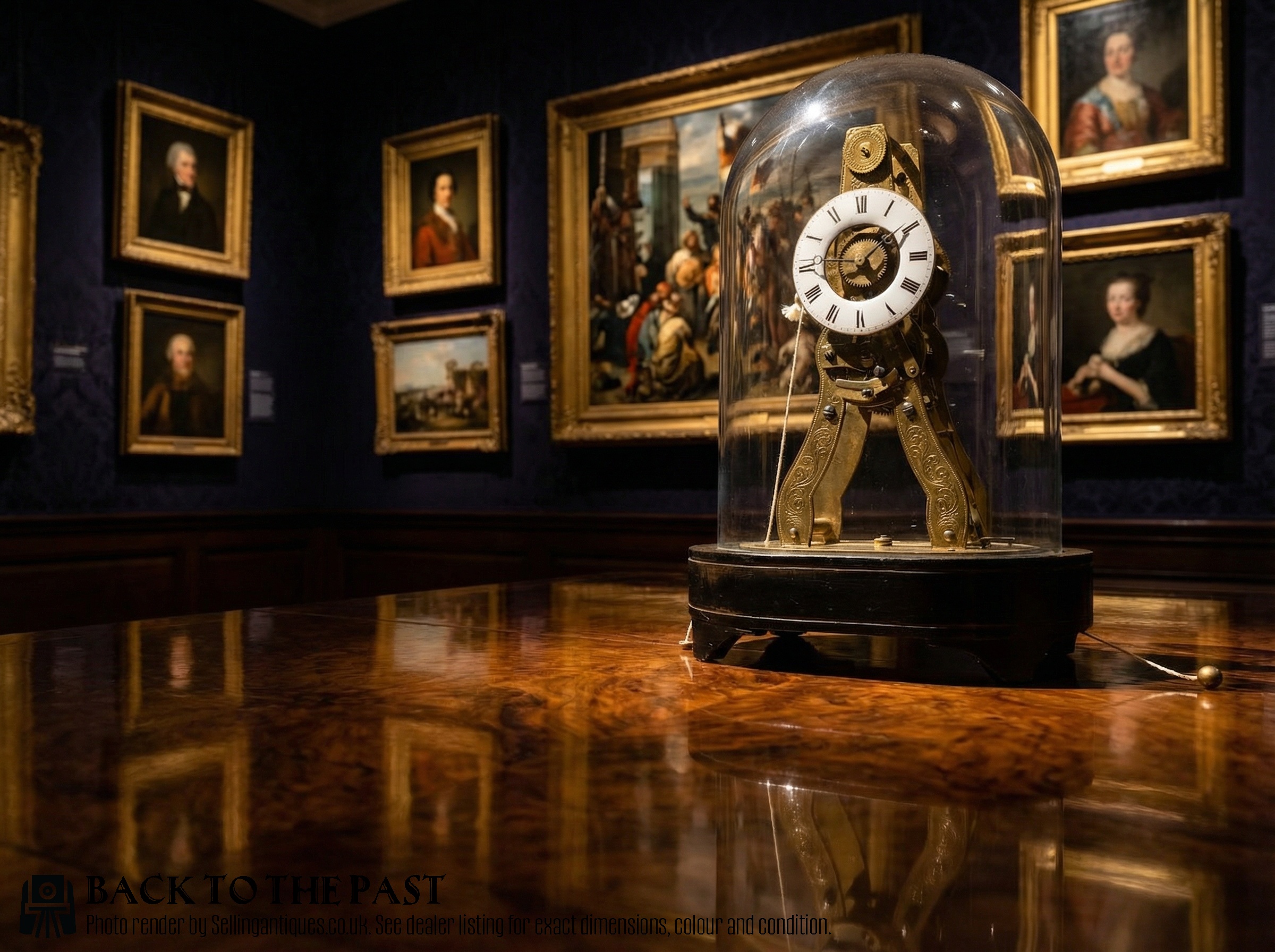
What Varies in Quality
Quality rests in the crispness of the cast brass or gilt bronze enrichment, where sharp chased detail distinguishes superior work from soft, mass-produced finishing. The complexity of the movement, such as double fusee mechanisms or repeating strike functions, separates standard domestic clocks from workshop output by named makers.
Materials dictate the tier of the piece, with hand-painted porcelain plaques, champlevé enamel, and carefully selected timbers like figured mahogany or rosewood marking out more ambitious commissions. The integration of the dial, glass panels, and case architecture shows the level of coordination between the cabinetmaker and the horologist.
Listings feature brass, gilt bronze, and porcelain materials combined with Victorian, French Rococo Revival, and Neoclassical styles.
Lenzkirch·Henry Marc·Brockbanks And Atkins·Mappin And Web·Winterhalder And Hofmeier·Richard Winter·Webster Cornhill London·Spurge Dunmow
The Victorian Brass Table Clock Glossary
- Fusee
- A conical pulley used in a clock movement to maintain even power as the mainspring unwinds. This device ensures consistent timekeeping throughout the running period.
- Carriage clock
- A portable spring-driven timepiece developed for travel, typically fitted with a carrying handle and glass sides. Many examples feature brass or gilt cases with lever escapements.
- Skeleton clock
- A clock with a stripped-down frame that exposes the gear train and movement to view. These pieces are often mounted on a marble or wooden base beneath a glass dome.
- Ormolu
- Gilded bronze produced by applying a mercury and gold amalgam to a bronze base and heating it. This technique creates a rich golden finish characteristic of decorative metalwork.
- Champlevé
- An enamelling technique where troughs are dug into a metal surface and filled with vitreous enamel before firing. The resulting design shows coloured enamel patterns divided by metal lines.
Victorian Brass Table Clock: Frequently Asked Questions
How do I wind a mechanical clock?
Most spring-driven clocks require a key inserted into the dial to wind the mainspring barrels. Care must be taken not to overwind the mechanism.
Fusee clocks often use a separate winding cord or key applied to the side or back of the movement. Following the correct rotation direction prevents damage to the gear train.
What is the difference between a mantel clock and a bracket clock?
Mantel clocks are designed to sit directly on a fireplace mantel or shelf, often featuring architectural marble, bronze, or wooden cases. They reflect various nineteenth-century decorative styles.
Bracket clocks originally rested on a wooden wall bracket to project sound through the room, though many now stand on tables or desks. They typically feature robust fusee movements enclosed in wooden cabinets.
Why do some clocks have glass panels?
Four-glass and carriage clocks utilise glass panels to allow light into the movement and showcase the rotating balance wheel or escapement. This design highlights the mechanical motion of the gear train.
These panels also protect the delicate brass components from dust while maintaining visibility from multiple angles. Bevelled glass edges are common in higher-grade pieces.
How can I tell the period of a brass clock?
Stylistic indicators such as French Rococo Revival curves, Louis XVI symmetry, or Victorian Gothic motifs point to specific decades within the nineteenth century. Case materials and dial designs also align with manufacturing eras.
Signatures or maker marks engraved on the backplate provide direct evidence of the workshop and production period. Movement construction methods evolved from verge escapements toward lever and platform escapements over time.