

Victorian Brass Mounted Cabinet
These victorian brass mounted cabinet examples combine timber surfaces with metal mounts, offering practical storage and distinct nineteenth-century styling.
Victorian Brass Mounted Cabinet
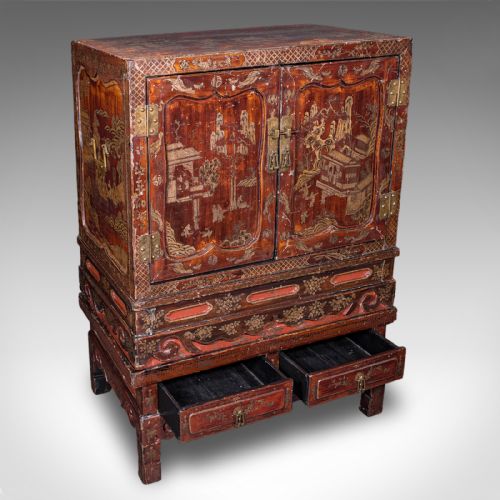
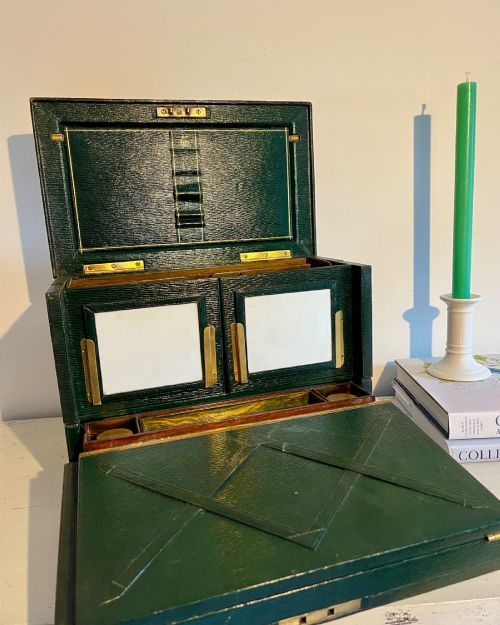
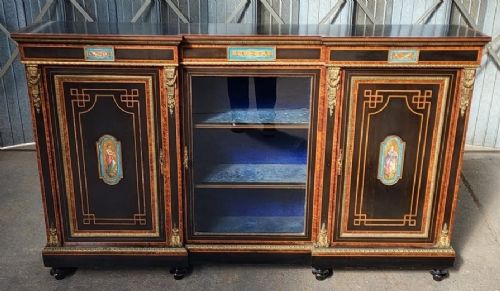
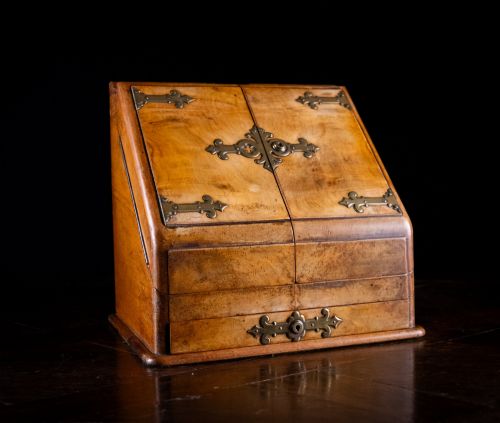
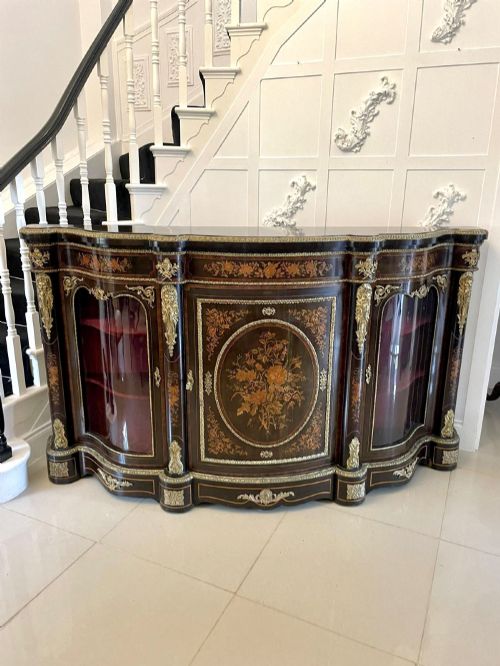
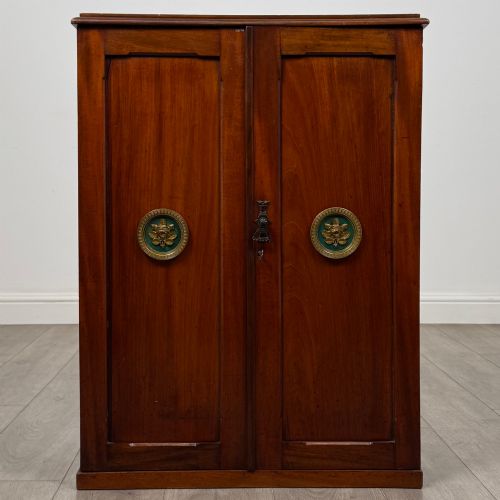
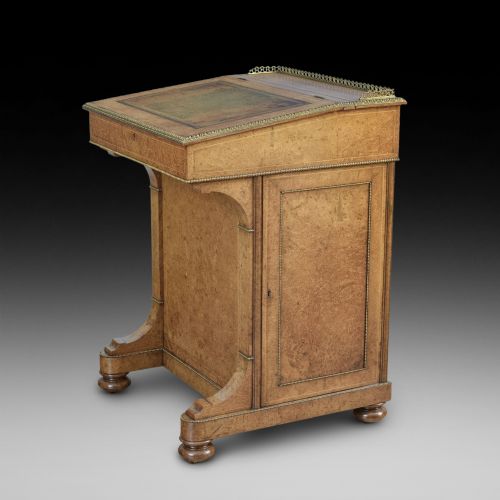
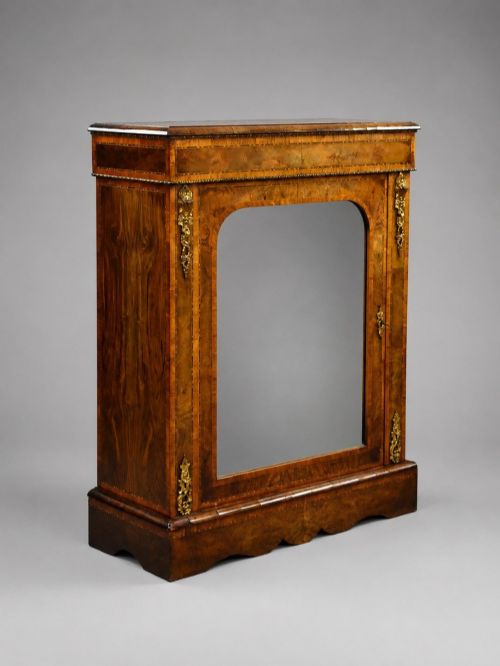
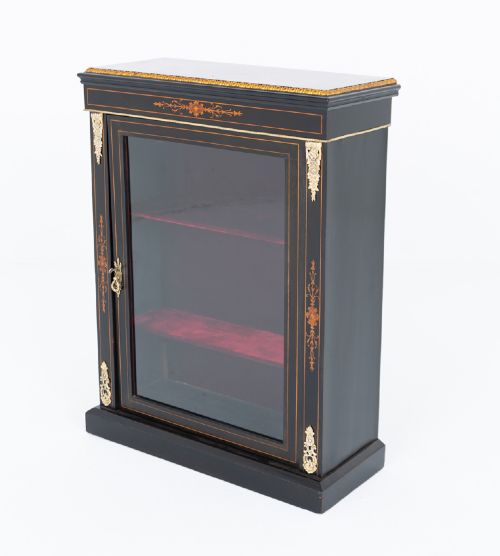
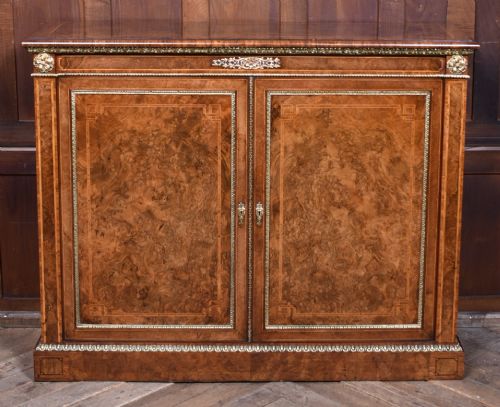
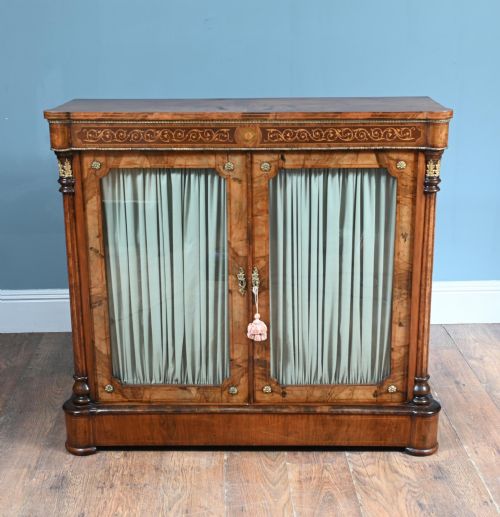
When searching for a victorian brass mounted cabinet, you encounter a selection of nineteenth-century pieces ranging from compact stationery boxes and cigar humidors to larger pier cabinets, credenzas, and bookcases. The version met most frequently on this page is the walnut, burr walnut, or ebonised display or pier cabinet, often accented with gilt metal or brass mountings.
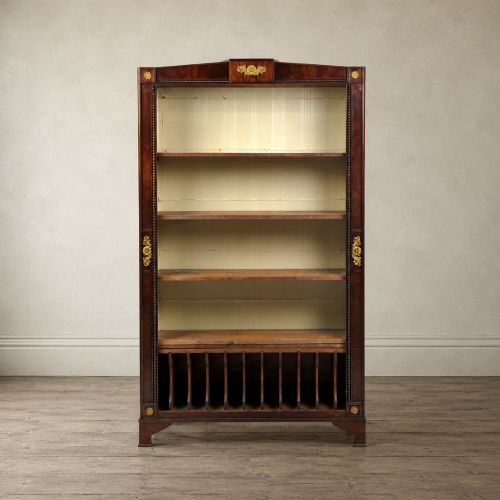
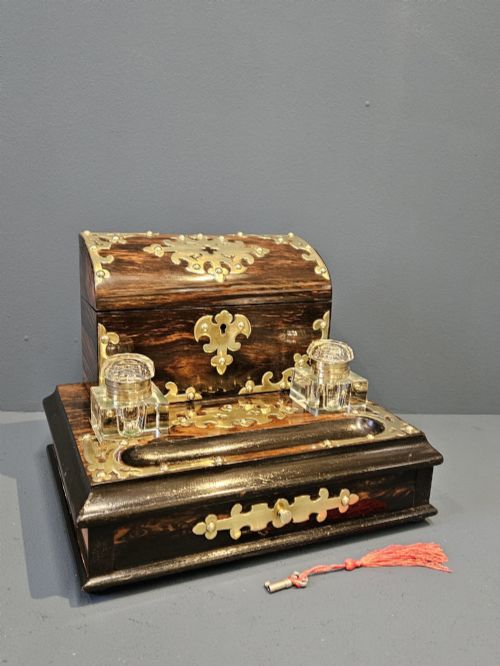
Makers and workshops of the period utilised various forms including open bookcases, side cabinets, and cabinets on stands. These items served specific domestic functions in the Victorian interior, from housing writing equipment and smoking accessories to displaying porcelain plaques and decorative objects.
How they were made
Cabinet makers constructed carcases from timbers such as walnut, rosewood, mahogany, coromandel, and oak, frequently applying veneers like burr walnut or ebonised finishes to the exterior surfaces. Marquetry inlay, tortoiseshell, and hand-carved details often complement the primary wood.
Metal elements including brass and ormolu mounts, hinges, escutcheons, and gallery rails were secured to the timber structure. Glass panels were fitted to doors for display cabinets and vitrines, while specialised interiors housed stationery compartments, inkwells, or locking mechanisms.
Listings feature periods from the Victorian era and Edwardian times, utilising materials like brass, glass, ormolu, and burr walnut.
What varies in quality
The standard of a piece depends on the choice of cabinet timbers and the precision of the marquetry or inlay work. Grain selection in burr walnut or amboyna and the depth of the ebonised finish set higher-tier examples apart from simpler utility items.
The execution of the brass mounts and ormolu details indicates the workshop's investment in the piece. Crisp casting, secure fixing of decorative metalwork, and the integration of fitted interiors with functioning locks separate standard production from superior craftsmanship.
Henry Ogden and Son
The Victorian Brass Mounted Cabinet Glossary
- Ormolu
- Gilt-bronze mounts applied to furniture. These decorative metal ornaments add contrast and visual weight to the timber carcase.
- Boulle
- A form of marquetry using brass and tortoiseshell inlaid in contrasting patterns. This technique originates from French cabinet-making traditions.
- Tantalus
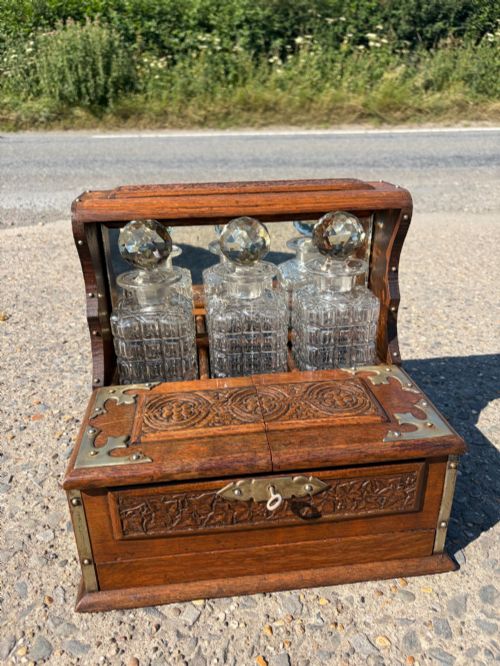
- A locked wooden stand holding decanters or bottles with the stoppers secured beneath a metal bar. The mechanism prevents access to the contents without a key.
- Credenza
- A large sideboard or cabinet often featuring curved ends and decorative plaques. These pieces served both display and storage functions in Victorian reception rooms.
Victorian Brass Mounted Cabinet: Frequently Asked Questions
What is a brass mounted cabinet used for?
These cabinets served various domestic storage needs in the nineteenth century, including the housing of stationery, writing implements, cigars, or valuable books.
Larger variations functioned as display furniture for ceramics and decorative objects within drawing rooms and libraries.
How do I identify a Victorian cabinet?
Identification relies on observing period timber choices such as burr walnut, rosewood, or ebonised wood combined with characteristic hardware styles. Construction methods and decorative motifs like marquetry inlay further anchor pieces to the nineteenth century.
Details such as key escutcheons, dovetailing on drawers, and original glass help distinguish genuine Victorian pieces from later reproductions.
How should I care for a Victorian wooden cabinet?
Maintenance involves keeping wooden surfaces away from direct sunlight and maintaining stable indoor humidity to prevent veneer splitting. Gentle dusting with a soft cloth preserves the polished finish.
Avoid chemical polishes and treat brass mounts carefully to protect the aged metal patination.