

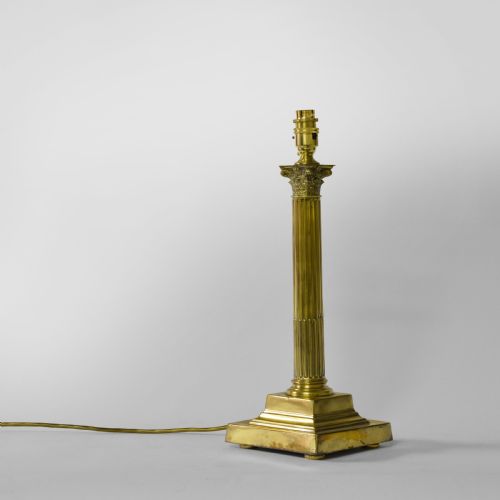


Victorian Brass Lamp Base
A victorian brass lamp base brings substantial weight, rich metalwork and period character to a tabletop.
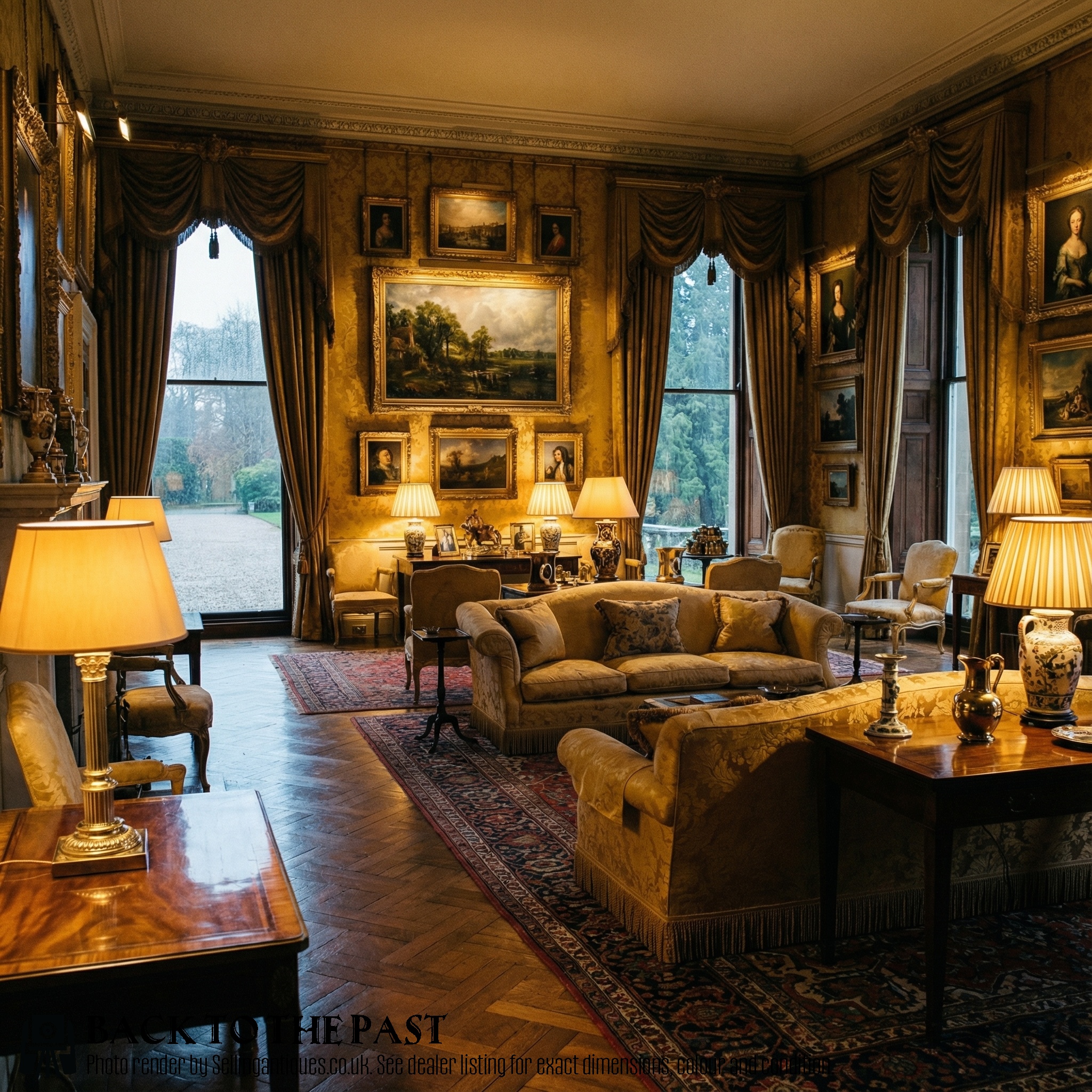
Victorian Brass Lamp Base
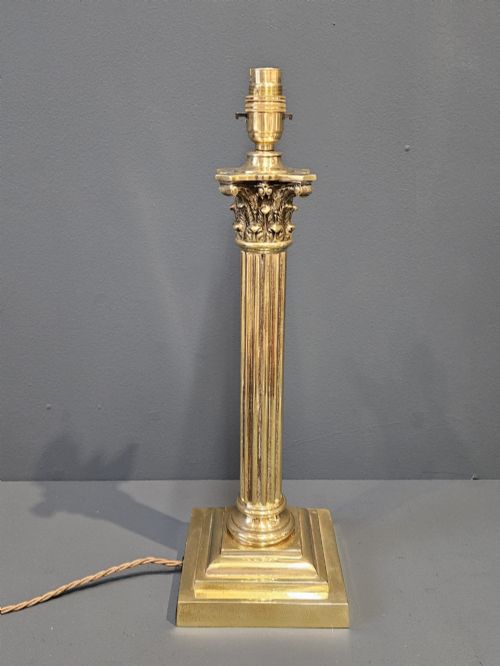
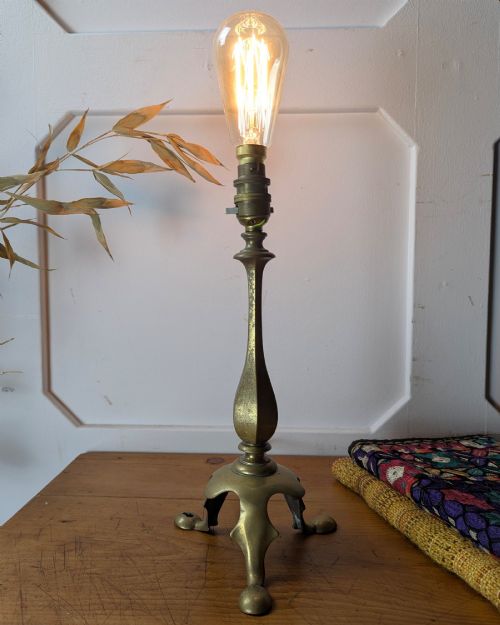
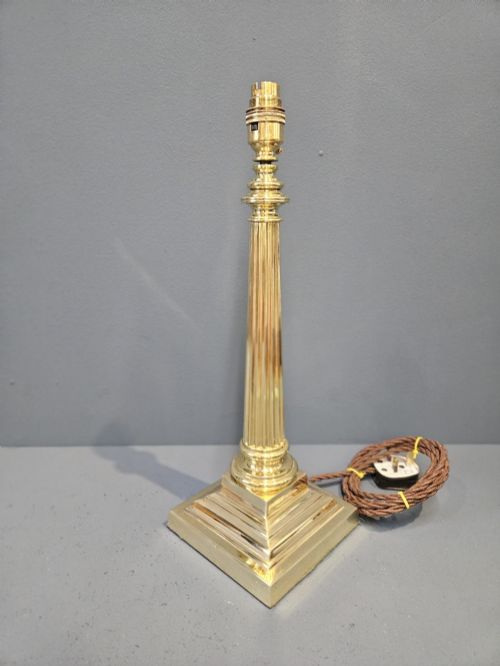
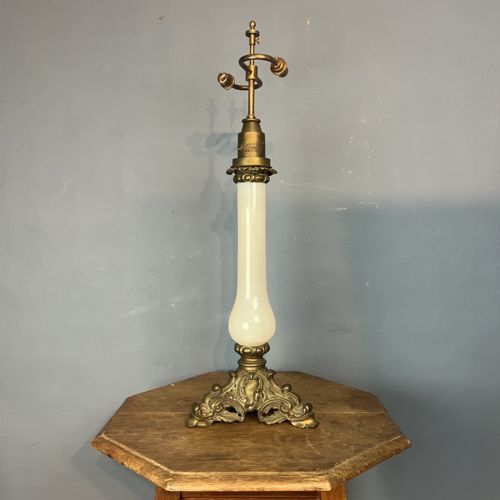
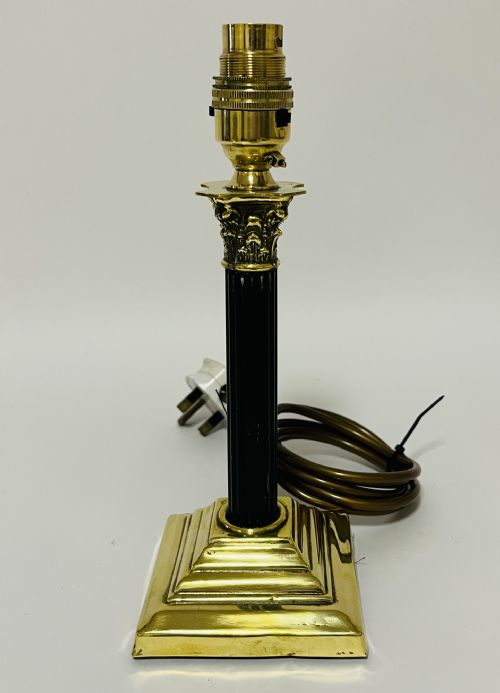
A victorian brass lamp base takes several distinct architectural forms, from classical columns to simpler baluster shapes. When searching for a victorian brass lamp base, buyers frequently encounter heavy metal standards designed originally for oil or kerosene usage.
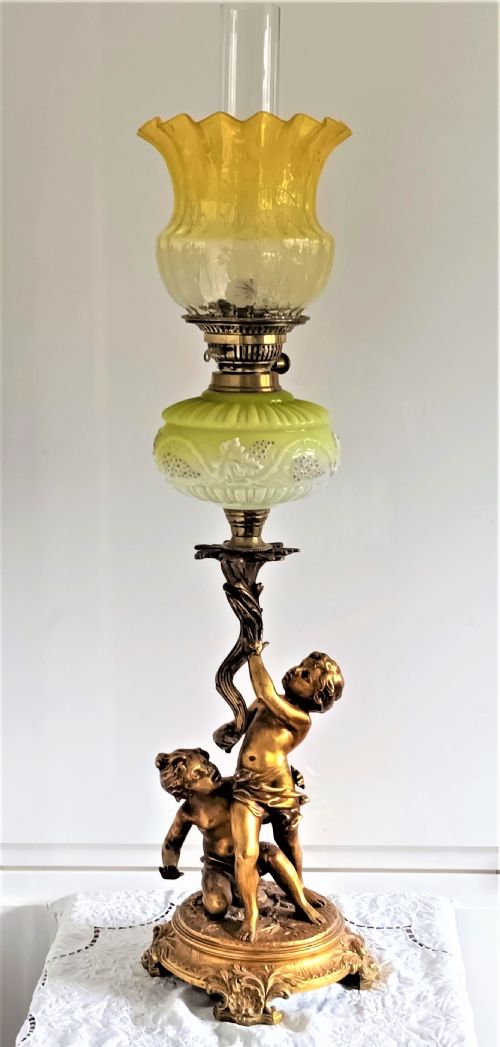
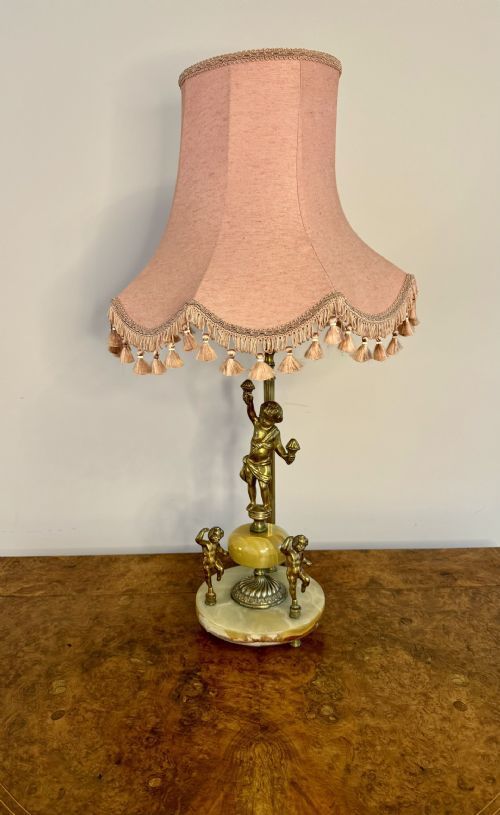
Many examples combine cast or spun brass with contrasting materials such as ceramic, opaline glass, or slate plinths. These pieces often originate from the nineteenth century, spanning various decades of Victorian production alongside related revival styles.
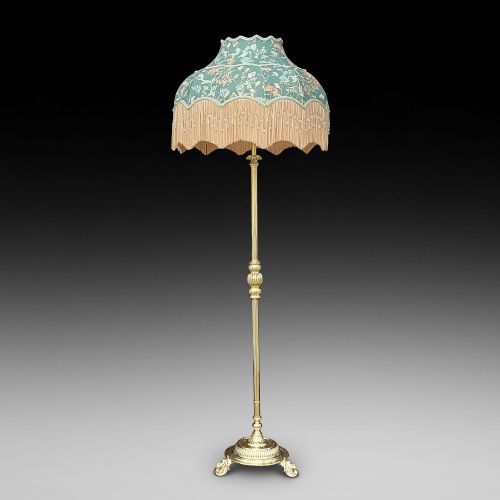
Floor-standing standard lamps and smaller table lamps appear regularly in the selection. Many retain evidence of their original function through fonts, burners, or weighted bases before conversion to modern electricity.
How they were made
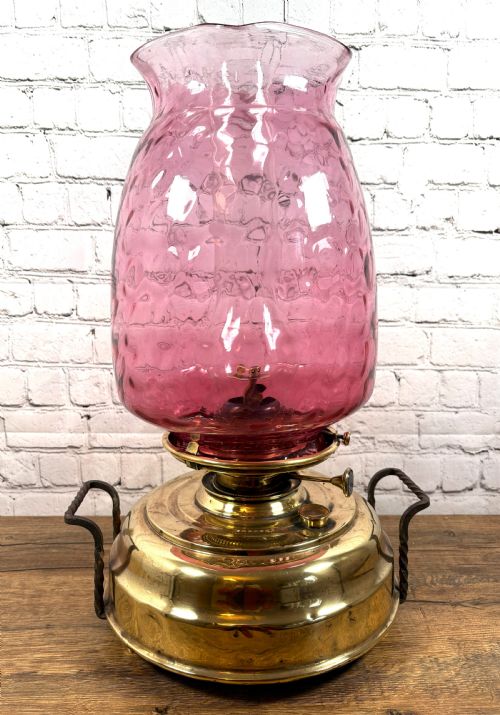
Makers utilised solid brass, gilt bronze, and silver plate alongside glass components like opaline, cranberry, and cut glass vessels. Heavy cast bases provided stability, particularly on taller standard lamps and floor-standing models.
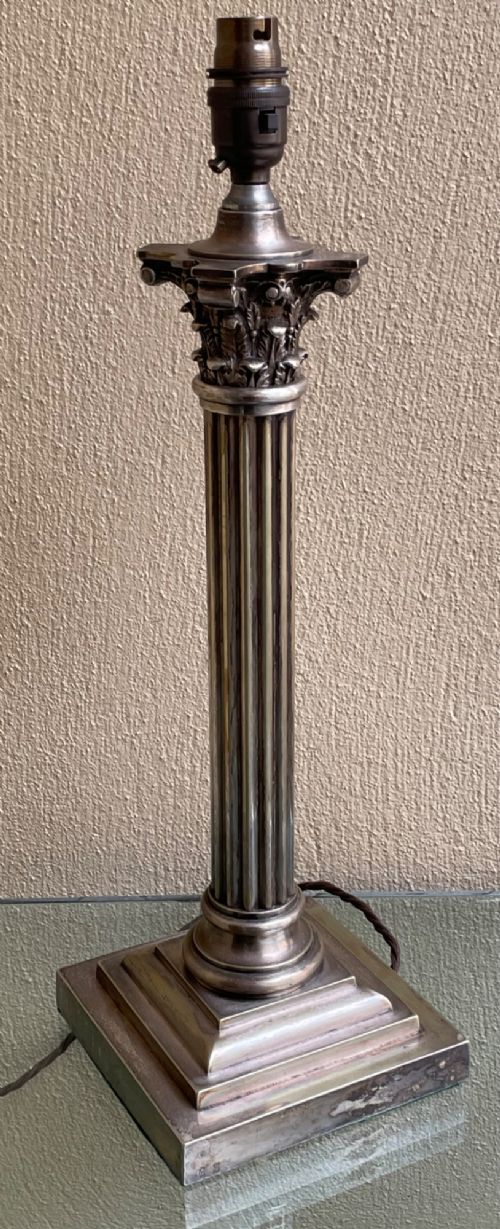
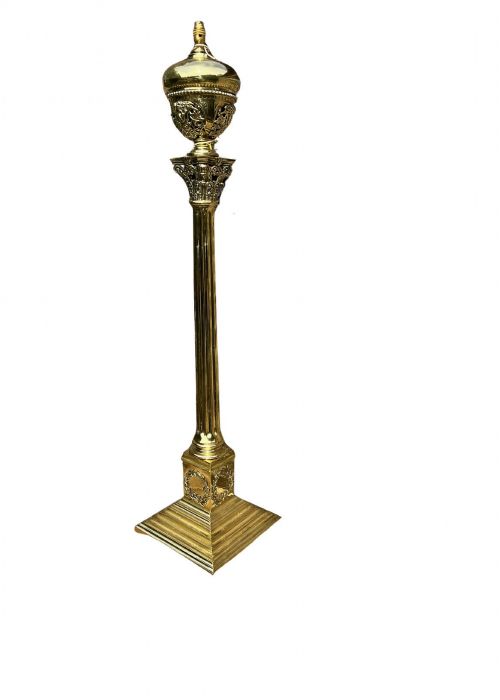
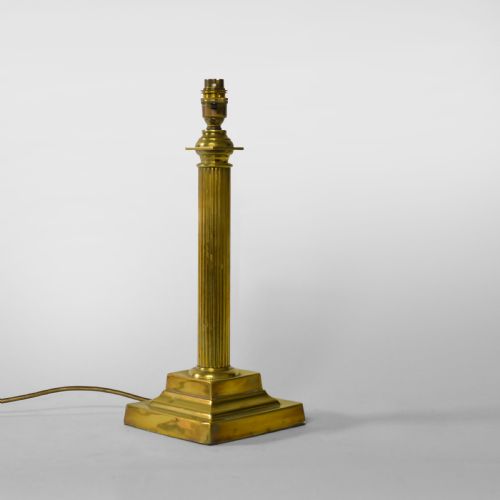
Columns relied on classical orders such as Corinthian and ionic capitals, cast with intricate detail and fluted shafts. Secondary materials including onyx, ceramic bodies, and black glass bases were integrated using threaded rods and secure collars.
At least one unfortunate Victorian dog managed to get immortalised as a porcelain lamp base.
What varies in quality
The crispness of casting detail on capitals and floral openwork separates ordinary production from finer studio work. Sharply defined acanthus leaves and clean fluting indicate superior craftsmanship in the metal.
The weight and gauge of the brass itself determine the physical presence and stability of the piece. Substantial metalwork and robust weighted bases distinguish the better examples from lighter, hollow alternatives.
Faraday & Sons·Joseph Hinks·Mc Gary
The Victorian Brass Lamp Base Glossary
- Corinthian column
- A classical architectural shaft topped with ornate acanthus leaves and scrolls, frequently used on nineteenth-century table lamps.
- Opaline glass
- An opaque, milky glass often coloured in pastel shades, used for the reservoirs or bodies of Victorian lighting.
- Standard lamp
- A tall floor-standing lighting fixture designed to illuminate a room from a vertical brass or wooden column.
- Peg lamp
- A small oil or fuel font equipped with a lower metal spigot that drops directly into a separate candlestick or base.
Victorian Brass Lamp Base: Frequently Asked Questions
Were these always electric?
These pieces were originally manufactured to burn oil or paraffin before electricity became common in domestic homes. Most surviving examples have since been converted to electrical operation for modern household use.
Rewiring typically involves routing a cord through the central burner or column while preserving the exterior historic metalwork and original weighted base.
How do I identify a Victorian piece?
Victorian examples generally feature heavier cast brass components, traditional oil font fittings, and architectural styles like Corinthian or ionic columns. Material combinations often include slate, ceramic, or opaline glass.
Datable manufacturing marks, patent stamps, or specific revival decorative motifs can also help confirm nineteenth-century origin.
Can I use standard lamp shades?
Many converted oil lamps require specific shade ring adapters or galleries to securely hold modern fabric lamp shades. The original burner mechanism often dictates how a new shade is attached.
Checking the existing collar size ensures compatibility with standard contemporary shade fittings.
Where should I place a floor lamp?
Tall standard brass lamps suit corners of living rooms, studies, or hallways where their vertical height provides balanced ambient lighting. Their substantial weight helps them stand securely on various floor surfaces.
Pairing the metal finish with other period hardware in the room creates a cohesive interior aesthetic.