

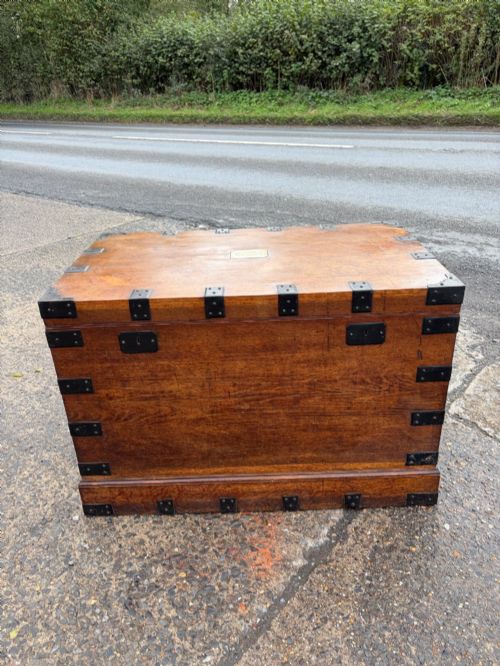
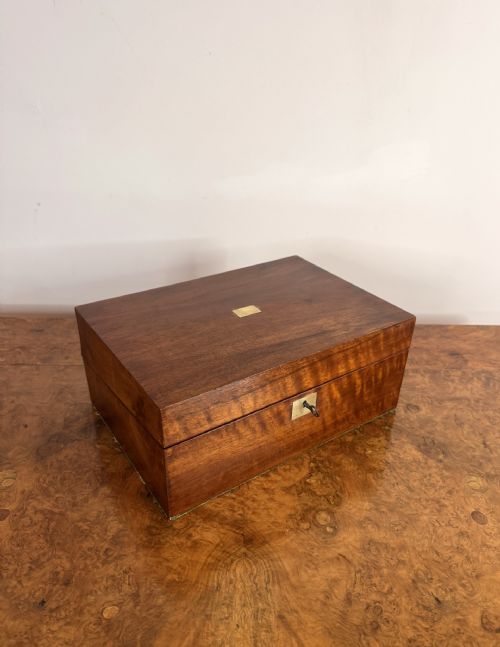
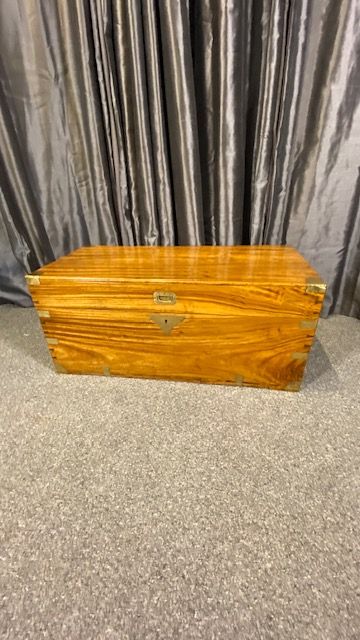
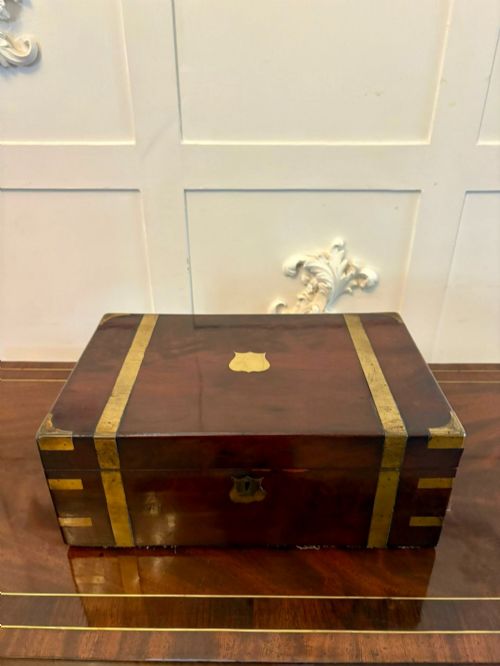
Victorian Brass Bound Box
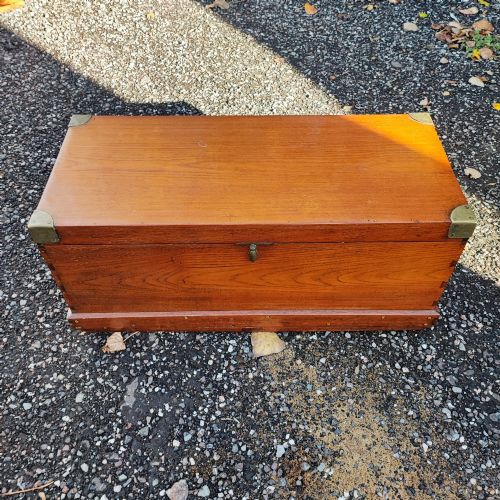
When you search for a victorian brass bound box, you encounter timber receptacles reinforced with metal corners and straps designed to endure travel or safeguard valuables.
Victorian Brass Bound Box
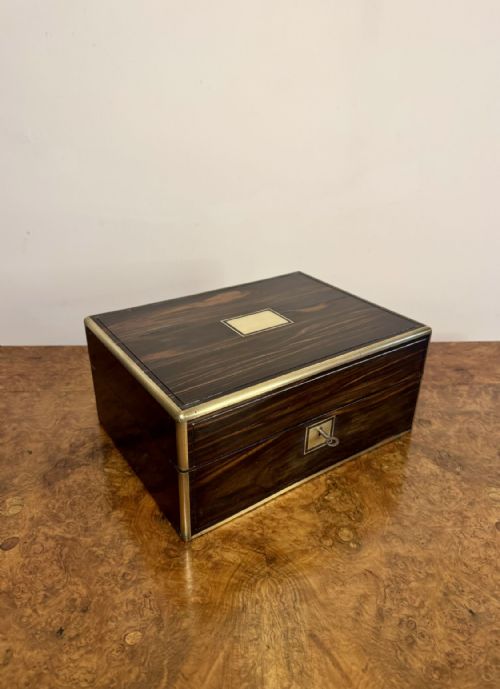
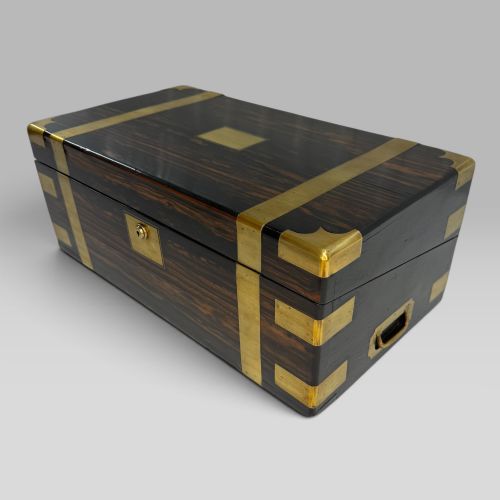
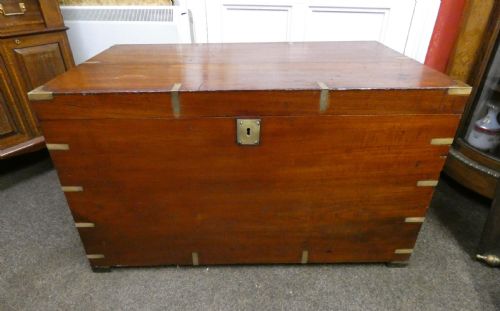
A victorian brass bound box encompasses a range of domestic and travel containers produced during the nineteenth century, including large campaign chests, smaller writing slopes, deed boxes, and jewellery cases. These items emerge from periods spanning the early decades through to the 1900s, often reflecting military utility or refined stationary storage.
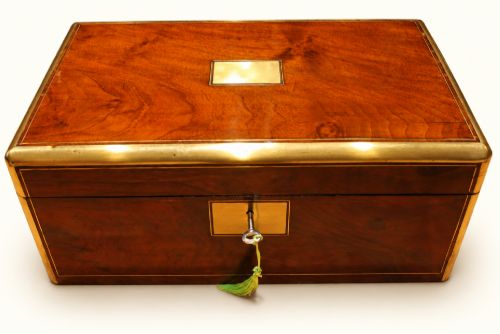
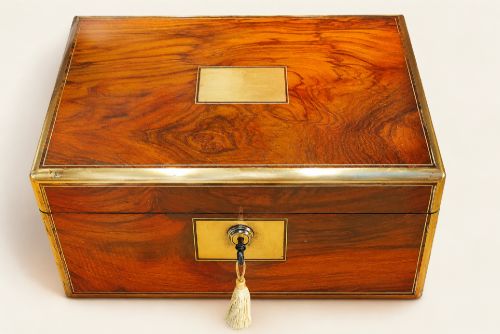
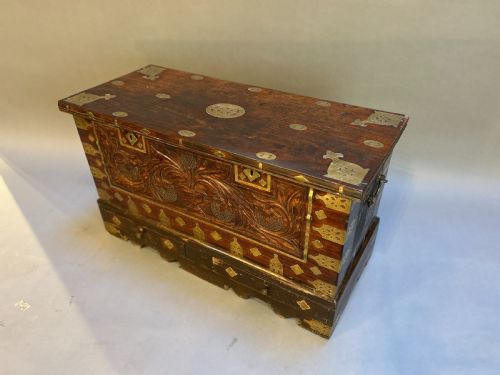
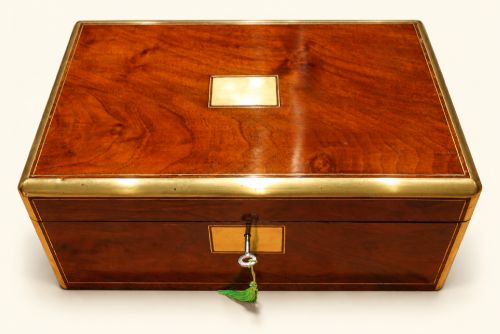
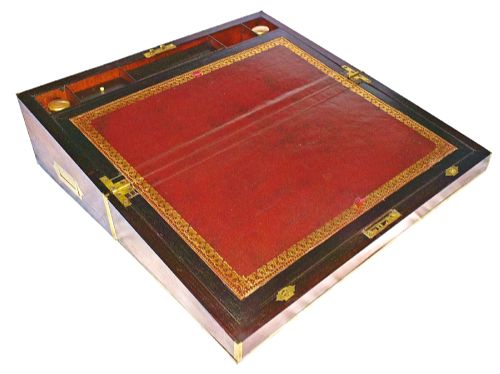
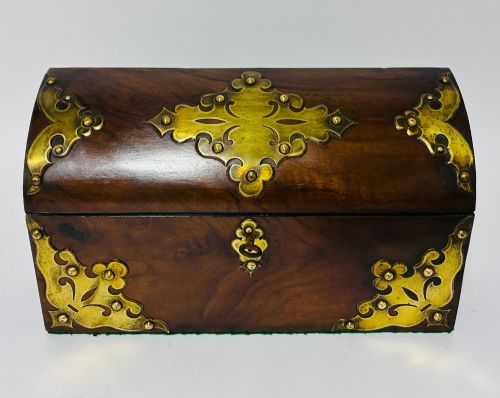
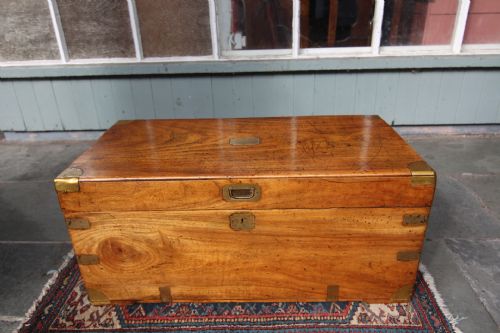
The version you are most likely to meet on this page is the walnut or mahogany writing slope, alongside substantial camphor wood and teak trunks associated with campaign use. Many examples incorporate fitted interiors with secret drawers, compartments, or leather surfaces designed for correspondence and safekeeping.
Design styles frequently intersect with Victorian campaign or Anglo-Indian traditions, utilising dense tropical timbers meant to withstand climatic shifts. Smaller desk boxes appear alongside heavy chests, providing distinct scales for desktop organisation or floor storage.
Materials and construction
Cabinetmakers constructed these pieces using dense hardwoods such as mahogany, burr walnut, rosewood, and camphor wood, which provided structural stability and rich grain patterns. These timbers were selected for their resilience against warping, particularly in tropical environments encountered by military personnel.
Reinforcement relied on heavy brass strapping, corner pieces, and flush-fitting campaign handles secured with numerous small screws. This metalwork protected vulnerable edges from impact during transit while adding formal contrast to the dark polished wood surfaces.
Victorian Brass Bound Box Retail Price Guide 2026
Typical asking prices for victorian brass bound box among the pieces listed under this phrase on Sellingantiques today, from the lower quarter to the upper quarter. They describe what is for sale here now, not the wider market.
Judging execution and finish
Superior examples distinguish themselves through the precision of the brass inlay, where metal strips sit completely flush with the timber surface rather than protruding above it. The quality of the underlying wood selection, such as highly figured burr walnut or dense, unblemished camphor, further elevates the piece.
Internal complexity sets finer items apart, evident in well-engineered folding writing surfaces, smooth secret drawer mechanisms, and intact leather or velvet linings. The presence of original working locks and fitted compartments indicates superior initial manufacture.
H Mitchell
The Victorian Brass Bound Box Glossary
- Campaign chest
- A modular storage trunk built in sections with recessed brass handles for military transport. These chests split apart to facilitate movement on expeditions.
- Writing slope
- A desktop box that opens downward to form an angled writing surface. Inside compartments store inkwells, pens, and paper.
- Camphor wood
- A fragrant Asian timber commonly utilised for campaign trunks. Its natural aroma deterred insects from damaging stored uniforms and documents.
- Secret drawer
- A concealed compartment hidden behind removable panels or activated by a hidden spring release. These spaces served to protect currency and confidential letters.
- Escutcheon
- A decorative brass plate surrounding a keyhole. It reinforces the surrounding wood against the pressure of the key.
Victorian Brass Bound Box: Frequently Asked Questions
What were brass bound boxes used for?
These containers served multiple functions ranging from military transport to domestic organisation. Officers and merchants utilised sturdy chests for clothing and equipment during long journeys.
Smaller desk boxes and writing slopes provided secure desktop storage for stationery, documents, and valuables in a home or office setting.
How do I care for a wooden box?
Keep wooden surfaces away from direct sunlight and extreme humidity changes to prevent the timber from splitting or warping. Occasional gentle dusting preserves the polished finish.
Avoid applying modern silicone polishes which can build up on the antique wood and obscure the natural grain.
How can I tell the period?
Dating relies on examining construction methods, timber choices, and hardware styles. Mid-nineteenth-century items often feature heavy brass corner straps and dense mahogany or camphor woods.
Later Victorian pieces frequently incorporate burr walnut veneers and more complex internal stationery arrangements with fitted glass or leather elements.
Are keys usually included?
Many boxes retain their original working keys, though some survive without them due to centuries of displacement. Locks are typically brass lever mechanisms embedded into the wood.
A working key adds functional value for those wishing to secure the internal compartments of a writing slope or deed box.