
Victorian Botanical Art
Victorian botanical art captures plant life and floral arrangements through watercolours, oils and prints.
Victorian Botanical Art
Victorian botanical art centres on depictions of flowers, plants and natural specimens produced during the nineteenth century.
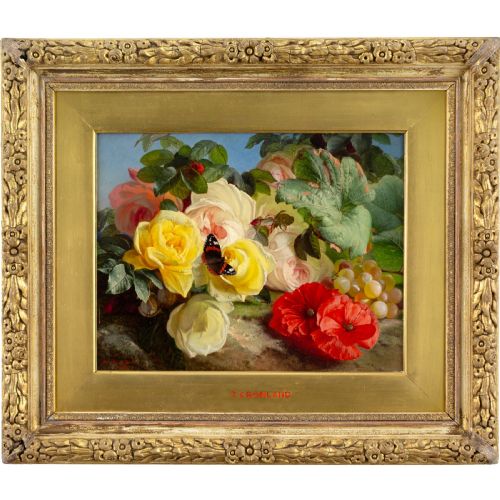
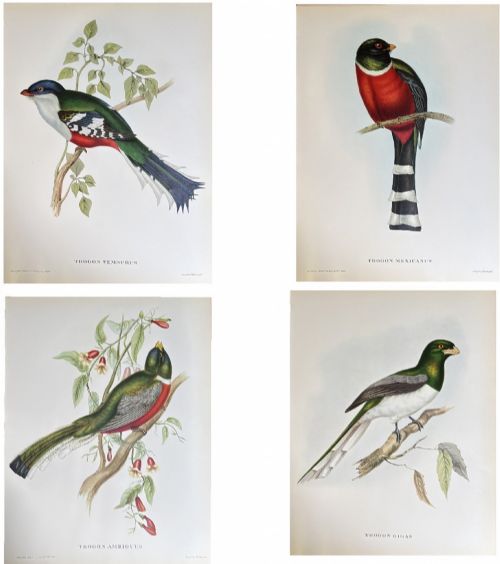
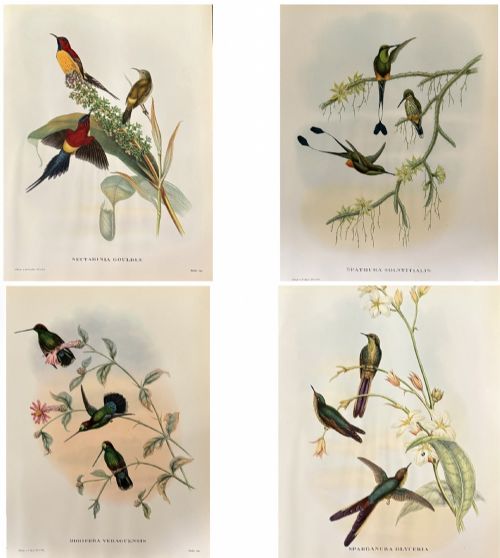
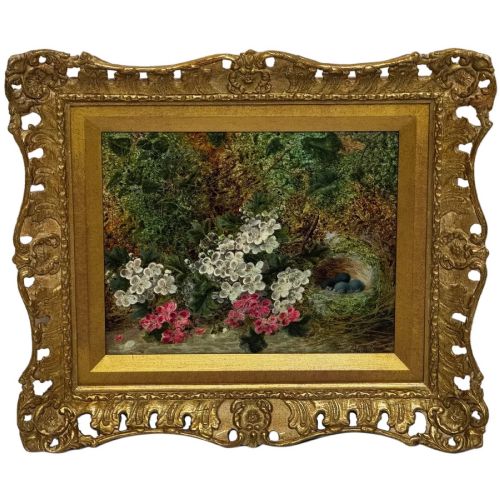
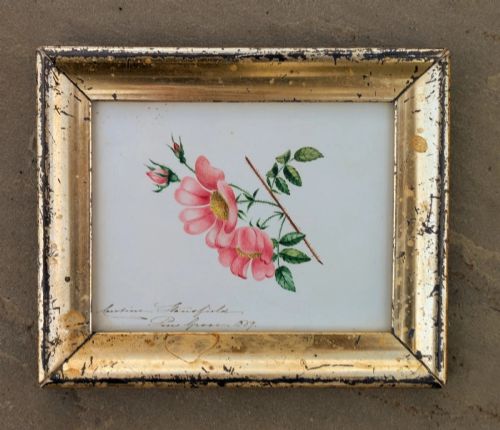
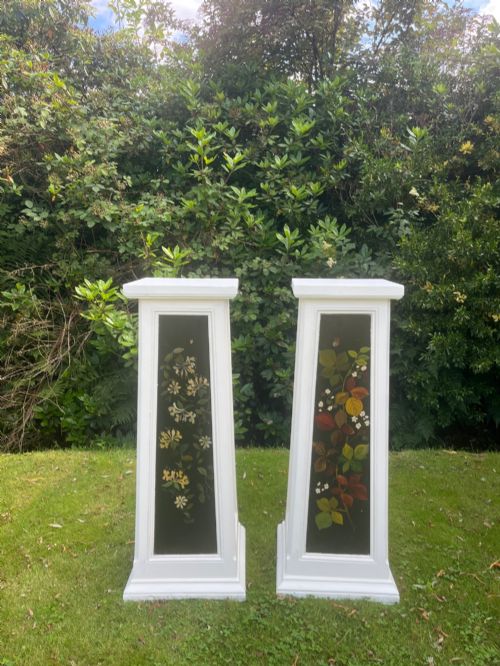
Pieces frequently appear as watercolours, oil paintings on canvas, and hand-coloured engravings or prints housed within period wooden and gilt frames.
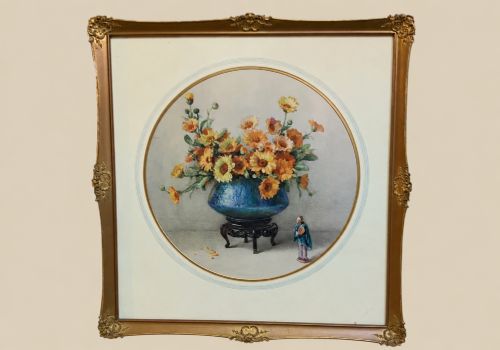
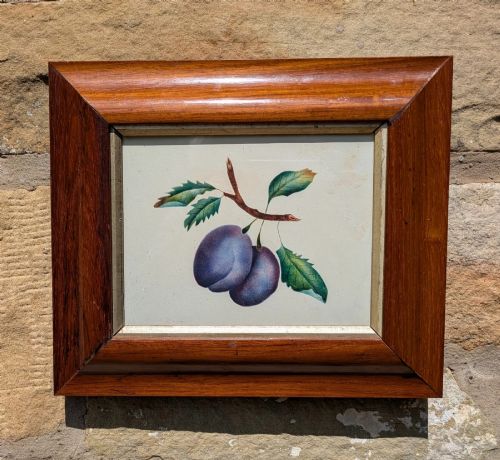
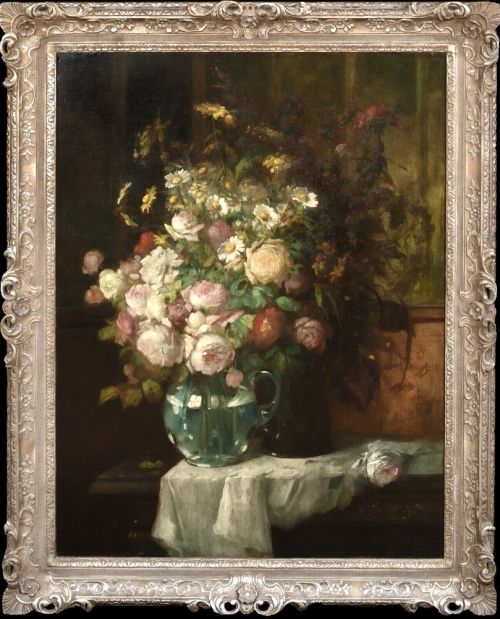
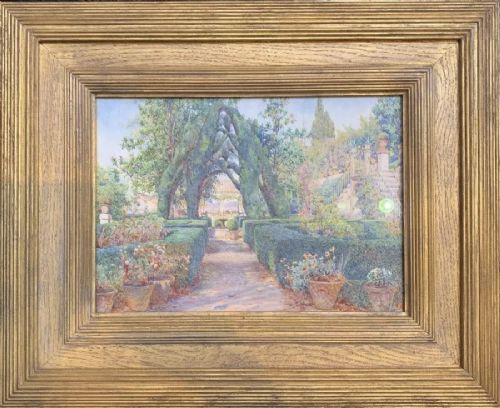
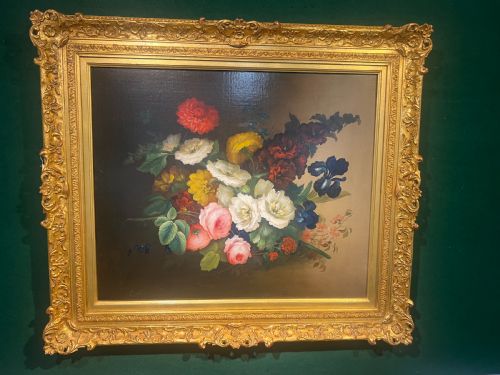
The selection ranges from detailed individual studies of roses and plums to broader garden landscapes and floral still life compositions.
Materials and Techniques
Works rely on traditional pigments applied to paper or oil paint on canvas, often complemented by paper prints and lithography.
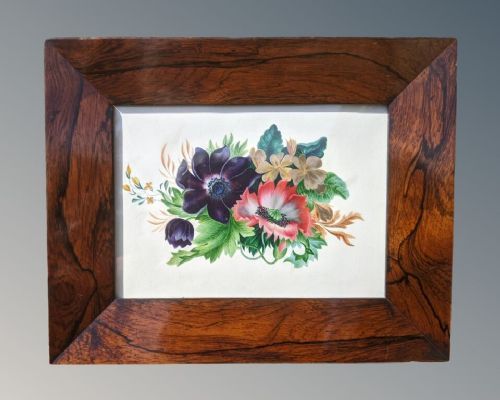
Framing materials incorporate wood, rosewood, and gilded wood, sometimes paired with glass to protect fragile watercolours.
Needlework and embroidered panels represent textile interpretations of botanical forms produced during the period.
Listings feature 19th century watercolours, oil paintings on canvas, and prints framed in wood, rosewood and gilded wood.
Distinctions in Quality
Distinctions in quality rest upon the precision of the brushwork and the lifelike rendering of botanical details such as petals and foliage.
The sophistication of the composition and the integrity of the original frame contribute significantly to the standing of a piece.
Theude Grönland·Oliver Clare·Konstantin Stoitzner·Edward Ladell·Edwin Steele·John Sherrin·Oliver Goldsmith·Alice Anne Renshaw·Gertrude Hayes·Harry Wanless·Henrietta Creswell·William Duffield·Lester Sutcliffe·Vincent Clare·William Andrews Nesfield
The Victorian Botanical Art Glossary
- Watercolour
- A painting method where fine pigment is suspended in water-based solution, frequently utilised for delicate floral studies on paper.
- Lithograph
- A print produced from a flat stone or metal plate, allowing for the mechanical reproduction of botanical illustrations.
- Gilded wood
- Wood treated with a thin layer of gold leaf, commonly seen on ornate period frames enclosing paintings.
- Still life
- An artwork depicting inanimate subject matter, typically featuring arranged cut flowers, fruit or natural specimens.
Victorian Botanical Art: Frequently Asked Questions
What is victorian botanical art?
Victorian botanical art comprises paintings, watercolours and prints depicting flowers, plants and natural history subjects created during the nineteenth century.
These pieces reflect the era's intense scientific and aesthetic interest in the natural world, ranging from scientific illustrations to decorative floral arrangements.
How were these artworks displayed?
Artworks were typically mounted behind glass and housed in wooden frames, including rosewood and gilded designs suited to nineteenth-century interiors.
Smaller watercolours and prints were often grouped together on walls or kept in portfolios for study and casual viewing.
What subjects appear in these works?
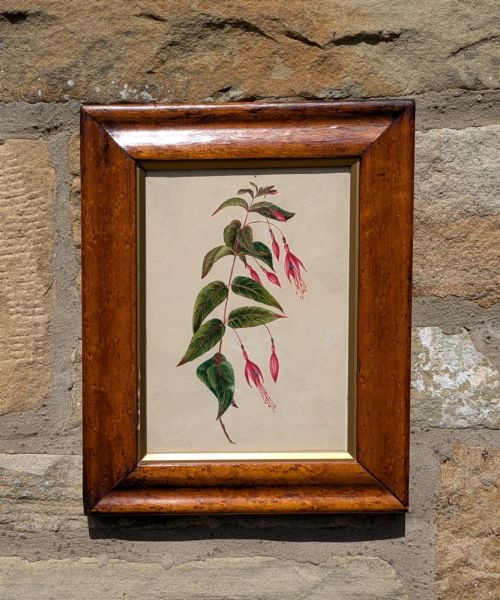
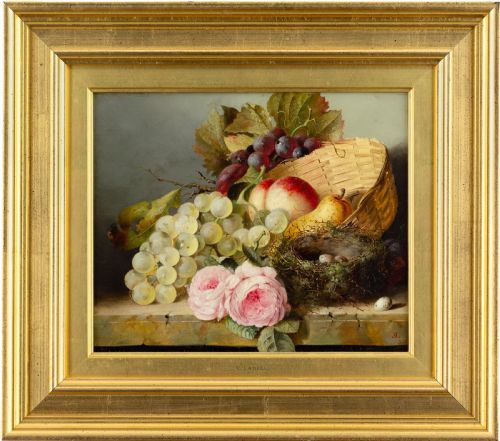
Common subjects include detailed studies of individual flowers such as roses, poppies, marigolds and fuchsias, alongside arrangements of fruit and bird nests.
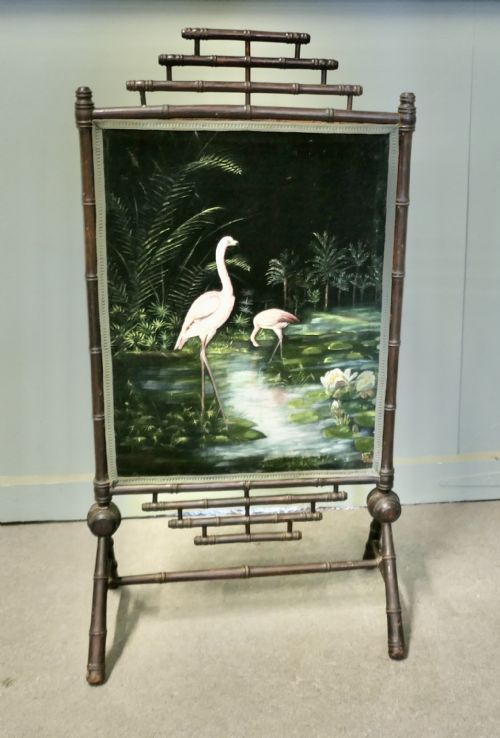
Artists also recorded tropical birds, sea shells and wider garden landscapes featuring specific flowering plants.
How do watercolours differ from oils here?
Watercolours utilise translucent washes on paper to capture the delicate translucency of petals and leaves, requiring protective glass framing.
Oil paintings employ heavier pigments on canvas or panel, offering richer textures and deeper tones for fruit and floral still life compositions.