
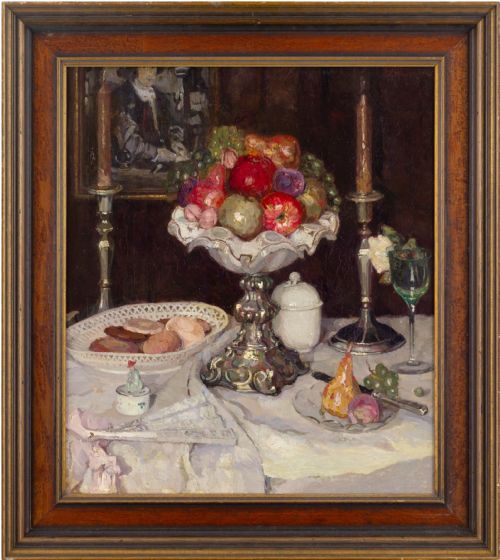
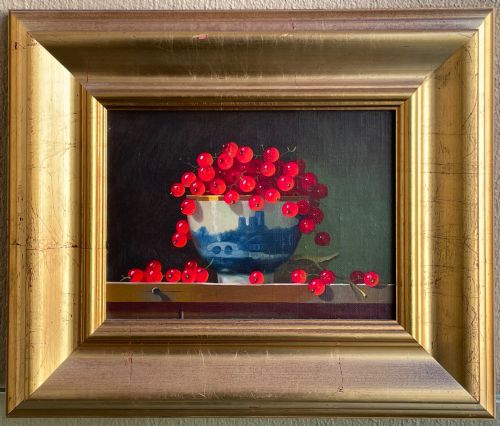
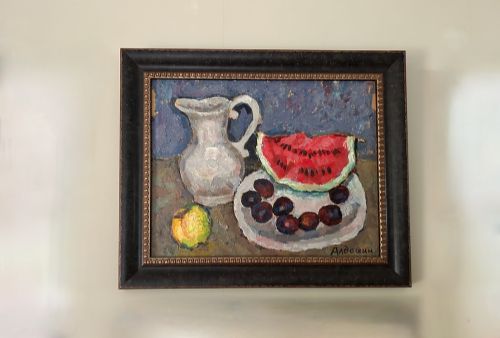
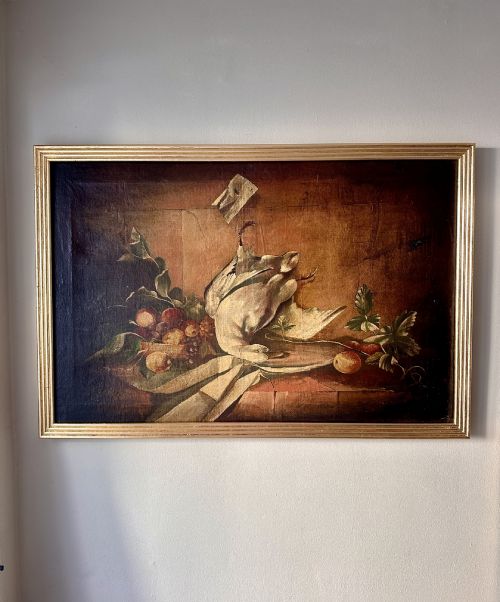
Framed Fruit Oil Painting
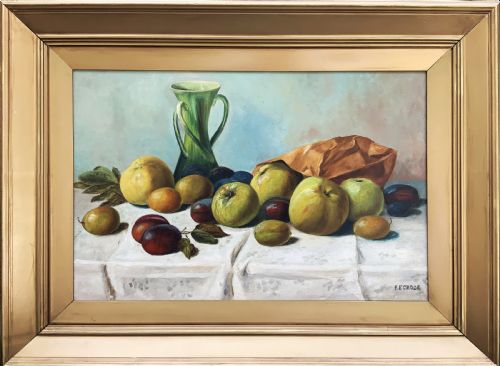
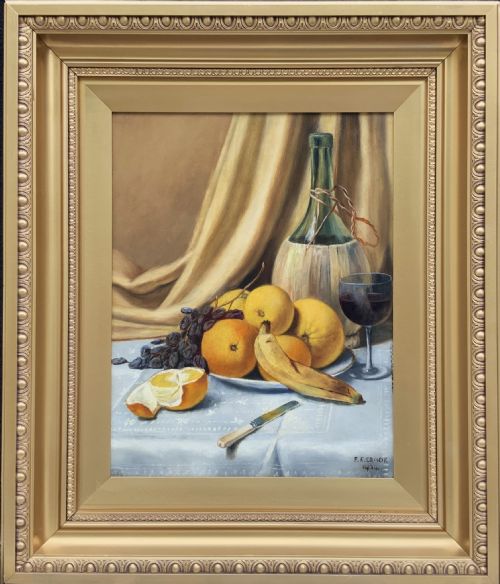
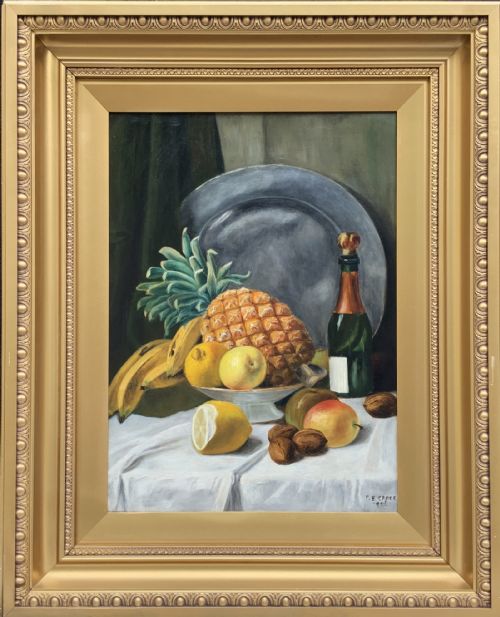
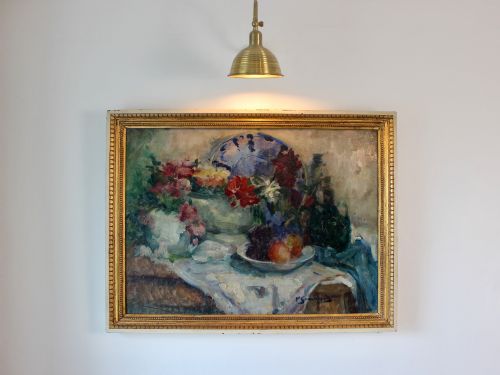
A framed fruit oil painting brings the richness of centuries of still life tradition directly onto a domestic wall.
Framed Fruit Oil Painting
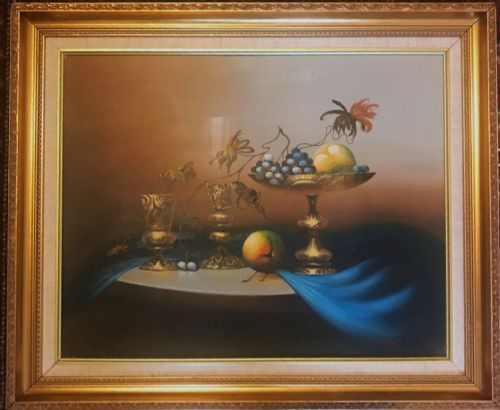
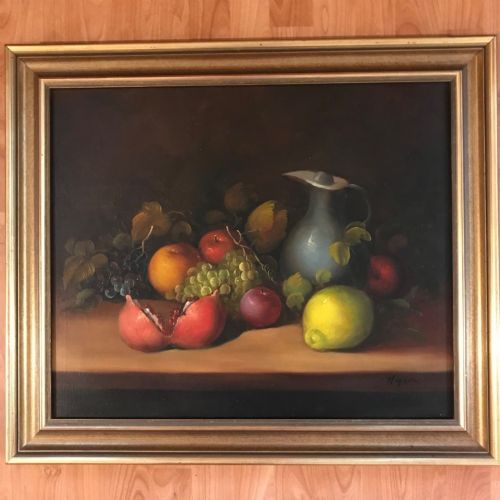
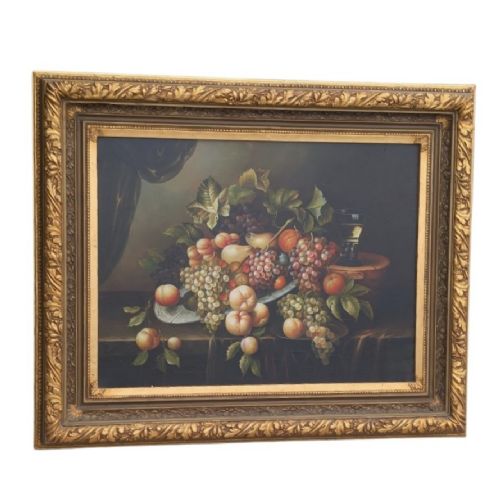
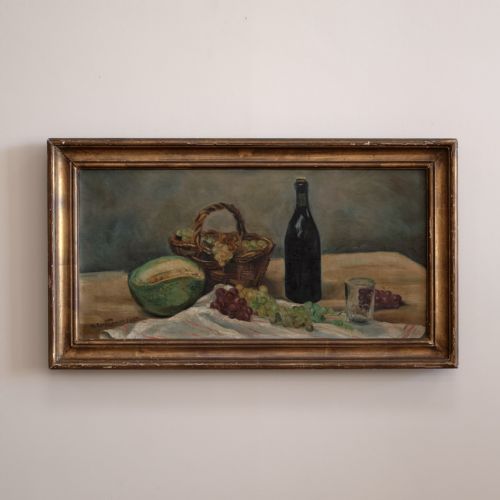
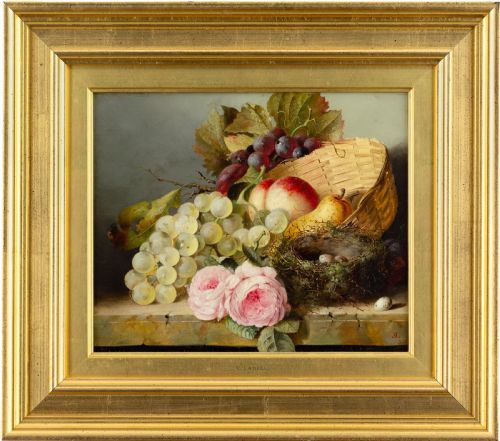
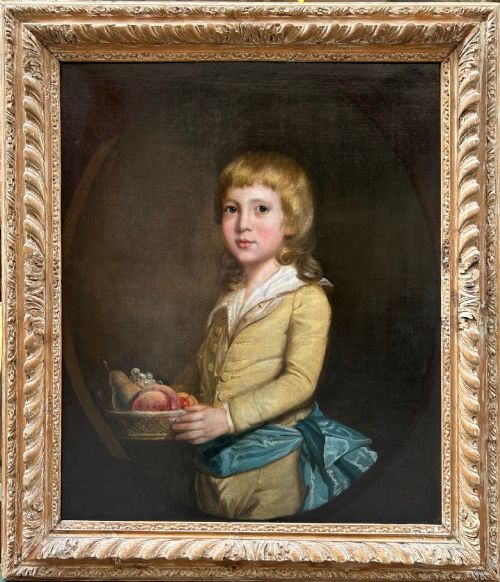
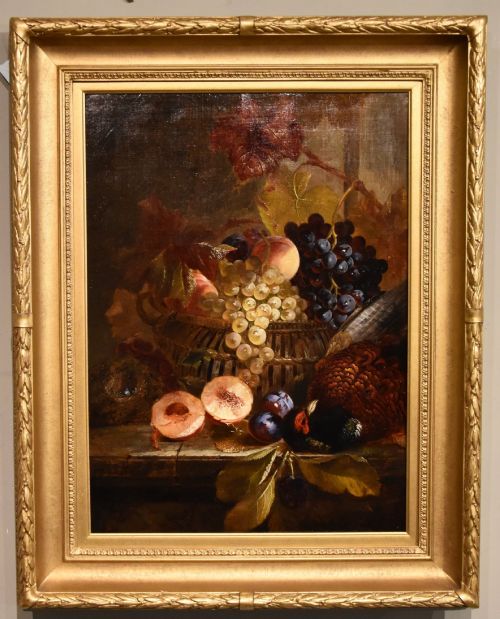
A framed fruit oil painting captures traditional subject matter rendered across multiple eras, ranging from 18th century compositions to mid-century works. These pieces typically depict arrangements of apples, grapes, and baskets within classic still life formats.
The most common examples on this page date from the 19th century and the early 20th century, often executed on canvas or wood panels and housed in period giltwood frames. Collectors encounter both intimate studies and larger decorative canvases reflecting Victorian, Edwardian, and post-impressionist sensibilities.
How they were made
Artists painted primarily with oil paint on stretched canvas or solid wood panels, building up layers of pigment to achieve depth and texture. The physical support determined the handling of the brush, with canvas allowing for larger sweeps and panels offering a rigid ground for detailed studies.
Surviving works are completed by their surrounds, utilising gilt wood, solid wood period frames, and gold leaf applications that complement the dark palettes and rich tones of the oil compositions.
Framed Fruit Oil Painting Retail Price Guide 2026
Typical asking prices for framed fruit oil painting among the pieces listed under this phrase on Sellingantiques today, from the lower quarter to the upper quarter. They describe what is for sale here now, not the wider market.
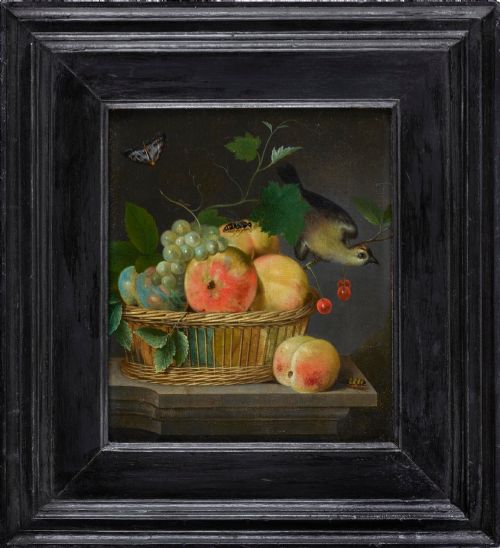
Several baskets of fruit manage to share canvas space with surprisingly observant birds.
What varies in quality
Quality rests in the precision of the brushwork and the structural integrity of the composition, where masterly handling of light upon fruit and foliage distinguishes accomplished hands from routine studio output. The relationship between the painting and its original frame also influences the overall coherence of the piece.
Depth of tonal gradation and the preservation of the pigment layer separate exceptional works from standard decorative examples, reflecting the original training and academic background of the painter.
Jozsef Molnar·Edward Ladell·Thomas Beach·Gaspar Peeter Verbruggen·William Henry Ward·Else Preußner·Ian Parker·Vladimir Aldoshin·Victor Simonin·Henri Joseph Pauwels·Edward Duffield·Vincent Clare·Bela Balogh·Thomas Hooper·Maud Frances Eyston Sumner·William Joseph Carroll
The Framed Fruit Oil Painting Glossary
- Still life
- A painting depicting inanimate subject matter, typically commonplace objects such as fruit, game, or vessels. This genre allows artists to focus heavily on light, shadow, and arrangement.
- Giltwood
- Wood that has been covered with a thin layer of gold leaf or gesso and gold paint. It provides a reflective, ornate border common in 19th-century framing.
- Oil on canvas
- A technique involving the application of slow-drying oil paints onto a woven fabric stretched across a wooden frame. This combination became the standard medium for fine art paintings from the Renaissance onward.
- Wood panel
- A rigid flat wooden surface used as a support for painting before stretched canvas gained dominance. Panels often survive in stable condition when seasoned correctly.
- Continental school
- A broad term used to describe artists trained in mainland Europe rather than Britain. It helps classify works sharing regional stylistic traits.
Framed Fruit Oil Painting: Frequently Asked Questions
What periods do these paintings come from?
The selection spans several centuries, starting from 17th and 18th-century Baroque examples through to 19th-century Victorian works. Mid-century pieces from the 1940s and 1960s are also represented.
Most items originate from the 19th and early 20th centuries, reflecting traditional academic and impressionist training methods.
How were these paintings originally displayed?
These works were created to hang in domestic dining rooms, parlours, and drawing rooms as sophisticated decorative art. Their rich subject matter of food and harvest suited spaces dedicated to hosting.
They were almost universally housed in substantial gilt or wood frames designed to isolate the canvas and project the image outward into the room.
Are the frames original to the paintings?
Many listings retain their period frames, such as solid wood or giltwood constructions dating from the same era as the canvas. Original framing enhances the historical context of the artwork.
Some pieces have been reframed over time to suit later decorative tastes while still maintaining period appropriate materials.
How do I care for an oil on canvas?
Oil paintings require stable indoor environments away from direct sunlight and excessive humidity shifts. Gentle dusting with a soft, dry brush keeps the surface clear of particulate buildup.
Avoid using liquid cleaners or abrasive cloths on either the painted surface or the gilt frame to preserve the original material integrity.