



Dark Background Still Life
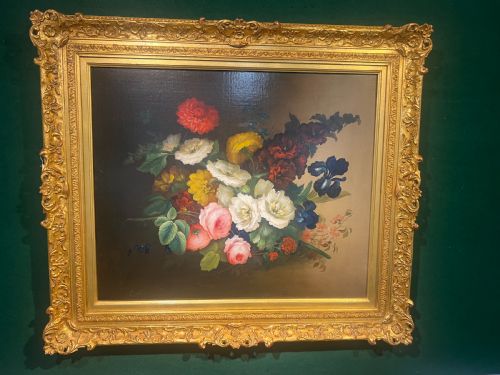
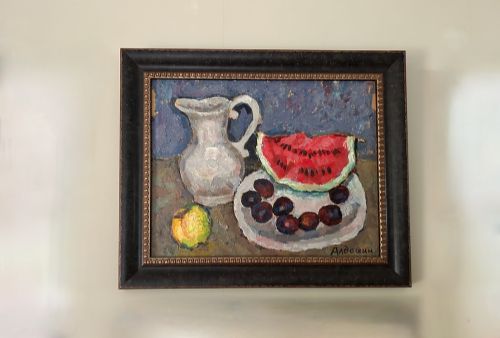
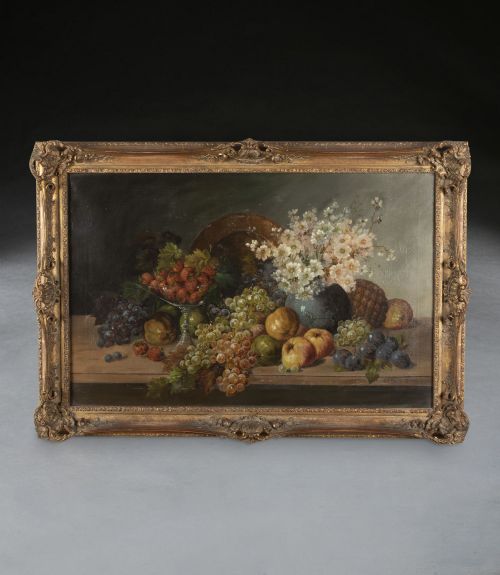
These dark background still life paintings offer rich tonal depth and careful arrangement, drawing the eye straight to the play of light on fruit and blooms.
What They Are
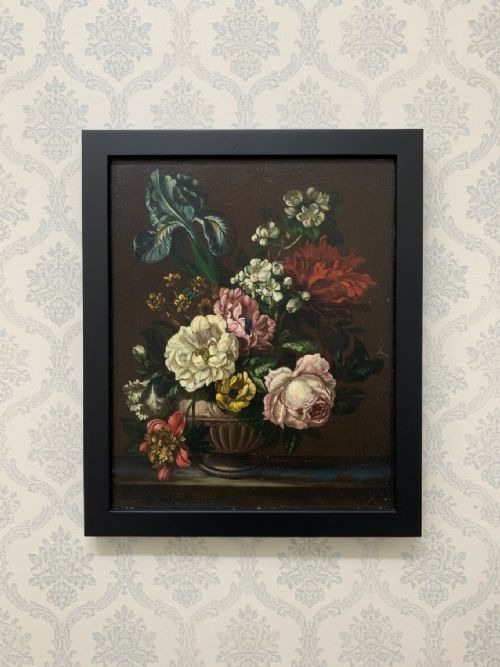
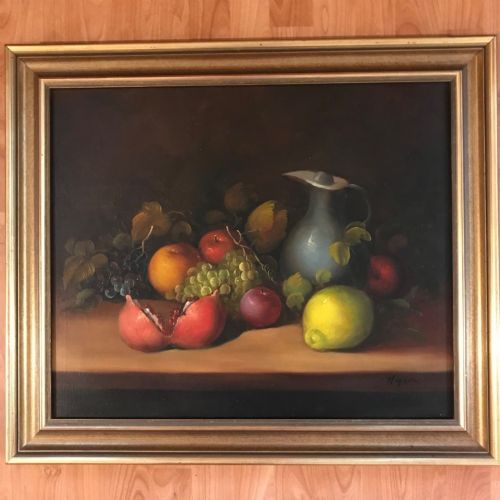
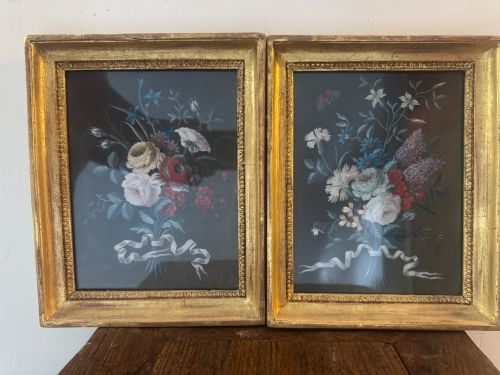
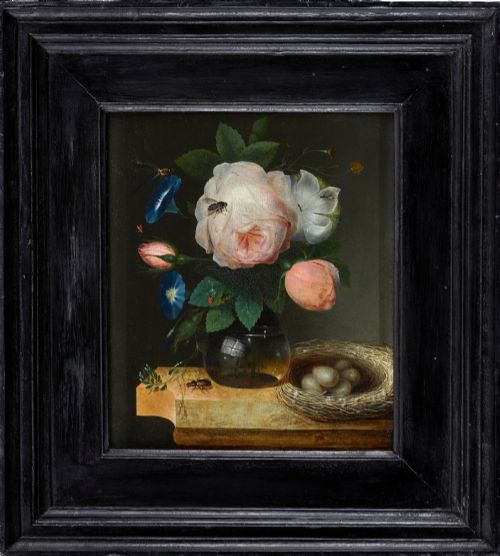
A dark background still life brings together domestic subjects and deep shadows to create a moody, contemplative atmosphere on canvas. These works capture arrangements of fruit and flowers set against restrained, shadowy backdrops.
The selections span from the mid-nineteenth century into the early twentieth century. Examples include Victorian and Edwardian traditional pieces executed in oil.
Most entries follow traditional classical approaches from the nineteenth and early twentieth centuries. Viewers encounter subjects such as bowls of flowers and detailed fruit studies.
How They Were Made
Artists painted these works using oil paint applied to canvas, canvas board, and wood supports. The medium allows for slow blending and deep saturation, which helps build those characteristic heavy shadows.
Frames often utilise timber, maple veneer, and gilt composition to complement the dark canvases. These traditional mounting materials provide structural support while enhancing the visual weight of the painting.
Retail Price Guide 2026
Typical UK retail prices for dark background still life, calculated from the Sellingantiques database of over a million retail prices indexed since 2003. This retail price guide relies exclusively on Sellingantiques data; no external sources or auction records are used, so the figures do not describe the wider market.
Several canvases hide quiet bowls of fruit behind layers of historic dark varnish.
What Varies in Quality
Quality rests in the handling of light against the deep shadows, where superior brushwork defines the contours of fruit and petals with subtle tonal shifts rather than harsh outlines. The depth of the dark background determines how well the central subject emerges from the canvas.
The construction and finish of the supporting frames also signal quality, particularly where gilt composition and maple veneer display careful joinery and period-appropriate patination.
The Dark Background Still Life Glossary
- Canvas board
- A rigid board coated with gesso and covered in primed canvas fabric. It offers a stable, flat surface for oil painting.
- Gilt composition
- A moulded decorative material made from whiting and linseed oil, finished with metallic leaf or paint. It adorns picture frames to mimic carved and gilded wood.
- Maple veneer
- A thin slice of maple timber applied over a secondary wood base. This technique provides decorative grain patterns on period picture frames.
- Oil paint
- A slow-drying paint made by mixing pigments with drying oils such as linseed. It permits rich blending and deep tonal graduation.
Frequently Asked Questions
How do I hang a dark background still life?
Position the painting on a wall with direct, controlled lighting to illuminate the subject without casting glare on the varnish. Pairing it with darker wall colours enhances the moody atmosphere.
Ensure the wall fixings match the weight of the timber and gilt frame. Secure the hanging wire firmly to the frame structure.
Where were these paintings made?
The pieces originate from English traditions spanning the Victorian and Edwardian eras. Artists worked within established classical and traditional styles.
Workshop origins typically trace to domestic studios producing oil paintings on canvas or board. The materials reflect standard framing practices of the nineteenth and early twentieth centuries.
How do I clean an oil painting?
Dust the canvas and frame very gently with a soft, dry brush. Avoid using water or chemical cleaners on the paint surface.
Professional conservators should handle any removal of old varnish or deeper grime. Household cleaning products will damage the oil paint.
What subjects appear in these works?
Common subjects include detailed studies of fruit and arrangements of flowers in bowls. The composition centres on these domestic objects emerging from shadow.
Backgrounds remain dark and subdued to direct full attention toward the painted fruit and blooms. This focus defines the traditional still life genre.