
Victorian Blown Glass
Victorian blown glass brings handcrafted nineteenth-century texture, rich cranberry hues and distinctive optical effects to domestic tables and displays.
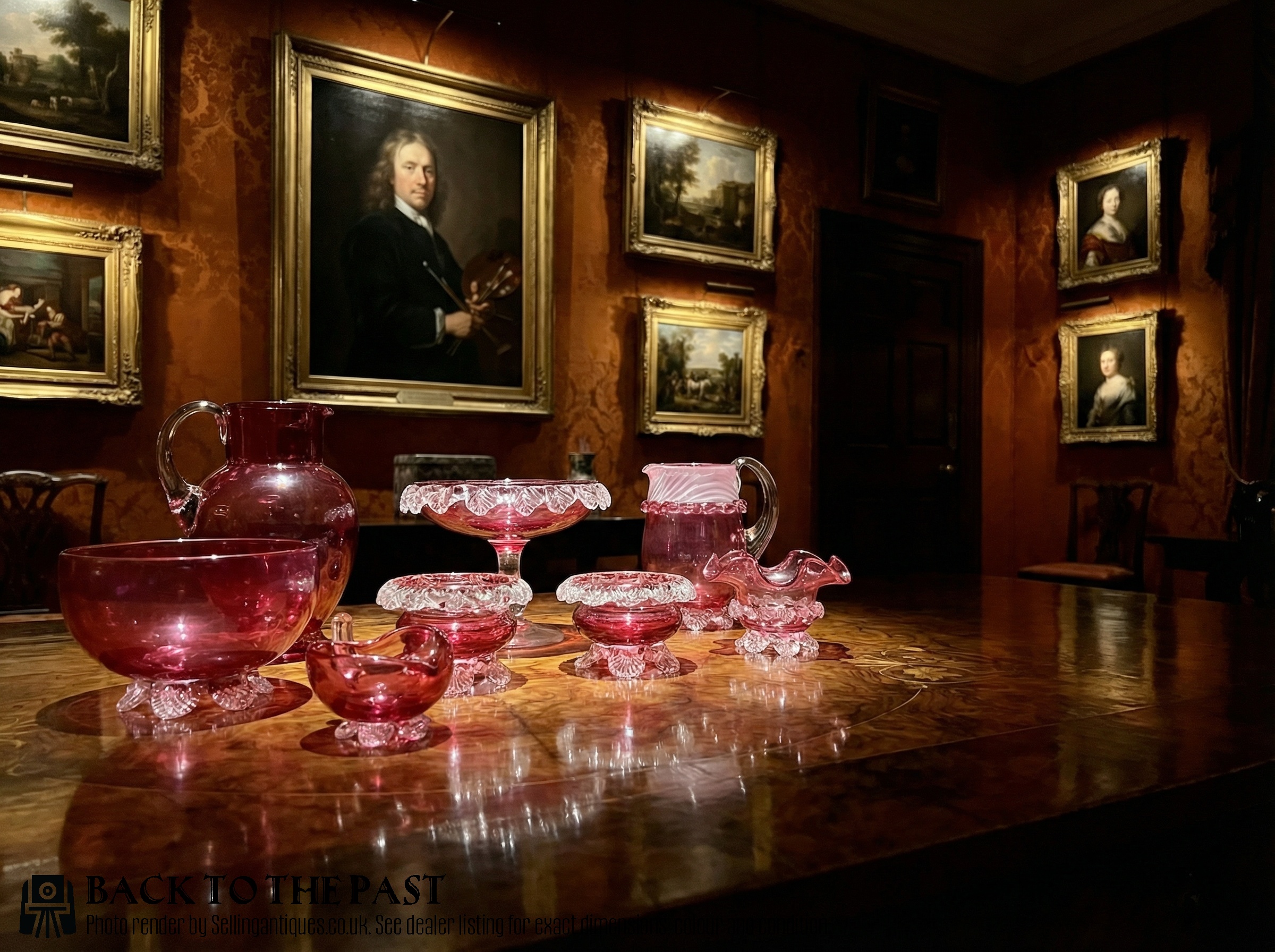
Victorian Blown Glass
When you search for victorian blown glass, you encounter nineteenth-century vessels and display pieces shaped by free-blowing and mold-blowing techniques. These items range from domestic drinkware and decanters to large apothecary carboys and decorative epergnes.
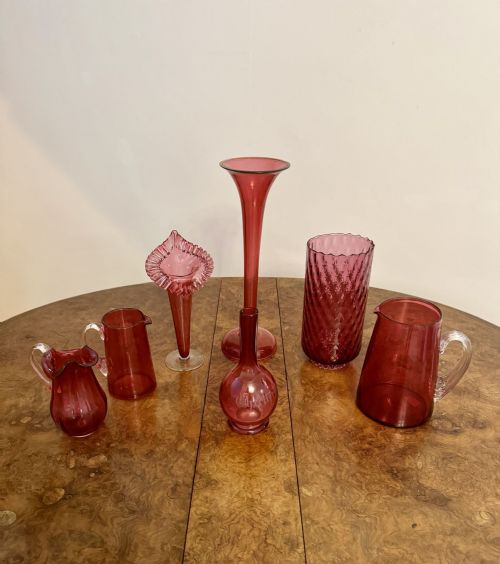
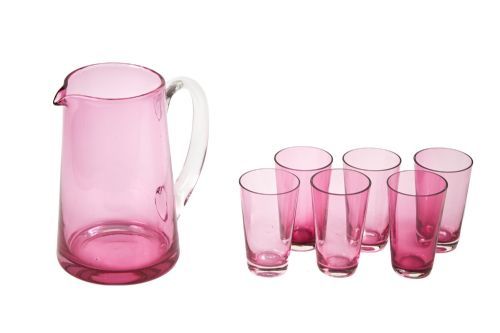
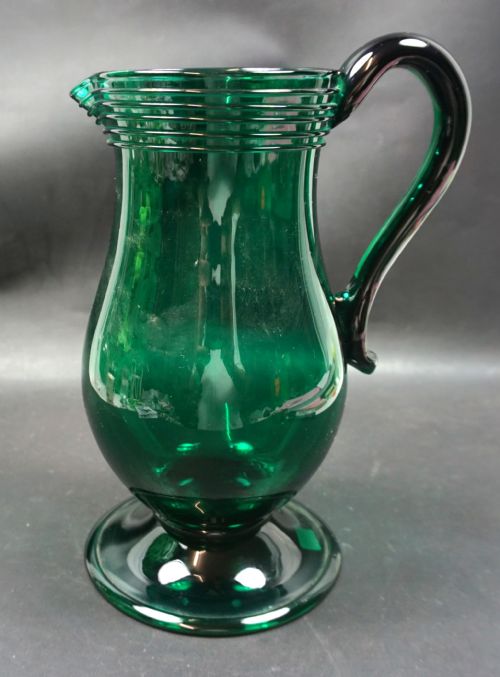
Cranberry glass and green glassware dominate the selection, often accompanied by clear glass, ruby tones and delicate nailsea patterns. Tableware sets, finger bowls and table domes represent common domestic forms from the period.
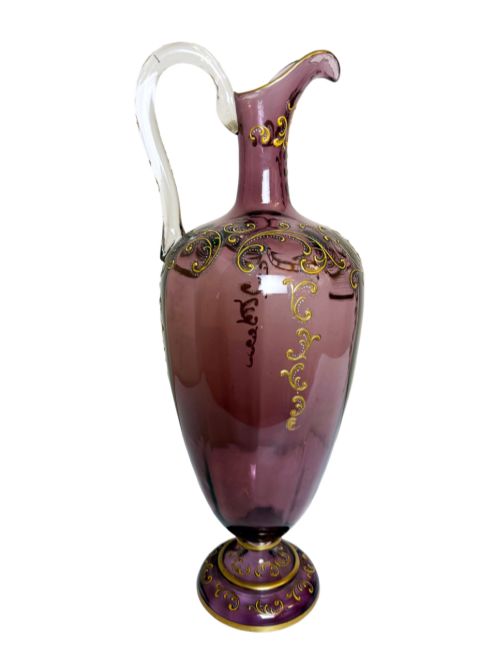
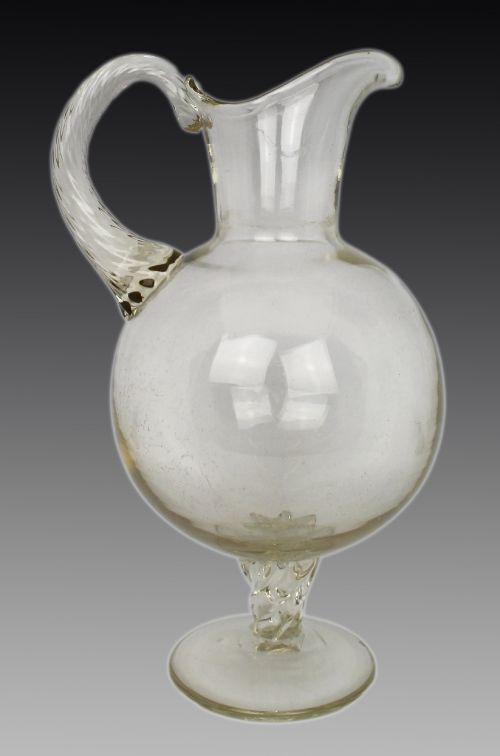
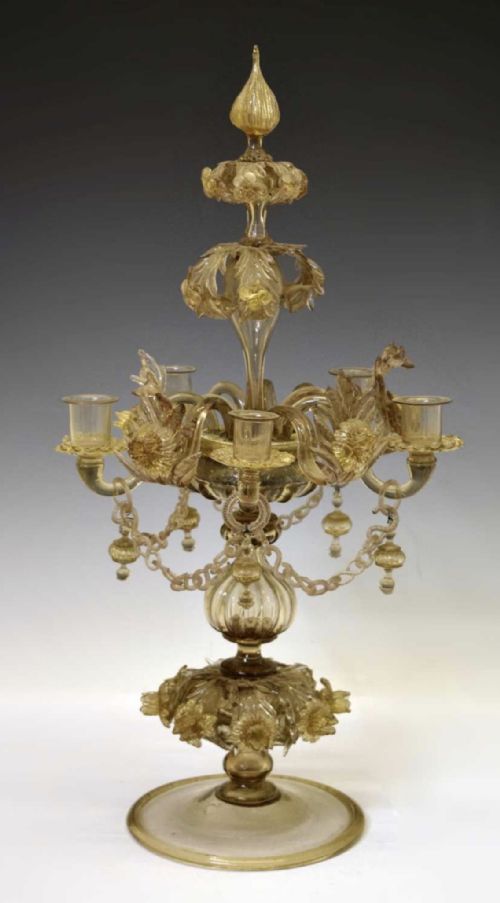
Objects originate from English workshops, Venetian glasshouses, Bohemia and French makers, spanning the nineteenth century into the early twentieth century. Pieces combine utilitarian function with ornamental craftsmanship, including ewers, vases and wine carafes.
How they were made
Glassmakers shaped molten metal using hand-blowing irons, gathering material from the furnace to form vessels freehand or inside moulds. Optical blowing imparted internal patterns, while applied trails, folded feet and ground bases finished the rims and bottoms.
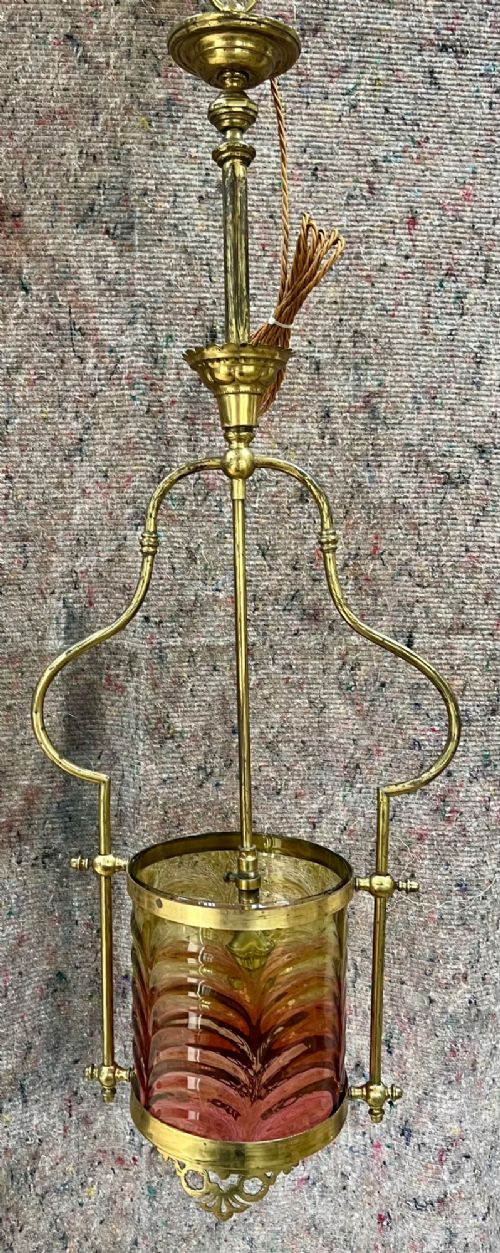
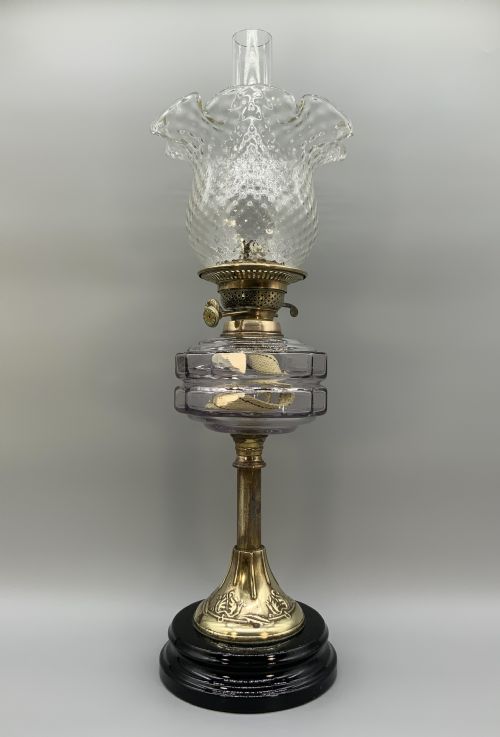
Surface decoration involved hand-painted enamel, gilt applique, and embedded glass canes as seen in nailsea pieces. Metal mounts in brass and silver plate were added to carafes, lamps and jugs.
Specialised inclusions such as aventurine and murrine distinguished Venetian work, while chemical additives produced distinct cranberry, uranium and ruby glass colourations.
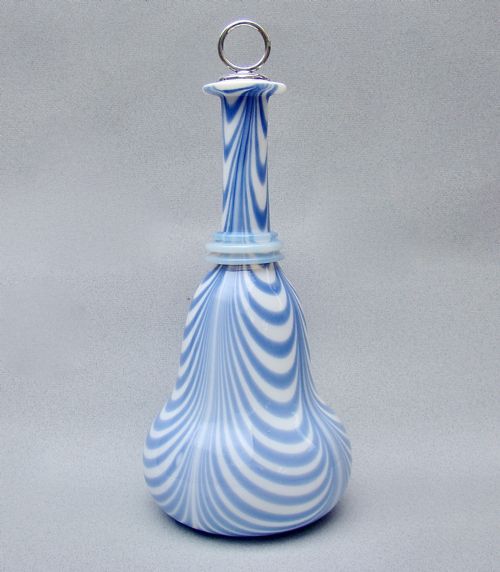
Victorian households once displayed blown glass rolling pins filled with salt or well wishes, hanging them by their loops for good fortune.
What varies in quality
The refinement of the vessel wall and the consistency of the glass metal separate standard domestic items from superior studio productions. Lighter, well-balanced handles and precise optical moulding indicate higher workshop capability.
The complexity of surface embellishment dictates distinction, distinguishing simple tinted vessels from those featuring elaborate hand-painted enamel scenes, gold leaf applications, or intricate multi-branch formations.
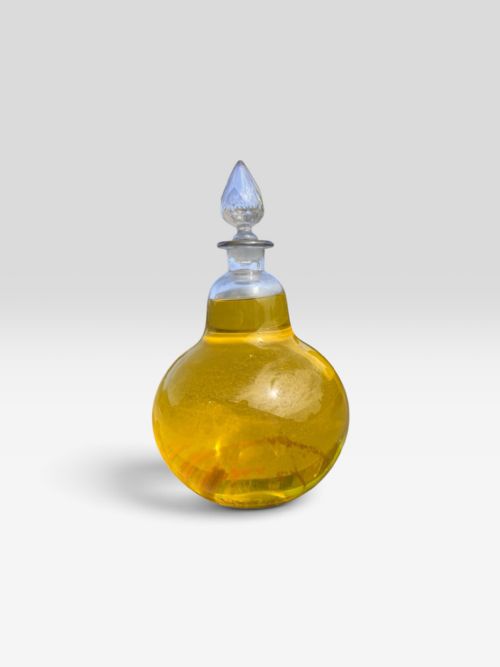
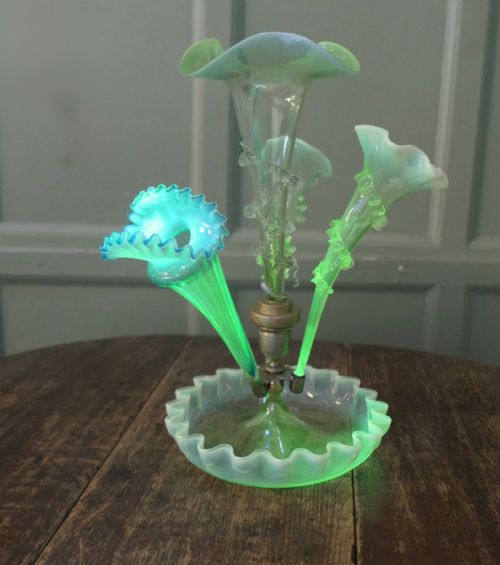
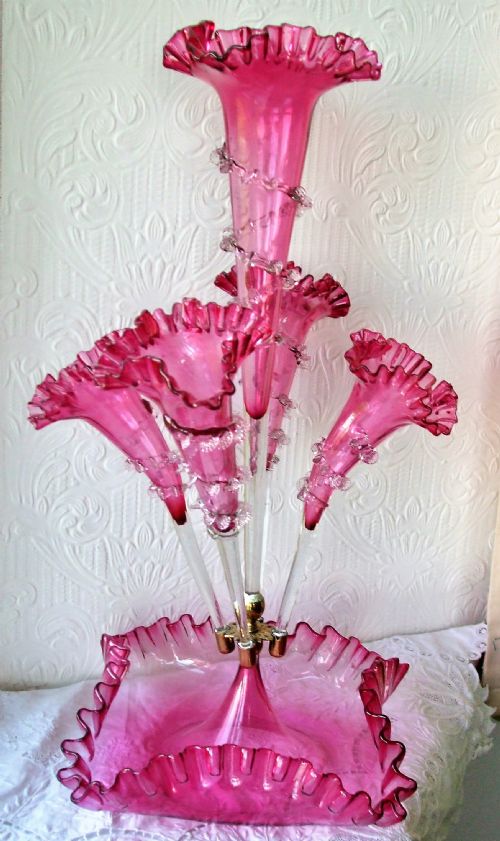
The retention of original matching components, such as stoppers on decanters or all matching trumpets on epergnes, defines the integrity of surviving sets.
Salviati·Stevens and Williams·James Powell·Franchini and Bigaglia
The Victorian Blown Glass Glossary
- Cranberry glass
- A transparent pinkish-red glass coloured by the addition of gold chloride to the molten batch. It gained immense popularity during the nineteenth century for tableware and decorative items.
- Nailsea glass
- A style of glasswork characterised by looped, combed, or striped milky-white canes embedded in a coloured glass body. The technique originated at the Nailsea glassworks near Bristol.
- Carboy
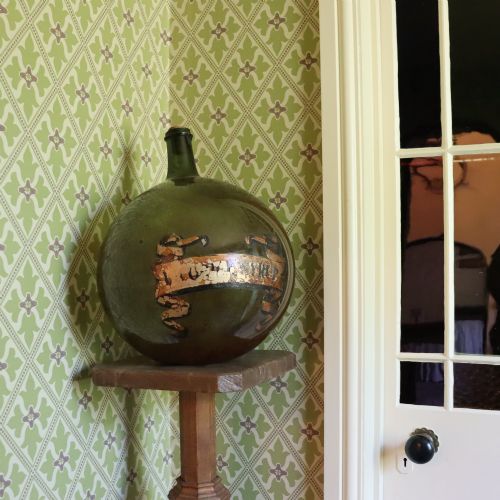
- A large, globular glass bottle used originally for chemical storage in pharmacies and apothecaries. These heavy vessels were often housed in protective frames or displayed on counters.
- Pontil mark
- The rough scar left on the base of a blown glass vessel where the pontil rod was attached during manufacture. Ground and polished pontils generally indicate finer finishing.
Victorian Blown Glass: Frequently Asked Questions
What is cranberry glass?
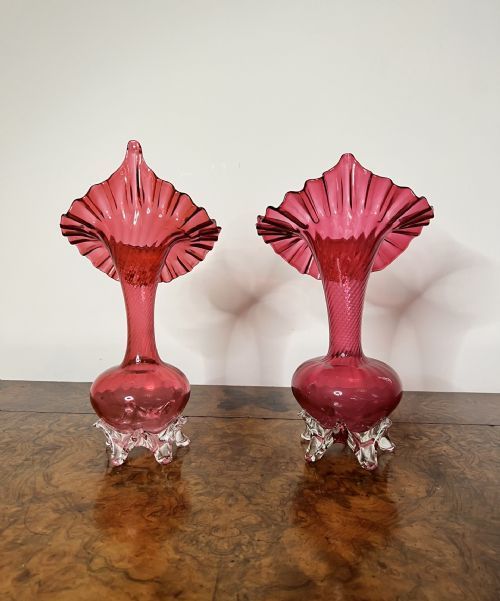
Cranberry glass is a transparent, ruby-pink material created by melting gold chloride into the glass batch. It became a defining aesthetic of nineteenth-century decorative interiors.
Craftsmen shaped this glass into wine glasses, jugs, and epergnes, often combining the rich tone with clear glass borders or ruffled rims.
How do I identify Nailsea glass?
Nailsea glass is recognised by its distinctive white loopings, stripes, or combed patterns embedded directly into the coloured glass body. These patterns were achieved by applying glass canes during the blowing process.
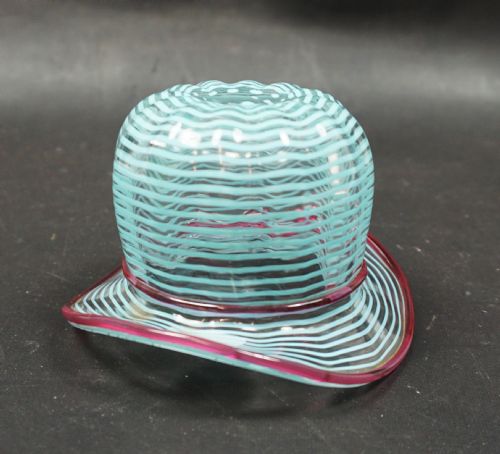
Items range from flasks and rolling pins to pipes and decorative hats, showcasing casual yet striking patterns created in English glasshouses.
Were glass display domes used?
Glass domes served to protect delicate objects like wax fruit, clocks, and taxidermy from dust in Victorian homes. They rested on ebonised wooden bases with ground lower rims for stability.
These blown covers required considerable skill to produce in large dimensions without significant optical distortion or surface imperfections.