




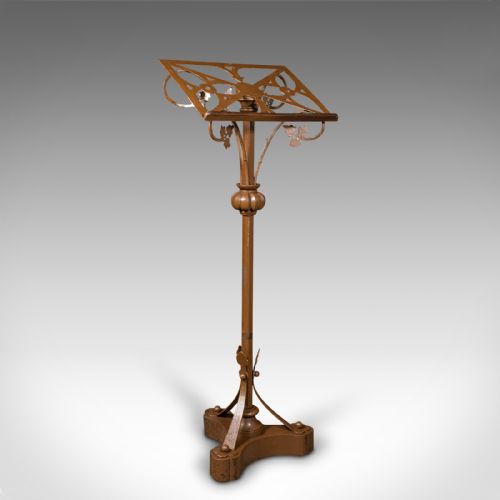
Victorian Bible Stand
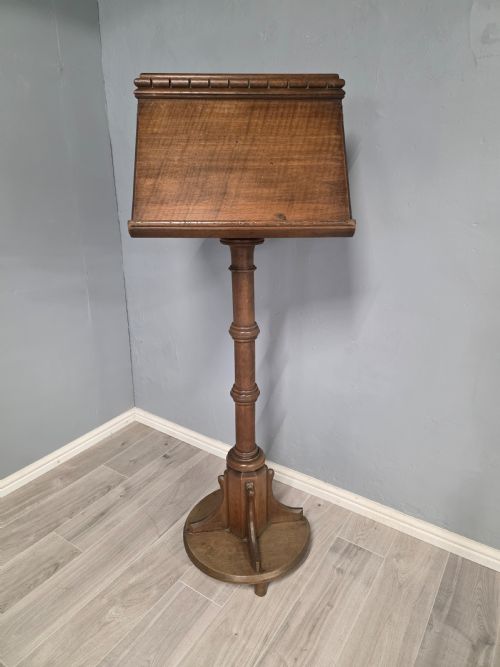
These oak and brass lecterns, reading stands, and pedestals are functional pieces designed to hold large volumes for reading.
Victorian Bible Stand
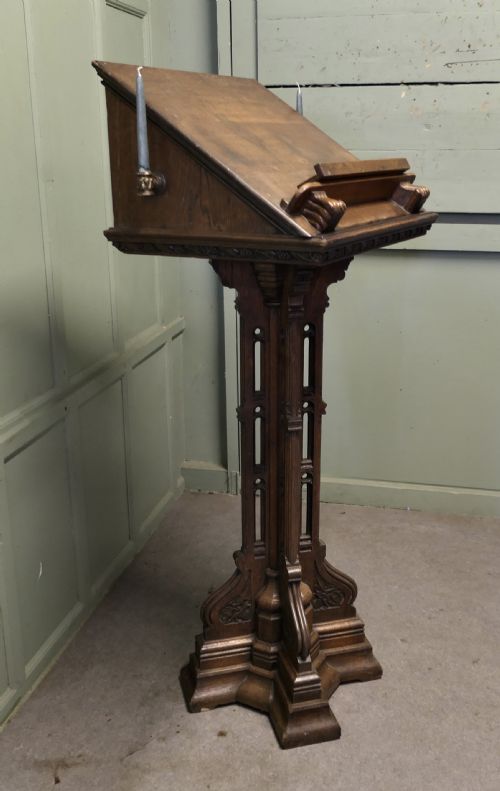
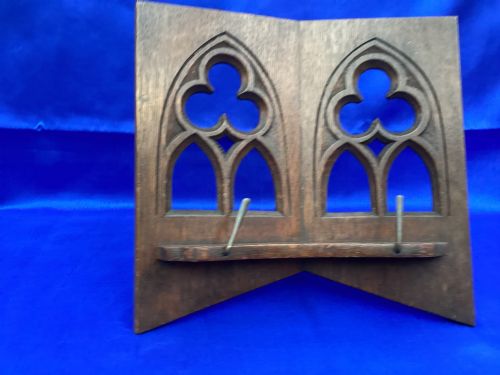
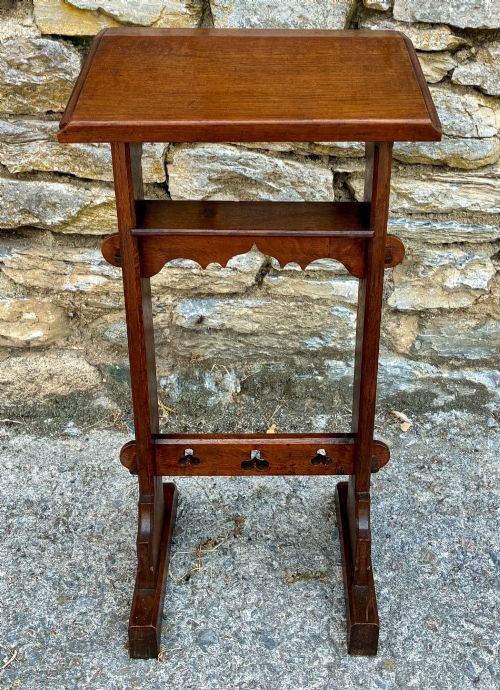
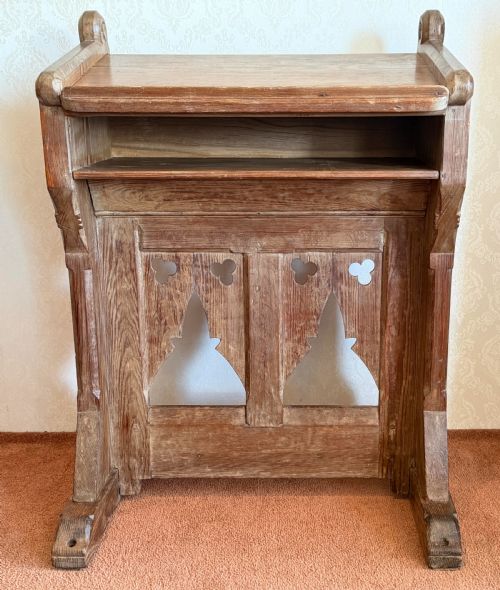
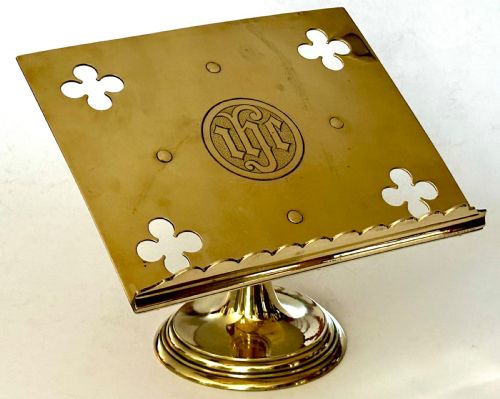
A victorian bible stand encompasses practical church lecterns, folding book rests, and reading podiums originating from the nineteenth century and the Edwardian period. The versions met most often on this page are carved oak church lecterns and brass reading stands, alongside occasional mahogany and pine examples.
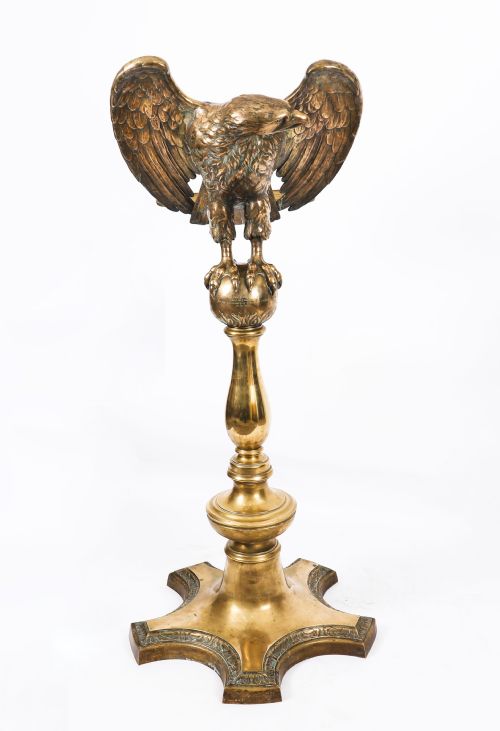
The objects serve as elevated platforms for heavy texts, taking forms such as table pedestals, floor-standing eagle lecterns, and adjustable reading desks. Ecclesiastical pieces dominate the selection, reflecting their original purpose in churches and chapels.
Origins stretch from British workshops to continental makers, incorporating styles from Gothic Revival to Art Nouveau. Buyers find both monumental church furniture and smaller portable book stands designed for domestic study.
What varies in quality
The standard of carving and the selection of timber dictate the position of a piece within the range. Finely detailed relief work on oak surfaces or sculptural casting in brass separates superior examples from plainer utility items.
Structural integrity and the retention of original mechanical adjustments, such as folding actions or pivoting desk tops, determine the execution of the design. Complete, unaltered assemblies hold greater fidelity to their original period manufacture.
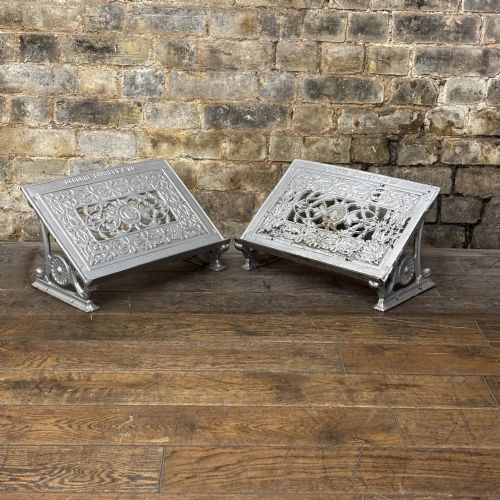
Listings feature woods including oak, mahogany, walnut, teak, and pine, alongside brass and cast iron components.
Osborne Garrett & Co
The Victorian Bible Stand Glossary
- Lectern
- A tall desk with a slanted top designed to hold a book for reading aloud to a congregation. These tall stands often feature pivoting reading slopes.
- Gothic Revival
- An architectural and decorative style drawing inspiration from medieval forms, frequently seen in pointed arches and heavy tracery. This style defined much nineteenth-century ecclesiastical furniture.
- Ecclesiastical
- Relating to the Christian Church or its clergy, describing items made specifically for use in places of worship. Church lecterns and prayer stands fall into this category.
- Pedestal
- A base or support that elevates a reading stand or book rest above floor or table level. They provide stable foundations for heavy volumes.
Victorian Bible Stand: Frequently Asked Questions
What were victorian bible stands used for?
These stands provided an elevated, inclined surface to support heavy liturgical books, prayer texts, and bibles during services or personal study. Their angled design allowed readers to consult large volumes comfortably while standing or sitting.
In churches, large lecterns held service books for the clergy, while smaller portable variants served scholars and households for reading weighty volumes at a desk.
How do I tell a church lectern from a reading stand?
Church lecterns are typically taller, heavier floor-standing structures designed for public reading in ecclesiastical settings, often featuring architectural carving or brass eagle mounts. Reading stands are generally smaller, lighter pieces meant for tabletops or private studies.
Floor-standing church pieces often exhibit Gothic Revival details and substantial oak posts, whereas reading stands focus on portability and adjustable desk mechanisms.
How do I care for an antique oak stand?
Maintain antique oak and hardwood surfaces by keeping them away from direct heat sources and sudden humidity changes that can cause timber to split. Regular dusting with a dry, soft cloth preserves the finish without requiring heavy polishes.
Metal components like brass work benefit from gentle cleaning to remove dust while preserving the natural ageing and patina accumulated over the decades.
Where did these stands originate?
The pieces originate primarily from British workshops, churches, and ecclesiastical furnishers operating during the nineteenth and early twentieth centuries. Continental makers also produced specialised reading furniture and maitre d' stands.
Local cabinet makers and specialist metal foundries contributed to the diverse range of designs found across domestic and ecclesiastical interiors of the period.