

Upholstered French Bedroom Chairs
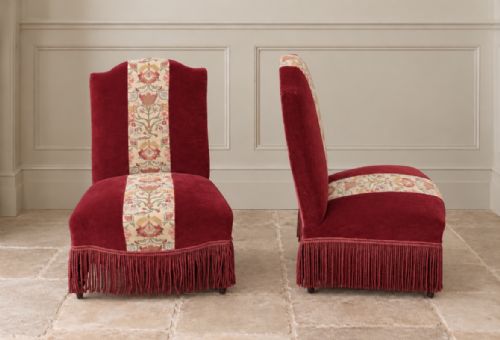
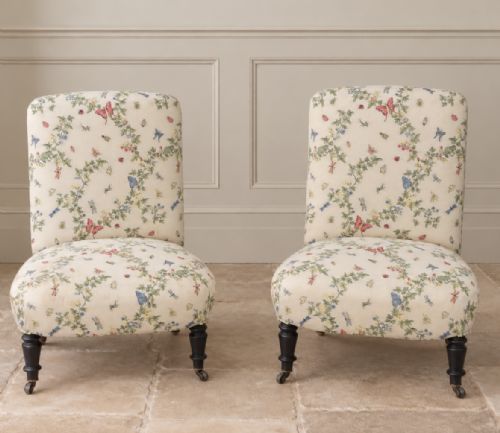
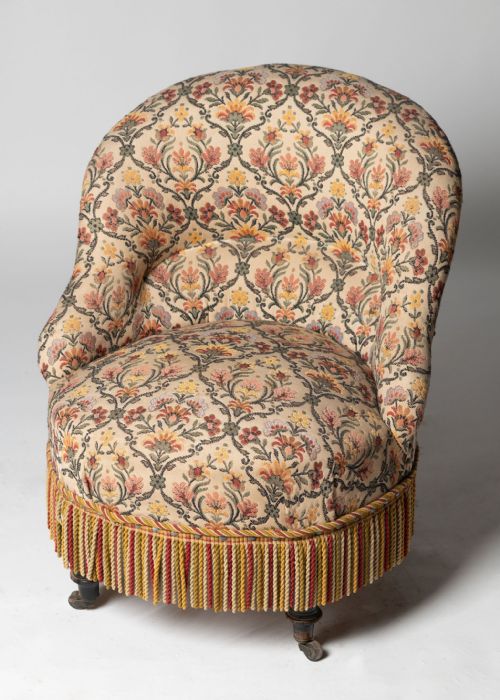
Upholstered French bedroom chairs bring graceful seating to private rooms, combining low profiles with decorative woodwork.
Upholstered French Bedroom Chairs
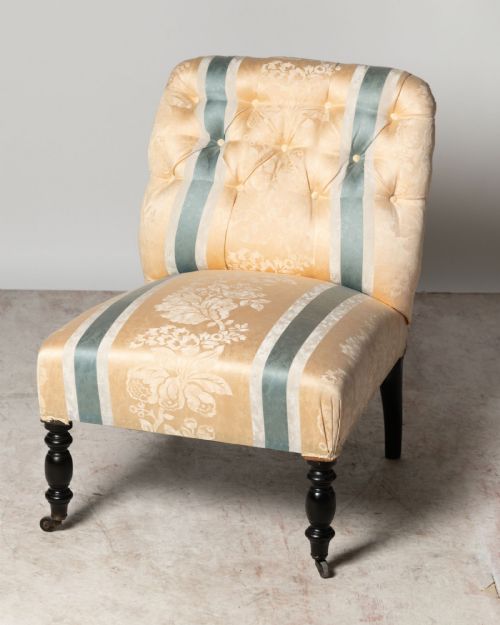
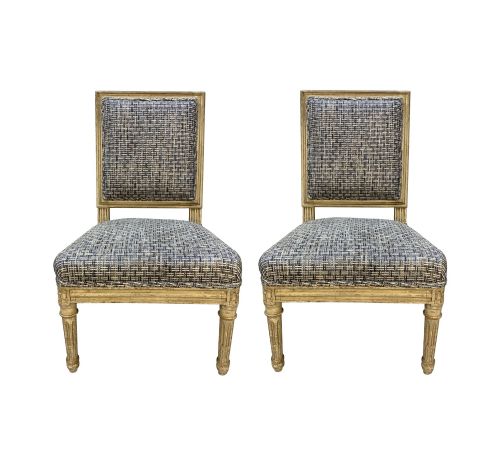
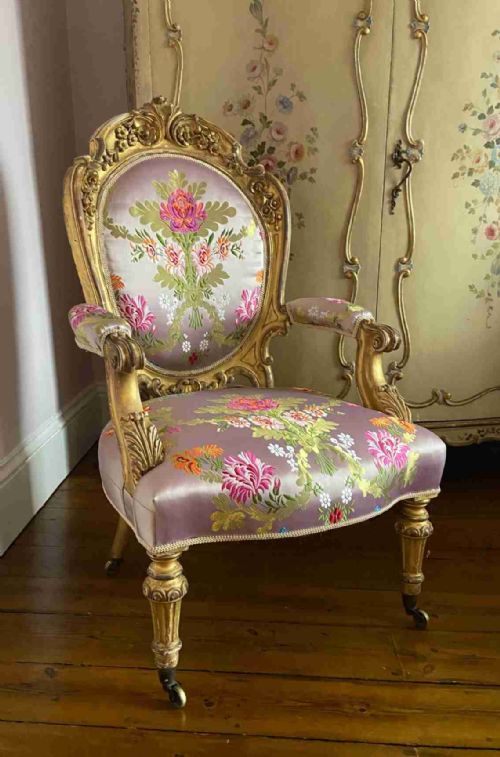
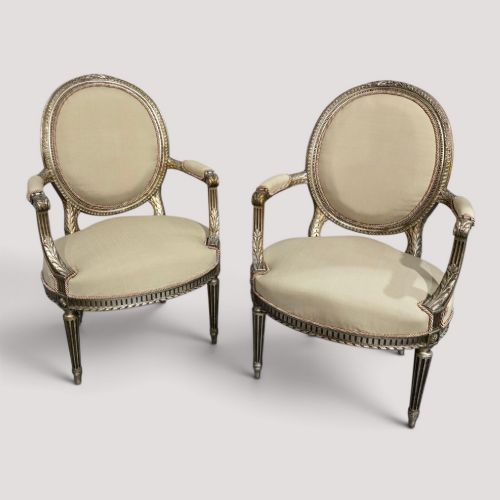
Upholstered French bedroom chairs encompass a variety of seating forms designed for private chambers and dressing rooms, featuring distinct stylistic roots. The selection relies heavily on nineteenth-century pieces, with Napoleon III examples appearing alongside earlier eighteenth-century designs.
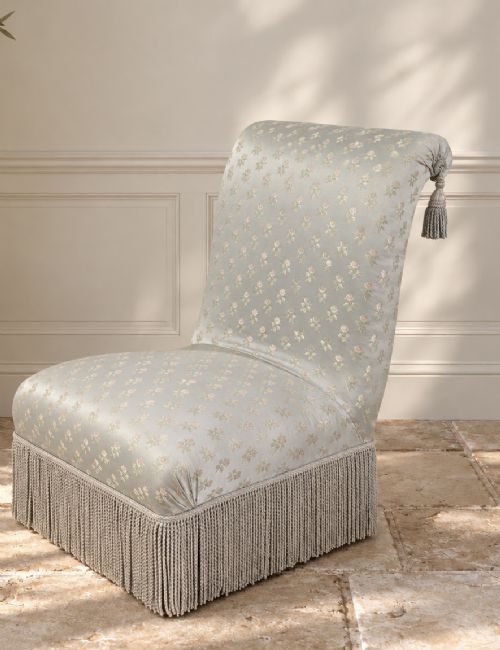
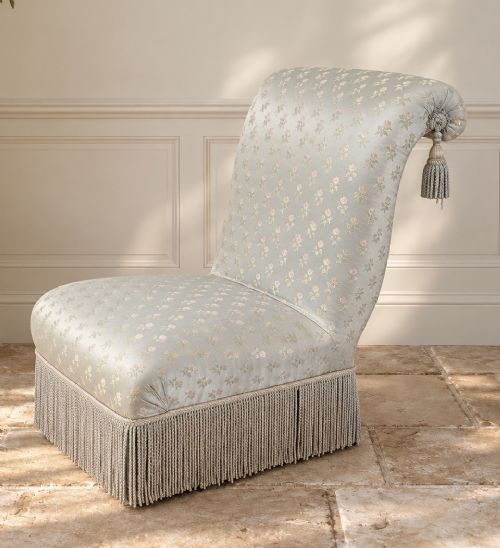
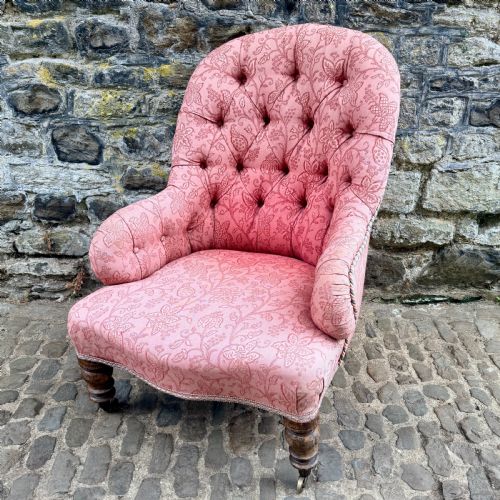
Buyers encounter numerous slipper chairs, armchairs, and tub chairs alongside specialised forms like chaise longues and salon chairs. These pieces originate from distinct periods ranging from the eighteenth century through the early twentieth century, showing diverse regional influences.
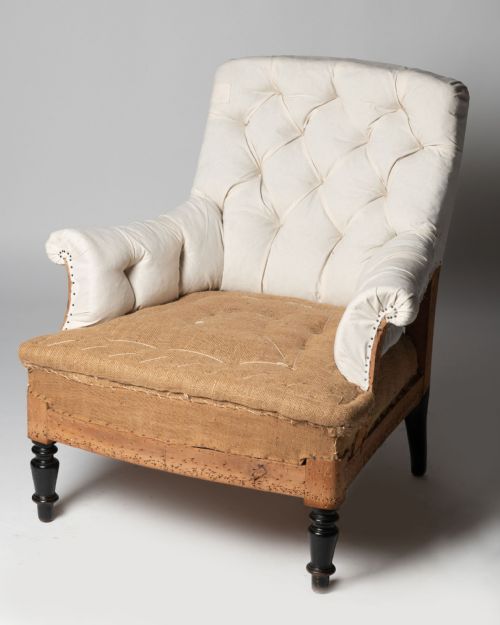
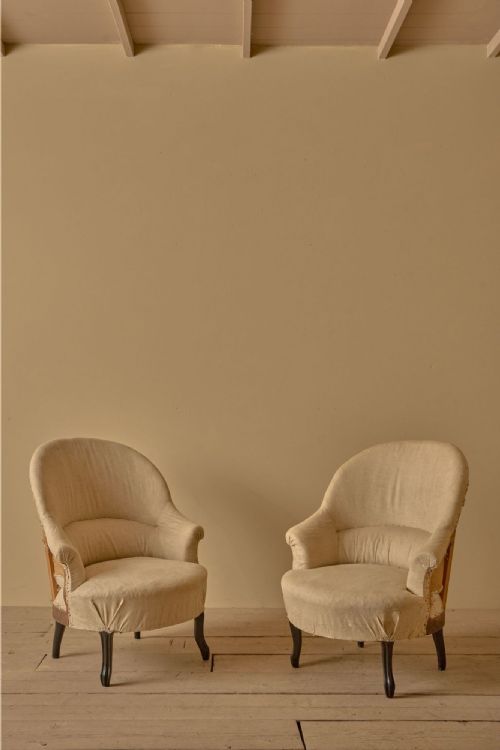
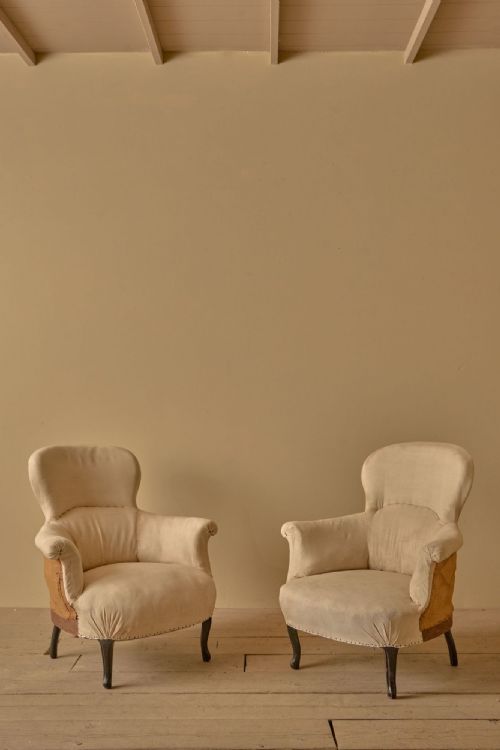
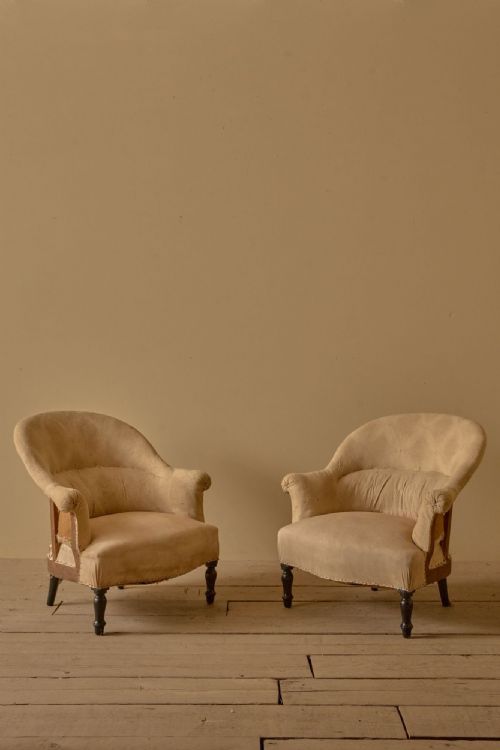
Lower seating profiles dominate this category, tailored for bedrooms and dressing spaces where formal high-backed seating proves unsuitable. Wood frames support varied fabric coverings, from calico intended for recovering to decorative historical textiles.
Materials and construction
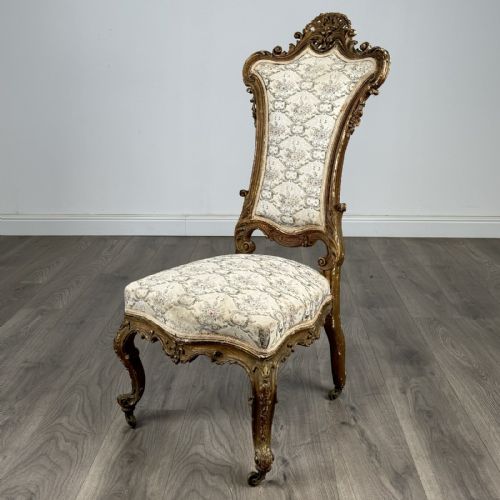
Wood serves as the primary structural material for frames, utilising walnut, beech, timber, and giltwood. Artisans shape these timbers into curved profiles, cabriole legs, and carved accents that define the French aesthetic.
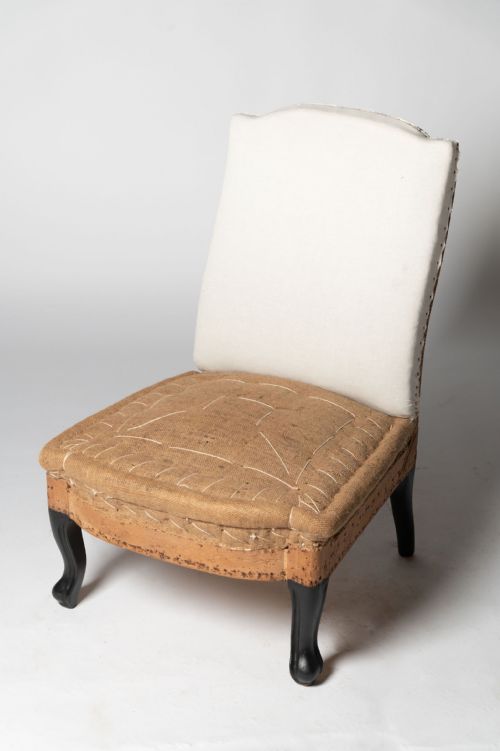
Upholstery relies on fabric, calico, and brass details to finish the seating surfaces. Many nineteenth-century frames arrive covered in plain calico, awaiting bespoke fabric choices to match modern interiors.
Upholstered French Bedroom Chairs Retail Price Guide 2026
Typical asking prices for upholstered french bedroom chairs among the pieces listed under this phrase on Sellingantiques today, from the lower quarter to the upper quarter. They describe what is for sale here now, not the wider market.
Slipper chairs earned their name because they sat low enough for Victorian ladies to comfortably lace their footwear without tumbling.
Evaluating craftsmanship
Frame integrity separates exceptional pieces from standard examples, visible in the rigidity of the carved wood and the precision of joinery. Original paint surfaces or historic gilding retain higher interest than later refinishing efforts.
The underlying woodwork carving depth and the sophistication of silhouette dictate overall distinction. Pieces retaining authentic upholstery schemes or original painted finishes command closer attention from discerning collectors.
The Upholstered French Bedroom Chairs Glossary
- Slipper chair
- A low-seated upholstered chair originally designed for ladies' bedrooms to sit while putting on shoes. These pieces typically lack arms and sit close to the floor.
- Cabriole leg
- A furniture leg that curves outward and then tapers inward, finishing in a small foot. This shape mimics animal legs and appears frequently on French seating.
- Giltwood
- Timber treated with gold leaf or gold paint applied to the surface. It provides a bright, decorative finish on ornate frames.
- Duchesse brisée
- A French chaise longue broken into two or three parts, typically comprising an armchair and one or two footstools. Together they form a single long reclining seat.
- Napoleon III style
- A nineteenth-century eclectic design movement drawing heavily from Louis XIV, Louis XV, and Louis XVI aesthetics. It embraces ornate decoration, buttoned upholstery, and comfortable padding.
Upholstered French Bedroom Chairs: Frequently Asked Questions
Where should I place a French bedroom chair?
These low-profile seats suit dressing rooms, reading corners, and bedrooms where space is at a premium. Their compact proportions allow them to sit comfortably beside a vanity or in an unused alcove.
Pairing a slipper chair with a small occasional table creates a functional dressing area. They also function well as accent seating in living spaces.
What is the difference between an armchair and a slipper chair?
Armchairs feature structural armrests and provide a more upright, formal sit suitable for salons and studies. Slipper chairs sit lower to the ground and lack arms entirely, designed for easier movement in bedrooms.
Historically, slipper chairs aided women dressing in tight corsets and heavy garments. Today they serve as decorative low seating.
Are these chairs comfortable for daily use?
Many nineteenth-century examples offer deep padding and supportive sprung seats designed for relaxation. Tub chairs and upholstered armchairs provide enclosed comfort suitable for reading.
Pieces sold for upholstery may require new webbing and interior padding before regular use. Checking the internal support ensures long-term seating comfort.