




Armless Bedroom Chair
An armless bedroom chair offers low, compact seating for dressing rooms and parlours, combining comfort with space-saving elegance.
Armless Bedroom Chair
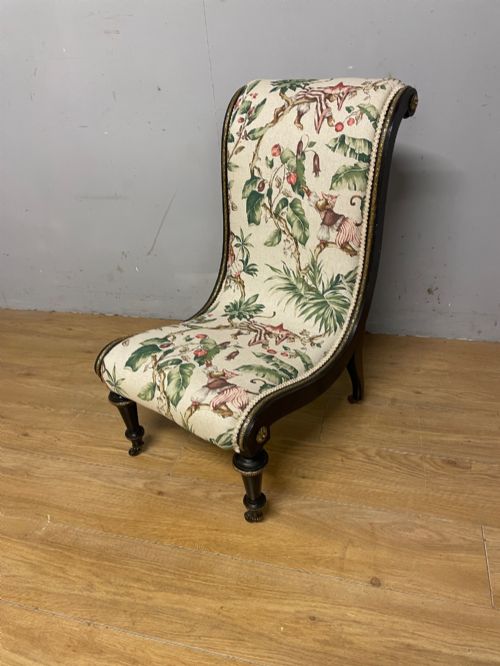
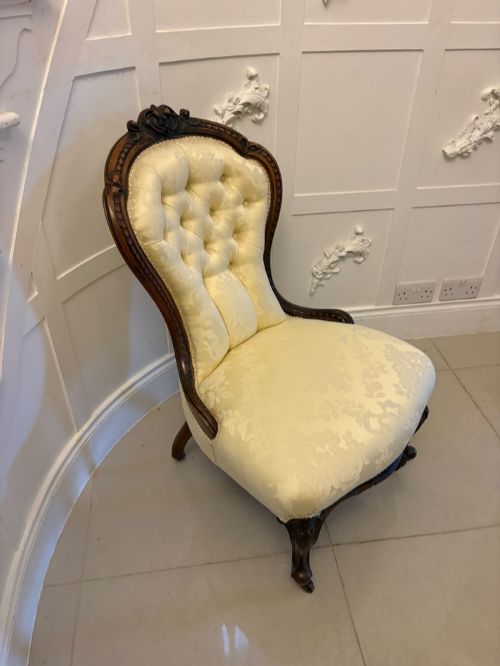
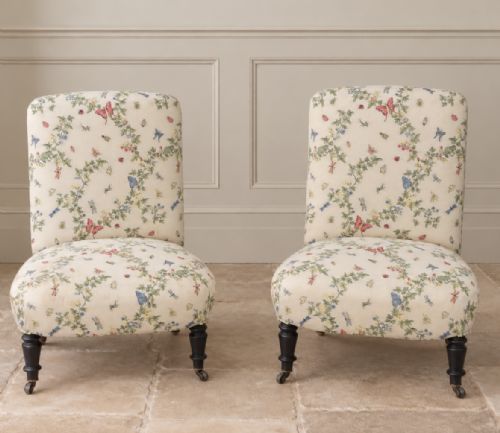
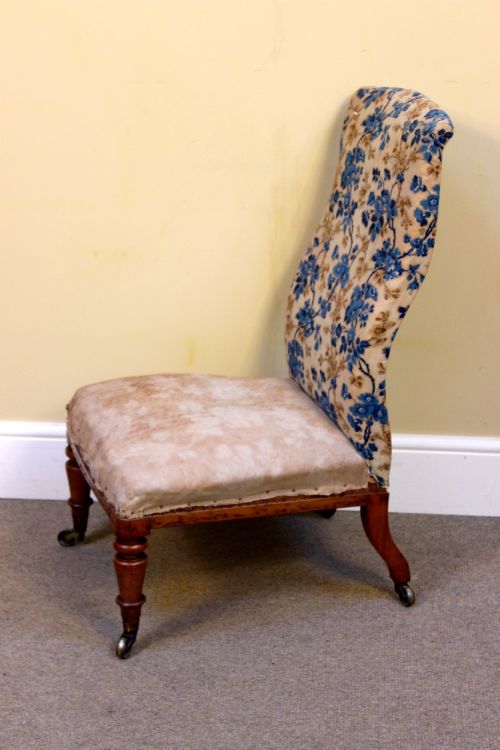
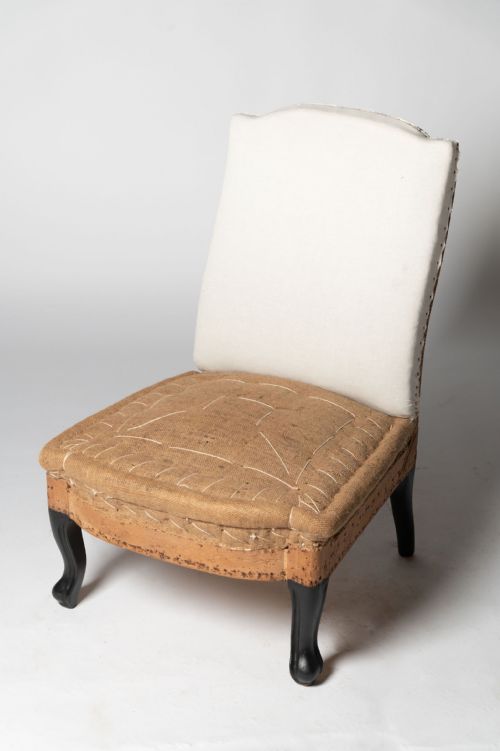
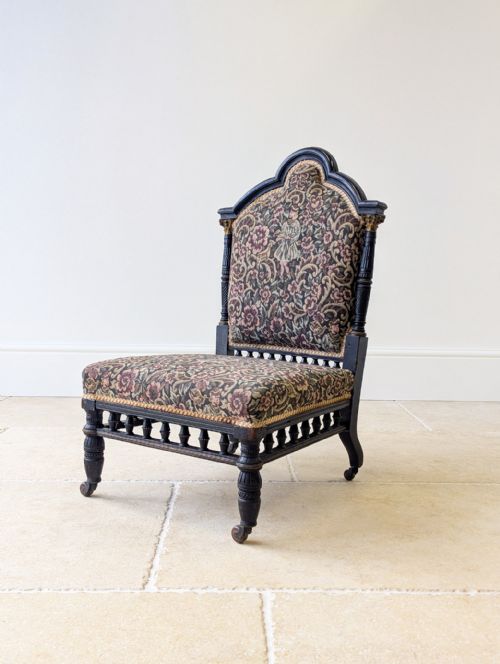
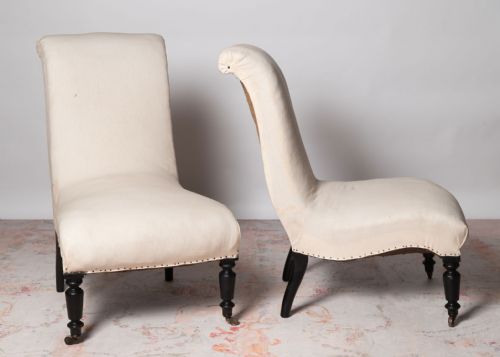
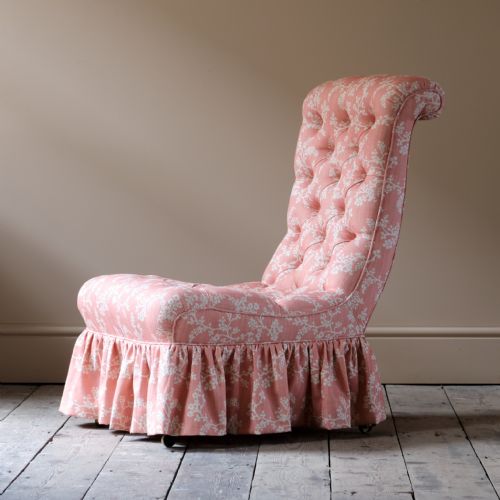
An armless bedroom chair encompasses compact low seating designed for private rooms, boudoirs, and parlours. The selection spans the nineteenth century, including Victorian, Edwardian, and French examples, alongside specific forms like slipper chairs, nursing chairs, and salon chairs. Makers utilised varied silhouettes, ranging from scroll backs and curvaceous frames to buttoned upholstery.
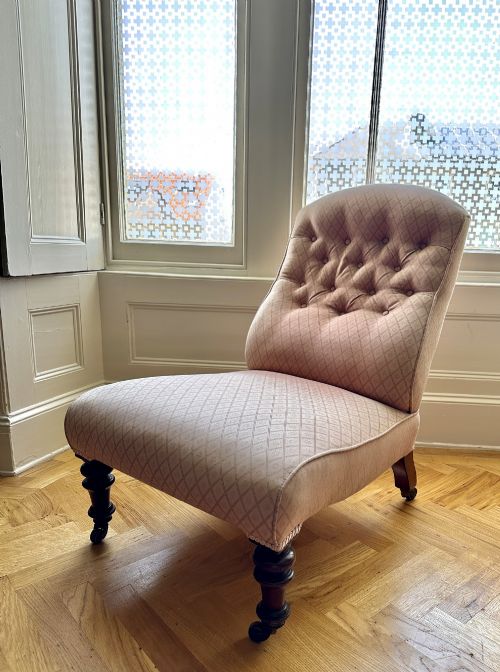
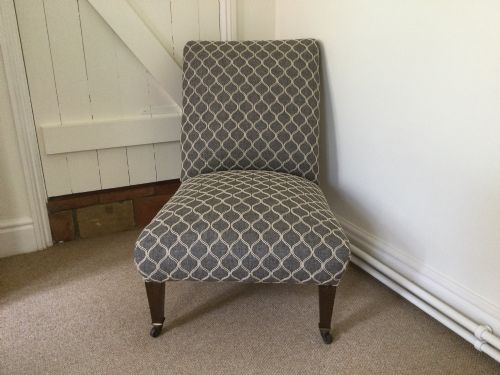
Most pieces encountered on this page date from the Victorian and Edwardian periods, constructed in walnut, mahogany, oak, ebonised wood, and rosewood. These designs often feature low seats intended originally to facilitate dressing, coupled with supportive backs and occasionally brass or gilt details. They appear as single items, pairs, or within specific stylistic revivals such as the Aesthetic Movement and French Napoleon III.
How they were made
Frames rely on sturdy timbers such as walnut, mahogany, oak, and ebonised wood, shaped into cabriole, bobbin, or gilt legs. Structural integrity depends on the joinery of the period, often augmented with brass fittings.
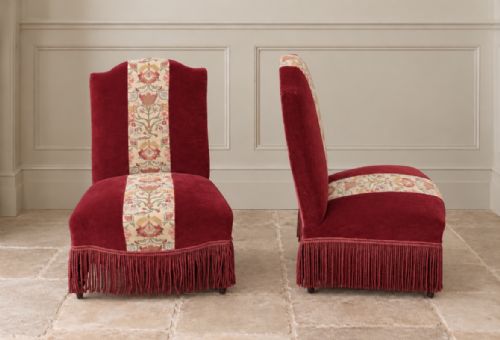
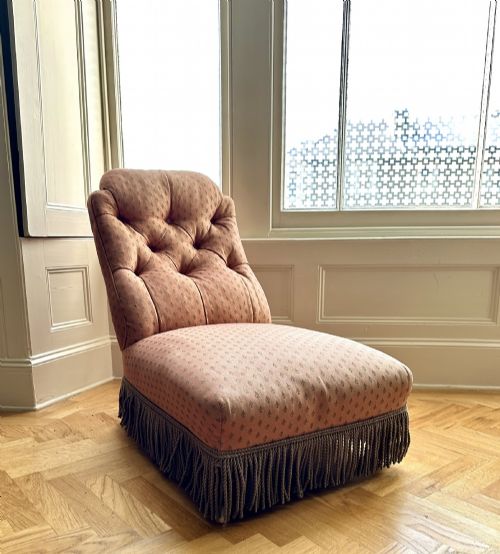
Upholstery defines the character of these seats, utilising traditional fabrics like velvet alongside modern or period upholstery fabric. Detail work includes deep buttoning, fringing, and exposed carved wooden frames.
Armless Bedroom Chair Retail Price Guide 2026
Typical asking prices for armless bedroom chair among the pieces listed under this phrase on Sellingantiques today, from the lower quarter to the upper quarter. They describe what is for sale here now, not the wider market.
Listings feature eighteenth and nineteenth century periods, including Victorian, Edwardian, and French Napoleon III styles.
What varies in quality
Quality rests in the execution of the timber frame, from the sharpness of carved walnut or mahogany to the stability of ebonised and gilt surfaces. Finer examples display harmonious proportions, substantial frames, and considered detailing like bobbin or cabriole legs.
The sophistication of the upholstery and the integrity of the underlying structure separate standard iterations from exceptional workshops. Maker attribution, visible in pieces originating from notable firms, elevates the standing of an individual chair.
Gillows·Hindley and Sons·Howard and Sons
The Armless Bedroom Chair Glossary
- Slipper chair
- A low-seated, armless chair originally designed for bedrooms to allow ladies to put on shoes and slippers easily. These pieces typically sit close to the floor.
- Nursing chair
- A low chair with an upholstered back, traditionally used by mothers for nursing infants in the nursery or bedroom. They often feature sprung seats and padded backs.
- Ebonised wood
- Timber treated with a finish to resemble ebony, popular during the Victorian era and particularly associated with the Aesthetic Movement. This technique provides a dark, polished surface.
- Cabriole leg
- A furniture leg that curves out and then in, resembling an animal's leg with a knee and ankle. This form appears frequently on walnut and mahogany frames.
- Button back
- An upholstery style where depressions are created by pulling buttons tight through the padding and securing them to the frame. This technique adds both structure and visual texture.
Armless Bedroom Chair: Frequently Asked Questions
What is an armless bedroom chair used for?
These low seats served practical functions in private spaces, particularly for dressing or resting in bedrooms and boudoirs.
Their compact proportions allowed them to fit easily into smaller rooms without obstructing movement.
How do I identify a Victorian bedroom chair?
Victorian examples typically feature dark timber frames such as walnut, mahogany, or ebonised wood, often with buttoned upholstery.
Look for stylistic markers like turned bobbin legs, cabriole supports, or low profiles associated with slipper and nursing chairs.
Are these chairs comfortable for daily use?
Many of these pieces offer deep-seated comfort and supportive padded backs, making them functional for contemporary living spaces.
Their low height suits occasional seating in sitting rooms, dressing areas, or reading corners.
What is the difference between a slipper and nursing chair?
Slipper chairs generally sit very low to the ground with minimal woodwork visible, designed originally for dressing tasks.
Nursing chairs often feature slightly taller upholstered backs and sprung seats to provide extended comfort during childcare.