





Fluted Leg Bedroom Chair
A fluted leg bedroom chair brings understated neoclassical elegance to a dressing room, offering a slender profile and refined classical carving that suits intimate spaces.
Fluted Leg Bedroom Chair
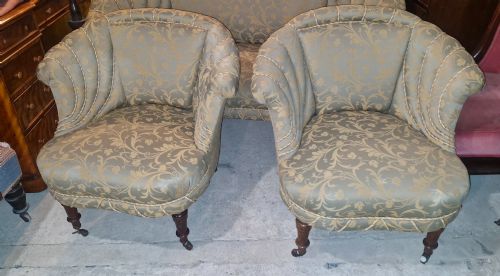
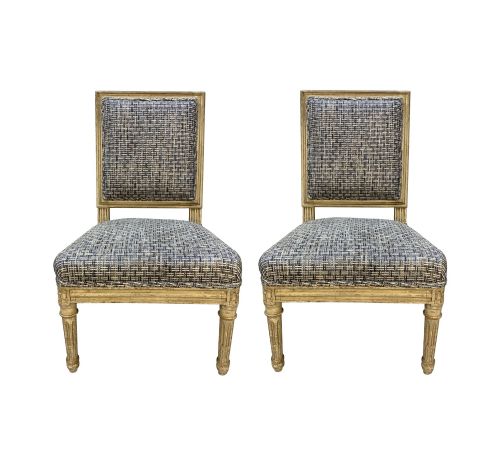
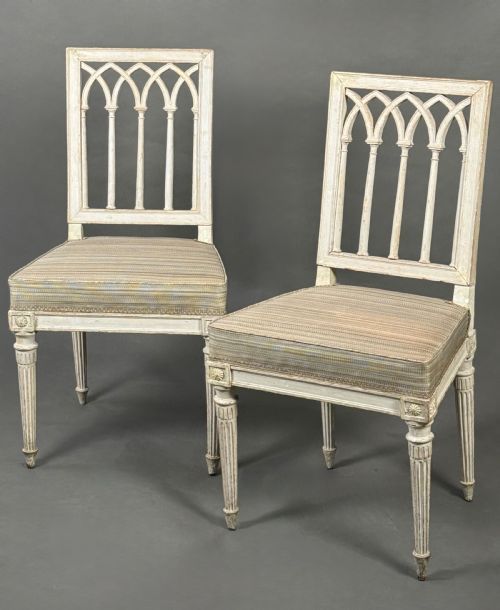
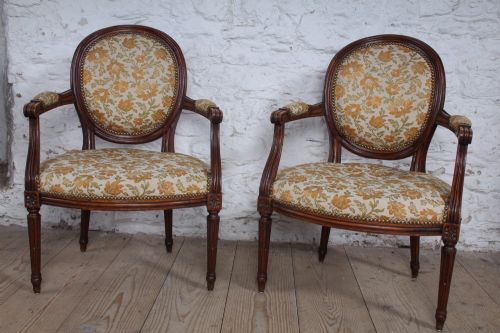
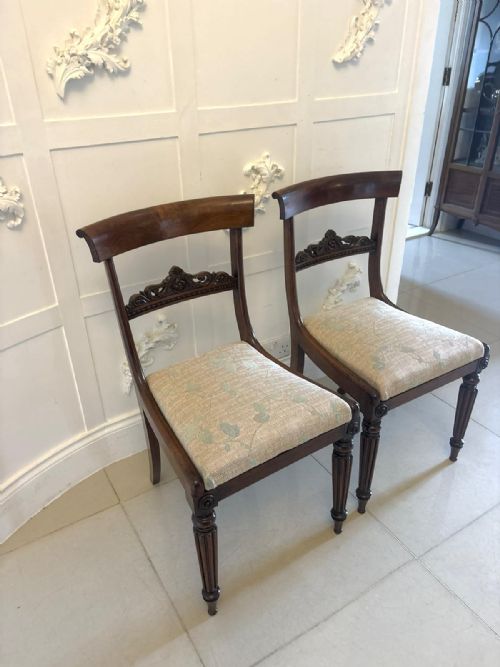
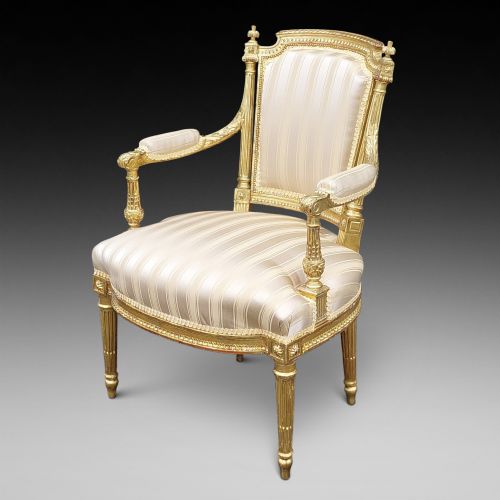
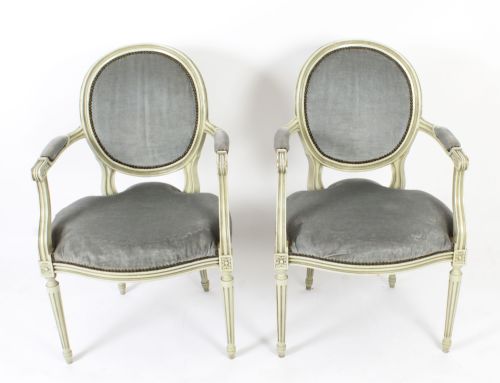
A fluted leg bedroom chair is typically encountered in revival forms such as Louis XVI style, Edwardian creations, and nineteenth century Continental variations. These pieces often manifest as small bedroom chairs, slipper chairs, or open armchairs designed for private chambers rather than formal reception rooms.
The selection ranges from eighteenth century prototypes to Edwardian interpretations, uniting classical vocabulary with domestic utility. Buyers will find side chairs, tub armchairs, and bergere formats carrying the characteristic fluted support beneath upholstered seats.
Materials and construction
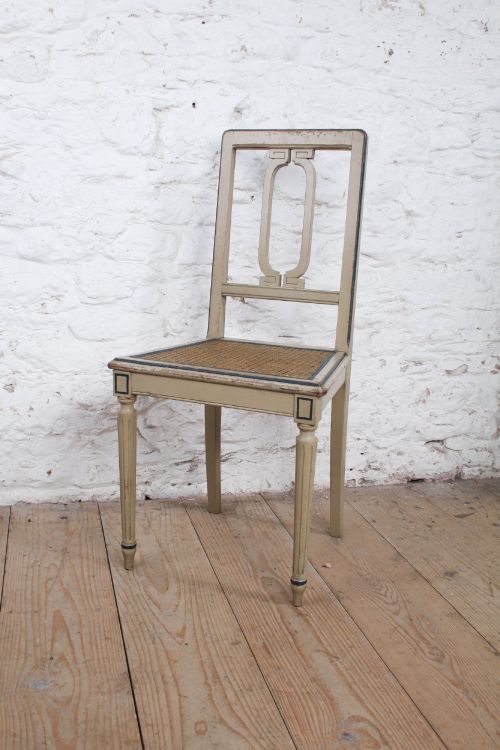
Makers utilised a variety of woods including mahogany, walnut, satinwood, and giltwood alongside painted wood surfaces finished in grey or cream. Carved wood details define the framework, often paired with cane panels or modern upholstery fabric.
Structural integrity relies on traditional joinery methods applied to hardwoods, supplemented by brass elements where appropriate. Surfaces display hand-applied paint finishes or polished timber grains that highlight the carved architectural fluting.
Fluted Leg Bedroom Chair Retail Price Guide 2026
Typical asking prices for fluted leg bedroom chair among the pieces listed under this phrase on Sellingantiques today, from the lower quarter to the upper quarter. They describe what is for sale here now, not the wider market.
Listings span from the eighteenth century through the Edwardian era, featuring painted wood, mahogany, and giltwood across various chair forms.
Distinctions in execution
The standard of carving on the legs and frame separates standard production from superior work. Crisp, deep fluting requires skilled hand chiselling rather than mechanical routing.
Proportion and wood selection dictate the overall refinement of the piece. Dense timbers like mahogany and satinwood hold sharper detail than softer woods, resulting in a more cohesive and enduring silhouette.
The Fluted Leg Bedroom Chair Glossary
- Fluting
- Vertical parallel grooves carved into the surface of a column or furniture leg. This classical detail derives from ancient Greek and Roman architecture.
- Bergere
- An enclosed upholstered armchair with wooden sides and a padded seat. The frame is typically exposed and finished with painted or polished wood.
- Fauteuil
- An open-arm armchair with upholstered back and seat resting on exposed wooden arms. Originating in France, the style emphasises comfort and formal grace.
- Slipper chair
- A low-seated upholstered chair designed originally for a lady's dressing room. The absence of arms facilitates ease of movement while dressing.
- Giltwood
- Wood that has been coated with a thin layer of gold leaf or gesso. This decorative treatment provides a bright, reflective surface characteristic of formal French seating.
Fluted Leg Bedroom Chair: Frequently Asked Questions
Where should I place a fluted leg bedroom chair?
These chairs fit naturally beside a dressing table, in the corner of a guest room, or near a fireplace. Their compact proportions allow them to occupy tight spaces without overwhelming the room.
They also serve effectively as accent seating in a study or hallway where a lighter, decorative touch is preferred over heavy upholstery.
How do I identify Louis XVI style features?
Look for straight, tapered legs adorned with vertical fluting, geometric frames, and restrained neoclassical ornamentation. These elements contrast sharply with the curving asymmetries of the preceding rococo period.
Oval or rectangular backs and ribbon-tied carvings further distinguish this French aesthetic.
Are these chairs suitable for daily use?
Most antique bedroom chairs are structurally sound for normal sitting, though their lightweight frames suggest lighter daily demands than heavy dining chairs. Upholstered versions offer comfortable support for reading or dressing.
Checking the stability of the joints and the condition of the webbing ensures the piece remains practical for regular habitation.