




Underglaze Cobalt Porcelain Chargers
Underglaze cobalt porcelain chargers are wide, decorative ceramic plates painted in rich blue pigment before firing, prized for their striking visual depth and historical pedigree.
Underglaze Cobalt Porcelain Chargers
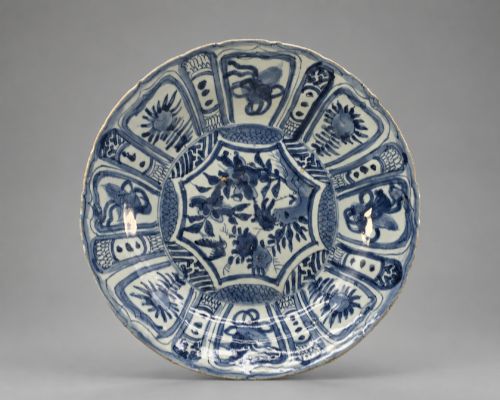
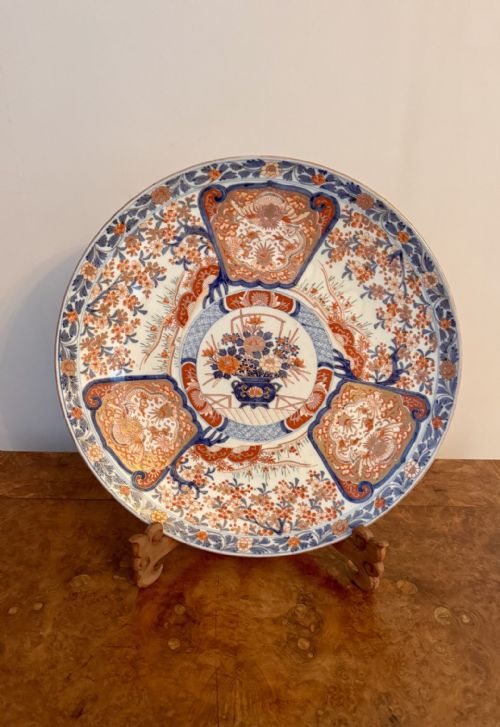
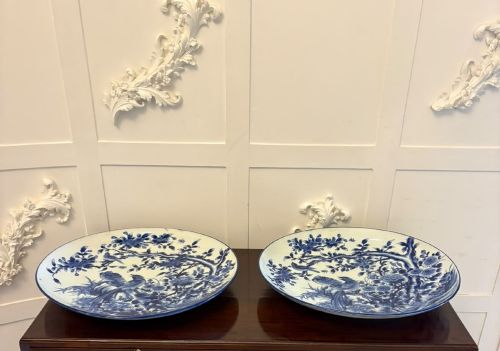
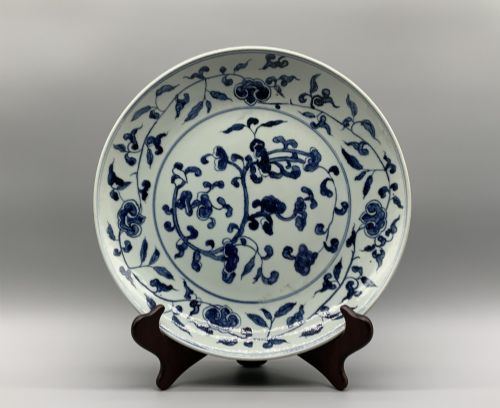
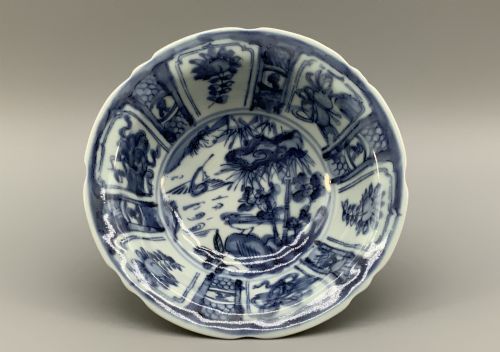
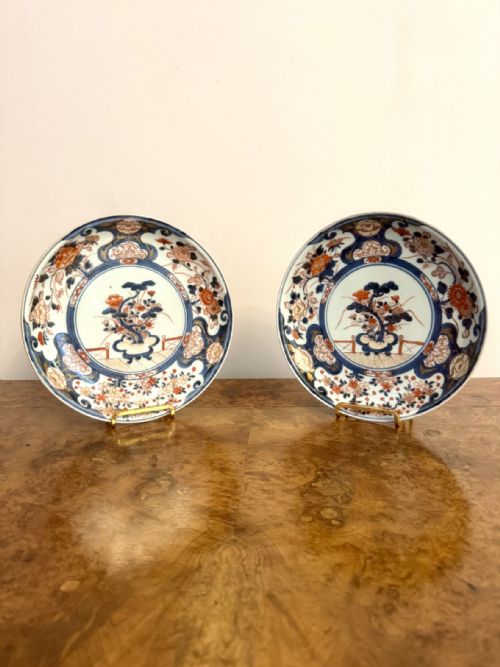
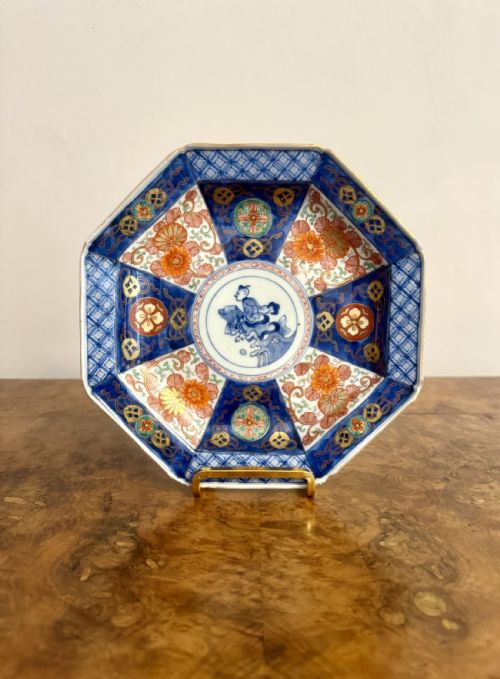
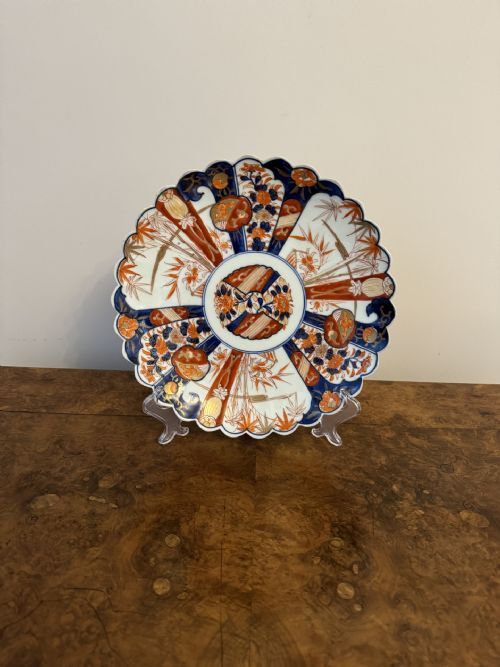
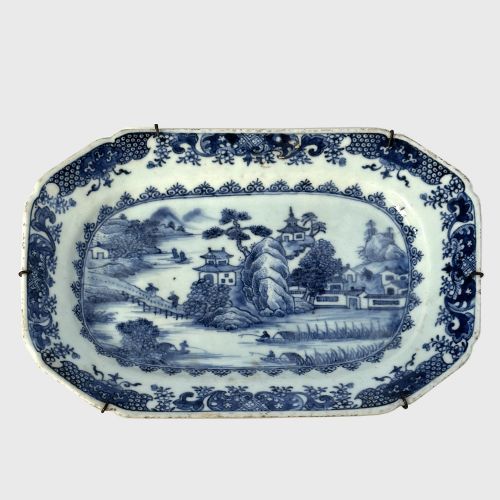
Underglaze cobalt porcelain chargers encompass large decorative plates, chargers, and platters spanning several centuries of Asian and European production. The examples available here lean heavily toward Japanese Imari styles and Chinese blue and white ceramics, alongside pieces from the 17th century through the Edwardian period.
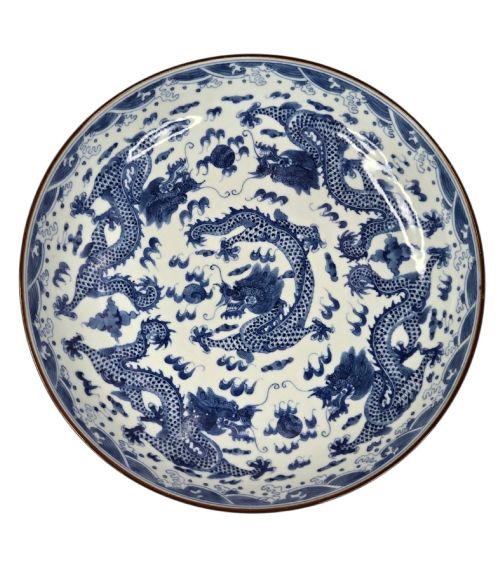
Buyers encounter distinct regional forms ranging from the robust blue and white chargers of the Kangxi period to vibrant Imari wares from the Meiji and Edo periods. Forms vary from traditional circular chargers to lobed bowls, scalloped edges, and hexagonal plates.
Materials and production methods
Potters applied cobalt pigment directly onto the raw ceramic body before applying a clear glaze and firing the piece at high temperatures. This underglaze technique bonded the blue pigment permanently beneath the glossy surface.
Selected pieces incorporate secondary decorative elements such as enamel and gold leaf applied over the glaze during subsequent firings, adding colour and metallic contrast to the cobalt foundation.
Underglaze Cobalt Porcelain Chargers Retail Price Guide 2026
Typical asking prices for underglaze cobalt porcelain chargers among the pieces listed under this phrase on Sellingantiques today, from the lower quarter to the upper quarter. They describe what is for sale here now, not the wider market.
Materials recorded across the inventory include ceramic, porcelain, enamel, gold leaf, and cobalt glaze.
Assessing quality in cobalt porcelain
The refinement of the blue pigment under the glaze dictates the visual impact of each charger, with deeper cobalt tones creating sharper contrast against the white porcelain body. Crisp brushwork and well-defined floral or dragon motifs distinguish superior examples from simpler production wares.
Moulding technique and edge finishing also separate standard items from finer pieces, evident in the precision of barbed rims, scalloped edges, and lobed bowls.
The Underglaze Cobalt Porcelain Chargers Glossary
- Underglaze
- A method of decorating pottery using pigments applied directly to the unfired ceramic body before glazing. This protects the painted design beneath a glassy protective layer.
- Cobalt pigment
- A mineral colourant used to achieve deep blue tones on ceramics. It withstands the extreme heat required to fire porcelain without losing intensity.
- Charger
- A large decorative plate traditionally used for ceremonial display rather than daily dining. These substantial pieces anchor table settings or wall displays.
- Imari ware
- Japanese porcelain decorated in underglaze blue, iron red, and gold. The style originated in Arita and gained popularity across European export markets.
- Kangxi period
- An era of Qing Dynasty rule marked by technical mastery in porcelain production. Pieces from this time often feature brilliant blue tones and precise mark indications.
Underglaze Cobalt Porcelain Chargers: Frequently Asked Questions
How were underglaze cobalt porcelain chargers used?
These large ceramic pieces served primarily as decorative chargers, platters, or display plates within elite households. Their substantial size made them ideal for mounting on walls or showcasing on sideboards.
Over time, collectors valued them as centrepieces that combined utility with intricate artistry.
How do I identify a Kangxi period charger?
Kangxi period chargers typically feature vibrant blue and white decoration painted with exceptional depth and clarity. Many pieces incorporate six-character marks on the reverse.
Examining the foot ring and the purity of the white porcelain helps confirm the eighteenth-century or seventeenth-century origin.
What is Japanese Imari ware?
Japanese Imari ware refers to porcelain produced in Arita and exported through the port of Imari. These works combine underglaze cobalt blue with contrasting enamel colours and gold leaf.
The resulting palette creates a rich, patterned surface that distinguishes them from monochrome blue and white pieces.
How should I display a large porcelain charger?
Large chargers require secure wall mounting brackets or sturdy plate stands designed to support heavy ceramics. Positioning them away from direct sunlight preserves any delicate enamel and gold leaf details.
Allowing adequate space around the charger highlights its scale and painted motifs.