



Underglaze Blue Porcelain Vessel
An underglaze blue porcelain vessel brings cobalt pigment beneath a clear glaze, offering collectors centuries of diverse Asian and Persian ceramic artistry.
Underglaze Blue Porcelain Vessel
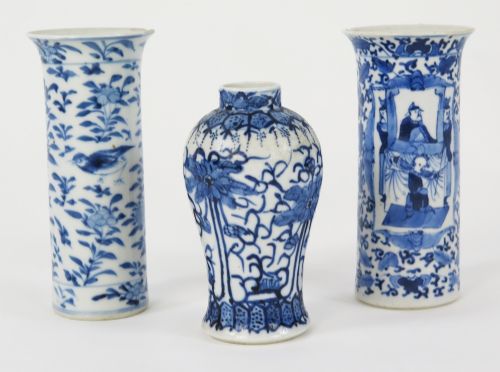
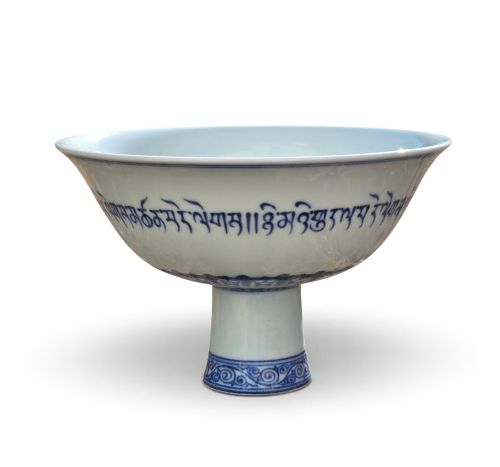
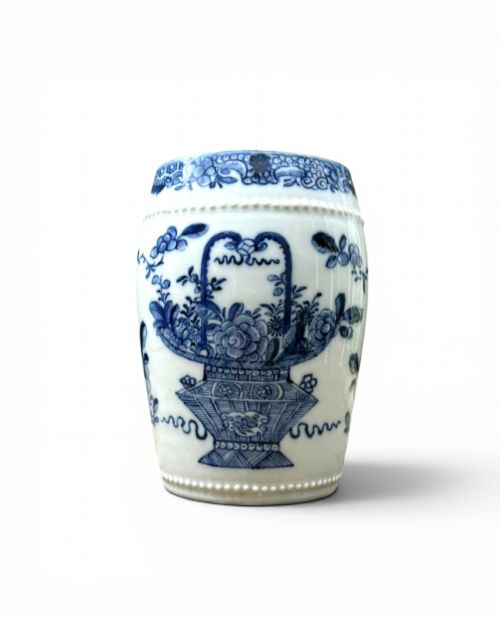
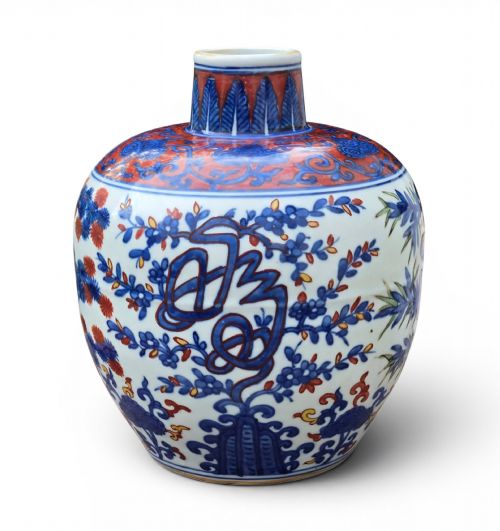
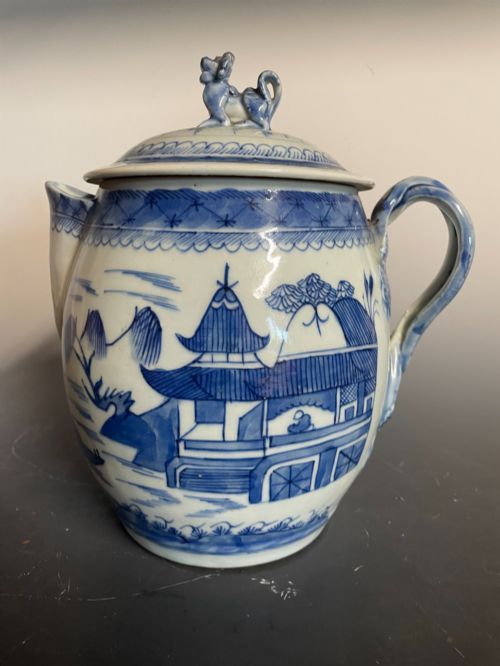
An underglaze blue porcelain vessel encompasses various domestic and scholarly forms, ranging from tall meiping vases and double-gourd shapes to brush pots, ginger jars, and kendis. The pieces on this page span several centuries, including examples from the Qing Dynasty, the Kangxi period, and Japanese Arita production.
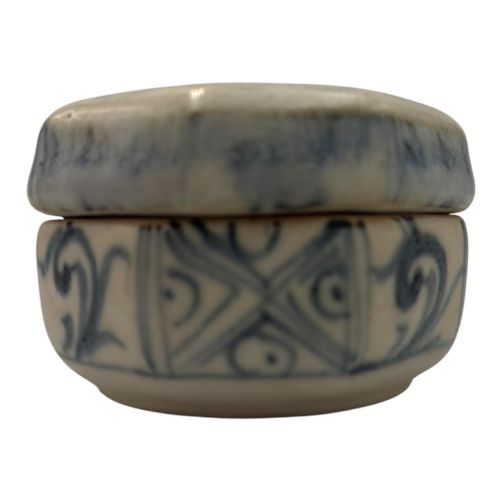
Vases and decorative jars form the most common variants in this selection, often displaying traditional botanical or dragon motifs. Buyers encounter both Chinese export ceramics and Japanese Imari wares alongside rarer items like Vietnamese octagonal covered boxes and Safavid pottery kendis.
Objects date from the sixteenth century through to the Edwardian era, reflecting shifting imperial tastes and regional potting traditions. Collectors select these vessels for their distinct decorative schemes, which record the evolution of cobalt painting across Asia and the Middle East.
Quality and Execution
The precision of the cobalt painting dictates the visual strength of the vessel, separating confident, fluid brushwork from rigid or muddy execution. Depth of tone in the blue pigment, from soft grey-blue to deep sapphire, reflects careful preparation of the mineral and precise kiln temperature control.
The refinement of the porcelain body and the smoothness of the glaze determine the tactile character of the piece. Superior examples display balanced proportions, clean foot rings, and harmonious integration of form and ornament.
Listings feature porcelain, stoneware, and pottery materials spanning the sixteenth to the early twentieth century.
The Underglaze Blue Porcelain Vessel Glossary
- Underglaze blue
- Cobalt pigment applied to the raw clay body prior to glazing and high-temperature firing. This method ensures the decoration remains permanent beneath the glassy surface.
- Imari
- Japanese export porcelain decorated in underglaze blue, iron red, and gilt. The style originated in Arita and gained popularity across Europe.
- Doucai
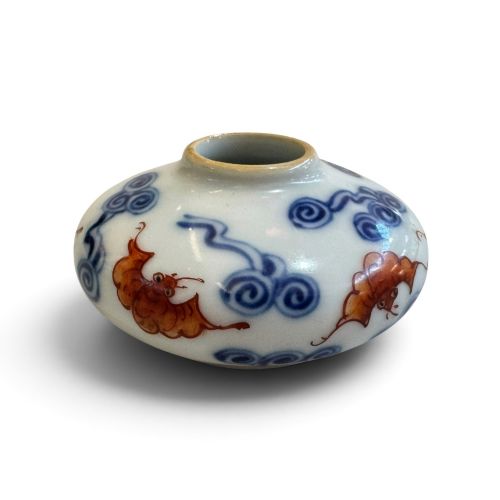
- A Chinese ceramic technique combining underglaze blue outlines with overglaze enamel infills. Potters fired the piece twice to achieve the contrasting colours.
- Kendi
- A drinking vessel with a spout and no handles, originating in Southeast Asia and produced for export. Persian and Chinese kilns adopted this distinctive shape.
- Bitong
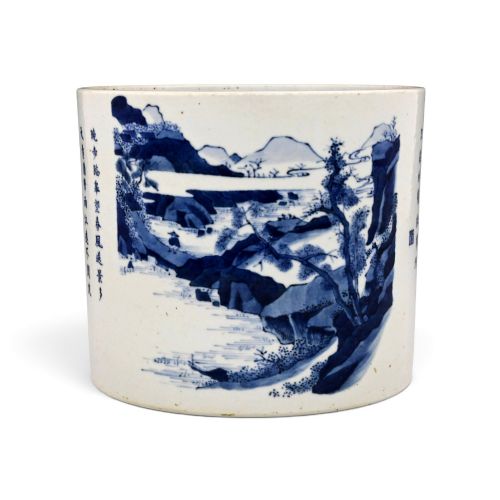
- A cylindrical Chinese brush pot used by scholars for holding writing brushes. These vessels often feature detailed landscape or figural scenes in cobalt blue.
Underglaze Blue Porcelain Vessel: Frequently Asked Questions
How do I date an underglaze blue porcelain vessel?
Dating relies on stylistic markers, potting characteristics, and any reign marks found on the base of the vessel. Comparing the shade of cobalt and the execution of motifs to established periods helps narrow the timeframe.
Changes in clay composition and glaze texture also provide physical clues to the era of production. Experts examine foot rings and potting thickness to distinguish between imperial pieces and provincial wares.
What is the difference between Chinese and Japanese blue and white?
Chinese wares often utilise varying depths of cobalt blue to create painterly landscapes and dynamic dragon motifs. Japanese counterparts, particularly Arita or Imari productions, frequently incorporate distinct glaze colours alongside the blue.
Porcelain body density and foot ring finishing also vary between the regions. Japanese pieces frequently display different potting weights and support styles suited to local firing methods.
How were these vessels used originally?
Many pieces served practical functions as wine ewers, water droppers, or storage jars for tea and spices. Others held scholar utensils or acted purely as decorative display items in elite interiors.
Export vessels often fulfilled dining or display roles in European households. Specialised forms like brush pots remained central to the scholarly desk environment.
How should I clean and display my vessel?
Cleaning requires only warm water and a soft cloth to remove dust from the glazed surface. Harsh detergents and abrasive materials should be avoided entirely.
Display spaces should offer stable shelving away from direct sunlight and heavy foot traffic. Ensuring the vessel sits on a secure, level surface prevents accidental tipping.