
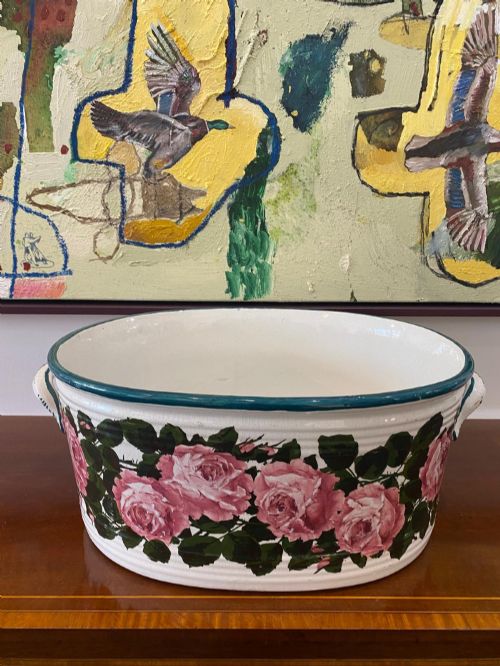
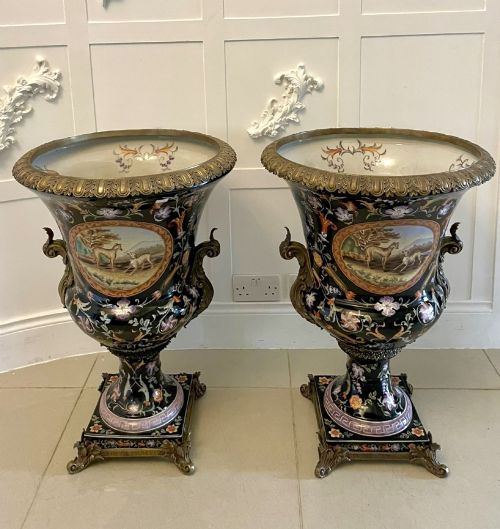

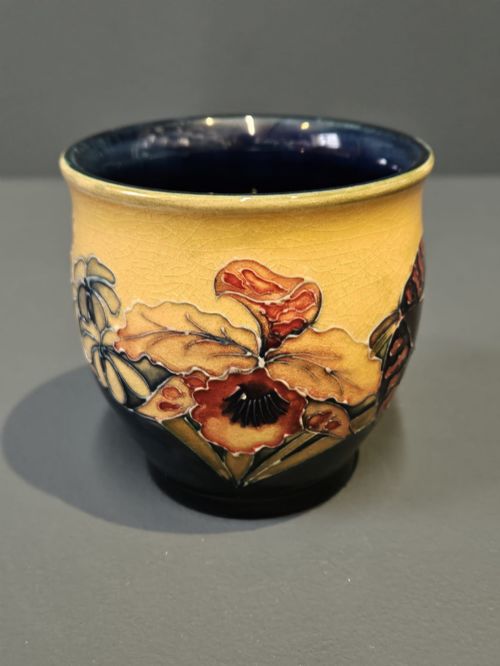
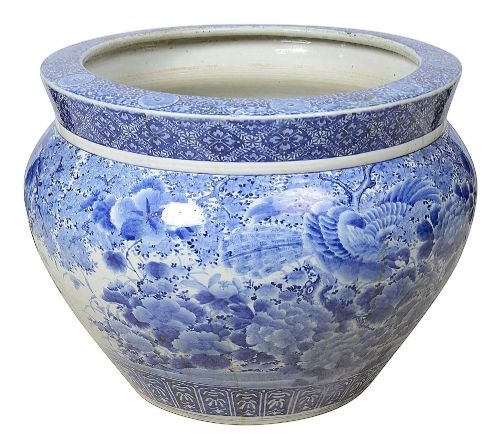
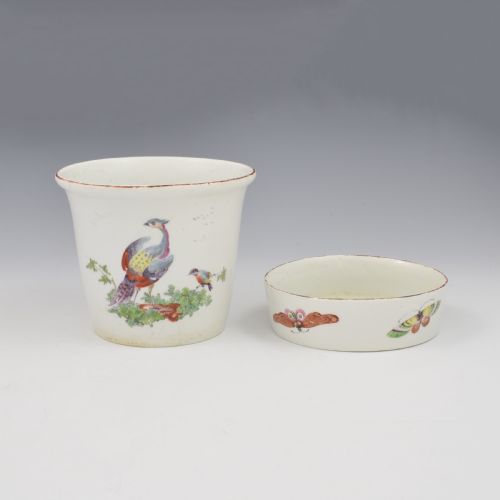
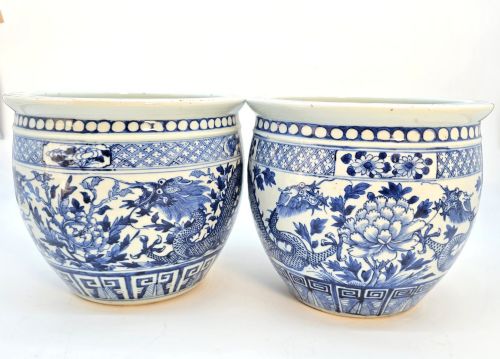


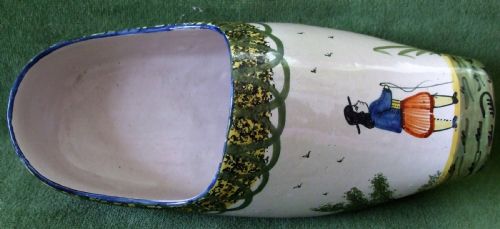


Hand Painted Ceramic Planters
These hand painted ceramic planters bring vibrant colour and historic floral charm to any interior room.
Hand Painted Ceramic Planters
When you search for hand painted ceramic planters, you encounter a varied selection of antique vessels designed to hold plants and flowers indoors. These pieces range from substantial garden urns and fish bowls to delicate cachepots and footbaths originating across European and Asian traditions.
You are most likely to meet nineteenth-century porcelain and earthenware jardinières on this page, alongside eighteenth-century export porcelain and occasional twentieth-century decorative pieces. Styles span from vibrant Chinese blue and white and famille rose designs to Victorian floral motifs and French porcelain urns mounted in brass.
Makers and regional potteries represented here include English houses such as Worcester, Derby, Coalport, and Wemyss, alongside continental factories and extensive East Asian ceramic traditions. Each form serves the dual purpose of botanical display and ornamental focal point within a room.
Materials and construction
Potters shaped these vessels from ceramic, earthenware, and fine porcelain bodies, often employing cobalt underglaze or rich enamel colours to build up detailed pictorial scenes. Many items incorporate hand-painted botanical or figurative subjects, sometimes heightened with gold leaf applied across moulded relief details.
Larger vessels such as jardinières and garden urns required sturdy earthen or porcelain walls to support wet soil and heavy plantings, while decorative cachepots and vases focused on refined potting and delicate glaze effects. French and English examples frequently paired the ceramic body with cast brass mounts, handles, or decorative feet.
The listings combine British, French, German, and Asian ceramics, spanning earthenware, faience, and fine porcelain bodies.
Assessing quality and execution
The distinction between ordinary production and top-tier execution lies in the crispness of the potting and the precision of the hand-painted brushwork. Superior pieces display confident, detailed brush strokes in the floral or figurative panels, whereas lesser examples rely on hurried or mechanical decoration.
Material quality also dictates the tier of the piece, with fine, translucent porcelain and well-vitrified earthenware commanding greater attention than heavier, utilitarian ceramics. The integration of auxiliary materials, such as fire-gilt brass mounts on French porcelain urns, further elevates the status of the vessel.
Wemyss·Derby·Barr Flight and Barr·Royal Worcester·Coalport
The Hand Painted Ceramic Planters Glossary
- Jardiniere
- An ornamental pot or stand for holding flowers or plants, typically large and freestanding. These vessels form the bulk of the ceramic planters found in traditional interiors.
- Cachepot
- An ornamental flowerpot used as a cover to conceal a plain inner pot and catch drainage water. They are usually smaller than traditional jardinières and sit on tabletops or window sills.
- Famille Rose
- A major palette of Chinese ceramic glazes introduced in the eighteenth century, distinguished by opaque pink or purple enamels. This style decorates many export porcelain planters and bowls.
- Imari
- A style of Japanese export porcelain decorated in underglaze blue, iron red, and gold. Pieces featuring this palette display rich geometric and floral panels.
- Faience
- Tin-glazed earthenware produced in France, often featuring hand-painted motifs in bold colours. Items such as Quimper sabots and Nevers orange pots showcase this absorbent ceramic body.
Hand Painted Ceramic Planters: Frequently Asked Questions
What is a jardiniere?
A jardiniere is a decorative ceramic container designed to house potted plants or floral arrangements indoors. They vary in scale from compact table vessels to large floor-standing garden urns.
Historically, these pieces sat in reception rooms and conservatories to bring living greenery into domestic spaces while protecting fine furniture from moisture.
How do I use a cachepot?
A cachepot serves as a decorative outer sleeve for an ordinary plant pot, hiding the utilitarian plastic or terracotta underneath. It captures excess water after watering, though you should empty it promptly to protect the ceramic glaze.
These vessels suit tabletops, mantelpieces, and windowsills where plants add colour and texture to a room.
What is Chinese export porcelain?
Chinese export porcelain comprises ceramics manufactured in China specifically for trade and transport to European and American markets. These pieces often combined traditional Asian forms and motifs with shapes requested by Western buyers.
Planters and jardinières from this trade frequently feature famille rose or blue and white painting designed to appeal to wealthy foreign interiors.
How do I care for antique planters?
Keep antique ceramic planters safe by using a modern plastic liner inside the vessel rather than planting directly into the historic body. This prevents moisture seepage and mineral deposits from damaging the antique glaze or earthenware.
Clean the surface only with a soft, dry cloth and avoid harsh chemical cleaners that might harm hand-painted enamels or gold leaf details.