

Pair of Victorian Vases
When a buyer searches for a pair of victorian vases, they uncover symmetrical vessels of ceramic, glass, and metal made for display.
Pair of Victorian Vases
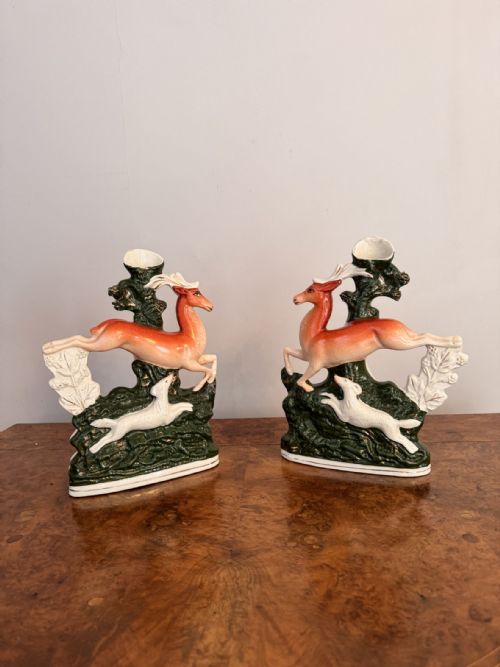
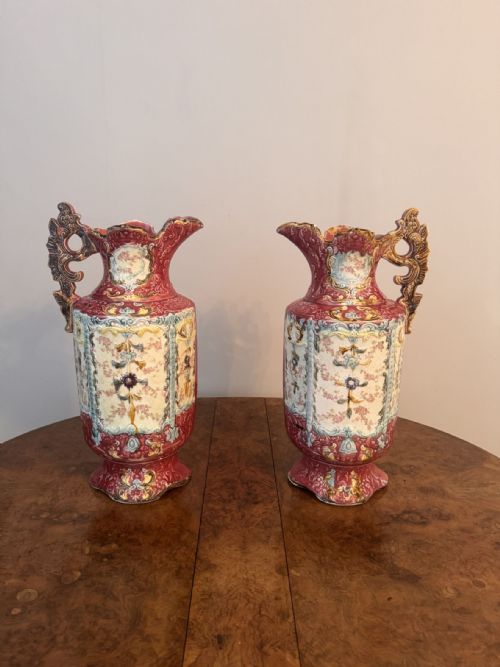
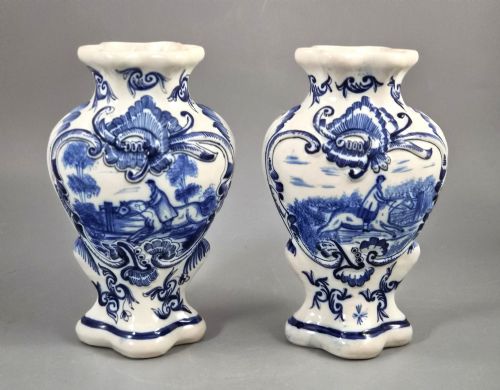
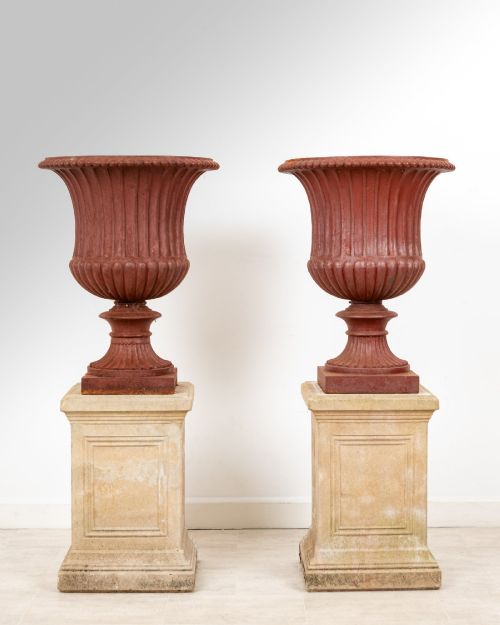
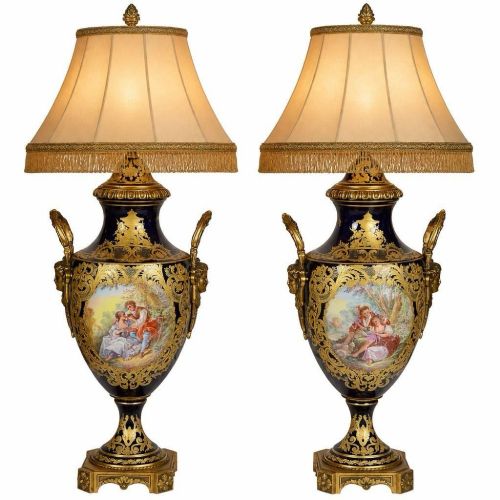
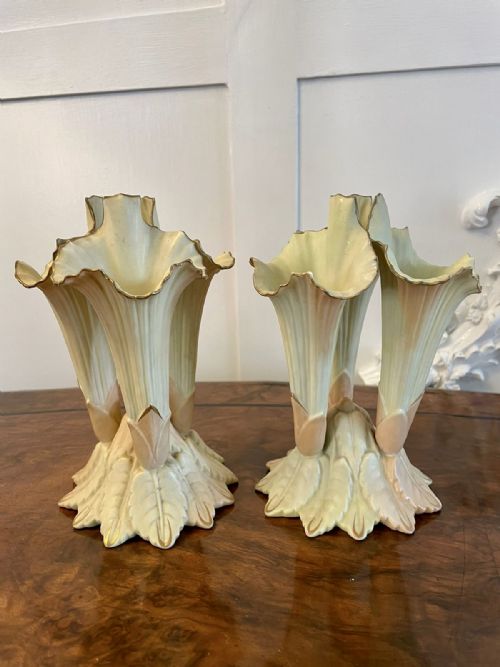
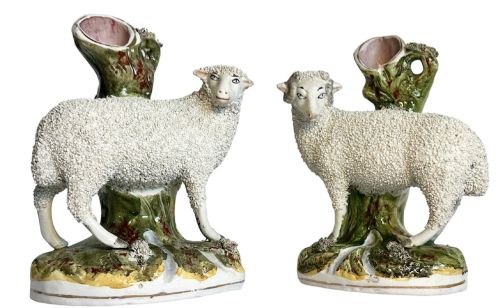
A pair of victorian vases comprises twin decorative vessels produced during the nineteenth century, often intended to stand symmetrically on a mantelpiece or sideboard as garnitures. The forms range from bulbous earthenware spill vases depicting animals to tall glass lustres hung with glass drops and heavy cast iron campana urns designed for gardens.
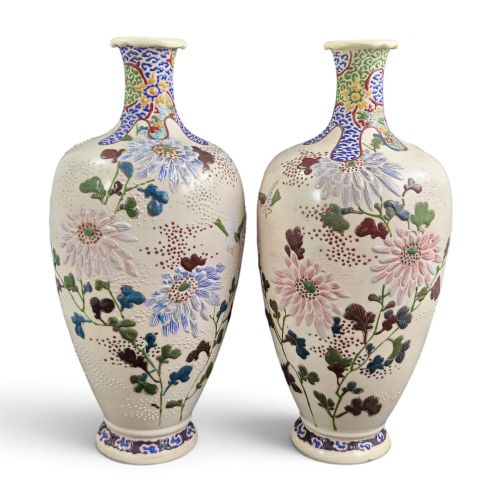
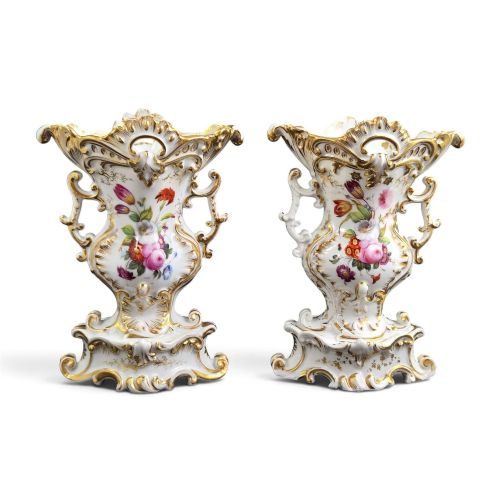
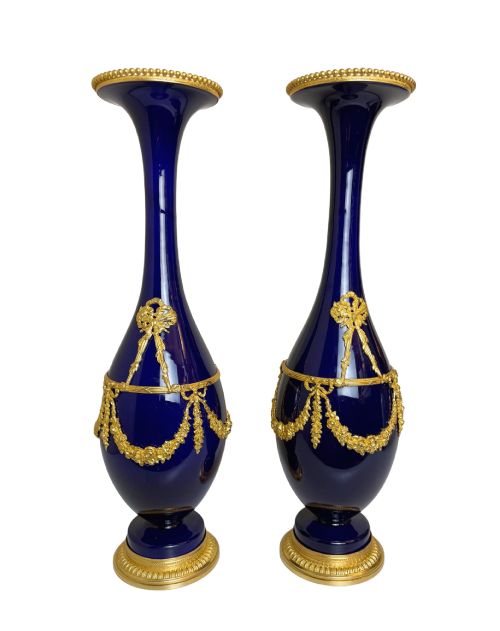
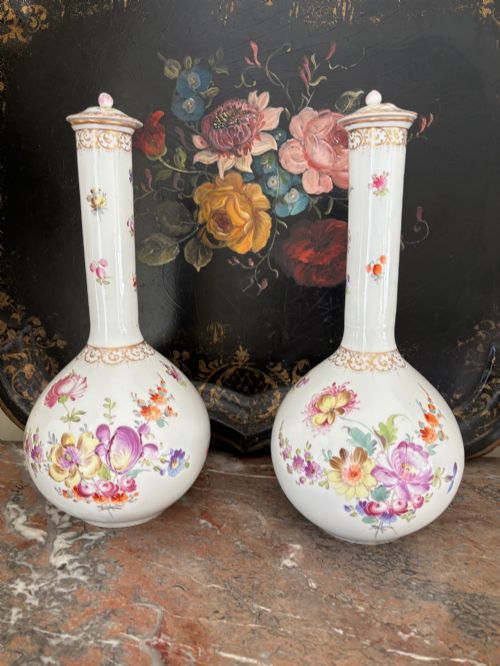
Makers utilised diverse regional idioms, spanning English Staffordshire pottery figures, French porcelain painted with floral motifs, and Japanese ceramics imported during the late nineteenth century taste for exotic goods. Buyers frequently encounter ruby glass, cobalt blue glass, and stoneware bodies stamped by prominent manufactories.
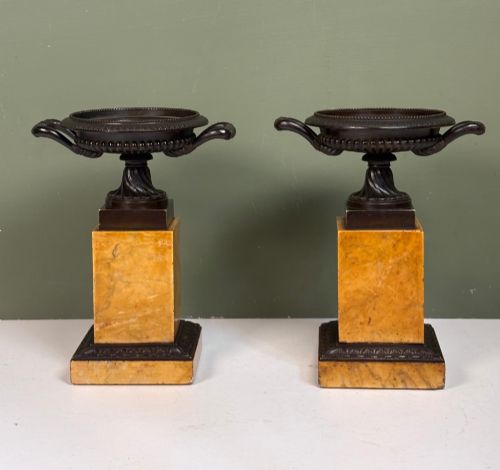
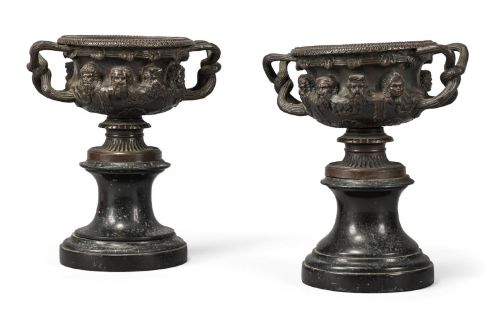
The functional scope extends beyond simple floral display into lighting adaptations, wine coolers, and decorative urns cast in bronze or spelter with classical motifs.
How they were made
Pottery and porcelain examples began on the potter wheel or in moulds before receiving hand painted enamel decoration, gilding with gold leaf, and high temperature glazes. Stoneware bodies such as Doulton Lambeth utilised specialised salt glazing and applied slip decoration.
Glass vessels relied on glassblowing techniques, incorporating cranberry, vaseline, and ruby colourants into the molten batch, followed by hand cutting or enamel painting in the manner of Bohemian glass. Metal versions employed bronze casting, silver plating, or cast iron work finished with patination.
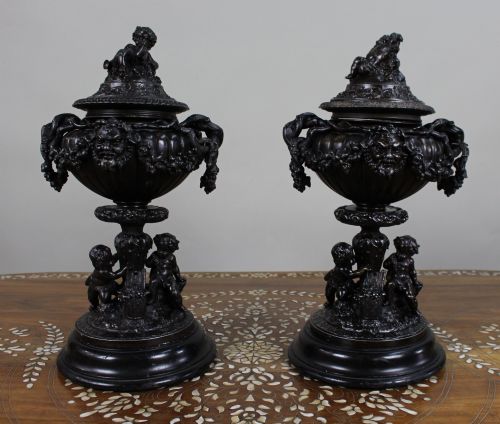
Decoration often combined moulded relief work, such as bacchic masks and putti on spelter urns, with delicate hand painted floral panels on porcelain grounds.
Staffordshire potters immortalised local farmyard cows and sheep as cheerful hollow tubes destined to hold fireplace tapers.
What varies in quality
The standard of execution separates everyday utility wares from exhibition pieces, visible in the crispness of moulded ornament and the precision of hand painted brushwork. Superior ceramic examples display richly saturated enamel colours and secure, even gilding that has not rubbed away from handling.
Glass items differ according to the depth of the metal colour, the weight of the piece, and the intact survival of delicate hanging lustres or enamelled highlights. Metal urns and ewers depend upon the sharpness of the original bronze or spelter casting and the quality of the patination.
Jacob Petit·Sitzendorf·Mason's Patent Ironstone·Doulton Lambeth·Royal Worcester·Royal Doulton
The Pair of Victorian Vases Glossary
- Spill vase
- A small cylindrical vessel designed to hold thin wooden spills used for lighting fires and candles. These often take the form of Staffordshire animals or simple earthenware tubes.
- Table lustre
- A glass vase hung with cut glass prisms or droplets around the rim, intended to reflect candlelight in a dimly lit room. Ruby and green glass versions are typical of the Victorian period.
- Campana urn
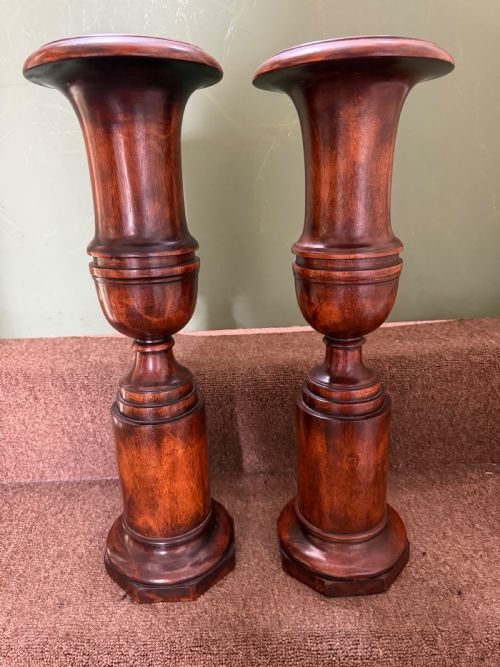
- A bell shaped vessel derived from classical antiquity, mounted on a pedestal foot. These appear in cast iron, terracotta, and porcelain across nineteenth century gardens and interiors.
- Garniture
- A set of three or more matching vases or urns designed to be displayed together on a mantelpiece. Pairs are the most common survival on the market.
- Moriage
- A Japanese ceramic decoration technique using raised clay dots and lines to create textured, tactile surface patterns. This work appeared frequently on Victorian export pieces.
Pair of Victorian Vases: Frequently Asked Questions
What were victorian vases used for?
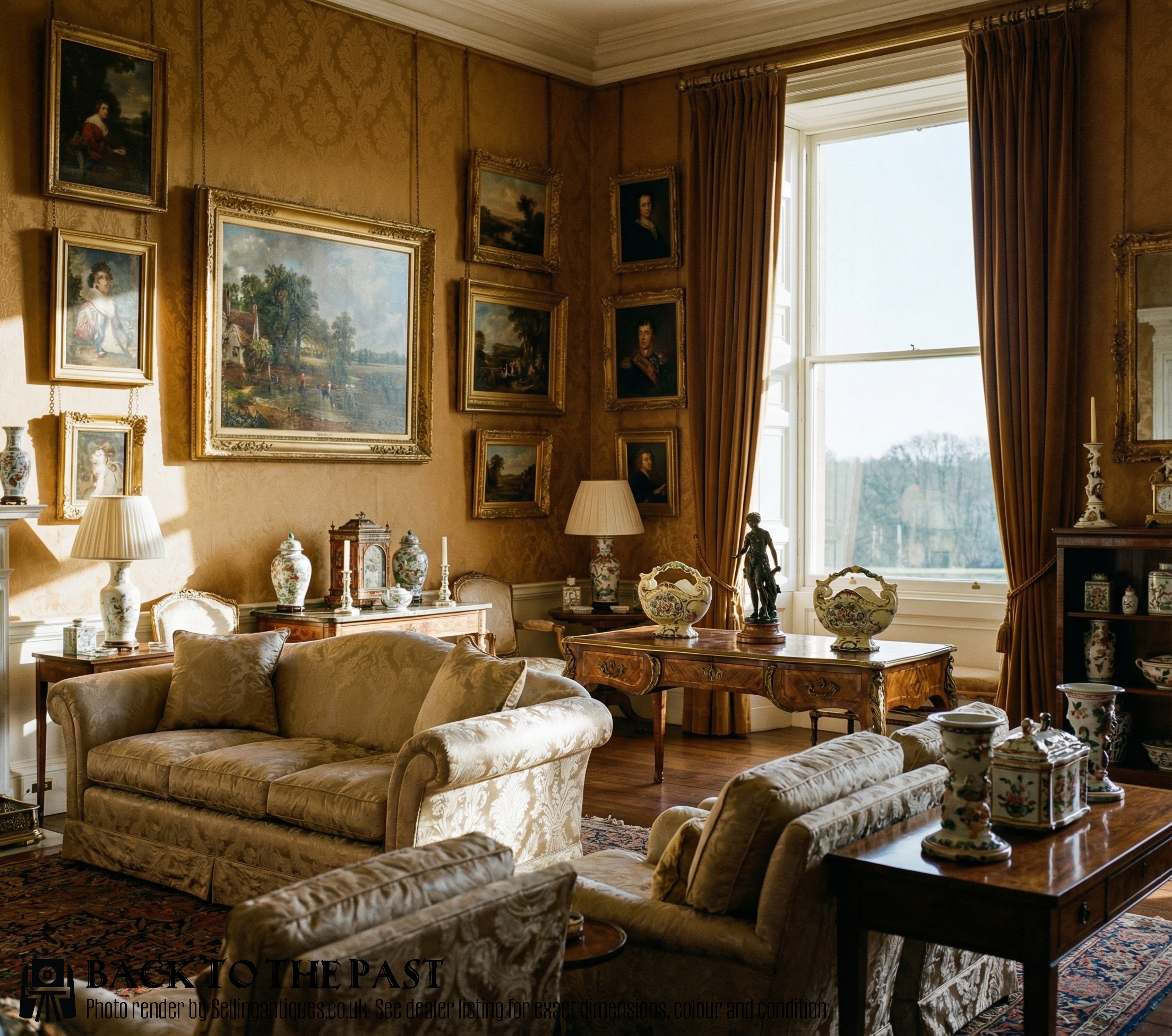
These vessels served primarily as decorative garnitures on mantelpieces, dining tables, and sideboards, often arranged symmetrically in pairs alongside clocks or candelabra. Many smaller examples functioned as spill holders or receptacles for fresh cut garden flowers.
Larger metal and stone versions found places in conservatories or gardens as decorative urns and plant pedestals. Some glass variants operated as table lustres to enhance candlelight during evening gatherings.
How do I identify a pair?
Matching pairs share identical dimensions, clay or glass bodies, palette, and decorative motifs, though subtle hand painted variations often reveal human creation rather than industrial uniformity. Dealers look for consistent wear patterns and matching factory marks on the underside.
When one piece sustains damage over time, surviving single vessels are occasionally reunited with similar companions from the same period, making close inspection of glazes and potting techniques essential.
Are these pieces waterproof?
Many nineteenth century ceramics and glass vessels hold water safely, but porous earthenwares or pieces with delicate interior enamels and gilding risk water damage. Stoneware and heavy glass bodies generally withstand fresh water for floral displays.
Antique metal liners, particularly in silver plated or bronze pieces, often caught moisture to protect the structural metal underneath from corrosion.
How should I clean glass lustres?
Glass lustres require gentle cleaning with warm soapy water and a soft cloth, removing the hanging crystal drops individually to wash them safely. Abrasive cleaners must be avoided to protect surface enamelling, gilding, and fragile ruby or vaseline glass layers.
Metal components benefit from dry dusting or specialised non abrasive metal care depending on the original patination.