





Ceramic Blue White Jardiniere
These ceramic blue white jardiniere vessels bring cobalt decoration and rich planting space into a room, shaped by centuries of global trade and domestic craft.
Ceramic Blue White Jardiniere
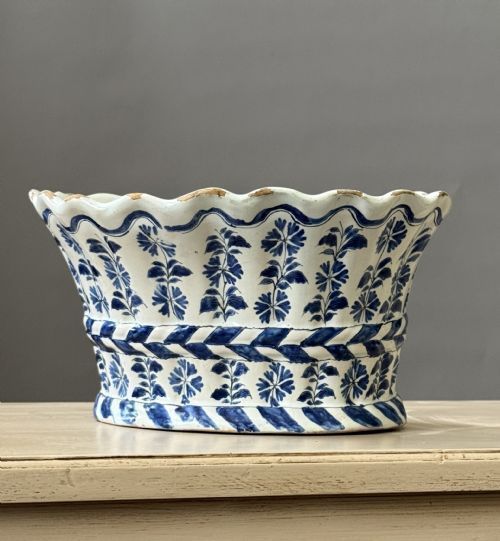
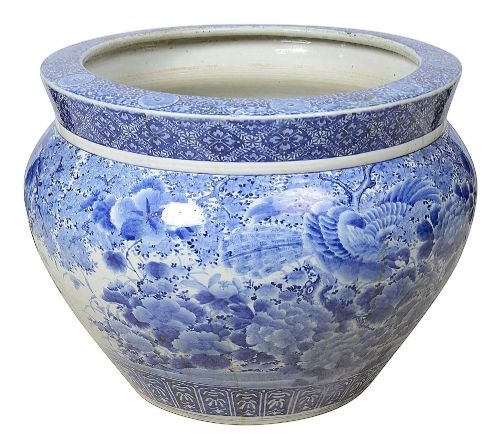
A ceramic blue white jardiniere serves as an ornamental container for large plants, bringing painted cobalt scenes into a room. The selection spans robust fish bowls, bough pots, and traditional planters from English, European, and Asian workshops.
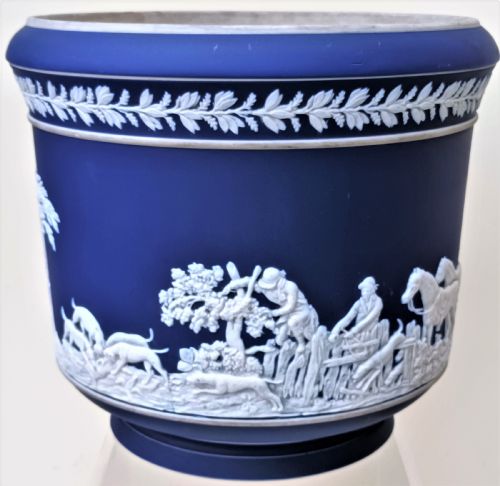
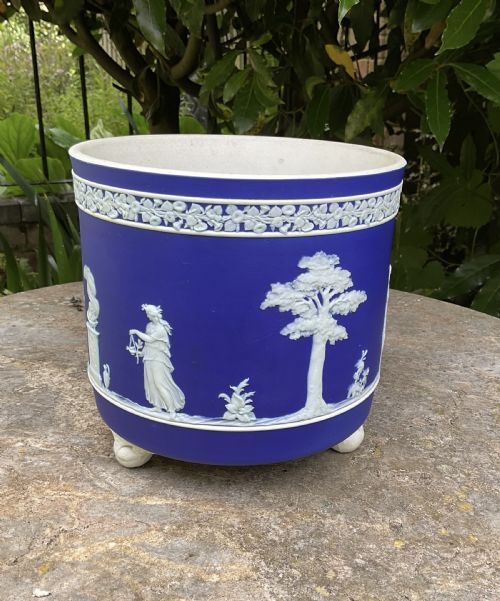
Most pieces date from the nineteenth and eighteenth centuries, reflecting periods such as the Victorian era, Georgian period, and Meiji Japan. Buyers encounter everything from Chinese export porcelain to English jasperware and tin-glazed earthenware.
The forms range from compact footed vessels to substantial bowls designed to sit on hardwood stands or the floor. Each item shows the enduring popularity of blue and white decoration across different cultures and centuries.
Assessing Quality
Quality rests in the crispness of the cobalt painting and the balance of the ceramic form. Finer pieces display controlled brushwork and rich, deep blue tones without blurring or pooling.
The handling of the clay body and the evenness of the glaze separate standard production from superior examples. Details such as applied relief work on jasperware or finely turned feet indicate the maker's skill.
The listings show pieces spanning the eighteenth and nineteenth centuries, including works from Georgian and Victorian periods as well as Meiji Japan.
William Adams & Sons·Wedgwood
The Ceramic Blue White Jardiniere Glossary
- Cobalt underglaze
- A blue pigment applied to pottery beneath a clear glaze before firing. It withstands high temperatures and yields a durable, permanent colour.
- Chinoiserie
- European artistic styles reflecting Chinese motifs and decorative patterns. Artisans applied these designs extensively to ceramics and furniture.
- Tin-glazed earthenware
- Pottery covered with a white tin-opacified glaze that provides a smooth ground for painted decoration. Delftware is a familiar example of this technique.
- Bough pot
- A vessel designed to hold cut branches or flowers for interior decoration. These early containers often share shapes with later planters.
Ceramic Blue White Jardiniere: Frequently Asked Questions
What is a ceramic blue white jardiniere?
A ceramic blue white jardiniere is an ornamental pot designed to hold plants or flowers, decorated with cobalt blue pigments. These vessels range from eighteenth-century Chinese export porcelain to nineteenth-century English jasperware.
Historically, they sat on tables, stands, or directly on the floor to display indoor flora. Their distinctive blue and white palette connects diverse manufacturing traditions across Europe and Asia.
How were these jardinieres used originally?
These vessels functioned primarily as decorative planters for large indoor plants, ferns, or flowering bulbs. Some versions served as fish bowls or bough pots for cut branches.
Owners placed them in reception rooms and parlours where the painted cobalt designs complemented fine furnishings. They protected fine surfaces from water damage when paired with appropriate liners or saucers.
How do I care for an antique jardiniere?
Antique jardinieres require gentle cleaning with mild soap and warm water, avoiding harsh abrasives that might damage the glaze or delicate painted surfaces. Using a plastic liner inside the vessel prevents moisture from seeping into porous historic clays.
Placement away from direct heat sources protects the ceramic body and any associated wooden stands from drying out or cracking.
How do I date a blue and white jardiniere?
Dating relies on examining the ceramic body, glaze characteristics, and decorative style. Eighteenth-century pieces often show different potting techniques and cobalt hues compared to nineteenth-century Victorian or Meiji period examples.
Maker marks stamped or painted on the base provide definitive clues for pieces originating from documented English potteries or specific export houses.
Can I plant directly into an antique jardiniere?
Planting directly into antique porous earthenware or unglazed interiors risks moisture damage and mineral staining. Using a separate nursery pot inside the jardiniere preserves the interior condition.
Stoneware and fully glazed porcelain resist water better, but a protective inner container remains standard practice for safeguarding historic ceramics.