





Underglaze Blue Japanese Porcelain
Underglaze blue Japanese porcelain encompasses historic plates, chargers, and vases decorated with cobalt pigment beneath a clear glaze, prized for enduring artistic depth.
Underglaze Blue Japanese Porcelain
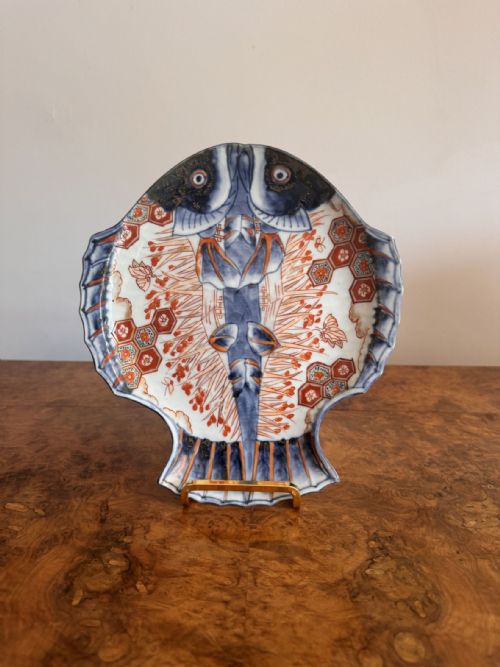
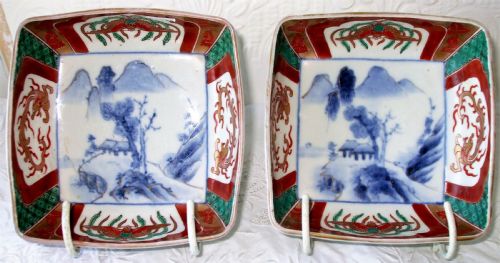
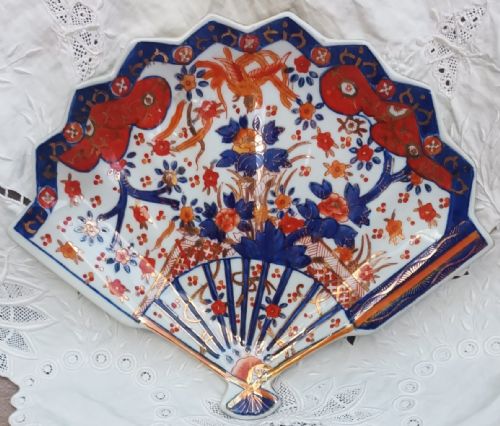
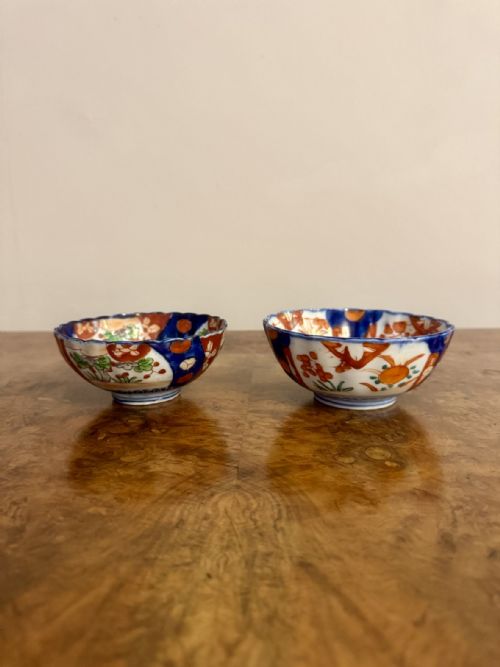
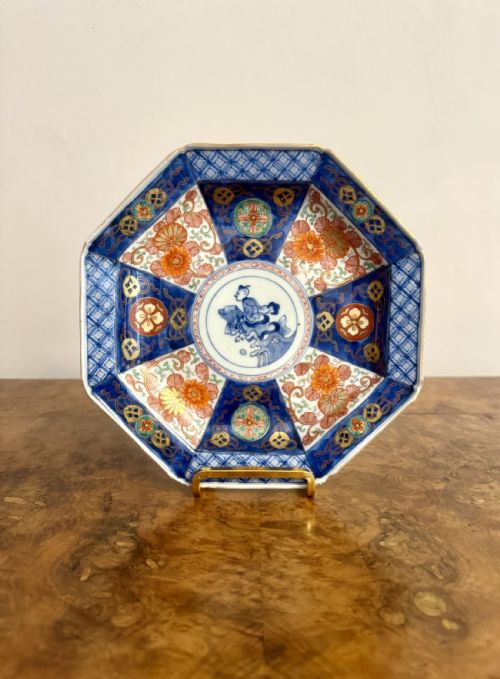
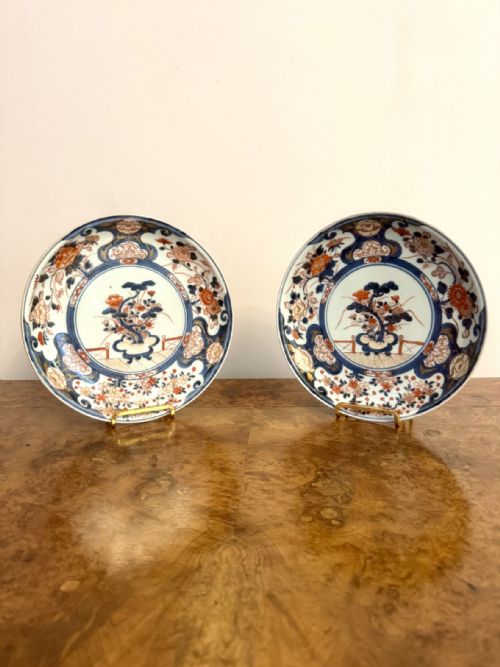
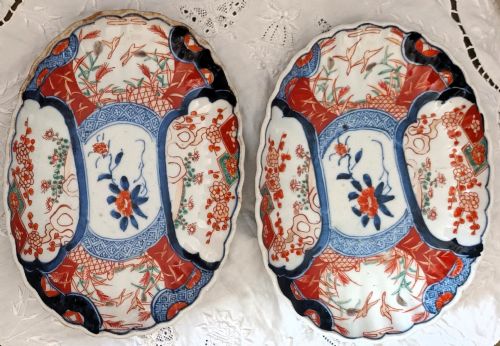
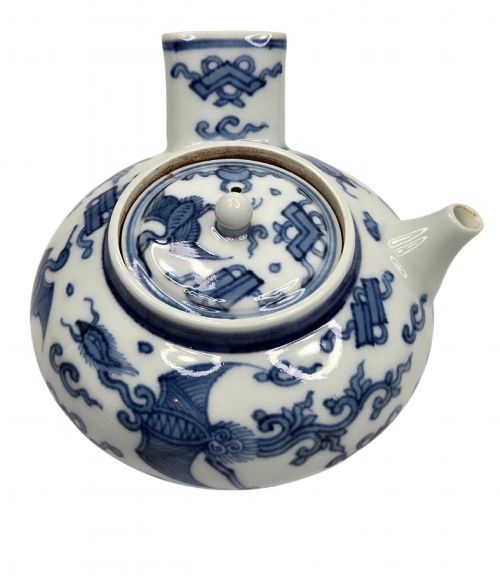
Underglaze blue Japanese porcelain comprises domestic and decorative vessels produced across centuries, predominantly featuring Japanese Imari wares, Arita productions, and plates shaped in hexagonal or scalloped forms.
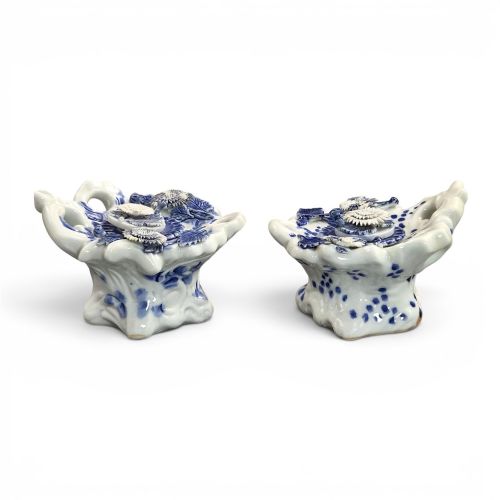
The selection ranges from small bowls and inkwells to large chargers, jardiniieres, and double-gourd vases originating from the Edo and Meiji periods.
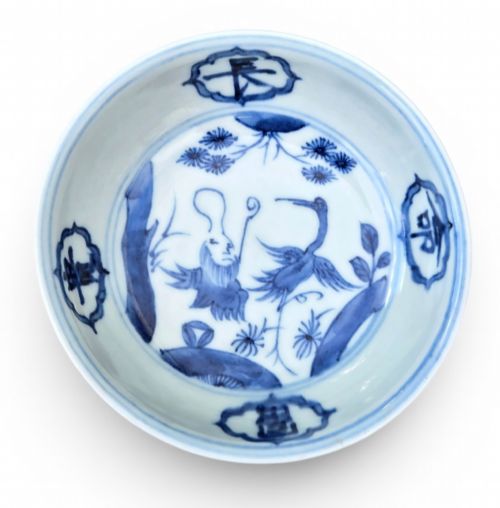
Buyers encounter eighteenth-century dishes alongside later nineteenth-century pieces decorated with motifs of cranes, koi carp, and chrysanthemums.
Materials and Technique
Potters painted cobalt pigment directly onto the raw ceramic body before applying a transparent glaze and firing the piece at high temperatures.
Enamel and gold leaf additions appear on specific Imari styles, supplementing the cobalt underglaze with rich surface colour.
Guardian lion dogs and koi carp swim across the centuries to watch over modern mantelpieces.
Evaluating Pieces
Quality rests upon the clarity of the cobalt pigment and the precision of the hand-painted brushwork across plates and vases.
Pessimised moulding gives way to crisply potted forms with balanced proportions and carefully controlled glaze finishes.
Makuzu Kozan
The Underglaze Blue Japanese Porcelain Glossary
- Imari
- A style of Japanese porcelain decorated in underglaze blue, iron red, and gold, originating from the port of Imari. These wares gained immense popularity across Europe during the Edo period.
- Arita
- The Japanese town central to porcelain production where local clay and cobalt pigmant were shaped into renowned vessels. Kilns in this region supplied domestic and export markets for centuries.
- Sometsuke
- Japanese term for underglaze blue porcelain wares decorated solely with cobalt pigment beneath a clear glaze. This classic technique highlights tonal gradation and brush dexterity.
- Edo Period
- The historical epoch in Japan lasting from 1603 to 1868, characterised by economic growth and flourishing ceramic arts. Pieces from this era display distinct regional kiln characteristics.
Underglaze Blue Japanese Porcelain: Frequently Asked Questions
How do I identify Edo period pieces?
Edo period pieces exhibit specific potting traits and cobalt tones characteristic of eighteenth-century kiln traditions in Arita.
Examining the foot ring and glaze pooling helps determine the likely age of the ceramic body.
What is the difference between Imari and Sometsuke?
Sometsuke relies exclusively on cobalt blue pigment under the glaze for its decorative scheme. Imari wares typically combine this underglaze blue with overglaze enamel colours and gold leaf.
Both styles utilise porcelain bases fired in historic Japanese kilns.
How should I display large chargers?
Large chargers require secure wall mounting brackets or sturdy plate stands designed to support heavier ceramic weight.
Placing them away from direct sunlight preserves the stability of the glaze and any surface enamel.
Are these items suitable for daily use?
Historic porcelain pieces demand careful handling and gentle hand washing rather than regular utility. Preserving the cobalt decoration and glaze integrity is the primary concern for collectors.
Displaying them safely prevents accidental chips to scalloped edges and delicate rims.