




Underglaze Blue Charger
These large-format underglaze blue charger examples offer striking cobalt decoration across porcelain and ceramic bodies from East Asia and Britain.
Underglaze Blue Charger
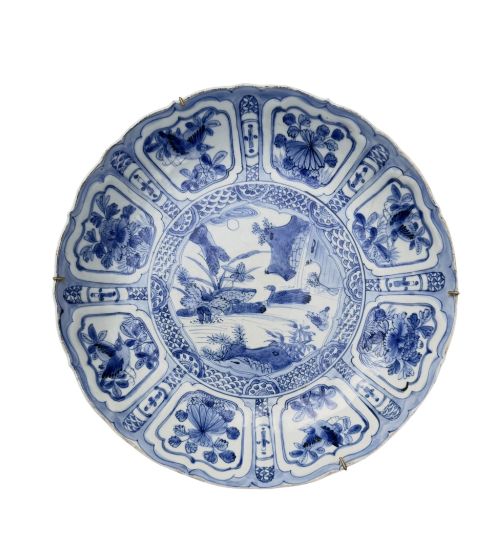
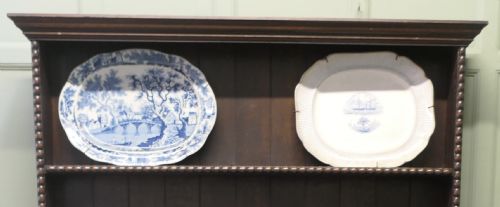
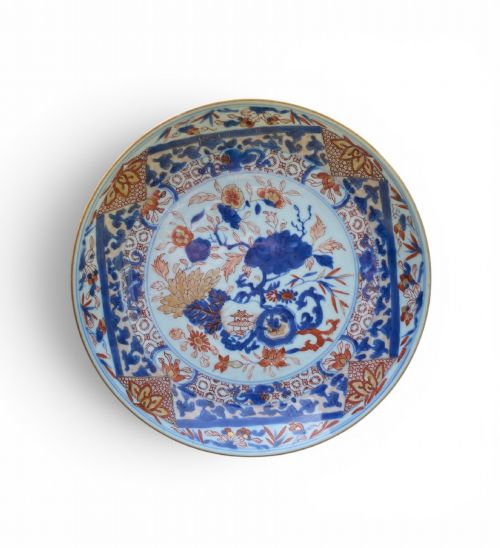
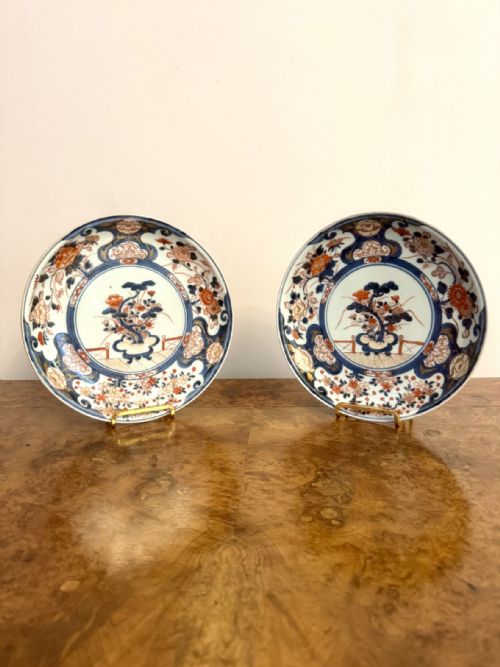
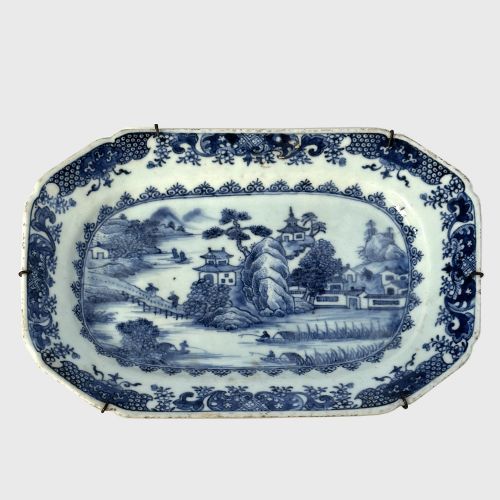
When you search for an underglaze blue charger, you are looking at substantial decorative plates and platters designed primarily for display rather than daily dining. These pieces range from substantial 17th-century Chinese export wares and Kangxi period plates to 19th-century Japanese Meiji period Arita Imari and English pearlware productions.
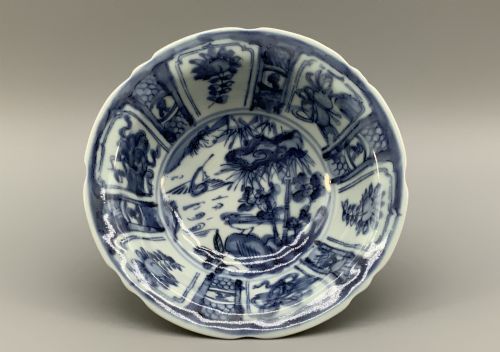
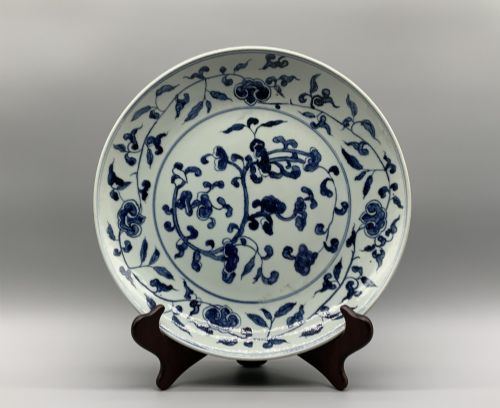
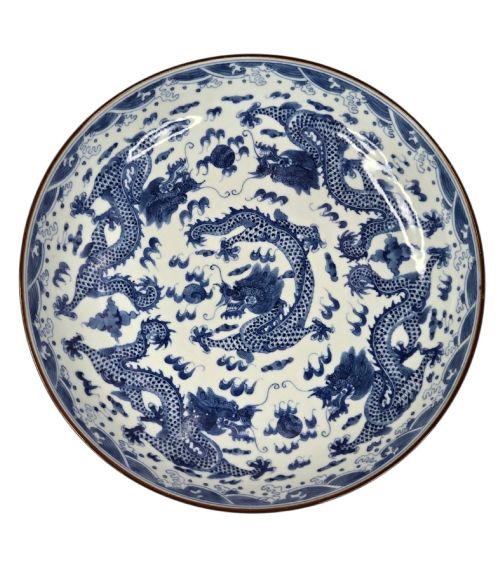
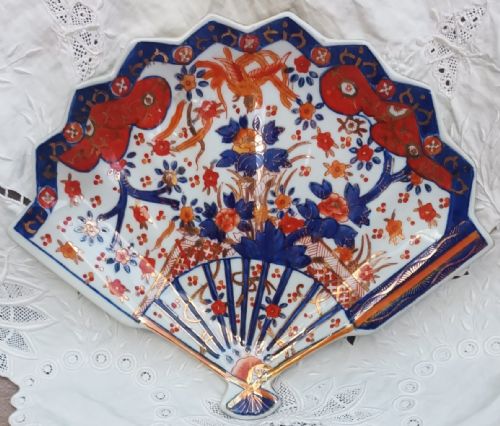
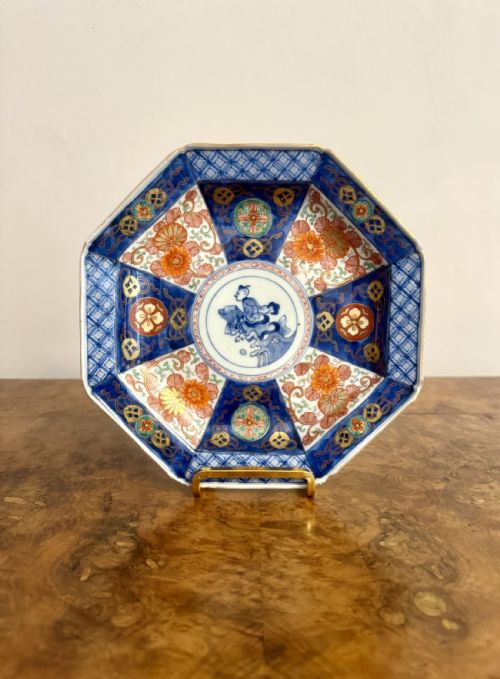
On this page, you will most frequently meet Japanese Imari chargers and dishes alongside Chinese blue and white porcelain bowls and platters. The forms vary from traditional circular chargers to lobed, scalloped, and hexagonal shapes featuring botanical, animal, or dragon motifs.
Materials and construction
The pieces on this page rely upon ceramic and porcelain bodies painted with cobalt underglaze before receiving a transparent glaze and high-temperature firing. This technique fixes the blue pigment firmly beneath the surface glaze, ensuring the decoration remains durable over centuries.
Certain Japanese and Chinese pieces incorporate additional enamel colours and gold leaf applied over the glaze after the initial firing. English pearlware examples utilise refined earthenware bodies covered in a translucent glaze with a faint bluish tint.
Listings span multiple centuries from the 16th century through the Victorian era, encompassing Chinese export, Japanese Arita Imari, and English pearlware.
Assessing quality and execution
The distinction between standard and superior pieces lies in the crispness of the cobalt painting and the balance of the composition across a broad surface. Skilled artisans achieved subtle gradations of blue tones, whereas lesser pieces display muddy outlines or rushed brushwork.
Form and moulding also dictate distinction, with barbed rims, lobed profiles, and moulded floral or panel designs requiring greater skill from the potter. Well-preserved glaze surfaces with minimal firing blemishes mark the upper tier of surviving examples.
The Underglaze Blue Charger Glossary
- Underglaze
- A method of decorating pottery beneath the glaze using pigments that withstand high firing temperatures, most commonly cobalt blue on Asian porcelain.
- Imari
- A style of Japanese porcelain featuring blue underglaze combined with iron-red and gold overglaze decoration, originating in the town of Arita.
- Kangxi
- A significant Qing Dynasty imperial reign period spanning the late 17th and early 18th centuries known for exceptional blue and white porcelain.
- Pearlware
- A refined type of earthenware developed in England during the late 18th century, characterised by a white body and a pale bluish glaze.
- Swatow
- A term used by collectors to describe late Ming dynasty Chinese export ceramics made for overseas markets, often featuring freely painted blue designs.
Underglaze Blue Charger: Frequently Asked Questions
What is an underglaze blue charger?
An underglaze blue charger is a large decorative ceramic or porcelain plate painted with cobalt oxide beneath a clear glaze. They were historically produced in China, Japan, and Britain for prominent display on sideboards and walls.
These sizeable dishes often measure significantly larger than standard dining plates. Their surfaces typically feature intricate hand-painted landscapes, floral arrangements, or symbolic motifs.
How do I date an antique charger?
Dating involves examining the potting characteristics, the tone of the cobalt blue, and the style of the painted decoration. Chinese pieces often bear reign marks on the reverse, though these must be compared against period manufacturing standards.
Japanese Arita and Imari wares show stylistic shifts between the Edo period and the later Meiji era. British pearlware and earthenware alternatives display distinct glaze pooling and body weight typical of the late 18th and early 19th centuries.
Where were these chargers displayed?
Historically, large chargers were positioned upright on dresser shelves, mounted on walls, or set on tables during formal dining occasions. Their generous scale made them ideal focal points for reception rooms and dining halls.
In contemporary settings, they continue to function well on sturdy plate stands, within display cabinets, or mounted securely on walls to showcase their detailed cobalt painting.
How should I care for porcelain chargers?
Antique porcelain and ceramic chargers require gentle handling and stable indoor environments away from direct sunlight and rapid temperature changes. Dust them softly with a dry cloth rather than using liquid cleaning agents.
When displaying them on surfaces or plate stands, ensure the weight is properly supported, especially given the substantial size of 17th and 18th-century examples.