

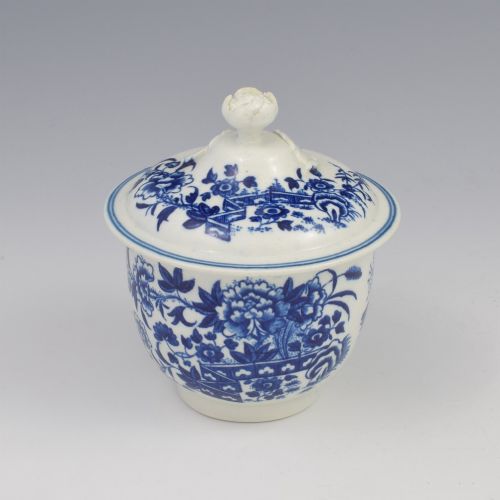


Underglaze Blue Bowl
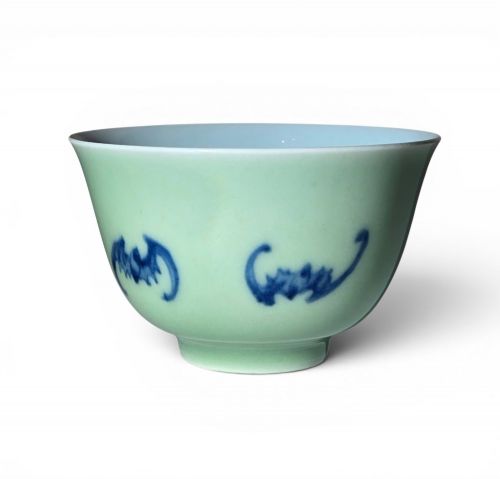
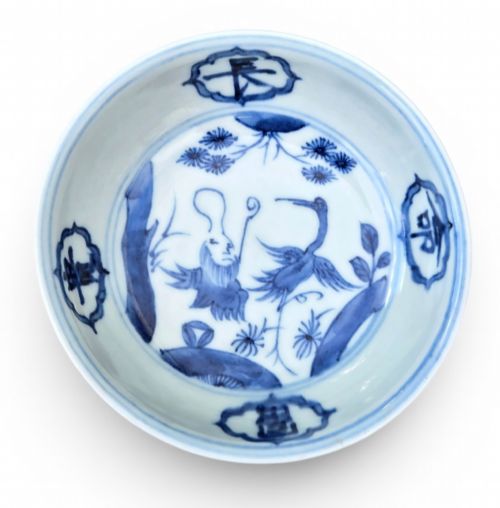
An underglaze blue bowl brings together cobalt pigment and high-fired porcelain across centuries of Asian and English craftsmanship.
Underglaze Blue Bowl
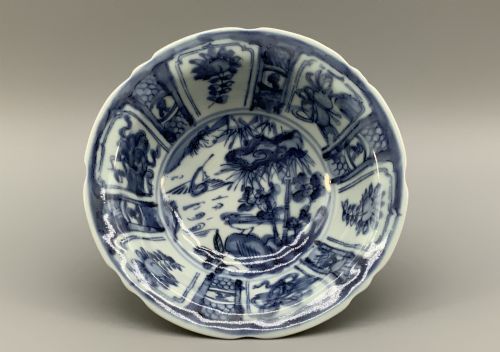
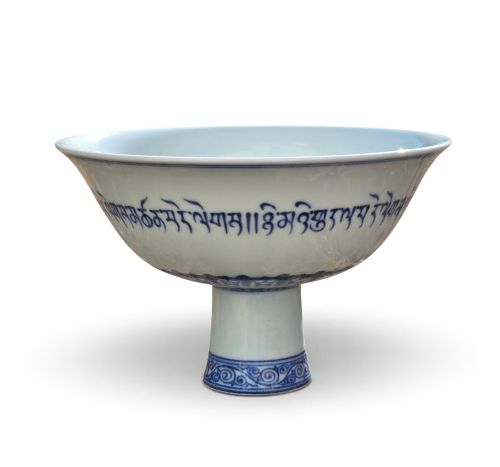
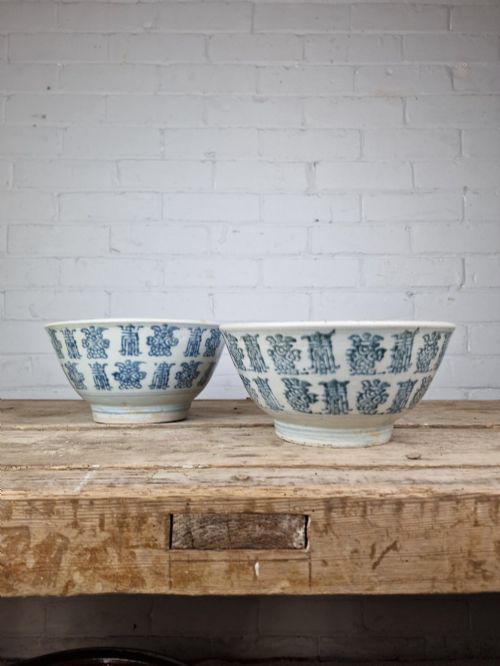
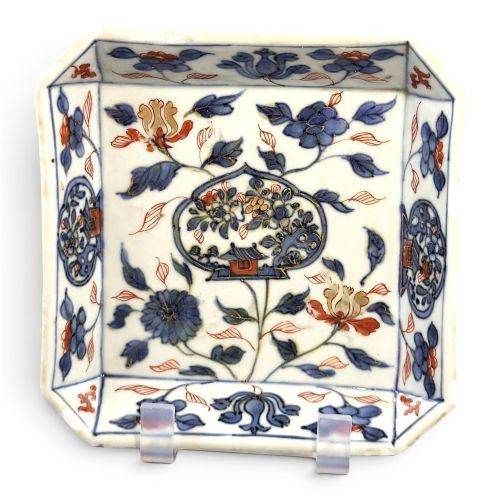
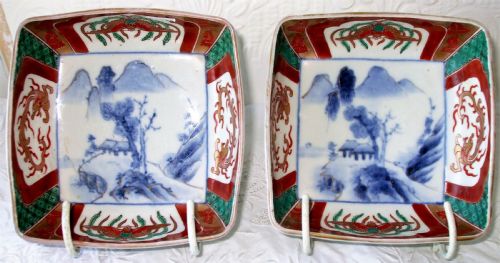
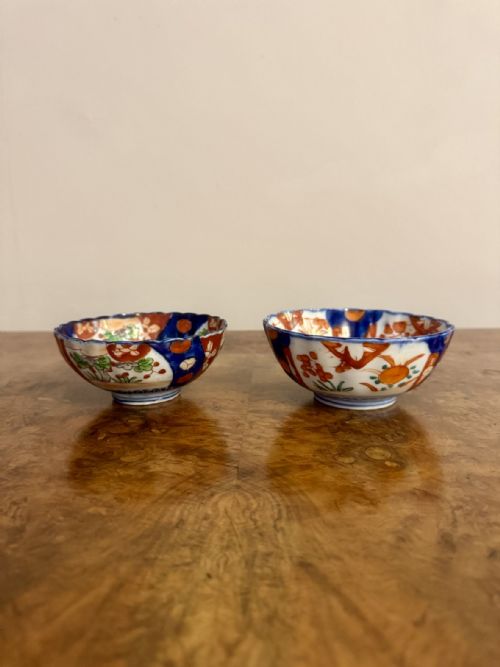
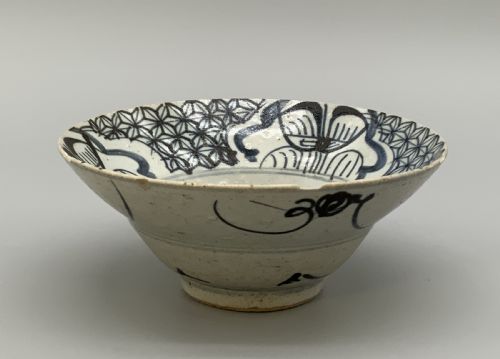
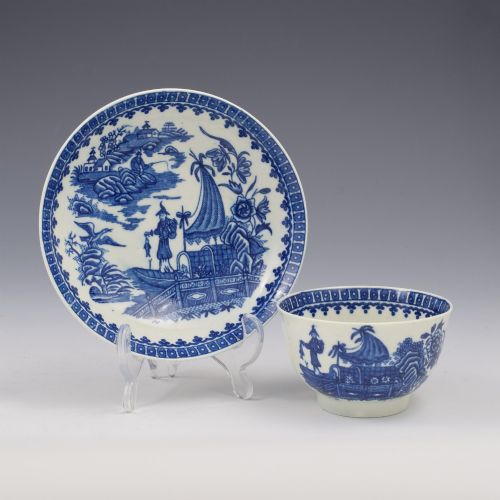
An underglaze blue bowl is defined by painted cobalt decoration applied beneath a transparent glaze before firing, resulting in durable surface patterns. When exploring this selection, buyers frequently encounter pieces originating from Chinese dynasties, Japanese kilns, and eighteenth-century English factories. The forms range from deep tea bowls and stem cups to large garden receptacles and decorative dishes.
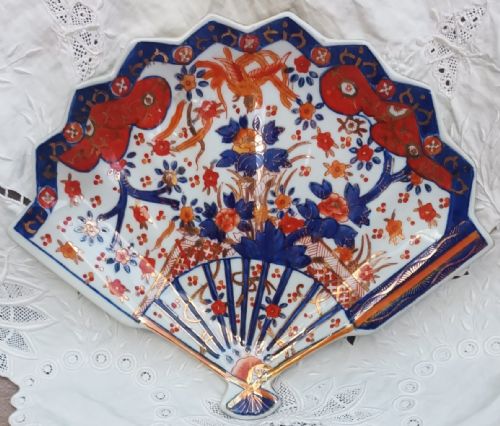
The material foundation spans hard-paste porcelain, soft-paste porcelain, and ceramic bodies decorated during periods such as the Ming, Qing, Edo, and Georgian eras. Japanese Imari styles and Chinese provincial wares appear frequently among the listed objects alongside early English porcelain specimens.
Materials and methods of production
Cobalt pigment provides the characteristic blue decoration, applied directly to the unbaked ceramic body before the application of a clear glaze. Subsequent high-temperature firing fuses the pigment beneath the glassy surface, protecting the design from wear.
Porcelain and soft-paste ceramic compositions form the structural base of these items, shaped either on the potter's wheel or within moulds. Certain examples incorporate supplementary enamels or gold leaf over the fired glaze to enhance the finished appearance.
Listings span porcelain, enamel, and gold leaf materials across eighteenth, nineteenth, and seventeenth-century periods.
Evaluating craftsmanship and execution
The refinement of the cobalt painting distinguishes finer examples, where brushwork remains crisp and controlled rather than blurred or muddy. Precision in the potting, glaze consistency, and the clarity of the underlying clay body further separate standard utility wares from exceptional collector pieces.
The Underglaze Blue Bowl Glossary
- Underglaze
- Decoration applied to pottery before glazing and firing. This technique protects the pigment beneath a glassy protective layer.
- Imari
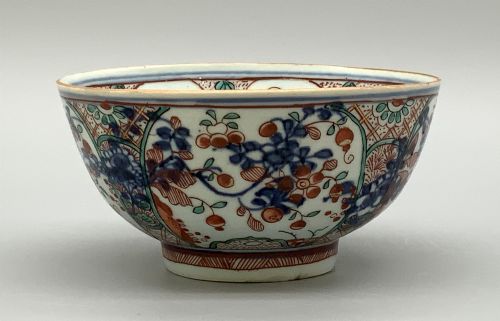
- A style of Japanese porcelain featuring underglaze blue combined with iron red and gold. It originated in Arita and gained international popularity.
- Soft-Paste Porcelain
- A ceramic material composed of clay and glass frits fired at lower temperatures than true hard-paste porcelain. It was widely utilised by eighteenth-century English factories.
- Doucai
- A Chinese porcelain technique combining underglaze blue outlines with overglaze enamel infill. The designs are fired twice to achieve their polychrome effect.
- Stem Cup
- A drinking vessel raised upon a tall foot or pedestal. These forms appear in various Asian ceramic traditions.
Underglaze Blue Bowl: Frequently Asked Questions
What is Imari porcelain?
Imari porcelain refers to Japanese wares exported from the port of Arita, traditionally decorated in underglaze blue and iron red. Additional colours and gold leaf often complete the vibrant palette.
These pieces reflect both domestic Japanese tastes and the historical trade between Europe and East Asia during the Edo period.
How are different periods identified?
Periods are determined through a combination of potting characteristics, clay composition, glaze texture, and stylistic painting conventions. Marks on the base, where present, can also indicate specific dynasties or reigns.
Comparison with documented museum examples helps confirm the likely era of manufacture.
Were these bowls used daily?
Many examples served practical functions in households for dining, drinking tea, or storing food. Others were created primarily for decorative display or export markets.
Usage patterns often varied according to the scale, depth, and fragility of the specific ceramic form.