


Turned Wooden Table Lamp
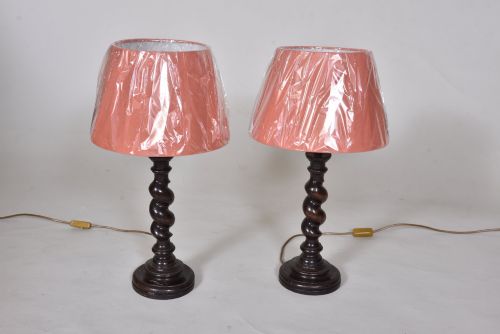
A turned wooden table lamp brings warm light and tactile grain to a room, holding the eye through its balanced silhouette.
Turned Wooden Table Lamp
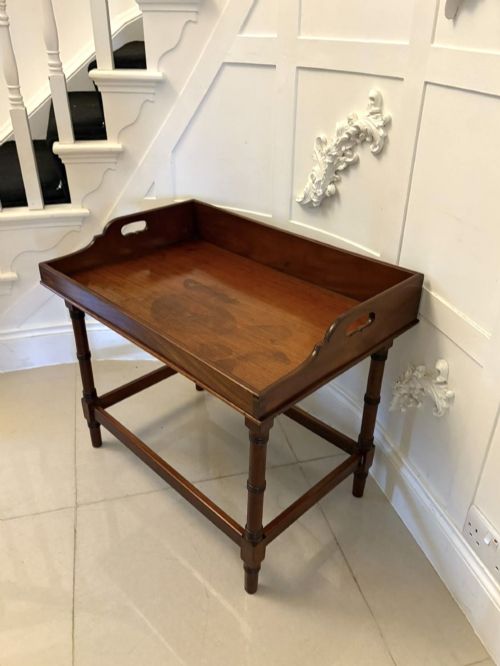
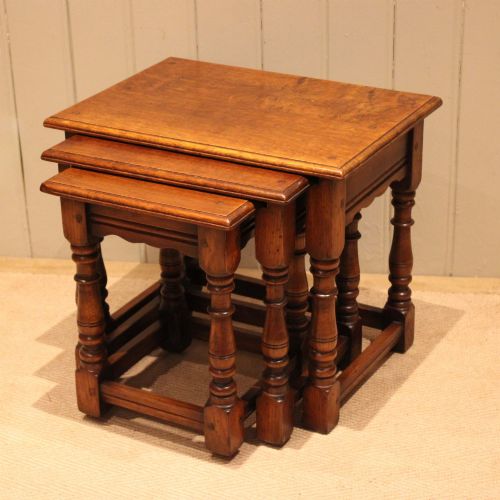
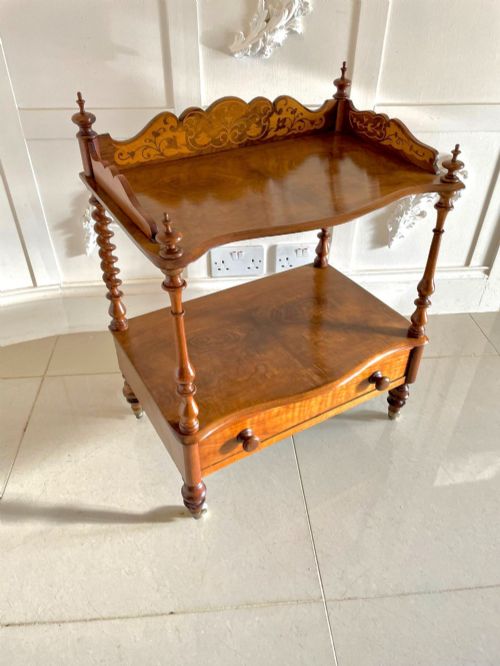
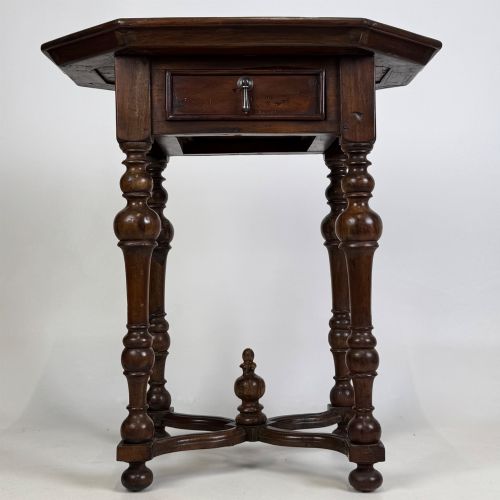
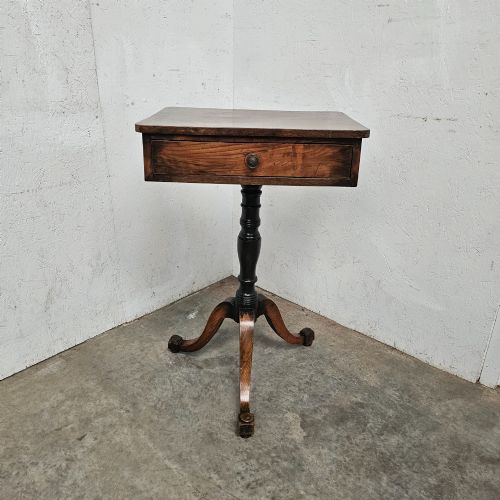
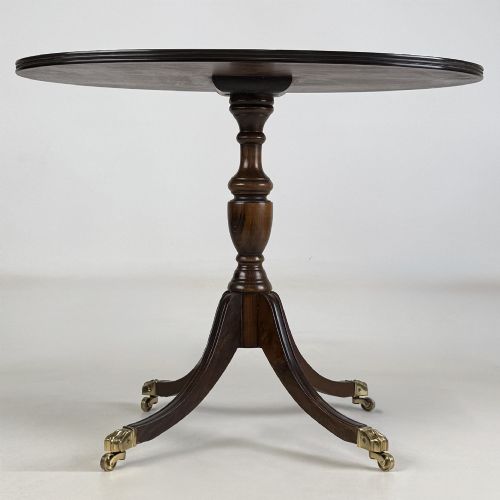
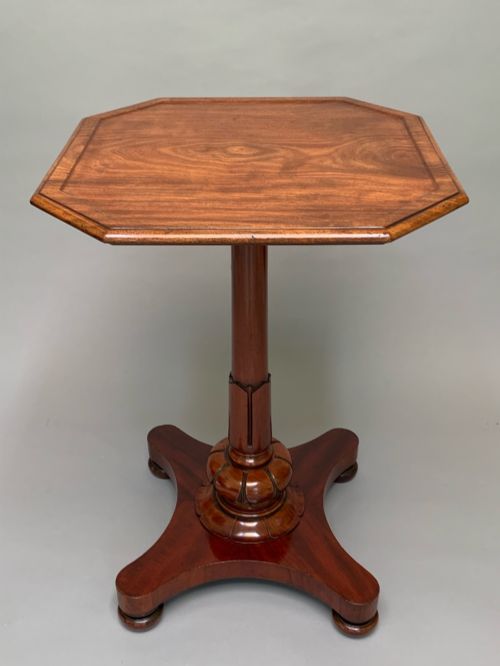
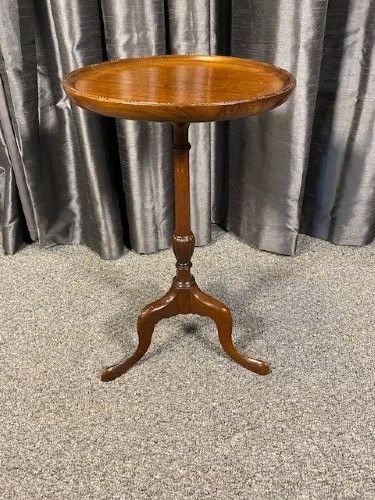
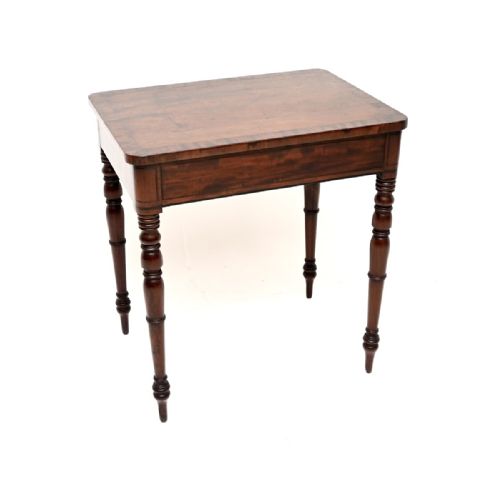
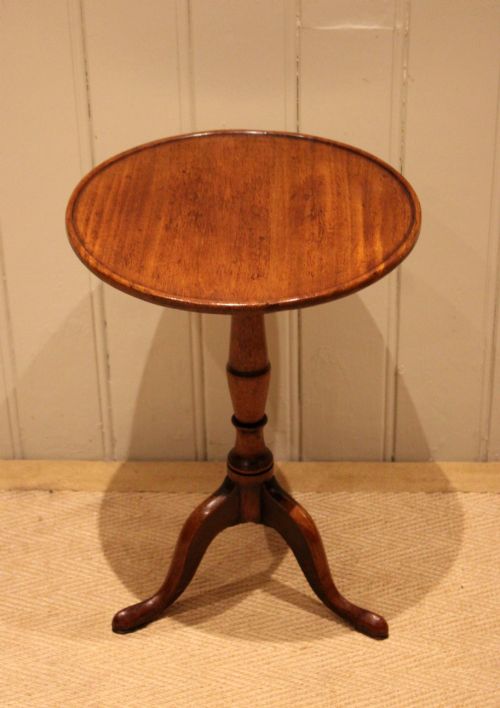
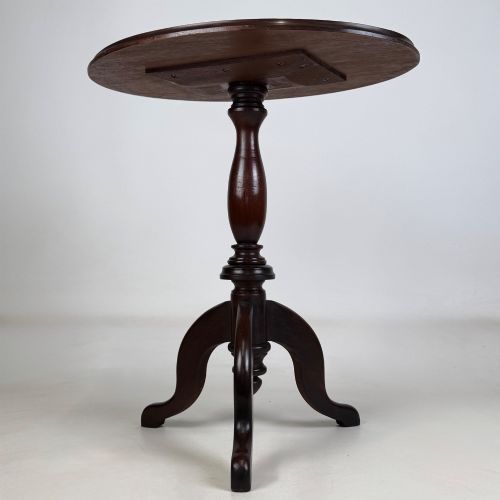
A turned wooden table lamp sits upon surfaces with steady presence, often emerging from the conversion of small occasional tables, wine tables, or dedicated bases into functional lighting. These pieces span the eighteenth century, the Victorian era, and the Edwardian period, bringing domestic history directly into modern interiors.
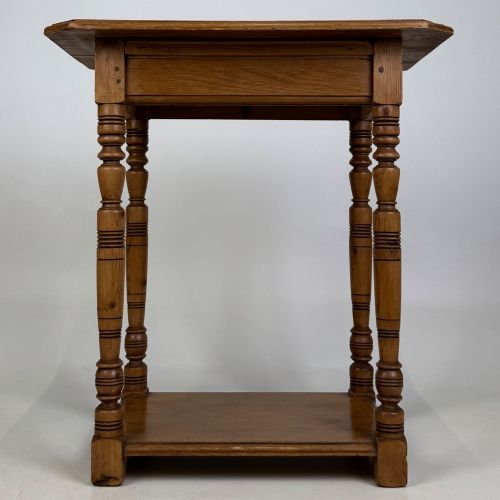
The most common formats on this page include mahogany, oak, and walnut lamp bases alongside occasional tables adapted for illumination, showing styles from Georgian simplicity to Arts and Crafts robustness. Each turned component reflects the lathe-worker's skill, whether shaped with slender balusters or sturdy pedestals.
Markers of Distinction
Quality rests in the crispness of the lathe work and the selection of timber, where burr walnut, figured mahogany, or rich golden oak display lively grain patterns rather than flat, dull surfaces. Finer examples show thoughtful proportions where the turned stem harmonises precisely with the spread of the base.
The integrity of the construction distinguishes superior pieces, evident in tight joints, careful turning without chatter marks, and sympathetic adaptation when older tables or pedestals receive modern wiring. Secondary woods and finishing details reveal whether a maker prioritized speed or meticulous craftsmanship.
Formations on offer combine dedicated table lamp bases with versatile occasional furniture such as wine tables, spider-leg stands, and nests of tables.
Gillows·Hindley and Sons·William Birch·Druce & Co London
The Turned Wooden Table Lamp Glossary
- Turned
- Shaped on a lathe by rotating the timber against cutting tools to create circular profiles such as spindles, columns, and balusters. This technique provides the characteristic symmetry found in lamp stems and table legs.
- Occasional table
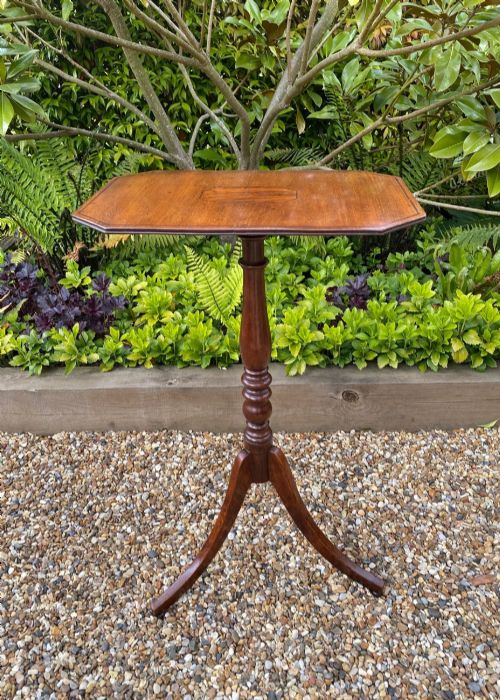
- A small, movable table designed for specific, intermittent uses around a room, frequently repurposed as a sturdy platform for a table lamp. Common forms include wine tables, spider-leg tables, and tray tops.
- Burr walnut
- Timber taken from a tree growth where the grain has grown in a deformed, swirling pattern, yielding highly decorative and mottled veneer surfaces. It appears on select Victorian and Edwardian occasional pieces.
- Tilt-top
- A tabletop hinged to a central pillar or tripod base, allowing the surface to tilt vertically when not in use. This clever mechanism saved space in historic interiors and now denotes a desirable table form.
- Pedestal
- A single central support column carrying a table top or lamp fitting, often rising from tripod legs or a weighted circular base. It allows for compact placement beside seating.
Turned Wooden Table Lamp: Frequently Asked Questions
How do I wire an antique lamp base safely?
Historic timber lamp bases often require professional rewiring to meet modern electrical safety standards, utilising slender transparent or braided cords that respect the original aesthetic.
A qualified electrician can thread modern flex through the central channel or run it discreetly down the stem without drilling into vulnerable historic wood.
What styles complement a turned wooden lamp?
These lamps harmonize naturally with traditional interiors, country house aesthetics, and Arts and Crafts spaces where natural materials and exposed timber grain predominate.
Pairing the turned wood with a simple linen or hand-painted shade balances the visual weight of the base while diffusing a soft, welcoming glow.
How do I distinguish Victorian from Georgian turning?
Georgian turned elements typically display restrained classical proportions, slender vase shapes, and precise, sharp mouldings executed in dense mahogany or oak.
Victorian turning often embraces heavier proportions, more exuberant balusters, and richer decorative woods such as burr walnut or ebonised finishes.
Where should I place a lamp table?
These compact pieces fit naturally beside reading chairs, in dark corners needing ambient light, or flanking a sofa where surface space is at a premium.
Ensure the table diameter safely accommodates the lamp base footprint without overhang, maintaining stability in high-traffic areas.