


Colonial Indian Table Lamp
These colonial indian table lamp options bring rich timbers and intricate carving together to anchor a traditional room with character.
Colonial Indian Table Lamp
A colonial indian table lamp combines traditional Eastern craftsmanship with functional lighting forms suited to period interiors. These pieces frequently draw upon the design vocabulary of Anglo-Indian, Anglo-Burmese, and Victorian furniture traditions.
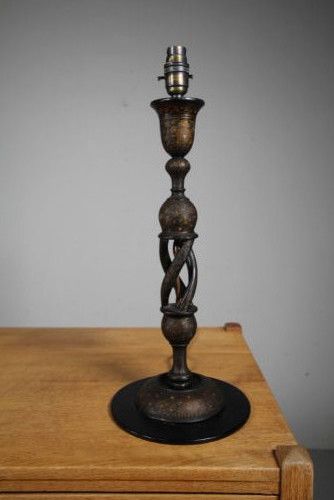
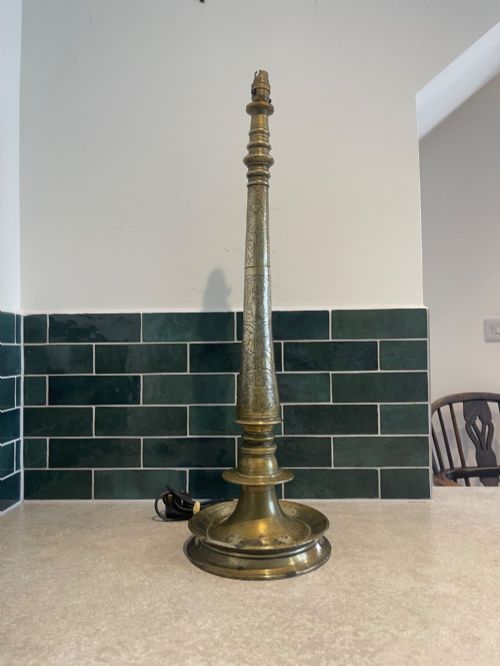
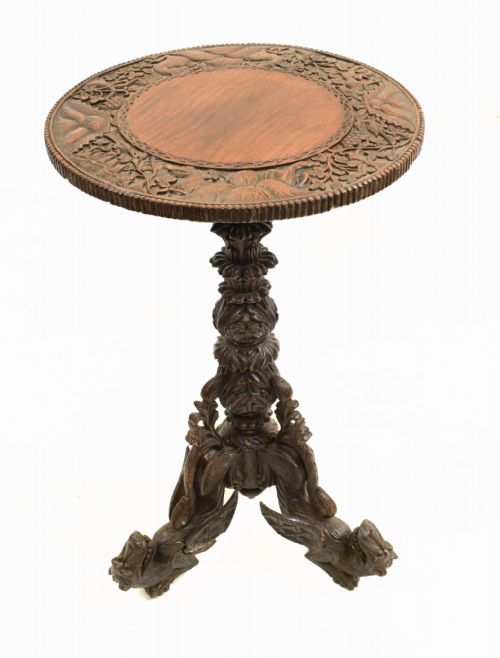
Buyers will encounter tall turned wooden shafts alongside converted occasional tables and carved stands originating from regions such as Kashmir and Burma. The selection demonstrates how local workshops adapted indigenous woodworking techniques to satisfy British colonial tastes.
Materials and construction
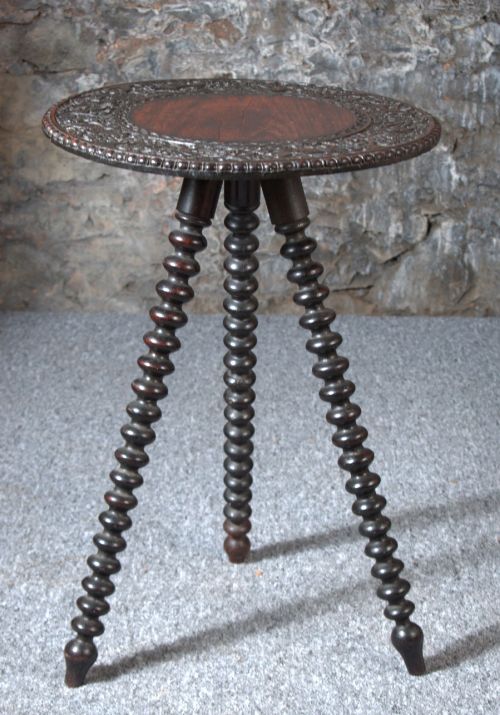
Workshops relied on dense tropical timbers including teak, padouk, rosewood, and general hardwoods that provided a stable base for deep relief carving. Artisans shaped these heavy materials using traditional hand tools to achieve twisted columns and turned pedestals.
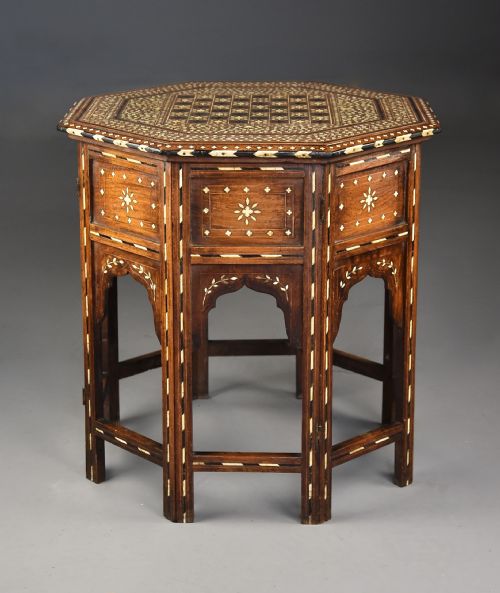
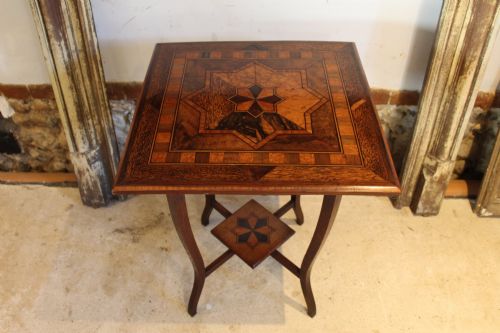
Decorative surfaces often incorporate contrasting elements such as brass components, bone inlay, and painted lacquer work. These additions highlight the regional diversity found across the Indian subcontinent during the nineteenth and early twentieth centuries.
Some tall turned wooden shafts started life as table lamps while others began as occasional furniture awaiting a clever electrical conversion.
Judging quality and execution
The distinction between ordinary and superior examples lies in the crispness of the hand-carved detail and the selection of timber. Finer pieces display deep, undercut foliage and geometric patterns without the soft edges typical of hurried production.
Construction integrity also dictates value, particularly in how components join and whether the timber has aged without excessive splitting. Well-balanced proportions and harmonious wood grain determine the visual success of each standard.
The Colonial Indian Table Lamp Glossary
- Anglo-Indian
- Pertaining to furniture made in India during the British colonial period, often blending European forms with local carving styles. This designation covers items produced for both export and resident colonial buyers.
- Padouk
- A heavy, durable tropical hardwood with a reddish hue favoured for nineteenth-century occasional tables. It takes a fine finish and resists insect attack.
- Inlay
- The technique of embedding pieces of contrasting material such as bone or lighter wood into a recessed wooden surface to form decorative patterns. Hoshiarpur workshops specialised in this intricate work.
- Tilt top
- A table construction featuring a mechanism that allows the surface to pivot to a vertical position when not in use. This space-saving design is frequently seen on circular occasional tables.
Colonial Indian Table Lamp: Frequently Asked Questions
How do I wire a vintage lamp?
Most antique lamps require modern rewiring to meet contemporary safety standards. A qualified electrician can thread modern flex through the central channel without altering the exterior wood or brass.
Ensure the internal components match current domestic regulations while preserving the original plug and switch orientation if they form part of the antique character.
What woods were commonly used?
Carvers utilised dense regional timbers such as teak, padouk, rosewood, and assorted tropical hardwoods. These materials provided the necessary strength for intricate openwork and deep relief carving.
Lighter secondary woods sometimes appear in less visible structural areas, whilst bone inlay provides contrast against the dark polished surfaces.
How do I date these pieces?
Dating relies on stylistic clues, construction methods, and the specific character of the carving. Nineteenth-century examples often display hand-turned elements and traditional joinery.
Later pieces from the early twentieth century may show different finishing techniques or integrated electrical adaptations from their period of manufacture.
How should I clean carved wood?
Dust intricate carvings regularly with a soft-bristled brush to prevent buildup in the recessed areas. Avoid heavy liquid polishes that can darken the timber and fill the carved details.
Apply a microcrystalline wax sparingly once or twice a year to nourish the grain and protect the finish from drying out.