


Vintage Indian Table Lamp
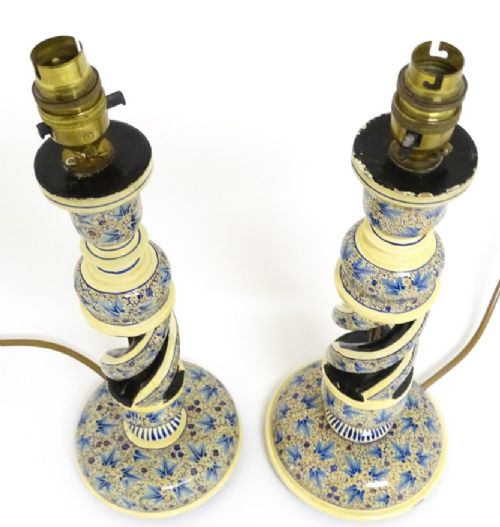
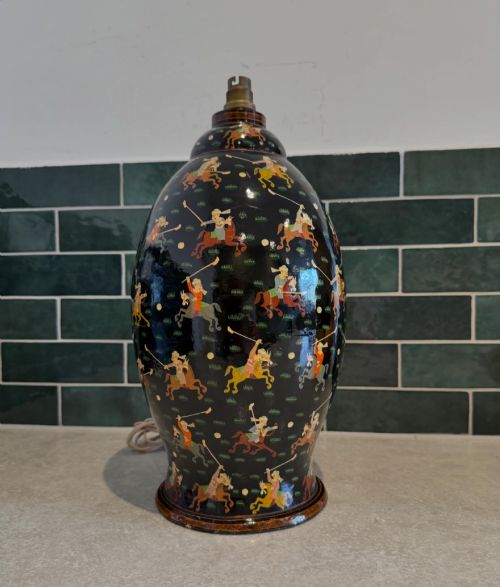
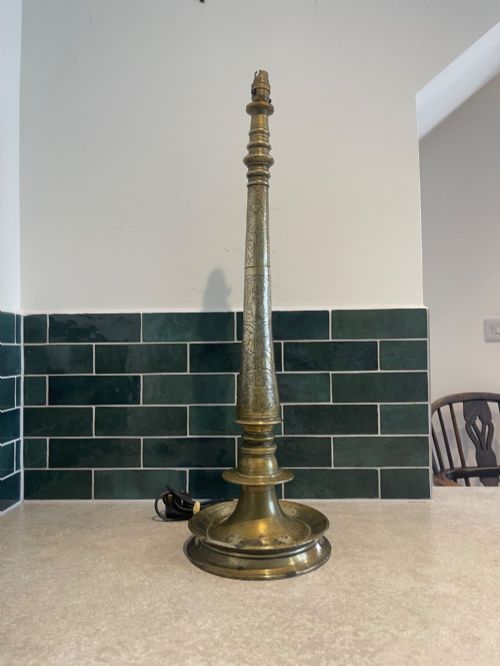
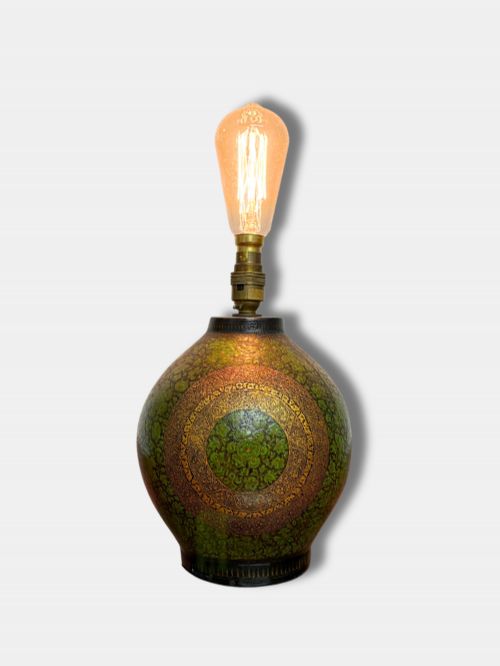
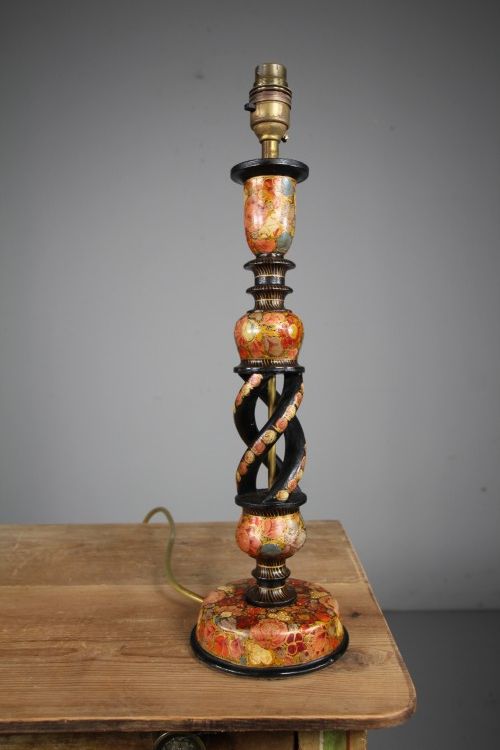
A vintage Indian table lamp brings the rich texture of Kashmiri papier-mache, carved wood, and brass into a room.
Vintage Indian Table Lamp
A vintage Indian table lamp unites decorative illumination with traditional craftsmanship from the nineteenth and early twentieth centuries. These pieces emerge from periods spanning the Victorian era through the 1930s, reflecting colonial influences and indigenous artistic traditions. Buyers encounter regional specialisations such as Kashmiri hand-painted work alongside robust brass designs.
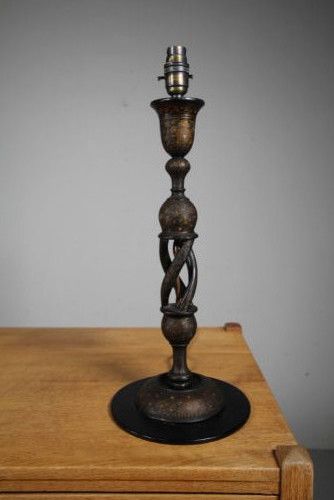
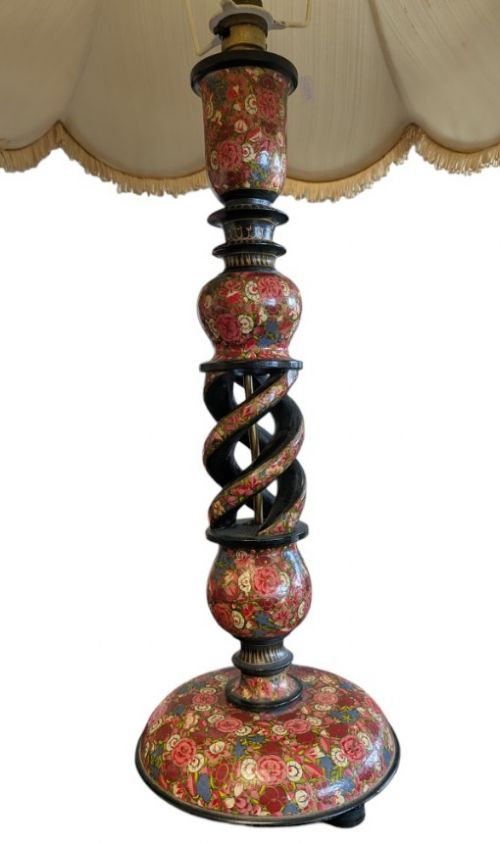
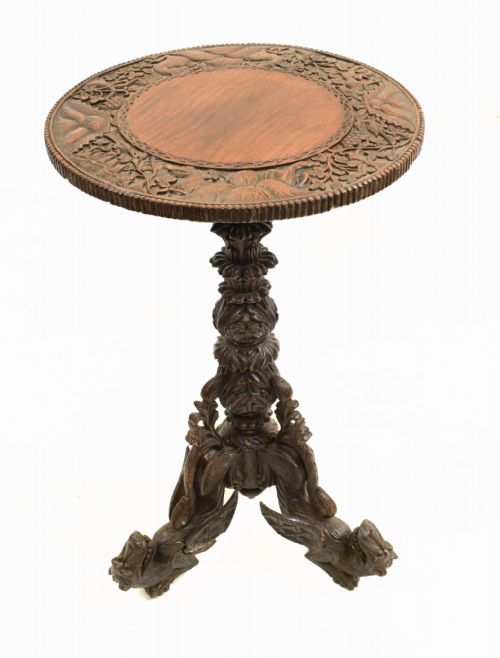
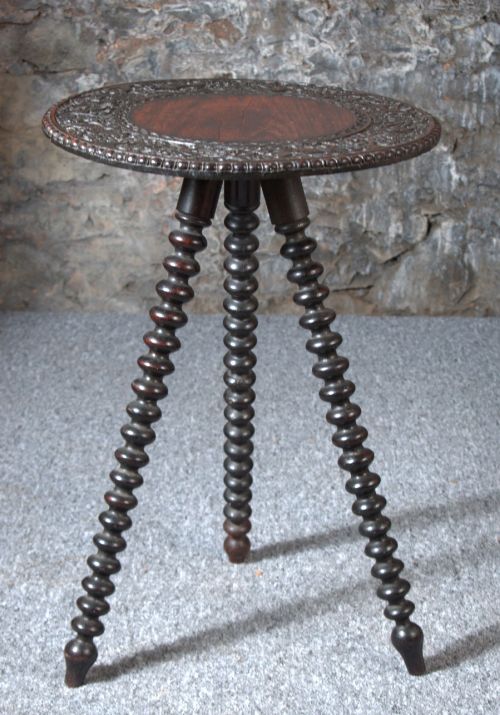
The selection on this page centres heavily on Kashmiri production, particularly hand-painted and papier-mache lamp bodies alongside turned wooden twist columns. Side tables that function as lamp stands also appear frequently in teak, padauk, and carved hardwoods, echoing the dual-purpose furniture of the Anglo-Indian colonial period.
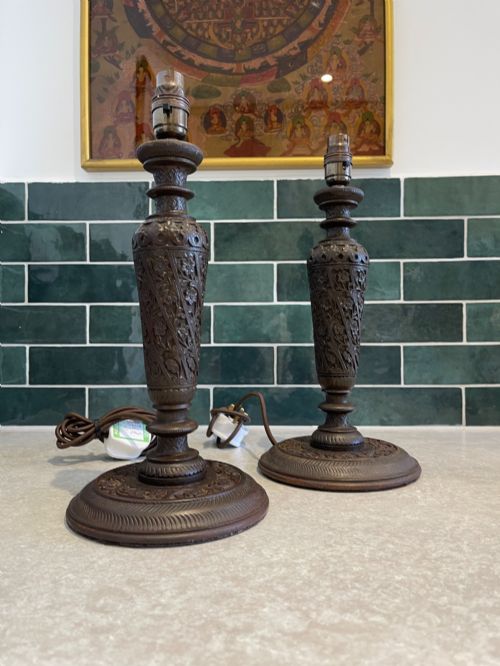
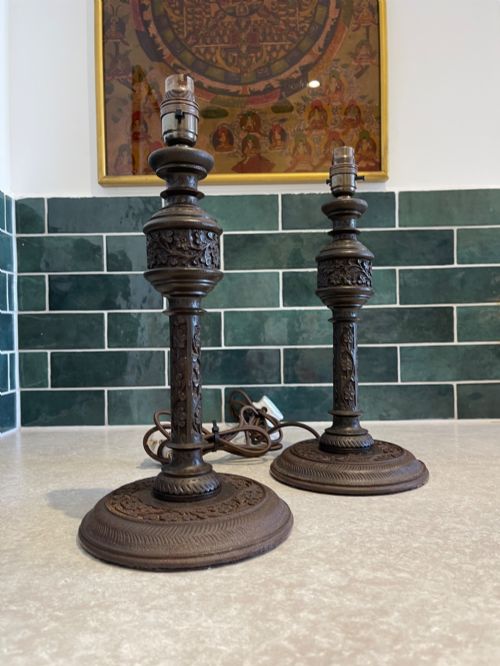
Originating largely from workshops in northern India and Burma, these items range from compact domestic lighting fixtures to tall, commanding pedestals. The forms incorporate intricate surface decoration, floral motifs, and local timber construction that suit eclectic and traditional interiors alike.
Materials and construction methods
Makers utilised dense regional timbers such as teak, walnut, padauk, and general hardwoods to form the structural bodies of these lamps and tables. Artisans carved these woods deeply or turned them on lathes to create twist columns and pedestals.
Surface ornamentation relied on specialised techniques including hand-painting with gilt gold and green pigments, alongside intricate papier-mache layering. Brass components were cast or beaten to create solid metal lamps and decorative mounts.
Workshops applied coloured lacquers and detailed pigments directly onto prepared wooden or papier-mache substrates, sealing the organic materials to preserve the vibrant patterns.
Some tall Kashmiri twist lamps manage to look simultaneously like a piece of architecture and a stick of liquorice.
Differentiating quality across pieces
Quality rests primarily in the crispness and depth of the hand-carving or the intricacy of the surface painting. Superior examples exhibit tightly controlled brushwork, finely detailed floral motifs, and well-preserved gilt or lacquer layers without excessive blurring.
The choice of material and structural integrity dictate the upper tier of the range, with dense hardwoods like padauk and walnut providing greater longevity than softer secondary woods. Original components, stable joints, and well-maintained papier-mache bases elevate the standard of preservation.
The Vintage Indian Table Lamp Glossary
- Papier-mache
- A composite material made from paper pulp or reinforced paper sheets mixed with adhesive, moulded and painted. This technique allowed artisans to create lightweight yet durable lamp bases adorned with fine miniature painting.
- Anglo-Indian
- A descriptive term for decorative arts and furniture produced in India during the British colonial period. These pieces often combine traditional Indian motifs with European forms.
- Padauk
- A heavy, durable tropical hardwood with a reddish hue used in regional furniture and table construction. Its dense grain made it ideal for intricate carving.
- Twist column
- A structural support turned in a continuous spiral shape. This form appears frequently on early twentieth-century wooden lamp standards.
- Lacquer
- A clear or coloured varnish applied in multiple coats to wood or papier-mache to produce a hard, glossy, and protective finish.
Vintage Indian Table Lamp: Frequently Asked Questions
How do I date a vintage Indian table lamp?
Dating relies on examining the materials, wiring modifications, and stylistic markers recorded across the Victorian and early twentieth-century periods. Stylistic details such as specific floral painting palettes help narrow down the decade of production.
Construction techniques also provide clues, as older pieces often feature hand-turned elements and traditional joins rather than modern adhesives or machine threading.
Were these lamps originally made for electricity?
Many early twentieth-century and Victorian pieces started as oil lamps, candlesticks, or small occasional tables before undergoing conversion to electricity later in life. Rewiring is standard practice to ensure modern safety standards are met.
Original lamp holders are frequently replaced or updated during these conversions while preserving the decorative exterior body.
How should I care for a papier-mache lamp?
Papier-mache and hand-painted surfaces require gentle dusting with a dry, soft cloth to prevent moisture damage to the delicate pigments and lacquer. Direct sunlight should be avoided to protect the original green and gilt gold colours from fading.
Harsh chemical cleaners will strip the historic finish, so maintenance should remain strictly minimal and dry.
What is the difference between Kashmiri and Anglo-Indian styles?
Kashmiri pieces are typically distinguished by vibrant hand-painted floral ornamentation on wood or papier-mache bodies. Anglo-Indian items frequently showcase deep, profuse wood carving in teak or padauk designed for colonial tastes.
Both styles emerged from overlapping regional workshops but emphasise different decorative traditions.