


Painted Papier Mache Lamp
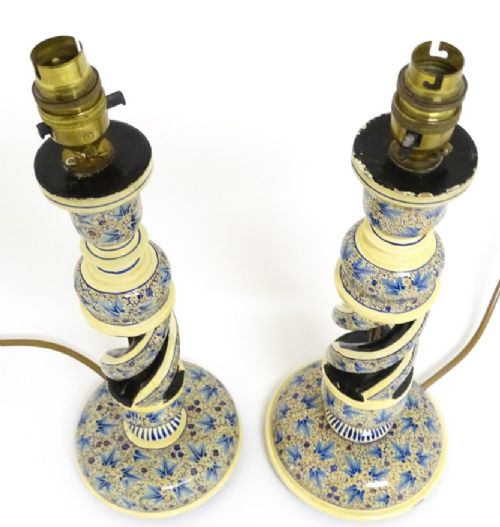
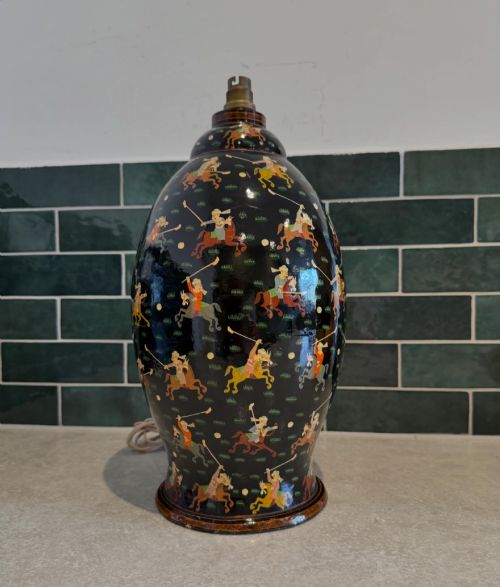
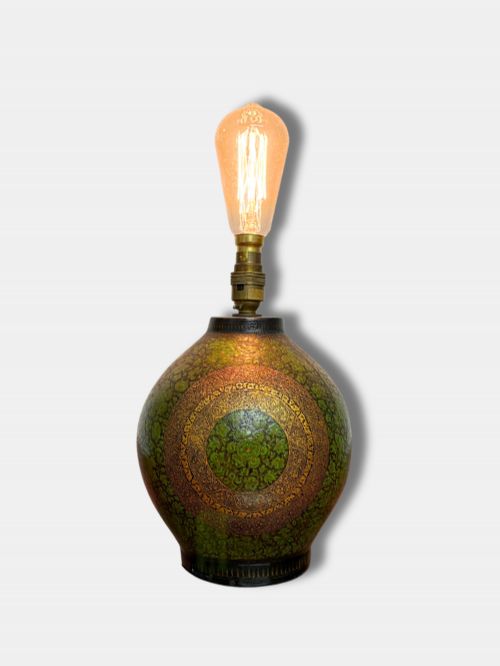
These painted papier mache lamp pieces bring vibrant hand-painted pattern and warmth into a room, offering rich colour and distinct character.
Painted Papier Mache Lamp
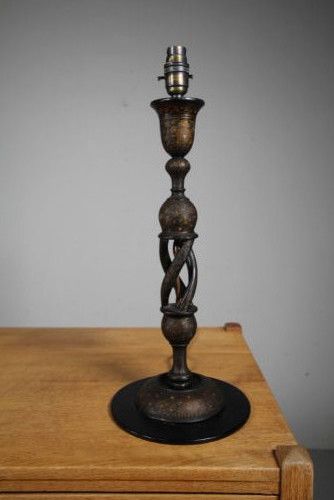
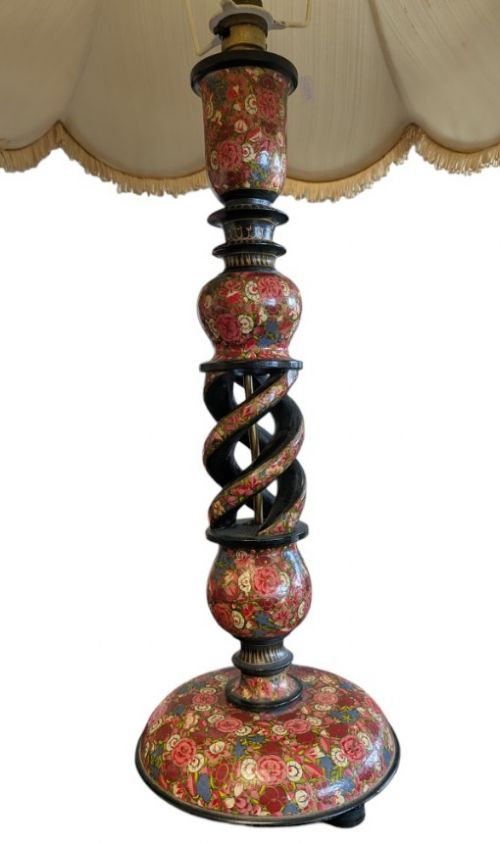
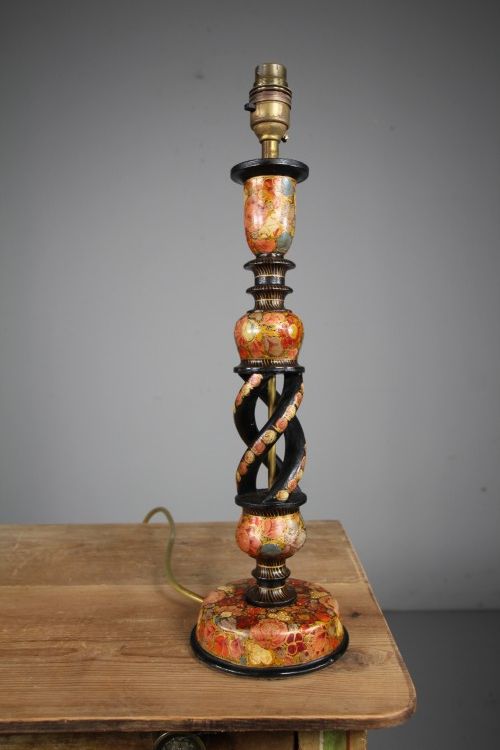
A painted papier mache lamp is typically a hand-painted table lamp originating from Kashmir, created in forms such as twist table lamps and tall antique table lamp bodies. The selection on this page leans heavily towards Kashmiri workmanship, alongside Victorian pieces and Anglo-Indian styles.
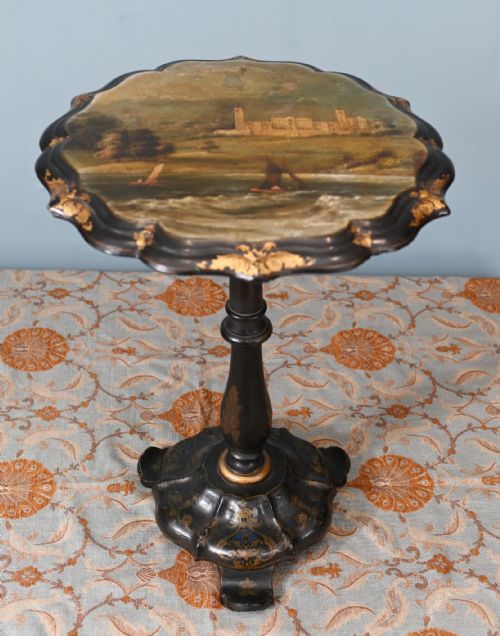
Buyers encounter examples spanning the 19th century, the 1880s, 1900, the 1920s, and 1930. Alongside standard table lamps, the inventory includes side tables, such as a Victorian painted side table associated with Osbourne House and Queen Victoria.
How they were made
The construction relies upon papier-mache, often paired with wood, carved wood, and ebonised wood to form the body of the lamp or side table. Lacquer and paint finish the surfaces, frequently incorporating gilt gold and green or cream palettes.
Makers utilised brass components for lamp holders and wiring, while fabric forms the shades on selected table lamps. Hand-painted ornamentation defines the Kashmiri folk art and Anglo-Indian decorative schemes.
One extraordinary side table listed here carries a direct historical link to Queen Victoria and Osbourne House.
What varies in quality
The sophistication of the hand-painted detail separates standard decorative items from finer artistic examples. Rich applications of gilt gold and intricate multi-coloured patterns elevate the visual depth of the piece.
The integrity of the underlying papier-mache and wood structures dictates longevity and substance. Items retaining original surface treatments and period wiring updates show better preservation of their historical character.
The Painted Papier Mache Lamp Glossary
- Papier-mache
- A composite material consisting of paper pieces or pulp, sometimes reinforced with cloth, bound together with an adhesive. It provides a lightweight yet durable base for detailed surface painting.
- Kashmiri
- Pertaining to the region of Kashmir, renowned for its distinctive folk art traditions and painted lacquerware. These items display intricate hand-painted motifs.
- Ebonised wood
- Timber treated with a chemical stain or finish to imitate expensive ebony wood. It creates a dark, polished surface that contrasts with bright painted decoration.
- Anglo-Indian
- A style reflecting a blend of British and Indian design aesthetics, popular during the colonial period. It combines traditional Indian craftsmanship with forms suited to Western interiors.
Painted Papier Mache Lamp: Frequently Asked Questions
How do I date a Kashmiri lamp?
Dating these lamps involves examining the style of the hand-painted decoration, the materials used in the core structure, and any accompanying electrical fittings. Pieces range from the nineteenth century through the 1920s and 1930s.
Earlier examples often display traditional Kashmiri folk art patterns executed with hand-ground pigments. Later twentieth-century versions may show modernised wiring methods and standardised lamp holders.
Are these lamps safe to use today?
Many antique lamps require rewiring to meet modern electrical safety standards before daily use in a home. Listings frequently note whether a piece has been rewired by previous owners.
Buyers should consult a qualified electrician to inspect older lamp holders and internal wiring. This ensures the vintage papier-mache body remains protected from heat and electrical faults.
How do I clean a painted lamp?
Cleaning requires a gentle touch to preserve the delicate hand-painted surfaces and protective lacquer finishes. Dusting with a soft, dry cloth prevents the accumulation of grime without risking moisture damage.
Harsh chemical cleaners and excessive water must be avoided, as they can lift the paint or soften the papier-mache material. Regular, careful maintenance preserves the rich colours and intricate patterns.